Frozen Food is Selling Like Hot Cakes and Here’s Why
Convenience, quality, and the new comfort economy
Introduction
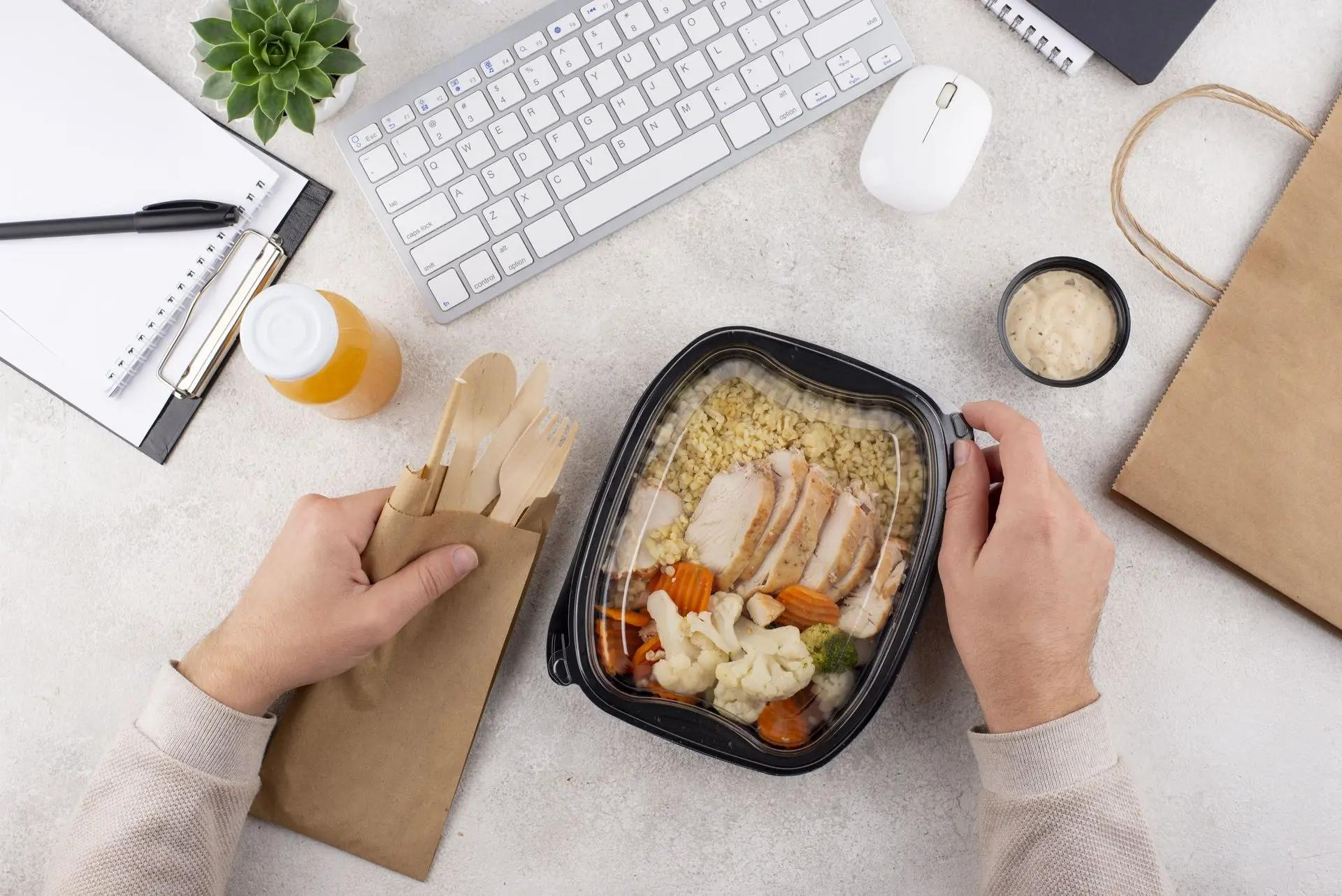
It’s 8:37. You made it through a tough day of meetings and deadlines, and you got through the gridlock in Bengaluru. You don’t want to cook because you’re too sleepy, and you don’t want to eat bad takeout because you care too much about your health.
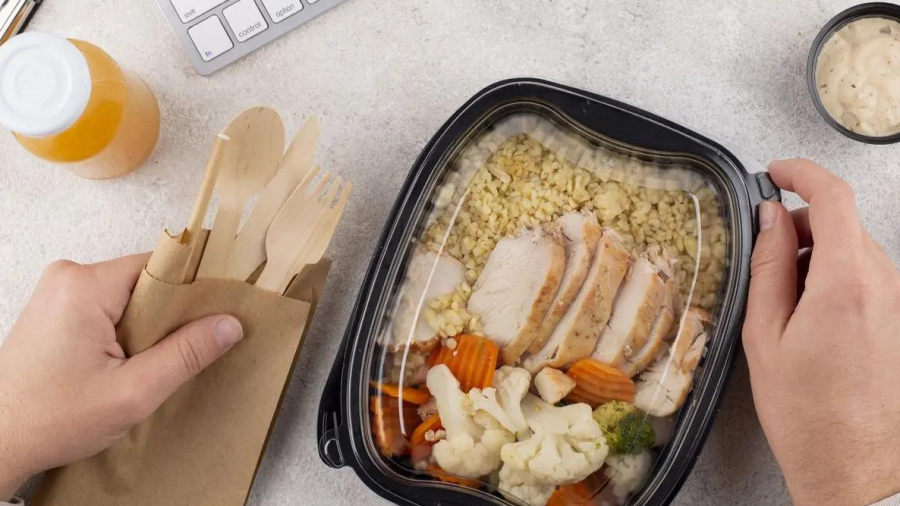
It looks like a frozen tundra in your fridge with no food in it. But then you remember to look in the freezer. There it is. A box of Momos from Prasuma. It only needs five minutes in the microwave. As the steam rose, the smell got stronger. It’s time to eat. No job? No giving up on pricey comfort food.
Welcome to the new India! India is learning to pause and not skip over quality.
From the time of the Ice Age to the Hall of Fame
Who would have thought that the freezer would be the warmest part of the kitchen?
A lot of Indians used to assume that frozen food was the lazy relative of fresh food. It was insipid, made in a machine, and not very tasty. But that picture has been increasingly less clear over the past ten years.
The story has altered because of how people live today after the epidemic, how cities are increasing, how people’s discretionary income is rising, and how young people want things to be easy.
According to IMARC, the frozen food industry in India was valued ₹191 billion in 2024 and will grow at a rate of 13.4% per year, reaching over ₹593 billion by 2033.
It used to be a nice perk for single people and tourists, but now it’s a must-have for students, families, and even foodies.
So, here’s a fun question: Is “fresh” secretly afraid of being ghosted if frozen food just acquired a new look?
Prasuma: A Family Recipe That Changed
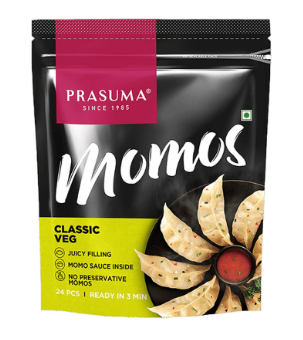
Momos are now more popular than quick noodles.
We need to discuss about what Lisa Suwal said regarding Prasuma Momos. Lisa Suwal was up in Darjeeling, where momos were a vital part of her family life and her social life. She decided to send India’s family recipe by freezing it.
Lisa’s trip wasn’t about selling food; it was about selling memories. She kneaded the dough 3,000 times and used fresh fillings from farms nearby. She put them in the freezer right away so they would taste excellent.
In just two years, Prasuma grew from one store to 2,500 storefronts in 70 different places. They want to open 25,000 stores in 200 different cities.
She didn’t look at the market maps. She used the “momo” method, which meant that customers could always see the brand when they asked where it was.
Isn’t it strange that a snack that people used to eat on a dewy hillside is now a favorite in Bengaluru apartments? Could frozen food be the next cuisine that people in Indian cities turn to for comfort?
People Who Work Behind the Door of the Freezer
Your kebabs, fries, and momos all come from superheroes, which is a twist.
But Prasuma isn’t the only one. India’s frozen food sector is very competitive right now. Both new and old businesses are doing well:
- McCain Foods: People in India recognize them for their burgers, cheese poppers, and French fries. In the fiscal year 2024, McCain Foods India Private Limited made ₹1,240 crore.
- Tyson Foods (Yummiez): Ready-to-eat Godrej kebabs, nuggets, and meats. They really do work “from egg to edge.”
- ITC Head Chef: Fancy chefs make shrimp, biryani, and vegetable fingers.
- Sumeru (Innovative Foods): Fusion frozen meals like lasagna and fish fingers.
- Wow! Momo: “Made for Home” is the tagline for this business that sells both quick-service and FMCG.
- Haldiram: In certain places, sales of frozen samosas went up over 400%. The bundle now includes pakoras, aloo tikkis, and parathas.
Isn’t it funny how our freezers seem like a UN food summit? Who will take over your freezer next?
Making Smart Choices When Your Tastes Change
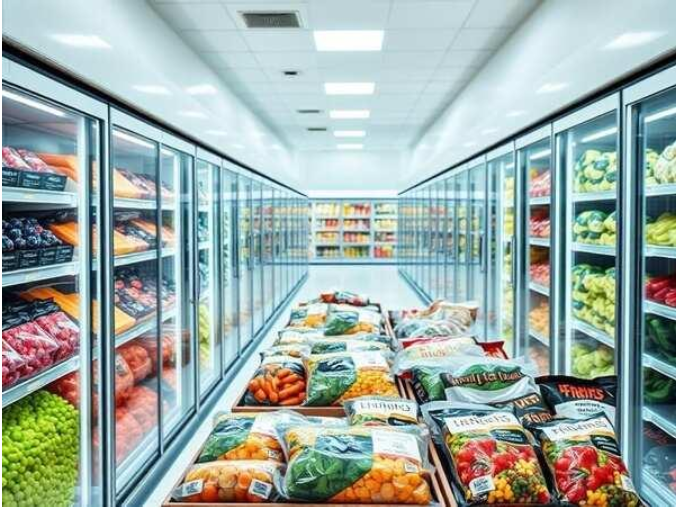
Frozen food isn’t the bad twin of junk food; it’s the finest way to get a glow-up.
It’s not only easy to buy frozen dinners these days; it’s also a choice and something to think about.
Businesses are changing to keep up with India’s changing tastes. These include meals that are exceptionally healthful, meals that don’t have many preservatives, and dishes that taste Indian yet come from different cultures.
Examples:
- McCain India is using eco-friendly farming methods and cutting back on salt by 15%.
- Prasuma owns 90% of the cold chain.
- Mother Dairy and Amul now have snacks, pizzas, and parathas.
- Haldiram’s sells boxes of full North Indian meals.
So, here’s the question for foodies: Is your fridge out of date if your paratha is frozen yet newer than the one you made last week?
The Frozen Future Starts with Tiers II and III and Goes Up
Your nearest kirana shop may soon carry more momos than Maggi.
What is the most shocking thing that has happened? Changes are happening everywhere, not just in cities. People in Tier II and III towns want more as cold chain logistics get better and people’s expectations rise.
Companies like McCain and Prasuma are trying hard to get into these communities by making deliveries, setting up cloud kitchens, and forming relationships with stores. Even tiny stores in the area have warehouses now.
It’s time to ask questions: If frozen food is already taking over Tier II and III cities, will it take over sabziwalas next?
What is causing the Boom?
There are many things that are making the frozen food sector in India grow. It’s not just about how easy it is; it’s also about trust, culture, and technology.
- Changes in how you live: living in a city, working two jobs, and being busy.
- Health-sensitive decisions: demand for simpler labels and fewer preservatives.
Here’s the catch: Is frozen food suddenly the best thing to eat at your table? It’s quick, attractive, and doesn’t make you feel bad.
New Product Horizons: More than Nuggets
Frozen lasagna replaced frozen nuggets.
In India, the frozen food aisle is shifting from merely fries and nuggets to a menu of tasty foods from all over the world.
- Sumeru’s lasagna and tiramisu
- Haldiram’s dal-chawal sets
- Godrej Tyson’s plant-based options
- Wow! Momo’s fillings from Darjeeling
Question: Will frozen food be the Netflix of food? Something for every mood, every binge, and every craving?
The Goldmine for Levels II and III
Large freezers, little towns, and large appetites.
Why they are important:
- Increasing hopes and extra money
- Better infrastructure and cold chains
- Digital expansion is being helped by Swiggy Instamart, Blinkit, and BigBasket
Venky’s, Mother Dairy, and Al Kabeer are all going to smaller towns.
Here’s a strange thought: if frozen meals are the new luxury in small towns, might frozen samosas compete with caviar?
Frozen Food: The New Beauty Industry?
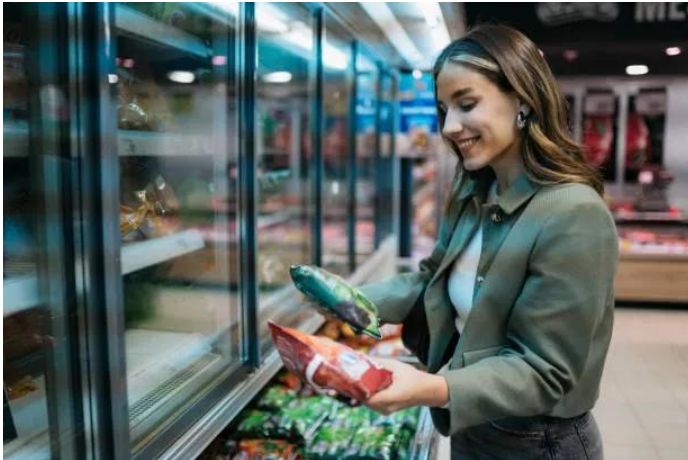
Forget with the face mask; paratha packs are the finest method to get your skin to glow.
This is a strange turn of events: frozen food is now operating like the beauty and cosmetics industry. Like cosmetic firms, frozen food is all about desiring things, living a certain lifestyle, and posting photographs on Instagram.
- Perfectly plated frozen momos or pizzas are the new lipsticks and contouring talents.
- Influencers now unwrap tiramisu and samosas instead of beauty boxes.
- Instagram Reels can make recipes that require frozen food go viral in just a few seconds.
It’s not simply a product anymore; frozen food is now a part of life, like skincare for your stomach.
So, the big issue is: Could frozen food really “influence” its way to becoming India’s most popular business, beating out fashion and beauty?
Battle of the Bites: Snacks vs. Frozen Food
Chips, namkeens, and cookies thought they were the only ones who could fill you up at 5 PM. Welcome to frozen momos!
Crunchy, munchy snacks like potato chips, samosas, and namkeens have been popular in India for a long time. But frozen foods are quietly taking over the scene and stealing the show:
- More choices: You have more choices with frozen foods than with a standard bag of chips. You can choose between cheese poppers and parathas with stuff inside.
- “Healthier” tags: It sounds like frozen foods are healthier than deep-fried chips because most of them now have labels that state “low oil,” “high protein,” and “no preservatives.”
- Higher-end experience: Instead of handing your guests a packet of namkeen, why not serve them kebabs or momos from your freezer like in restaurants?
- Impact on social media: A plate of frozen snacks that is boiling hot looks a lot better on Instagram than a handful of namkeen crumbs.
The freezer area isn’t just for dinner anymore; it’s now the location to purchase munchies at night.
What do you look for as a buyer?
“Frozen” doesn’t mean “anything goes.”
Tips:
- Look at the FSSAI certificates, the dates by which the food should be eaten, and the storage instructions.
- Choose well-known companies that check the quality of their products.
- Keep it at -18°C or lower.
- Check out what other people have said online.
If you suddenly care as much about buying frozen food as you do about skincare, is your freezer really your new vanity cabinet?
The freezer is becoming a treasure chest for foodies.
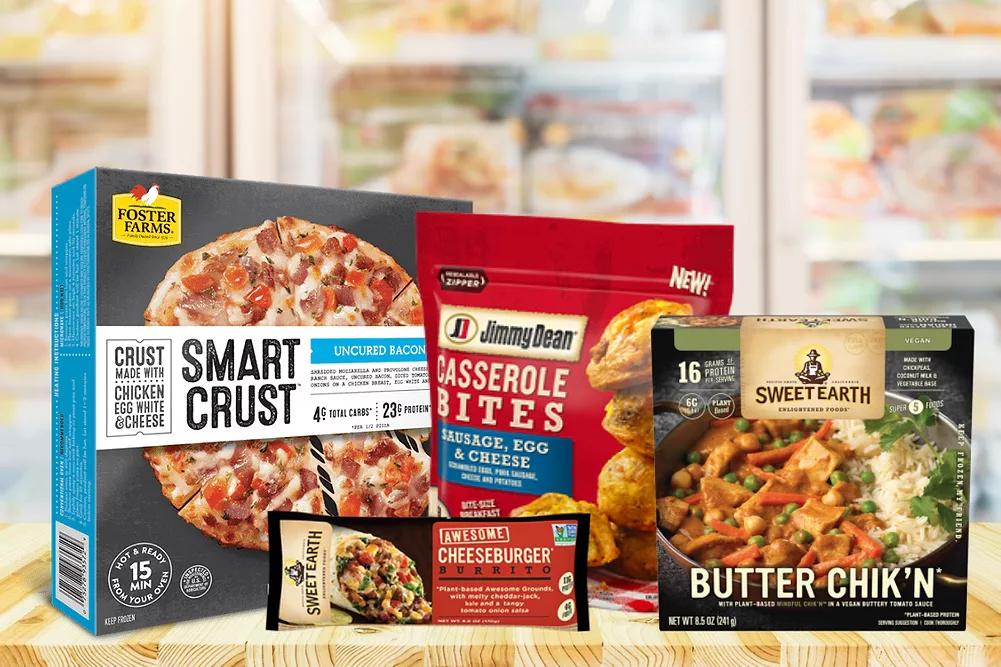
You don’t have to worry about it later; it’s a good idea to freeze food in India. One that combines the old with the new, the simple with the modern, and the old with the new.
If you have a bag of momos, kebabs, or tiramisu in your freezer, you know you’re not cutting corners.
You are now in the new India. Where frozen food is the same as fresh food, and the story behind your food is equally as excellent as how it tastes.
So, foodies, here’s the most crucial thing to ask: If frozen is the new fresh, is your freezer the new temple of flavor?