admin-ajax (1)

Sunscreen Industry

India’s Glow-Up: Sun Care’s Ascent in a Sun-Soaked Country

Why has sunscreen become the most popular skincare product?


You’ll notice it if you scroll through any skincare reel: Reef-safe claims, matte finishes, broad spectrum, SPF, and hybrid tints. What was formerly a beach-only afterthought or, worse, a summer necessity has evolved into a daily, universal necessity. The market for sun care products in India is not only growing, but also taking off.

Let’s get started on this revolution of skin-loving.

The Unexpected Increase in Demand: From Disregarded to Crucial

From front-shelf favorites to forgotten tubes.
The Indian sun care market is expected to double to over USD 1.4 billion by 2033, from a staggering USD 641.9 million in 2024. What is causing this obsession with SPF?

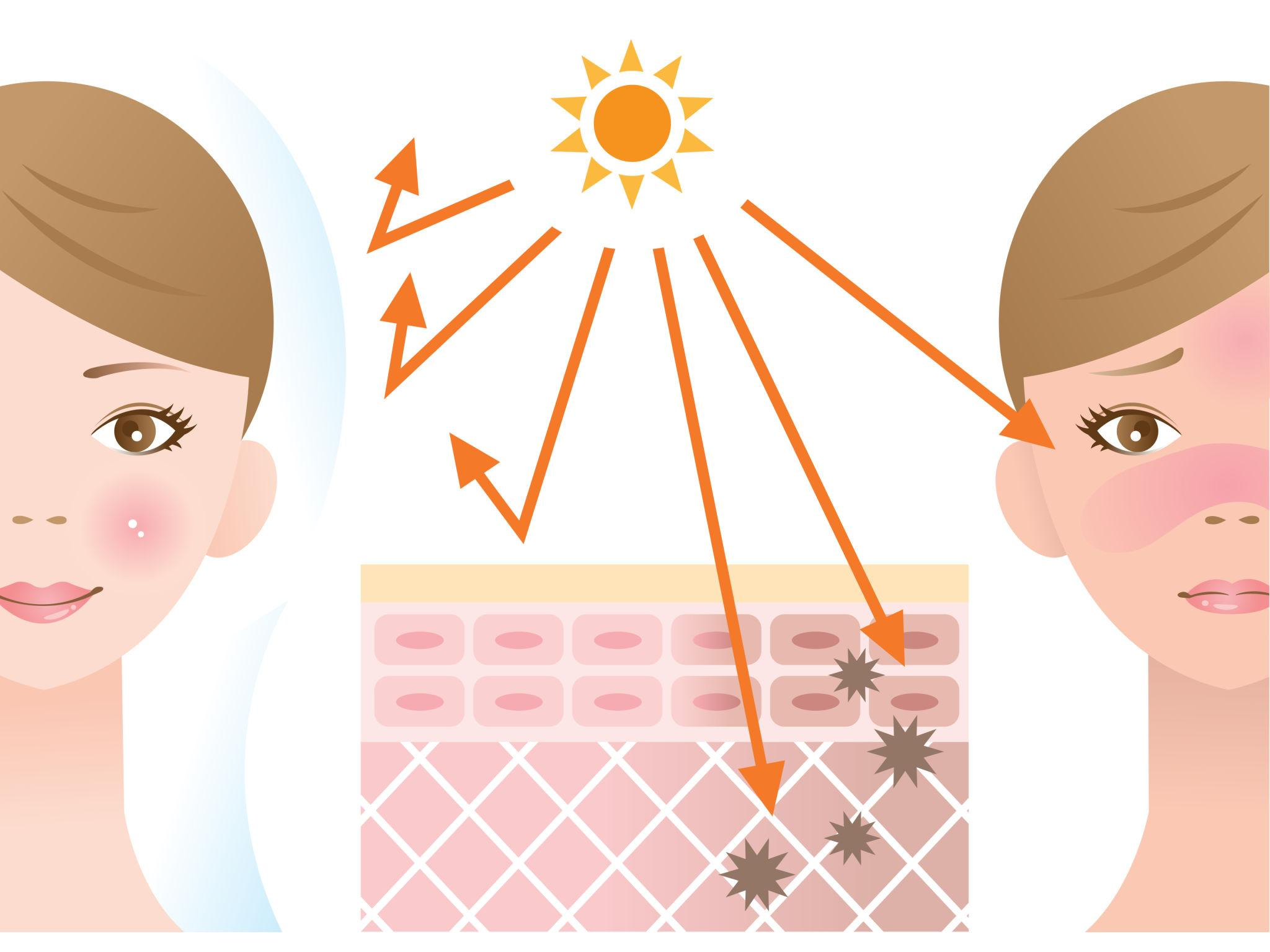
  1. Urban exposure: Growing pollution levels and unrelenting sun damage are making people reevaluate skincare.
  2. Knowledgeable customers: People now realize that UV rays can damage skin without the presence of daylight or beaches.
  3. Influencers in dermatology and social media are educating us about pigmentation, sunspots, and the dreaded “premature aging” line.

All of a sudden, SPF is more than just protection; it’s also power, personality, and prevention.

However, if sunscreen is so crucial, why did we neglect it for so long?

Who’s Leading the SPF Parade in the Brand Wars?
Giants from around the world are gliding onto Indian territory.
Unilever, Beiersdorf (Nivea), and L’Oréal are vying for control of skin types and shelf space.

  1. Garnier introduced Air-Mist Sunscreens and UV Serum.
  2. Nivea introduced four new SPF variations that target various skin types.
  3. Eucerin teamed up with Nykaa to increase its online presence in India.

But they’re not by themselves. Indian brands are quickly catching up. Reimagine sun protection for Indian climates and complexions with brands like Lakme, Lotus, and Biotique.

Can Indian homegrown heroes really stand out when there are international brands in the game?

The Dermat Brand Boom: Scientific Skincare
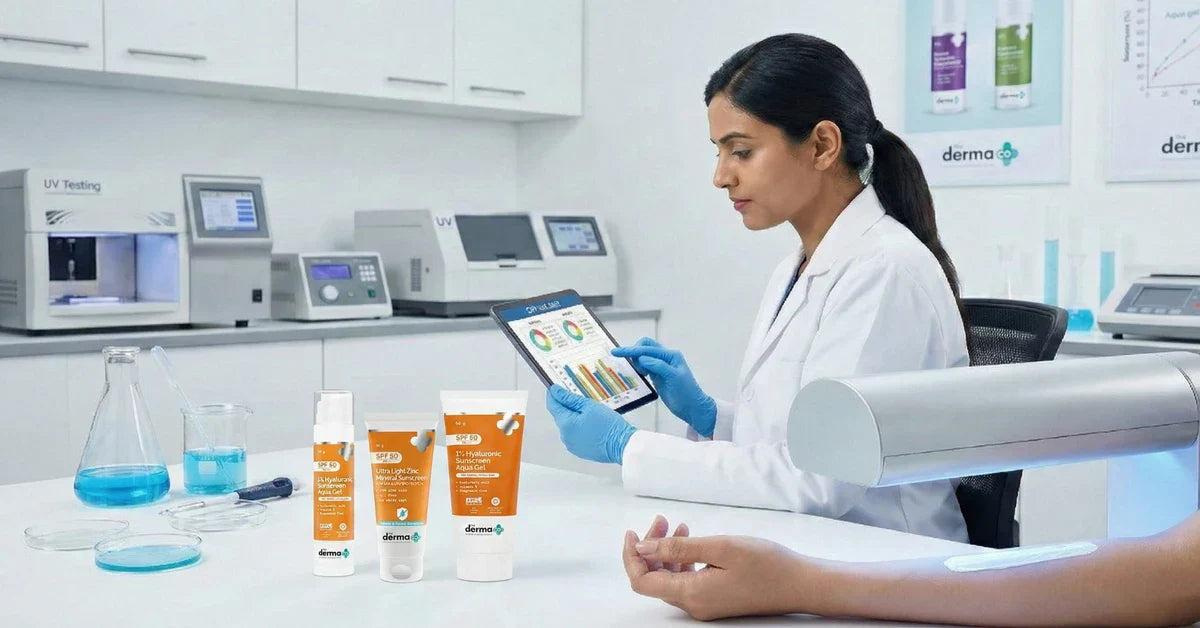
Have faith in your dermatologist, or at the very least, the dermatologist of your influencer.
The science-first companies that speak the language of results are Minimalist, Re’equil, Derma Co., Dr. Sheth’s, and Aqualogica.

These labels emphasize:

  1. Shade inclusivity for more profound Indian tones
  2. Formulations for sensitive skin that have fragrance-free or reef-safe labels
  3. Hybrid products like gel sunscreens, mattifying sunscreens, and tinted SPF

Their allure? No nonsense. Just the facts. Additionally, they are now more credible than legacy players thanks to recommendations from dermatologists and skin specialists.

Will consumers keep buying beauty products based on science rather than emotion?

Sunscreen Is More Than Just a Cream: Styles for All Feelings

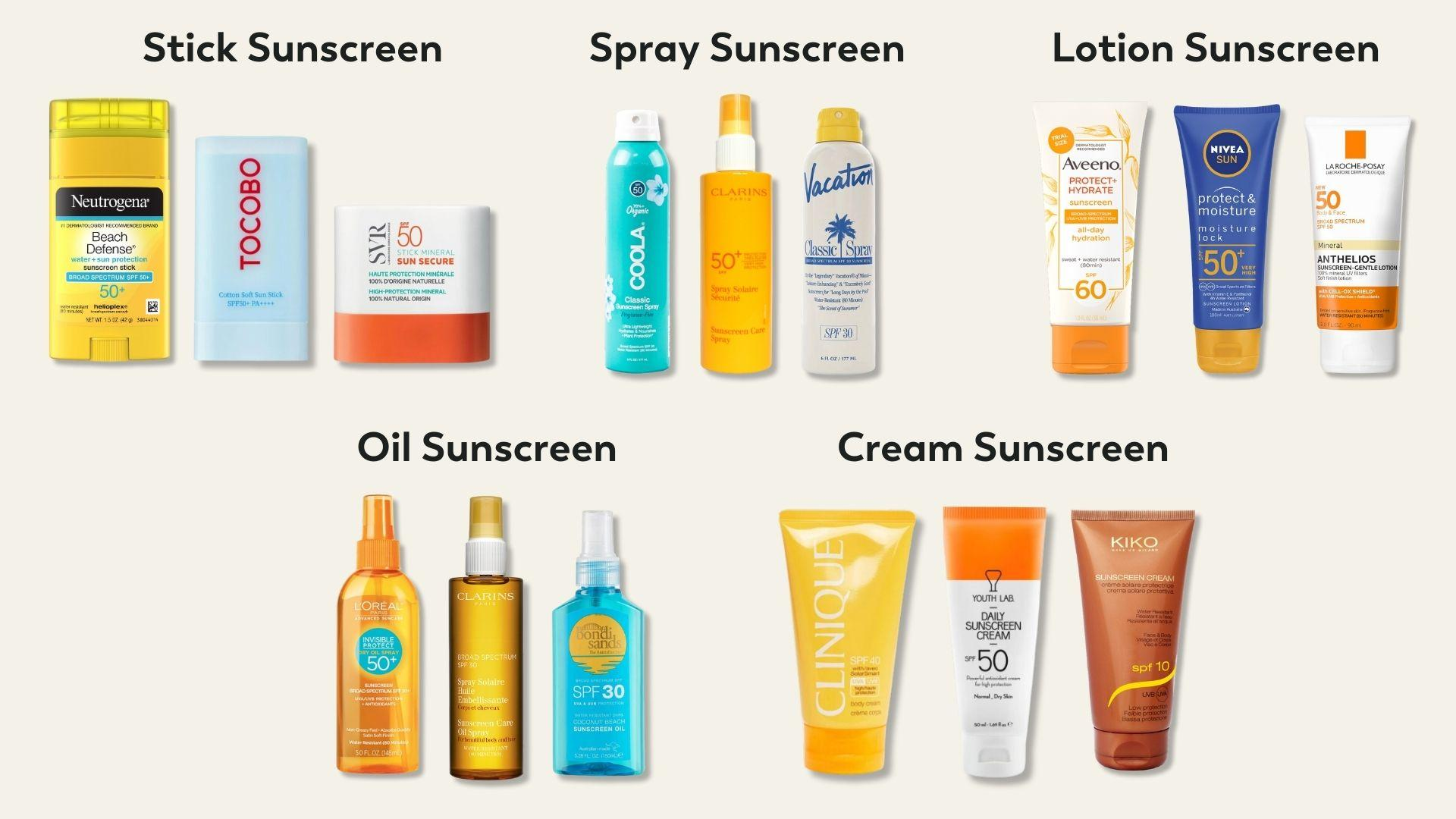
SPF has undergone a transformation and is no longer merely a greasy, white cream.

The Indian market now provides SPF in every possible form, ranging from invisible serums and lightweight gels to sprays, sticks, powders, and even moisturizers with sunscreen. This change isn’t just about looks; it’s also about:

  1. Lifestyle compatibility
  2. Convenience
  3. Skin type customization

Fitness enthusiasts favor sweat-resistant sprays, makeup enthusiasts adore powder SPF, and commuters adore sticks for their effortless application. Both mass and premium brands now have more opportunities to innovate and reach new user segments thanks to this diversification.

Could “how” we apply sunscreen soon be more important than “what” we apply, given the abundance of SPF formats available on the market?
Beyond the Face: Body Lotions, Lip Balms, and More

SPF is becoming more ambitious.
Your face is no longer the only aspect of suncare. Companies are branching out into body lotions, makeup primers, hair sprays, and SPF lip balms.

  1. These days, SPF lip balms are nourishing, plumping, and tinted.
  2. Greasy cold creams are being replaced by SPF body lotions.
  3. BB creams, setting sprays, and moisturizers are doubling up on sun protection.

SPF is going head-to-toe and isn’t going away.

What comes next? SPF in nail polish and deodorants? What is the limit of this expansion?

The Effects on Behavior, Business, and Beauty

It’s a change in lifestyle, not just skincare.
The surge in sun care is changing Indians’ perceptions of beauty.

  1. Spend: Giving high-end skincare products precedence over fairness creams
  2. Consider: Shifting from whitening to safeguarding
  3. Behavior: Especially for women and Generation Z, wearing sunscreen has become a daily ritual

Because e-commerce behemoths and influencers are upending the metro monopoly, even Tier 2 and Tier 3 cities are starting to catch up.

Is a sun-safe culture being established at last, or are we merely following a fad?
Anticipated Growth: A Billion-Dollar Boom

This is a boom, not a bubble.
The Indian sun care market is expected to grow at a compound annual growth rate (CAGR) of 8.9% over the next ten years. Professionals forecast innovations such as:

  1. Skin analysis using AI to recommend SPF
  2. Sunscreens that adapt to the climate in various Indian regions
  3. Localized advertising in regional dialects and environments

The industry is transitioning from skincare to skinnovation with the introduction of tinted sunscreens, makeup with SPF, and derm-collaborations.

Will India lead the world in developing sun-first beauty products? Or will the tone always be set by global trends?

Growing Awareness of SPF in Rural Areas: From Metros to Mandais

Suncare is slowly making its way into India’s heartland and is no longer just a skincare concern in cities.

Sunscreen is making its way onto small-town and rural retail shelves because of:

  1. Mobile penetration
  2. Influencer content in local languages
  3. Reasonably priced formats like sachets or inexpensive tubes

By combining tradition with sun protection, Ayurvedic SPF, tinted sticks, or herbal gels,  brands are finding success in semi-urban India. This rural shift is being accelerated by tier-2 targeting campaigns from Nykaa and Amazon.

Could Indian rural consumers spearhead the country’s next skincare revolution as awareness spreads to smaller towns?

Could Ayurvedic or herbal SPF become a mainstream global export from India?

The Beauty-Sun Care Transition: Glam Meets SPF

Your skincare shelf and makeup bag are working together instead of competing with one another.
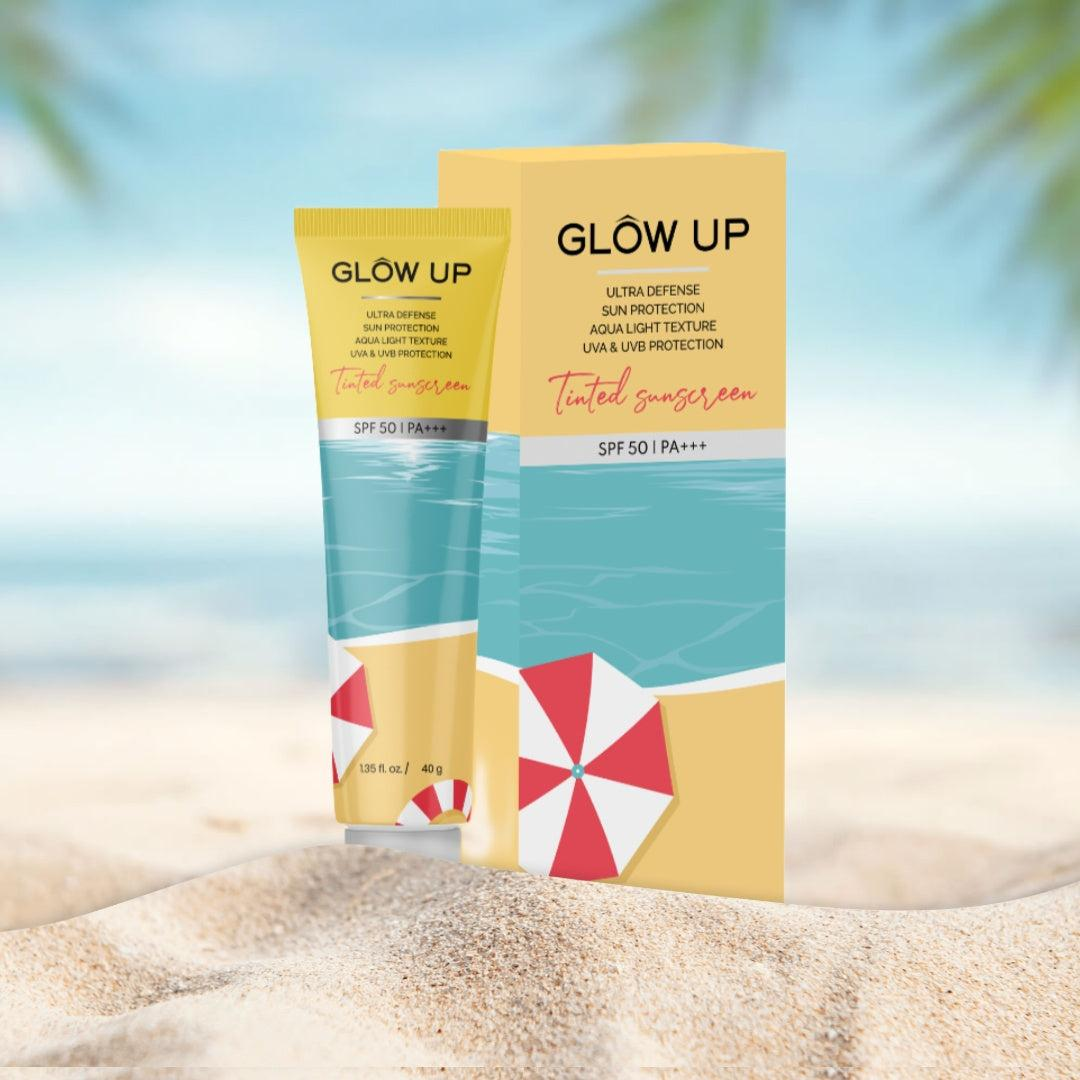
SPF-containing BB creams, UVA-blocking foundations, and sunblock lipsticks are among the hybrid products that Indian consumers are now requesting. Formulations from Lakme, The Derma Co., and Minimalist make it difficult to distinguish between protection and cosmetics. This hybridization is:

  1. Strategic
  2. Practical
  3. Allows customers to protect their skin without sacrificing gloss, glam, or glow

In the upcoming ten years, could this combination of skincare and makeup change the way Indian consumers perceive beauty?

Is India finally overcoming its “sunscreen-is-for-fairness” stereotype?

In India, the SPF revolution goes beyond superficial changes. It reflects the changing Indian population, which is becoming healthier, wiser, and more conscious of what they put on their skin. What began as a cream has evolved into a way of life.

The true query then becomes: Have you already found your soulmate in sunscreen?

Can the Indian sun care market outpace the global average with its climate, population size, and digital influence?


Let us know in the comments below!
admin-ajax

Celebrity Brands

The Bollywood Brands: Why Celebrities are Launching Their Own Brands

Lights, Camera, and… Commerce!

Your next skincare guru may have an IMDb profile.

You may have noticed that on Instagram or while shopping online, you’ve come across a brand with a founder that you have watched on the big screen or TV.
It might be a fashion company, a skin care company, or a children’s apparel company. You might be shocked at first. How did your favorite star make the transition from acting or sports competition to creating their brand?

It might be surprising at first. What did your favorite celebrity do after they acted on screen or competed in sports?

This transformation was not overnight. It was initiated by some of the first pioneers who felt there was potential to do something more than sell commodities. Think about Salman Khan, for example. He began Being Human, a causewear brand, donating to charities and making it possible for his fans to engage with him beyond the screen. It was one of the first times a Bollywood icon dabbled in entrepreneurism on a grand scale.

Dialogue Delivery to D2C Marketing:

1. The Living, Breathing Brands of Celebrities
Celebrities are becoming more than actors or athletes; they are turning their everyday lives, personal beliefs, and philosophies into brand personas that greatly resonate with their admirers.

2. Selling Parts of Their Way of Life
Celebrities are monetizing their habits into products that fans can purchase, from parenting routines to fitness and beauty regimens.

3. The Celebrity Brand Boom in India
The industry is growing with companies ranging from skincare products endorsed by popular movie and sports personalities to eco-friendly kids’ wear created by celebrity parents.

4. Leaving a Legacy Beyond Stardom
These are smart businesses that leverage influence, imagination, and vision to last well beyond the applause; they are not simply celebrity extensions.

Are these activities well-packaged business strategies or passion ventures?

What You Will Learn from This Blog:

  1. What is involved in a Bollywood celebrity launching their brand
  2. What sets celebrity-owned brands apart from other brands
  3. Celebrities build their businesses for business purposes, including to own their image, be innovative, and leave a legacy
  4. The strategies and frameworks through which celebrity companies thrive, right from product creation to strategic alliances with other businesses
  5. Being Human, Ed-a-Mamma, and Kay Beauty, among several others, are good examples of how the stars’ personalities and values are embedded in their work
  6. Emotional and ethical shopping is becoming a trend, and fans are purchasing stories, not products
  7. India’s flourishing fashion and beauty industry, and why celebrities are at the forefront of this movement

Why are These Stars Opening Up Their Brands?

Our beloved celebrities are creating not only characters.
They are creating brands as well.
But why so?

The simple answer is:
Control, Access, and Imagination.
  1. Management of product and image: Rather than just temporarily lending their face, celebrities can manage all aspects of the brand, from product creation to campaign deployment. This provides them with a more fulfilling, creative existence.
  2. Independence and diversification: Building their brand enables celebrities to generate multiple streams of income, freeing them from reliance on fickle ventures such as movies or endorsements.
  3. Legacy creation: Most stars not only desire to be well known for their sport or their art, but also to be well known as successful entrepreneurs who have left a lasting legacy.
  4. Fans demand more: Fans demand more and more genuine experiences and a glimpse behind the curtains. Artists can connect with their audience at a deeper level if they possess a personal brand.

And here’s some background information to place this into context on just how large this is becoming:

  1. The Indian fashion industry revenue is estimated to grow from $14.68 billion in 2024 to $17.24 billion in 2025.
  2. The beauty and personal care industry is estimated to grow from $31.51 billion to $32.53 billion within the same timeframe.

Celebrities taking these growing markets with brands aren’t just joining the fray; they’re cutting the path.

What can the celebrity brand economy grow into in the next ten years?

The Personal Brand Playbook

It is not about slapping a name on a product. Most businesses started by celebrities are extremely personal, often arising out of the actual pain points or passions of the celebrity, whether it is acne issues, motherhood, or green issues surrounding fashion.

  1. Establishing emotional bonds: When the fans notice that the celebrity is discussing their actual issues or interests on the brand’s platform, they become from buyers to loyal customers.
  2. Narrating stories matters: Celebrities share on how and why their companies began on their sites, and this makes marketing seem authentic rather than manipulative.
  3. Product innovation: Celebrity brands invest heavily in research and development to create products that are helpful and valuable to humans.
  4. Social causes: Celebrity companies are also socially ethical, in many cases through philanthropy or sustainability, which is a method of engaging with fans and establishing trust in the brand.

It’s More Than Famous People. It’s More Than Celebrity. It’s Strategy

It’s More Than Fame.
It’s a strategy.

Fame will open doors, but it takes a great deal more to keep doors open. Successful celebrity brands are built on sound market research, fine products, and smart partnerships.

  1. Partnership with experts: Celebrity business owners collaborate with market experts to prepare their brand for the market and attract consumers.
  2. Decision-making driven by analytics: Leveraging analysis and consumer data to refine their products and marketing approaches works for brands.
  3. Long-term planning: Rather than short-term gains, successful celebrity brands have a long-term plan, introducing product extensions and new markets slowly.
  4. Team building: All celebrity entrepreneurs have a support team working behind them, i.e., operations, marketing, finance, and innovation, to maintain the brand.

If a celebrity steps out of day-to-day operations, can their brand still succeed?

Key strategies are:

  1. Niche targeting based on their identity or interest
  2. Cross-sector influence across fashion, beauty, wellness, and children’s wear
  3. Strategic use of social media for actual, direct marketing to millions
  4. World ambitions outlined to expand beyond Indian waters

Bollywood Celebrities Winning Hearts of People With Brands

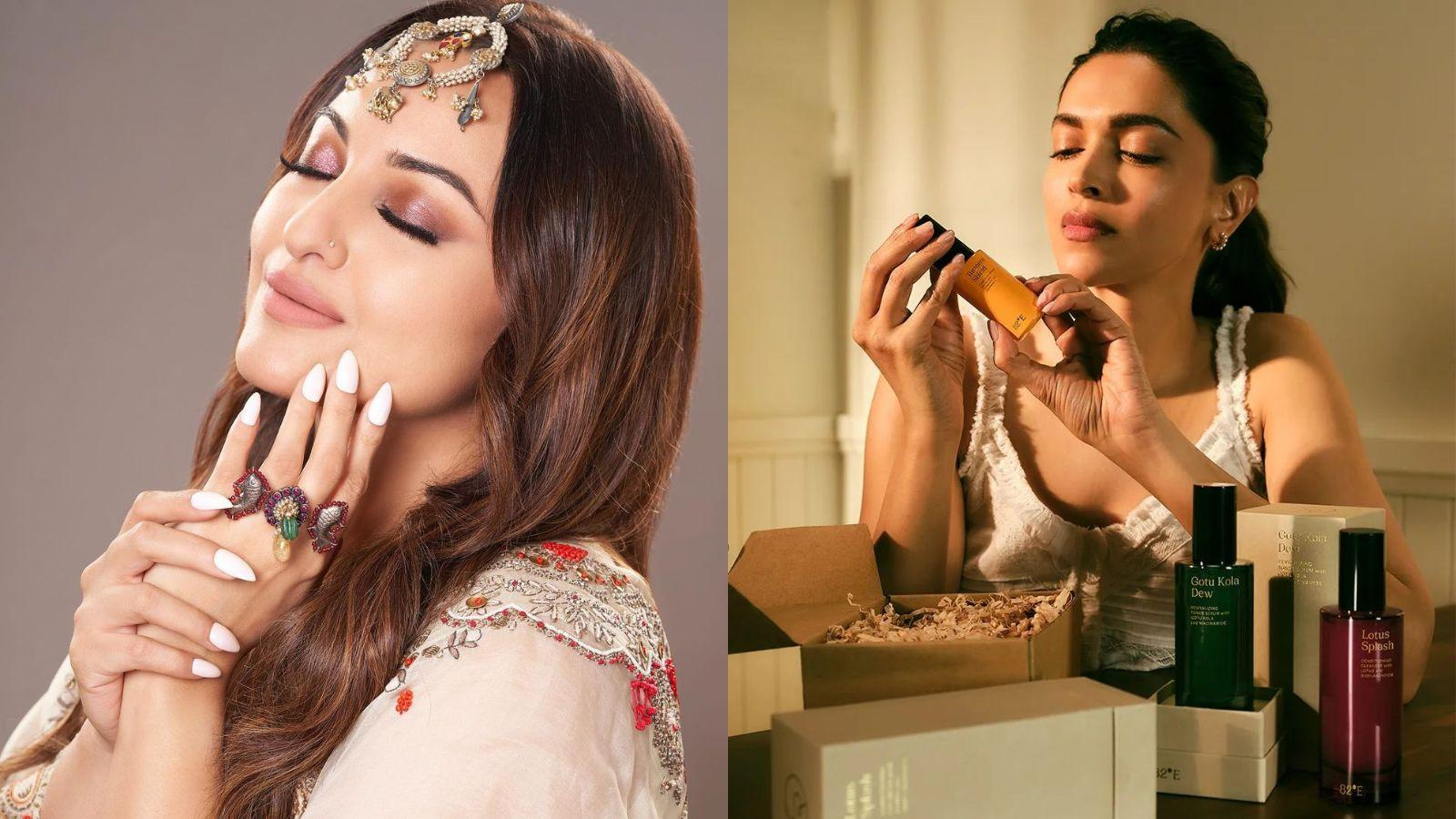
  1. All About You by Deepika Padukone: A collection that presents soft, feminine daywear and an extension of Deepika’s fashion. Versatility and comfort are the brand’s concerns, and hence can be draped by the modern woman, who performs various jobs. Being a contributor to the process of bringing about the designs, the brand also reflects her taste.

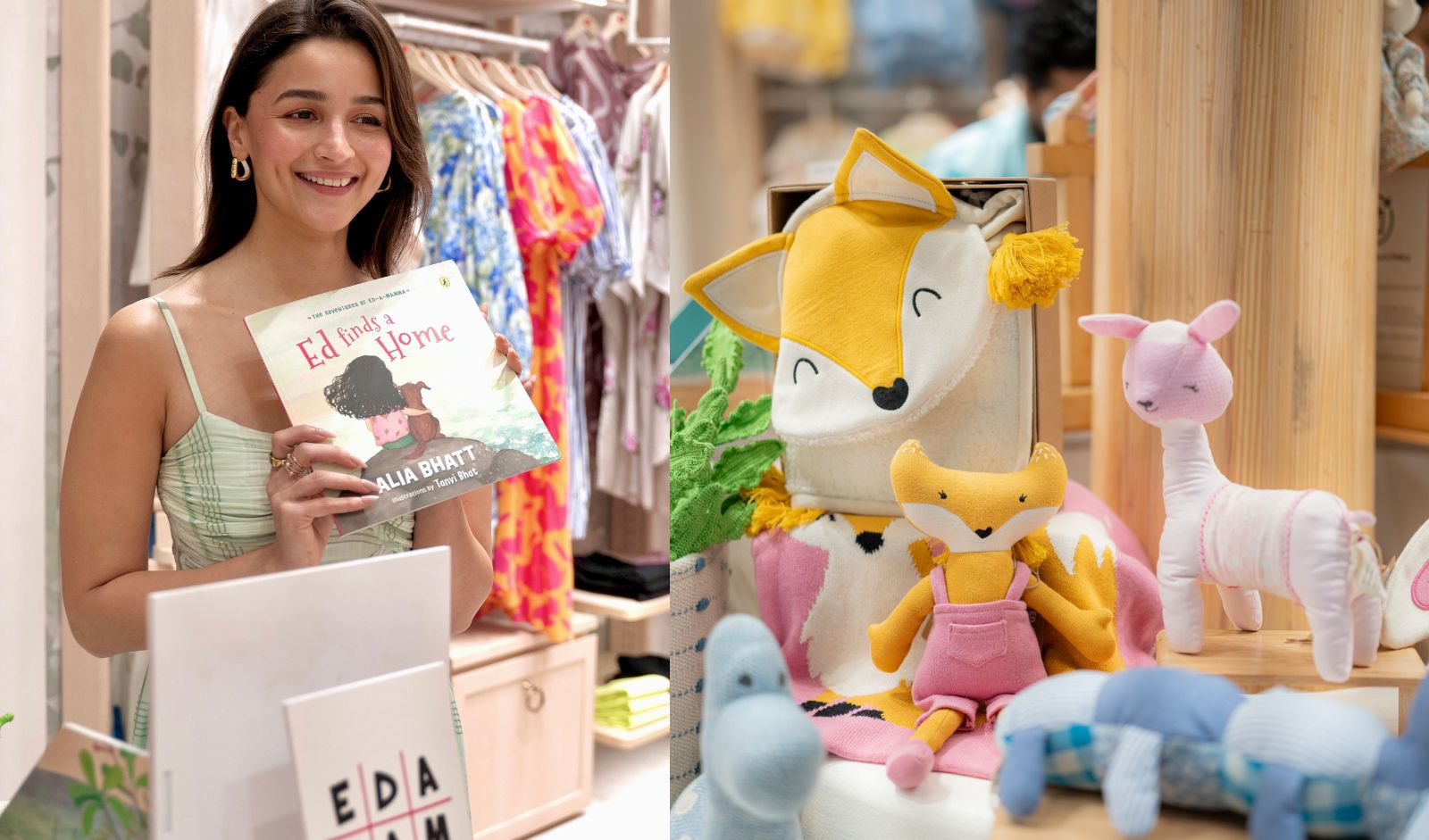
  1. Alia Bhatt’s Ed-a-Mamma: A children-wear brand that is a specialist in value-for-money, eco-friendly kidswear. It aims to make fashion more ethical and sustainable. The brand also attracts young mothers by providing them with parenting advice along with experiences with its products.

As Alia herself mentioned in her interview:
It’s not about the money. Money doesn’t attract me to any brand to invest in, promote, or produce. It’s the story; I’m a storyteller first. It’s always the story.

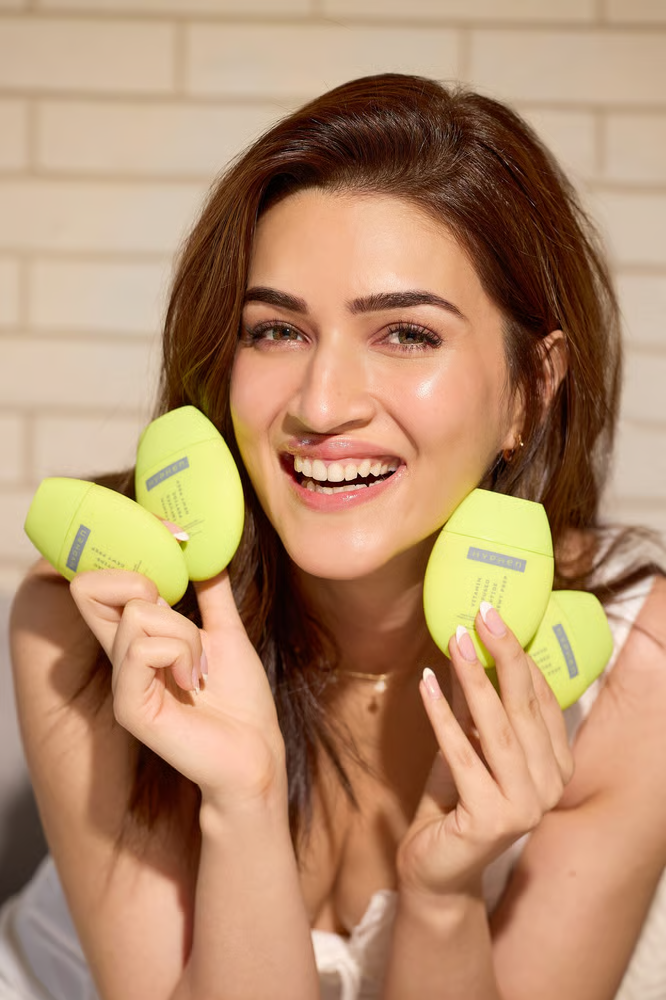
  1. Hyphen by Kriti Sanon: A Minimal skincare brand that leverages Kriti’s personal history of having healthy skin. The brand is centered around minimal and easy ingredients and routines, not to keep having exhausting and lengthy skincare routines. Kriti frequently uploads personal skincare routines, which is a credibility boost.

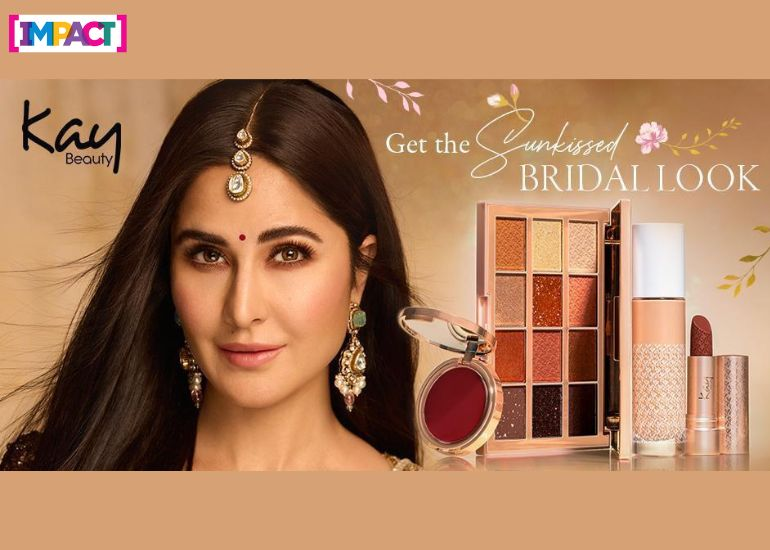
  1. Kay Beauty by Katrina Kaif: Luxury beauty brand that has a broad range of shades and high-performance products, co-founded with Nykaa. Diversity is the zeitgeist, with a grand canvas of skin tones that mass brands tend to ignore. The association with Nykaa adds e-commerce know-how, making the brand economically scalable.

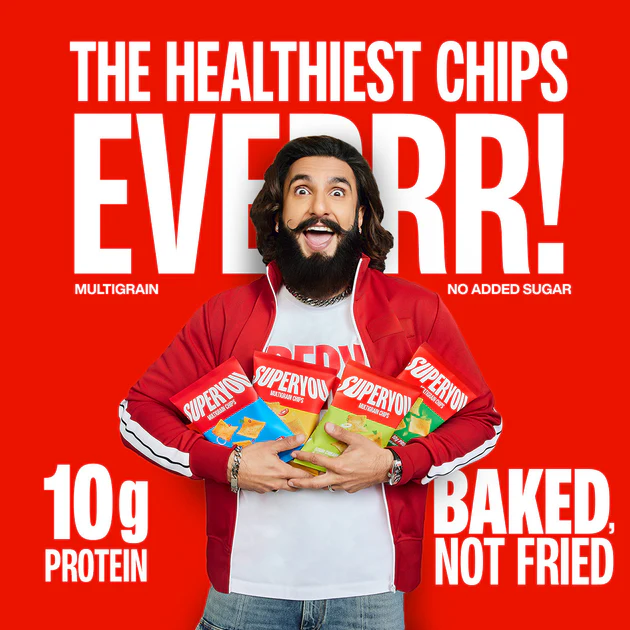
  1. SuperYou by Ranvir Singh: When they joined forces, Bollywood giant Ranveer Singh and FMCG sector veteran Nikunj Biyani had no other plan than to sign another celebrity endorsement deal. They wanted to cure our gigantic protein deficit, which is a silent nutritional tragedy in India.

Some of the ways that SuperYou is shaking up the nutrition industry are as follows:

  1. Filling in the Gap: Not much is known about the lack of daily protein intake among most Indians.
  2. Fascinating Products: They substituted gym powders with protein wafers, which are chocolatey, tasty, and healthy, beginning in a fun, not dull way.
  3. Sudden Growth: The company had a customer base of more than 5 lakh within several months, and Blinkit and other quick-commerce apps contributed to 70% of its online transactions.
  4. Bolstering the Menu: Chips, biscuits, and breakfast foods with high protein are being introduced onto the menu.
  5. Supported by Big Brands: With support from established companies and Rainmatter Capital, they have credibility and scope.

Celebrity with a cause, Ranveer Singh, feels the brand represents his vision as a fitness aficionado forever.

As expressed by Ranveer himself:
Everybody requires protein, in my view. Due to our hectic lifestyles, we can never have enough of it. I wanted to design something easy, cheap, and functional for Indian customers due to this.

Therefore,
Will digitally native health businesses one day reign supreme in India’s FMCG space?

What This Means for Us

We’re developing as consumers ourselves. We don’t purchase merely products. We purchase values, stories, and experiences. When an influencer endorses a brand that they care about, it transcends glamour. It builds community.

  1. Emotional shopping: We ought to shop with brands that reflect our values and ethics.
  2. Greater transparency: By enabling customers to view the actual work that goes into their products, celebrity brands are being more authentic.
  3. More options: The celebrity brands just continue to fill up market niches with original concepts and products with genuine human lives behind them.
  4. Empowerment: People become empowered to make the right choice because they are confident their purchase is heading in the right direction.

Such logic is the driving force behind this new phenomenon.
So the next time you notice a new celebrity brand popping up on your timeline, take a moment and ask yourself:

Is this just a side hustle, or is there an interesting story worth digging into?
Most of the time, the story is real and just beginning.

What will drive whether India’s celebrity brands can expand beyond fan-based sales?

image

Mental Health

Feeling Off Lately? These Indian Startups Are Here to Help You Breathe Easy Again

Where empathy meets technology

Introduction

Imagine this :
It is 2 a.m., and you are lying in bed, gazing up at the ceiling as your mind lingers in an apocalypse. You just can’t break out of it. You wish to speak with someone, anyone but your parents, your friends, and for sure that one co-worker who tells you to “cheer up” like it was an Enchanted spell.

You Google : “Free Therapy India.”

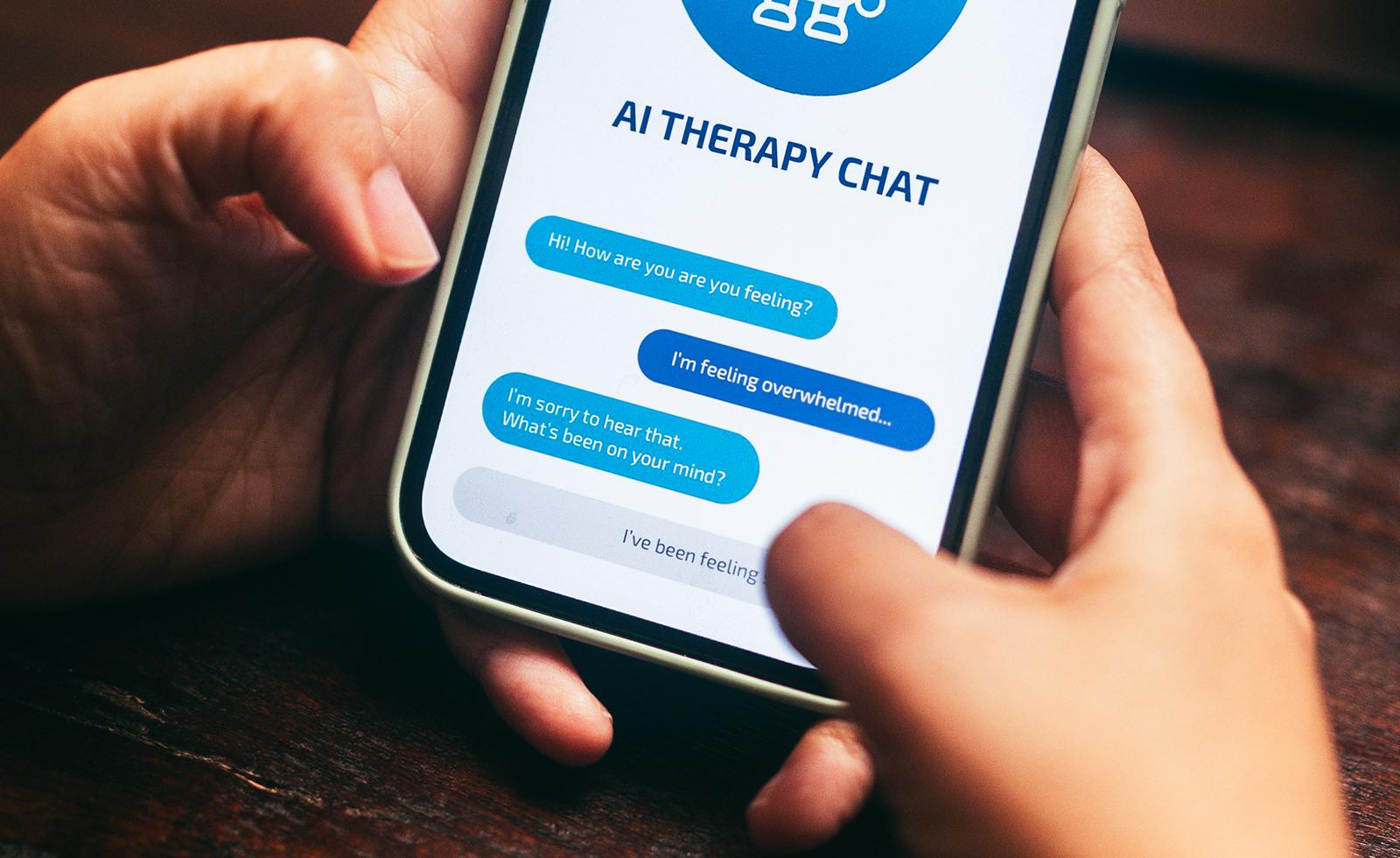
And there you have it, something happens. Soothing, AI-facilitated chatbot that greets, “Hey, I’m here to chat.”

Hello world of mental health.


And it’s being revolutionized by entrepreneurs all across India, some even women-founded, making therapy more accessible, anonymously and at reduced prices than ever before.

Let’s go on a tour of some of the most powerful mental health platforms in the nation today.

What You’ll Learn from This Blog

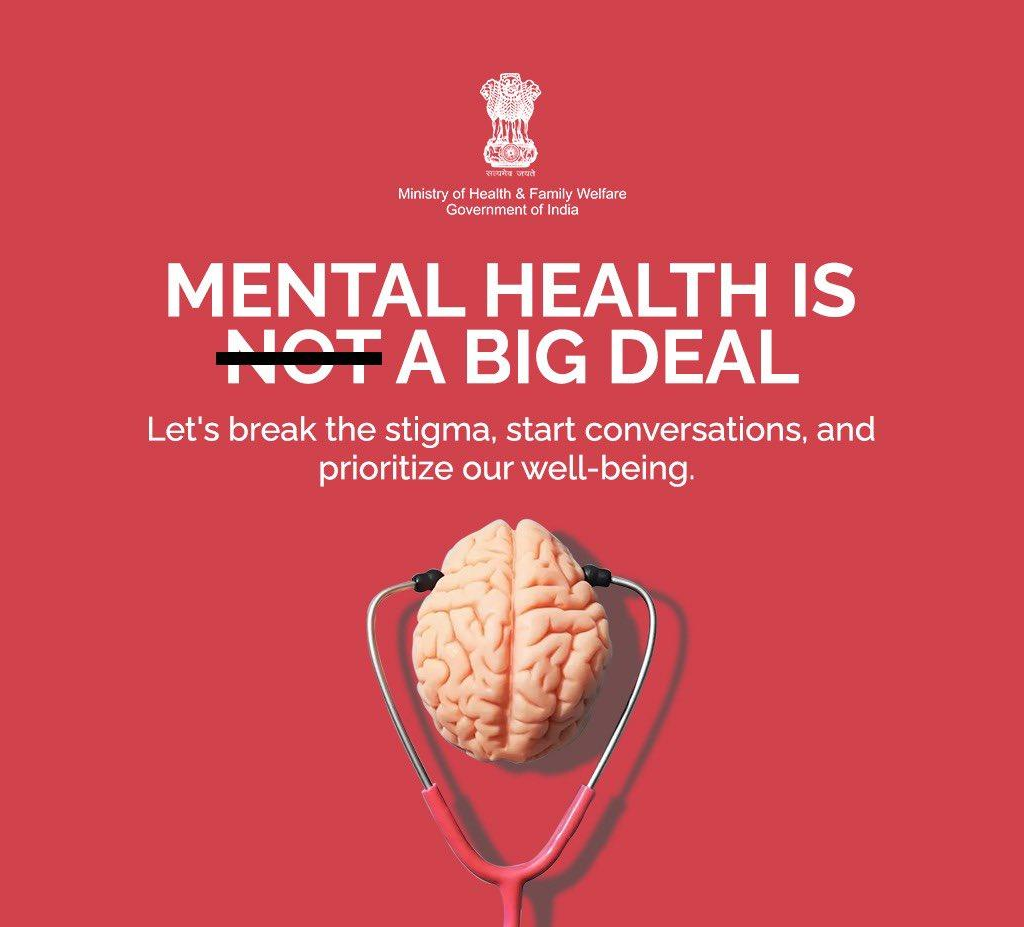
  1. Why mental health is an issue of daily life, not crisis
  2. The financial cost of un-treated mental illness in India—and how startups are bridging the gap
  3. How Indian mental wellness apps Wysa, Innerhour, and Trijog are making therapy accessible, within reach, and within range, and inside the stigma
  4. True-life accounts of the way in which technology is changing lives, for example, those of new mums, to manage stress, anxiety, and burnout
  5. Why early treatment for mental illness is necessary and how small, incremental steps can avoid major problems
  6. The ways in which human empathy and AI-supported therapy can be combined to provide safe, personalized mental well-being solutions

If you believe that therapy is only for “serious” issues, this blog may just surprise you. Are you ready?

The Ordinary Course of Mental Health

Think of therapy as chai breaks for your mind.

Mental health isn’t just for crisis, it’s the everyday life. Whether struggling with work stress or a change in a relationship or habit, our emotional well-being is constantly being rewoven. 

And yet, all too frequently, individuals disregard the subtle warning signs until they are gigantic.

Knowing that mind health is just as ordinary as body health enables one to

  1. access help earlier
  2. accept their experience
  3. build a positive relationship with their inner life

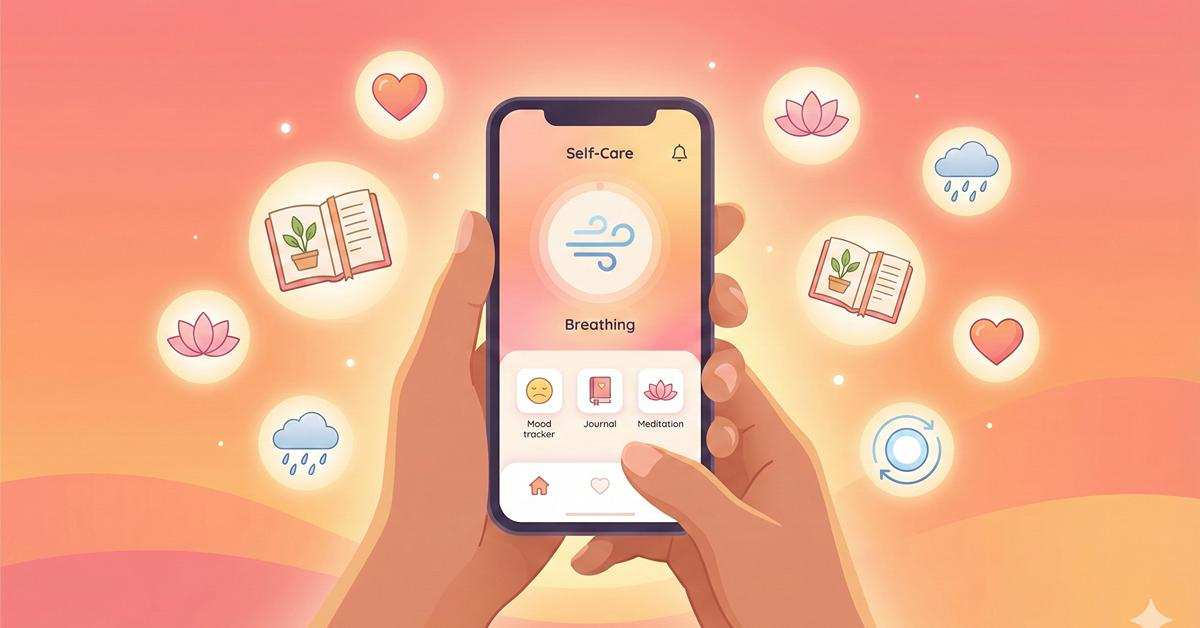
Tools such as Wysa and others greatly help in offering simple, stigma-free assistance for everyday problems.

If flossing your teeth is not negotiable, why not cleaning your thoughts as well?

Why Mental Health Matters (And Why India Can’t Afford To Ignore It Any Longer)

Imagine your brain as Wi-Fi : if it’s not working, nothing else does either.

Mental well-being is not merely the way you approach depression and anxiety. It is the foundation on which you work, think, and behave. But in India, the issue has been pushed under the rug for far too long.

India, the WHO estimates, lost more than USD 1.03 trillion between 2012 and 2030 due to mental illness. Suicide rate? 12 to 21 per 100,000 individuals. That is not a number, it is millions of silent lives.

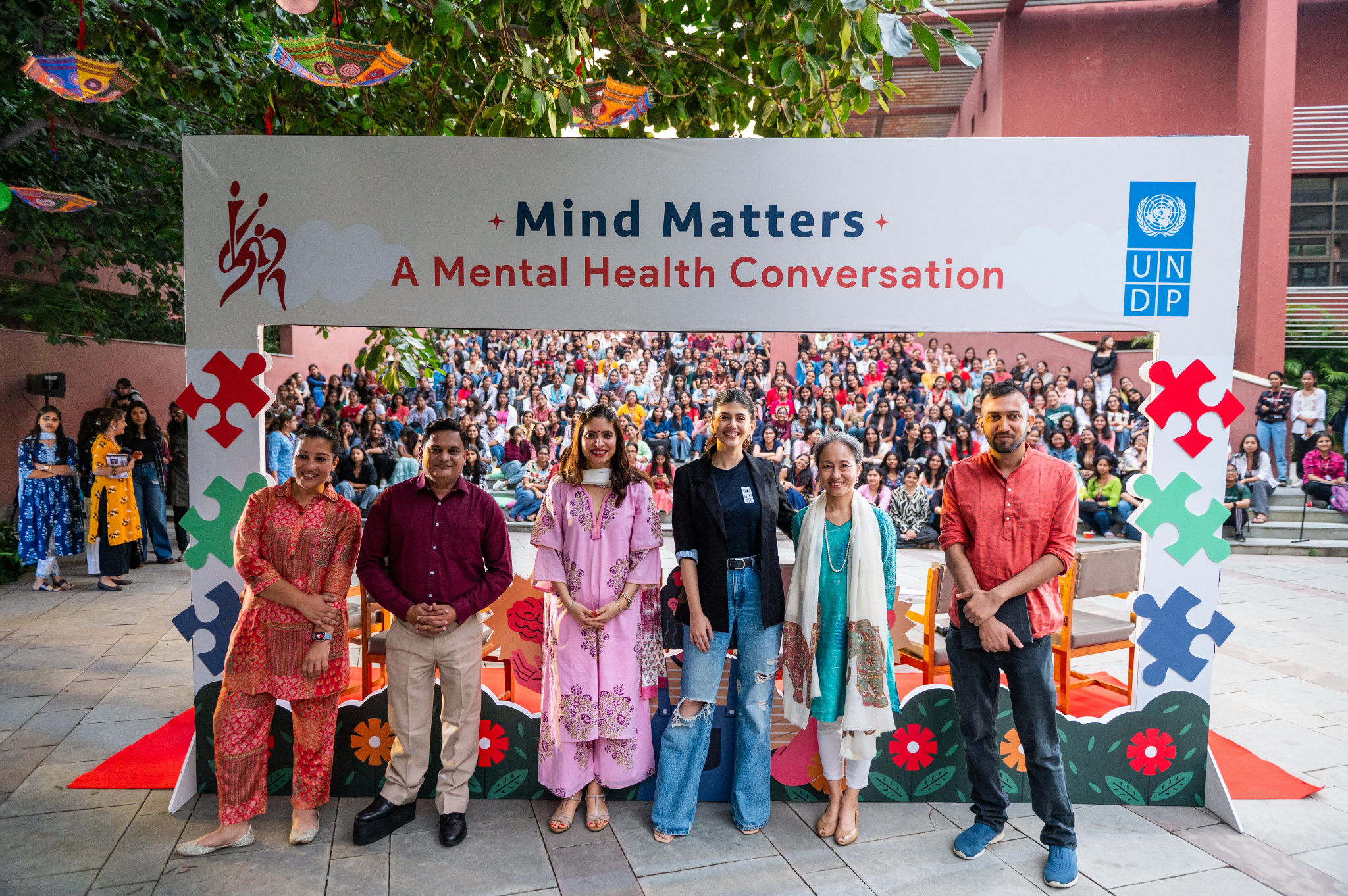
All hope is now in sight and it is arriving in the form of initiatives such as the Mental Healthcare Act of 2017 and innovation through technology by entrepreneurs in India.

If we cost a trillion dollars by ignoring mental health, what do you imagine cultivating it might build?

Wysa : The Listening AI Buddy

Hello Siri’s laid-back cousin, except she actually listens.

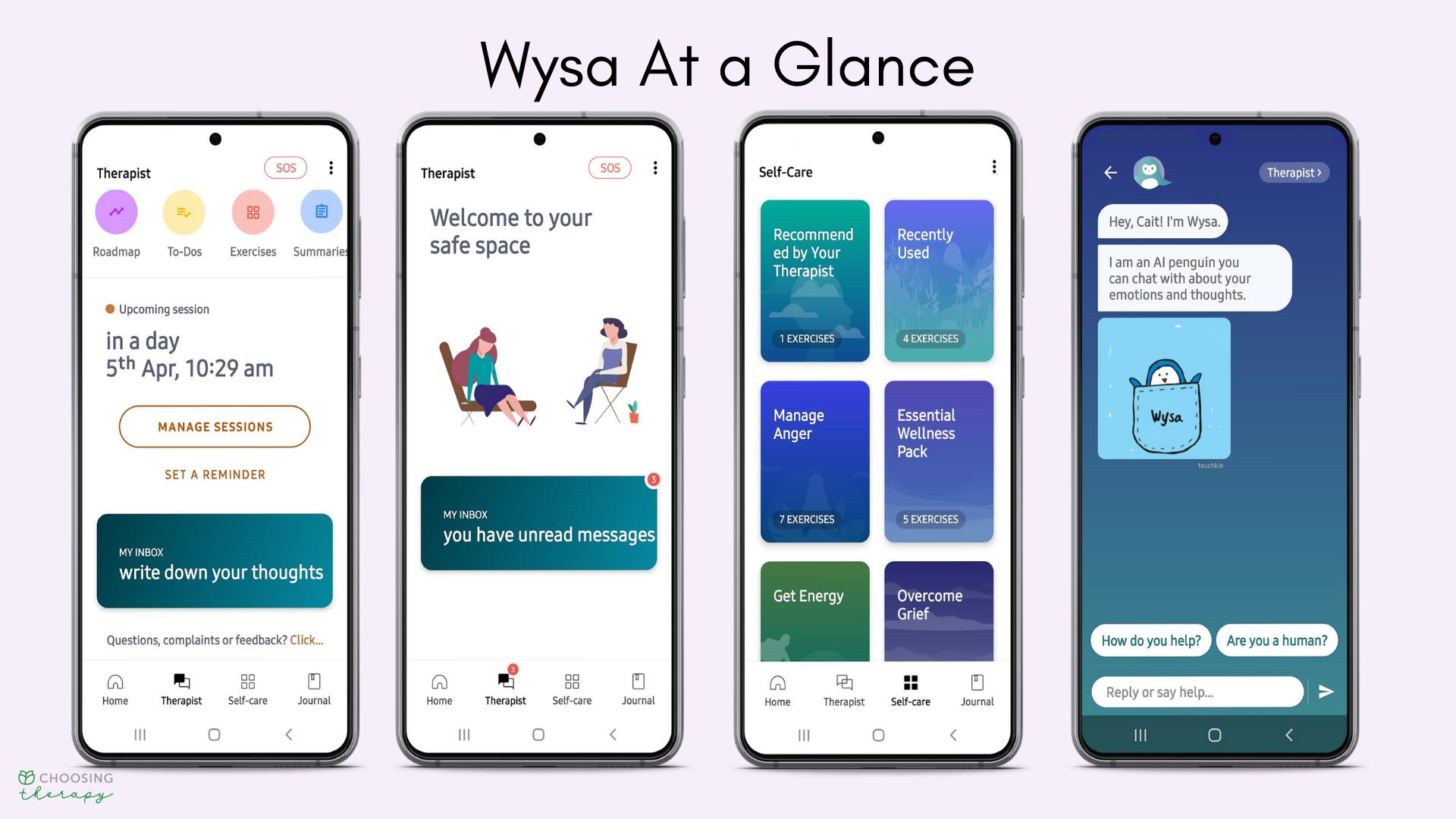
Began life with a dream of making mental health as simple as talking to Siri; Wysa was designed after the entrepreneur struggled with depression. Wysa is now a chatbot friend to whom more than 6 million individuals across the globe go when they need someone who won’t judge them.

So, what is it? It’s an artificial intelligence wrapped in live human counsellors, with unlimited chat support and virtual sessions, at a minimum of INR 1,900 a month. That’s therapy minus the intimidating clinic visits.

Do try : You require an anonymous, judgment-free space anywhere, at any time.

Think about this : if venting to your phone could be less expensive than having pizza delivered, wouldn’t you give it a shot?

How Wysa Helped a New Mother Cope

Babies don’t have manuals, but thank God apps do.

A new mother who was dealing with postpartum anxiety and sleep deprivation found relief in the 24/7 support of Wysa. As nobody was present to talk to her, she approached the AI chatbot option of the app as a judgement-free zone where she could talk. 

The daily check-ins, groundings, and journaling she was doing walked her through her feelings, and inexpensive virtual therapy gave her expert guidance that she required. She was more confident, more at peace, and more capable of being there for her baby and herself, long term.

If AI can assist new mothers with sleep better, what’s preventing it from becoming your midnight companion as well? 

Are there benefits to cheaper healthcare being more accessible to everyone?

Innerhour : Your Daily Dose of Emotional Fitness

Your brain requires push-ups too and no gym membership is needed.

Did you ever imagine a daily to-do list that would brighten your smile? 

Innerhour gets you. 

Think of it as an emotional gym, with self-help agendas under the direction of experts, a daily dose of emotional homework, a journaling ledger to measure advancement, and even a chatbot friend like Allie who’s there to help when things get challenging.

Created by technology experts and psychologists, this app is perfect for those who are 

  1. anxious
  2. overworked
  3. stressed about life

Do if : You enjoy routine and want to savor bite-sized, guided brain exercises.

If Netflix can nudge you to continue watching, should Innerhour nudge you to continue smiling?

Trijog : Healing in Hybrid Mode

Mother-daughter duo showing therapy can be a family affair.

Anureet and Arushi Sethi’s mother-daughter team created Trijog. 

The  platform combines :

  1. offline studio therapy 
  2. online intervention

With 20+ therapists on board, it targets individuals, corporates, and institutions alike, thus becoming one of India’s better-integrated mental health startups.

They developed affordable solutions for COVID to help Indians deal with the shared trauma and still organize virtual webinars and workshops.

Try it if : You enjoy customized care that fits your schedule.

If therapy were as flexible as your Zoom calls, would you actually make that appointment?

So, What’s the Big Picture?

These Indian mental health startups aren’t filling a gap. They’re writing a new script.

They are changing the definition of mental health by helping out :

  1. college students
  2. out harried mothers
  3. sleepless business executives
  4. all mourning teenagers

Assistance isn’t out there, it’s out here, within reach, within price, and sometimes even anonymous.

What is a long taboo now tastes like nourishment? And it’s long over-due.

If asking for help becomes the norm, how long before it becomes as carefree as ordering chai?

Why Early Support Matters

Don’t wait for the fire, repair the smoke alarm first.

Early intervention turns individuals reaching out for mental health assistance in crisis mode only. If people are given useful resources in the initial stages of anxiety, stress, or depression, they will likely ride it out.

 Acting early before the burden on the emotions is too much is what prevents more serious mental conditions from arising.

Wysa and others provide :

  1. organized therapy
  2. evidence-based therapy
  3. small, useful adjustments 

Early help isn’t a sticking plaster, it creates long-term emotional resilience.

If you could halt a storm with an umbrella, would you actually wait for a flood?

What If Getting Help Was Just a Click Away?

Plot twist : It already is.

Mental illness exists. It is not a fad. But thanks to Innerhour and Wysa, there is no longer any need for therapy to be pricey, intimidating, or something you put off until you reach rock bottom.

Imagine if keeping your mind healthy were as simple as swiping on Instagram, would you swipe more?

So the next time your brain enters browser mode with 100 tabs open, recall. There is likely an app (and an individual) out there who’d be happy to assist you in closing them down individually.

Your health is important. 

Your record is important. And yes, you’re important.

If your brain did come with a “close all tabs” button, would you hit it today?

How might mental health startups balance technology-driven solutions with the human empathy that mental well-being requires?

Let us know your thoughts in the comments below!