image

Frozen Foods

Frozen Food is Selling Like Hot Cakes and Here’s Why

Convenience, quality, and the new comfort economy
Introduction

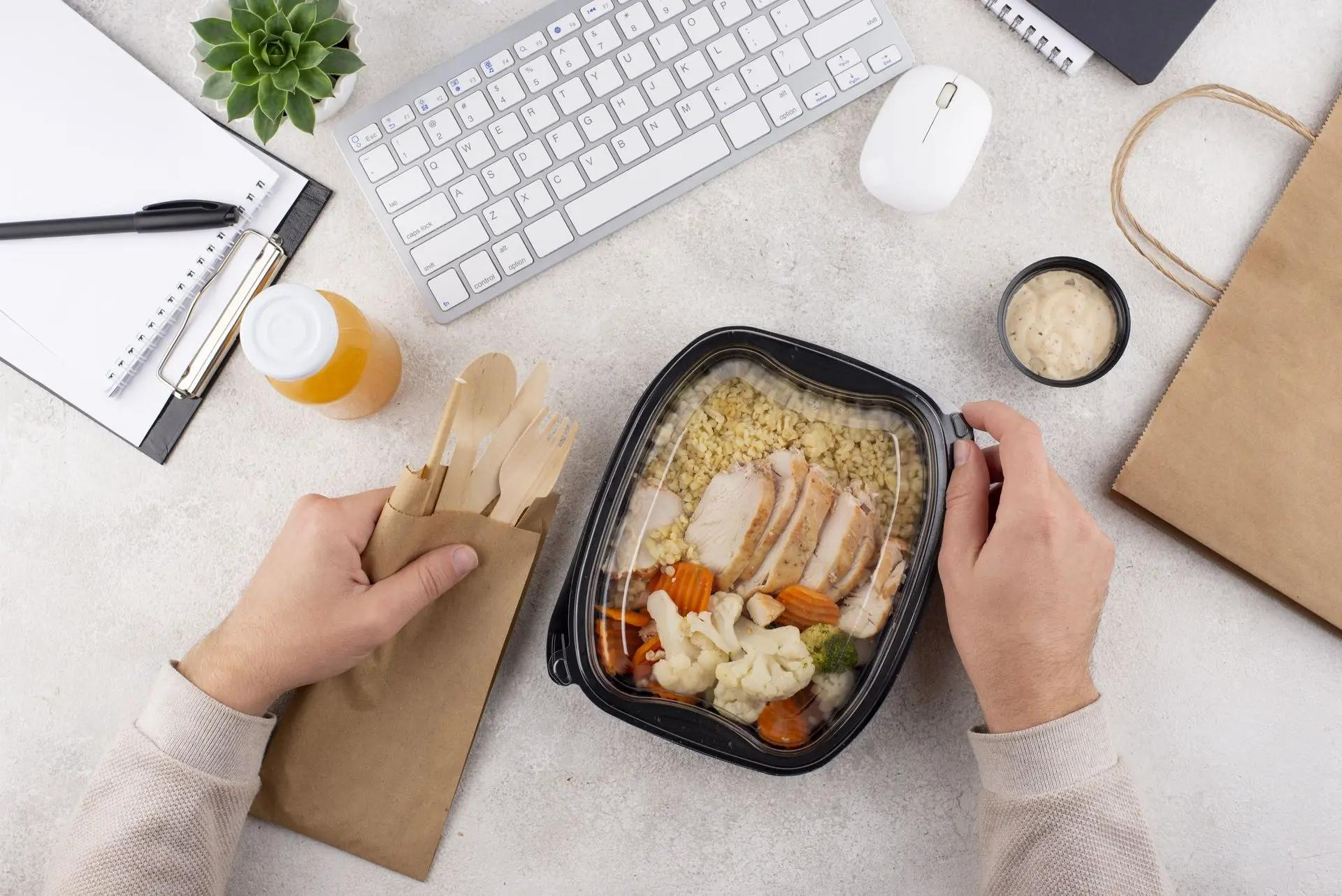
It’s 8:37. You made it through a tough day of meetings and deadlines, and you got through the gridlock in Bengaluru. You don’t want to cook because you’re too sleepy, and you don’t want to eat bad takeout because you care too much about your health.

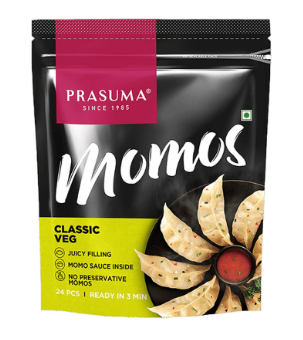
It looks like a frozen tundra in your fridge with no food in it. But then you remember to look in the freezer. There it is. A box of Momos from Prasuma. It only needs five minutes in the microwave. As the steam rose, the smell got stronger. It’s time to eat. No job? No giving up on pricey comfort food.

Welcome to the new India! India is learning to pause and not skip over quality.

From the time of the Ice Age to the Hall of Fame

Who would have thought that the freezer would be the warmest part of the kitchen?

A lot of Indians used to assume that frozen food was the lazy relative of fresh food. It was insipid, made in a machine, and not very tasty. But that picture has been increasingly less clear over the past ten years.

The story has altered because of how people live today after the epidemic, how cities are increasing, how people’s discretionary income is rising, and how young people want things to be easy.

According to IMARC, the frozen food industry in India was valued ₹191 billion in 2024 and will grow at a rate of 13.4% per year, reaching over ₹593 billion by 2033.

It used to be a nice perk for single people and tourists, but now it’s a must-have for students, families, and even foodies.

So, here’s a fun question: Is “fresh” secretly afraid of being ghosted if frozen food just acquired a new look?

Prasuma: A Family Recipe That Changed
Momos are now more popular than quick noodles.

We need to discuss about what Lisa Suwal said regarding Prasuma Momos. Lisa Suwal was up in Darjeeling, where momos were a vital part of her family life and her social life. She decided to send India’s family recipe by freezing it.

Lisa’s trip wasn’t about selling food; it was about selling memories. She kneaded the dough 3,000 times and used fresh fillings from farms nearby. She put them in the freezer right away so they would taste excellent.

In just two years, Prasuma grew from one store to 2,500 storefronts in 70 different places. They want to open 25,000 stores in 200 different cities.

She didn’t look at the market maps. She used the “momo” method, which meant that customers could always see the brand when they asked where it was.

Isn’t it strange that a snack that people used to eat on a dewy hillside is now a favorite in Bengaluru apartments? Could frozen food be the next cuisine that people in Indian cities turn to for comfort?

People Who Work Behind the Door of the Freezer
Your kebabs, fries, and momos all come from superheroes, which is a twist.

But Prasuma isn’t the only one. India’s frozen food sector is very competitive right now. Both new and old businesses are doing well:

  1. McCain Foods: People in India recognize them for their burgers, cheese poppers, and French fries. In the fiscal year 2024, McCain Foods India Private Limited made ₹1,240 crore.
  2. Tyson Foods (Yummiez): Ready-to-eat Godrej kebabs, nuggets, and meats. They really do work “from egg to edge.”
  3. ITC Head Chef: Fancy chefs make shrimp, biryani, and vegetable fingers.
  4. Sumeru (Innovative Foods): Fusion frozen meals like lasagna and fish fingers.
  5. Wow! Momo: “Made for Home” is the tagline for this business that sells both quick-service and FMCG.
  6. Haldiram: In certain places, sales of frozen samosas went up over 400%. The bundle now includes pakoras, aloo tikkis, and parathas.

Isn’t it funny how our freezers seem like a UN food summit? Who will take over your freezer next?

Making Smart Choices When Your Tastes Change
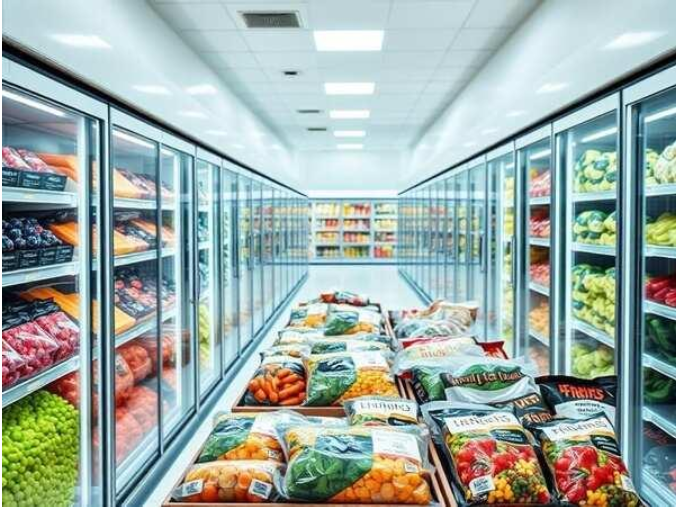
Frozen food isn’t the bad twin of junk food; it’s the finest way to get a glow-up.

It’s not only easy to buy frozen dinners these days; it’s also a choice and something to think about.

Businesses are changing to keep up with India’s changing tastes. These include meals that are exceptionally healthful, meals that don’t have many preservatives, and dishes that taste Indian yet come from different cultures.

Examples:

  1. McCain India is using eco-friendly farming methods and cutting back on salt by 15%.
  2. Prasuma owns 90% of the cold chain.
  3. Mother Dairy and Amul now have snacks, pizzas, and parathas.
  4. Haldiram’s sells boxes of full North Indian meals.

So, here’s the question for foodies: Is your fridge out of date if your paratha is frozen yet newer than the one you made last week?

The Frozen Future Starts with Tiers II and III and Goes Up

Your nearest kirana shop may soon carry more momos than Maggi.

What is the most shocking thing that has happened? Changes are happening everywhere, not just in cities. People in Tier II and III towns want more as cold chain logistics get better and people’s expectations rise.

Companies like McCain and Prasuma are trying hard to get into these communities by making deliveries, setting up cloud kitchens, and forming relationships with stores. Even tiny stores in the area have warehouses now.

It’s time to ask questions: If frozen food is already taking over Tier II and III cities, will it take over sabziwalas next?
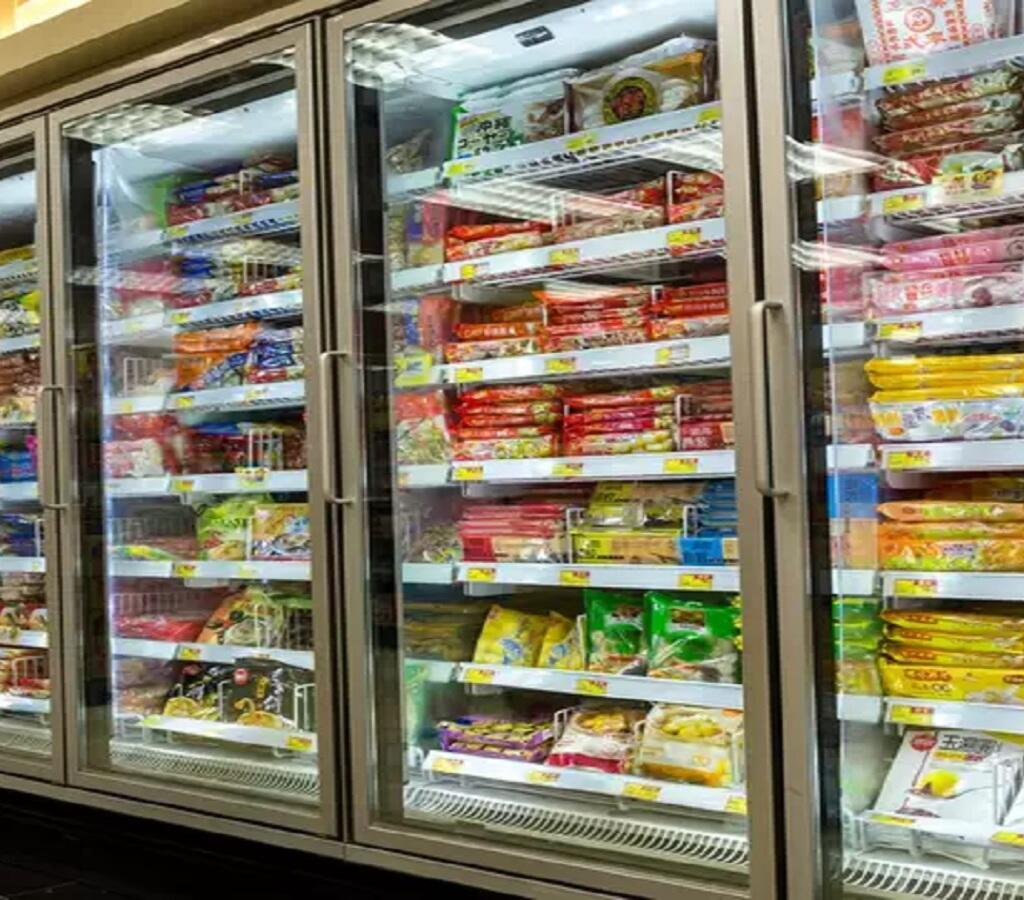
What is causing the Boom?

There are many things that are making the frozen food sector in India grow. It’s not just about how easy it is; it’s also about trust, culture, and technology.

  1. Changes in how you live: living in a city, working two jobs, and being busy.
  2. Health-sensitive decisions: demand for simpler labels and fewer preservatives.

Here’s the catch: Is frozen food suddenly the best thing to eat at your table? It’s quick, attractive, and doesn’t make you feel bad.

New Product Horizons: More than Nuggets
Frozen lasagna replaced frozen nuggets.

In India, the frozen food aisle is shifting from merely fries and nuggets to a menu of tasty foods from all over the world.

  1. Sumeru’s lasagna and tiramisu
  2. Haldiram’s dal-chawal sets
  3. Godrej Tyson’s plant-based options
  4. Wow! Momo’s fillings from Darjeeling

Question: Will frozen food be the Netflix of food? Something for every mood, every binge, and every craving?

The Goldmine for Levels II and III
Large freezers, little towns, and large appetites.

Why they are important:

  1. Increasing hopes and extra money
  2. Better infrastructure and cold chains
  3. Digital expansion is being helped by Swiggy Instamart, Blinkit, and BigBasket

Venky’s, Mother Dairy, and Al Kabeer are all going to smaller towns.

Here’s a strange thought: if frozen meals are the new luxury in small towns, might frozen samosas compete with caviar?

Frozen Food: The New Beauty Industry?
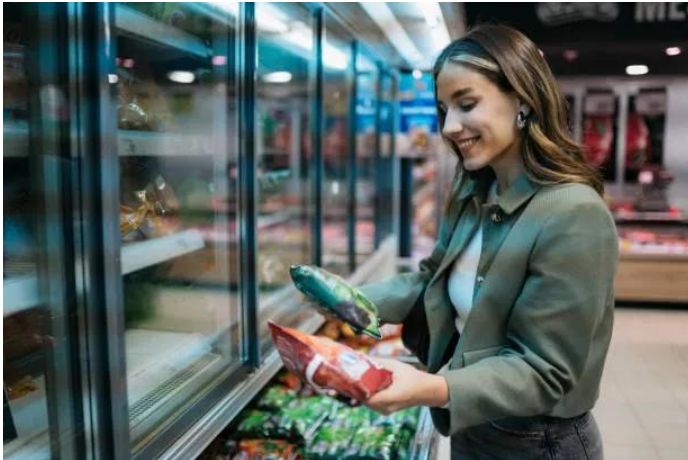

Forget with the face mask; paratha packs are the finest method to get your skin to glow.

This is a strange turn of events: frozen food is now operating like the beauty and cosmetics industry. Like cosmetic firms, frozen food is all about desiring things, living a certain lifestyle, and posting photographs on Instagram.

  1. Perfectly plated frozen momos or pizzas are the new lipsticks and contouring talents.
  2. Influencers now unwrap tiramisu and samosas instead of beauty boxes.
  3. Instagram Reels can make recipes that require frozen food go viral in just a few seconds.

It’s not simply a product anymore; frozen food is now a part of life, like skincare for your stomach.

So, the big issue is: Could frozen food really “influence” its way to becoming India’s most popular business, beating out fashion and beauty?

Battle of the Bites: Snacks vs. Frozen Food
Chips, namkeens, and cookies thought they were the only ones who could fill you up at 5 PM. Welcome to frozen momos!

Crunchy, munchy snacks like potato chips, samosas, and namkeens have been popular in India for a long time. But frozen foods are quietly taking over the scene and stealing the show:

  1. More choices: You have more choices with frozen foods than with a standard bag of chips. You can choose between cheese poppers and parathas with stuff inside.
  2. “Healthier” tags: It sounds like frozen foods are healthier than deep-fried chips because most of them now have labels that state “low oil,” “high protein,” and “no preservatives.”
  3. Higher-end experience: Instead of handing your guests a packet of namkeen, why not serve them kebabs or momos from your freezer like in restaurants?
  4. Impact on social media: A plate of frozen snacks that is boiling hot looks a lot better on Instagram than a handful of namkeen crumbs.

The freezer area isn’t just for dinner anymore; it’s now the location to purchase munchies at night.

What do you look for as a buyer?


“Frozen” doesn’t mean “anything goes.”

Tips:

  1. Look at the FSSAI certificates, the dates by which the food should be eaten, and the storage instructions.
  2. Choose well-known companies that check the quality of their products.
  3. Keep it at -18°C or lower.
  4. Check out what other people have said online.

If you suddenly care as much about buying frozen food as you do about skincare, is your freezer really your new vanity cabinet?

The freezer is becoming a treasure chest for foodies.
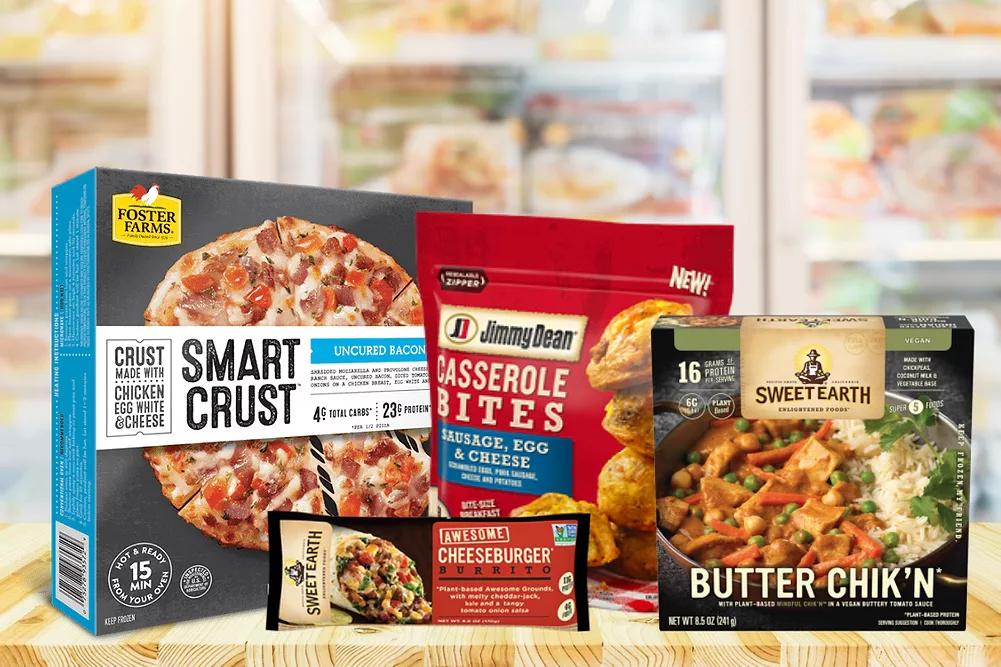

You don’t have to worry about it later; it’s a good idea to freeze food in India. One that combines the old with the new, the simple with the modern, and the old with the new.

If you have a bag of momos, kebabs, or tiramisu in your freezer, you know you’re not cutting corners.

You are now in the new India. Where frozen food is the same as fresh food, and the story behind your food is equally as excellent as how it tastes.

So, foodies, here’s the most crucial thing to ask: If frozen is the new fresh, is your freezer the new temple of flavor?
image

Digital Finance

How has UPI powered the Personal Payment Puzzle for Every Indian? 

The invisible revolution powering everyday payments 

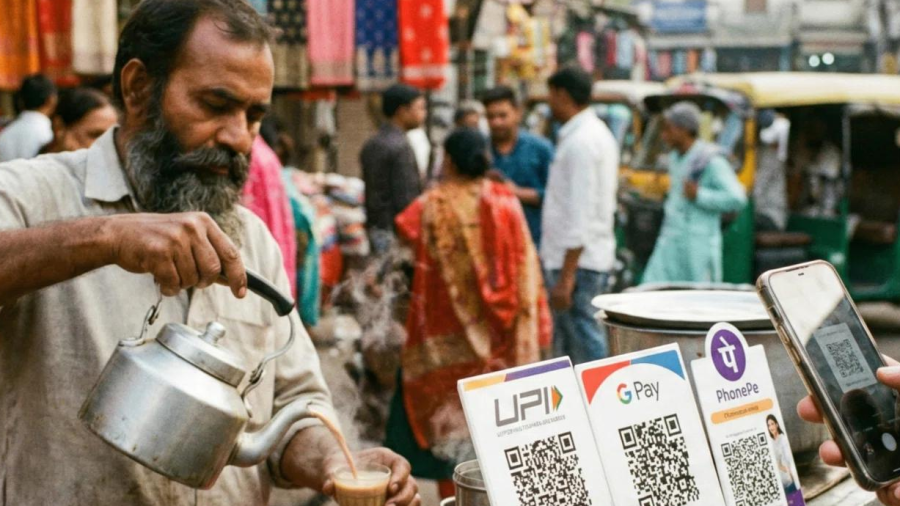
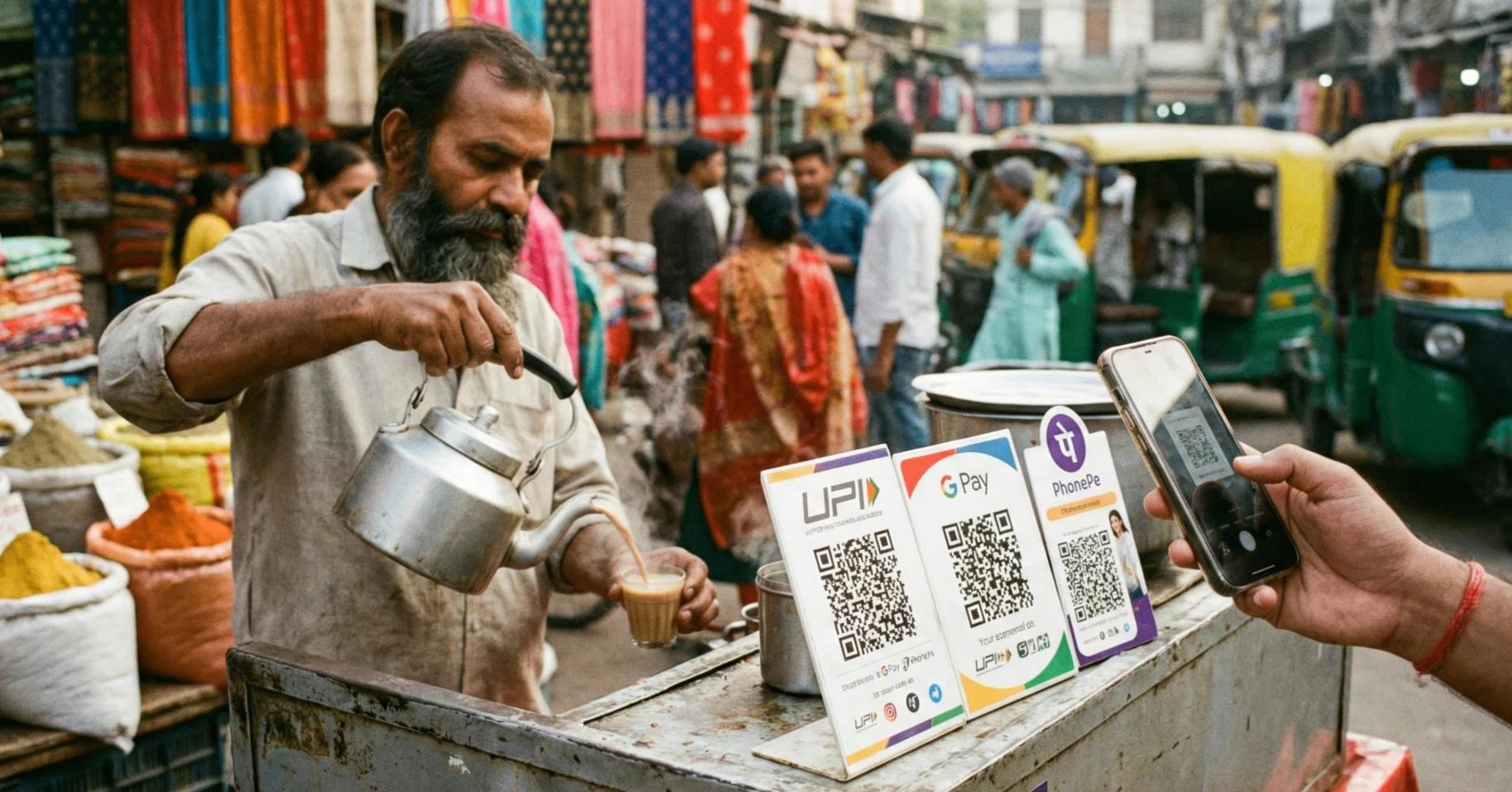
Ten years ago, chai payments were a test of patience.
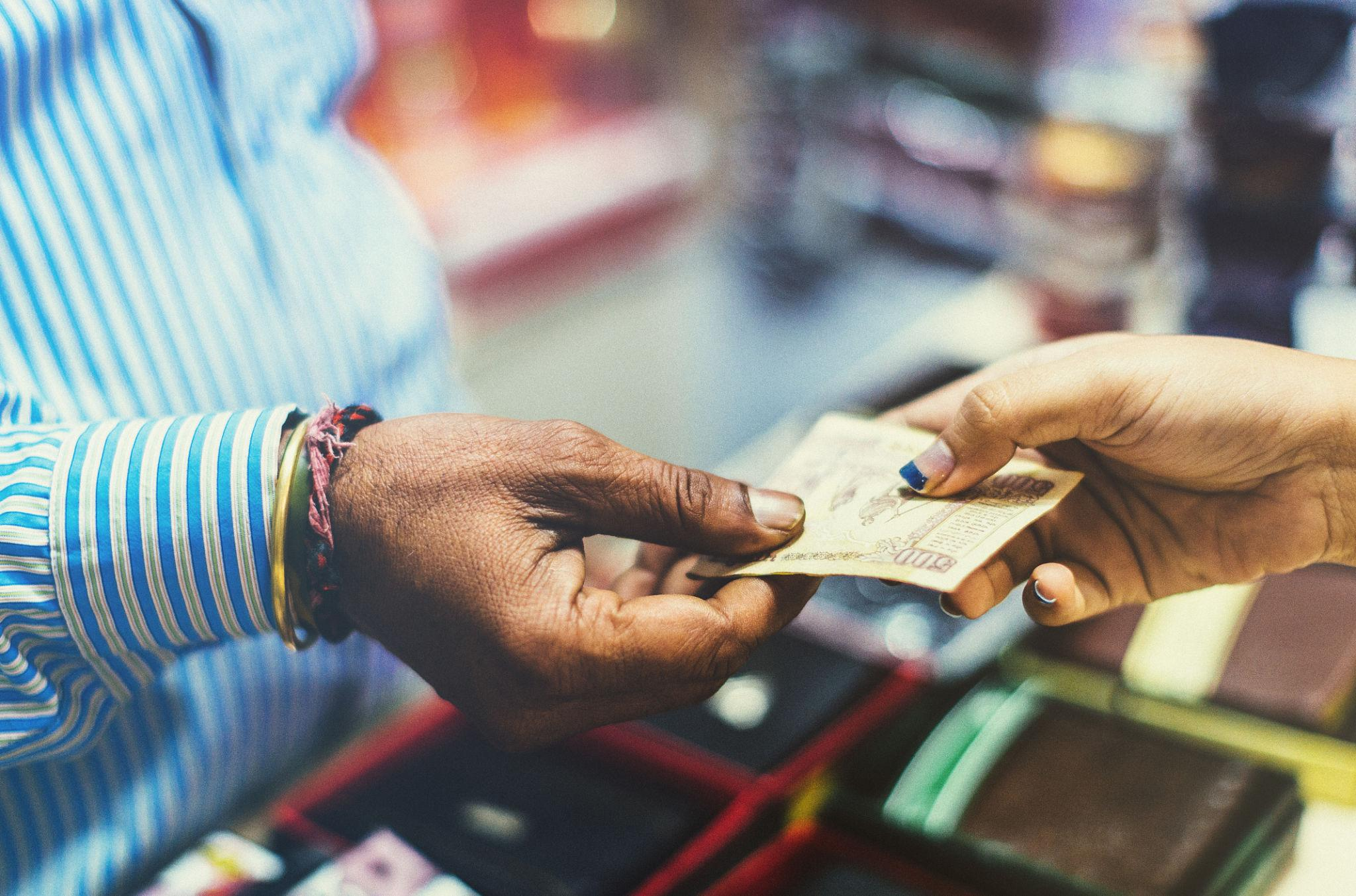
You’d dig for a ten-rupee note, the chaiwallah would hunt for coins, and both of you sighed at the inconvenience.

Fast forward to today:
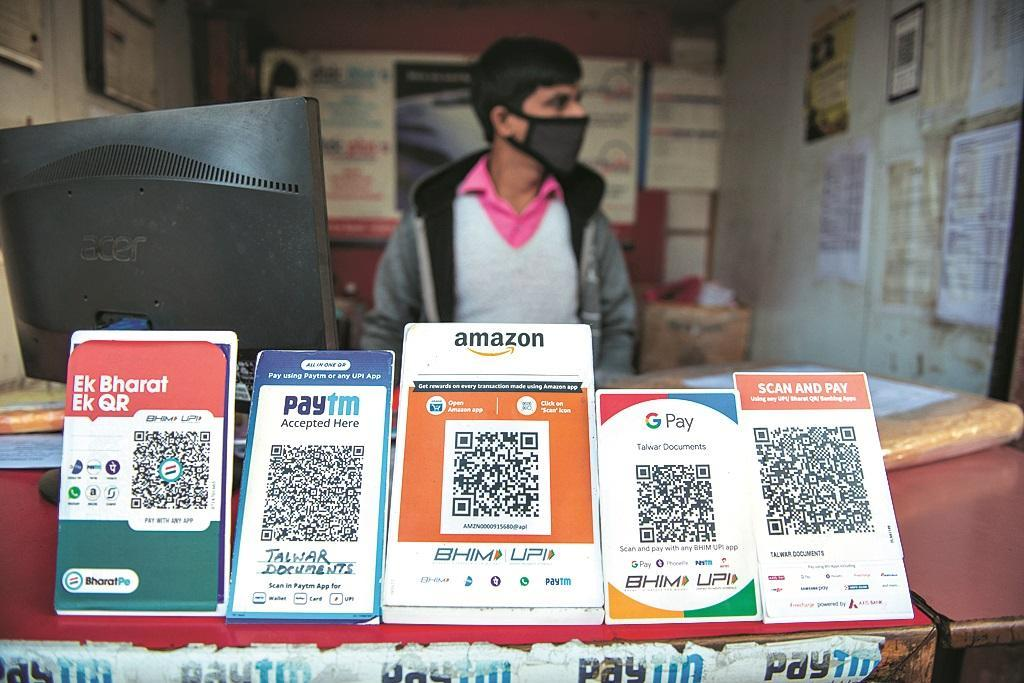
You walk up, see a grimy plastic rod with a QR code, scan, tap, sip, done.

 What feels like a tiny, mundane moment is actually a giant leap: India going cashless, one cutting chai at a time.
We didn’t notice the fireworks because there were none. Instead, this revolution hid in phones in our pockets, QR codes on street corners, and a generation open to change.

So, here’s the kicker, when was the last time you fumbled for change at a chai stall?

From Loose Change to Lightning Payments: India’s Digital Love Story

It didn’t start with a bang. It began with small, invisible shifts:

  1. A student buying coffee.
  2. A trader waving a QR code.
  3. A parent receiving subsidies directly into their phone.

For decades, cash was king. But convenience came with big restraints:

  1. Banking meant long distances.
  2. Off-peak timings killed flexibility.
  3. Endless paperwork drained patience.

Then came the perfect storm of progress:

  1. Cheap mobile phones flooded both rural and urban India.
  2. World’s lowest mobile data prices made internet accessible.
  3. Aadhaar gave citizens a secure digital ID.
  4. Jan Dhan Yojana brought millions into banking.
  5. UPI launched: free, instant, seamless.
  6. Demonetisation (2016) forced millions to try digital payments out of necessity.

 This wasn’t just digitisation. This was speed meeting trust. Money wasn’t just “owned and saved” anymore,  it became handled, tracked, and lightning fast.

The Numbers Don’t Lie: UPI’s Mega Growth

According to RBI’s FY2024–25 Annual Report:

  1. Digital payment volumes grew 34.8%.
  2. UPI alone handled 84% of retail digital payments.
  3. In one year, UPI powered 11,761 crore transactions worth ₹180.24 lakh crore.
  4. That’s a 44.8% increase in value and a 59.2% jump in volume.

Imagine this: In the time you read this paragraph, crores of payments just zipped across India’s UPI rails.
So, is UPI the new ATM in your pocket?

Why Cash Feels Awkward Now: The Gen Z Wallet Makeover

Gen Z doesn’t “carry” money. They live money.
No more purses, no more notes, no more “do you have change?” moments.

Instead:

  1. Canteen bills? Paid.
  2. Event tickets? Scanned.
  3. Dinner splits? Done in two taps.
  4. Even tips? Just swipe and send.

Cash has become the Plan B.

But this shift isn’t only about habits, it’s cultural.
Money is now:

  1. Interactive (with gamification & social payments).
  2. Rewarding (cashbacks, offers, splits).
  3. Relaxed (no awkward “you owe me” convos).

Stats back it up:

  1. Online retail transactions in FY25 grew 34.9% in volume and 16.1% in value.
  2. UPI alone clocked a 41.7% jump in value and 30.3% rise in volume in retail.

So here’s the fun question: When Gen Z says “broke,” do they mean “low balance” or just “no Paytm KYC”?

How India’s Smallest Kirana Stores Went Big on Fintech

Walk into your local kirana today and what do you see?
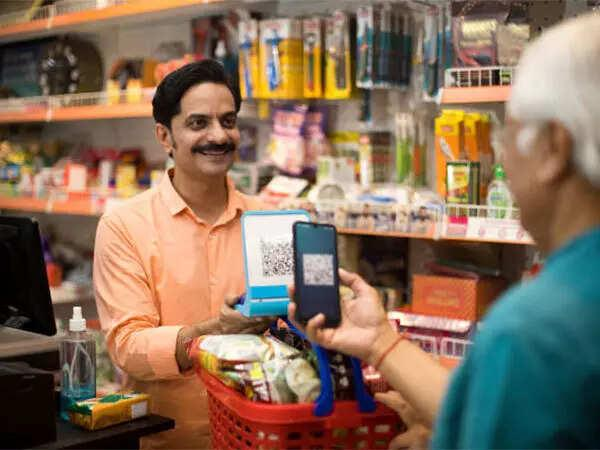
A QR code, proudly pasted next to the counter.

The shopkeeper may not use Gmail or Excel, but he’s a pro at digital payments:

  1. Real-time transactions, every day.
  2. Mobile apps doubling as ledgers.
  3. Credit now possible thanks to transaction histories.

UPI isn’t just replacing cash,  it’s blurring the gap between casual commerce and formal banking.

The numbers tell the grassroots story:

  1. India handles 48.5% of the world’s real-time payments.
  2. 99.9% of retail non-cash transactions are now digital.
  3. Currency-deposit ratio fell from 15.9% to 15.4% in a year, proof even conservative retailers are going digital.

Kirana stores are no longer “small shops.” They’re micro-enterprises with fintech DNA.
But here’s a thought: If your neighbourhood kirana has UPI, is it more “digital” than some government offices?

Meet the Key Players: India’s Digital Payment Heroes

  1. PhonePe: The Small-Town Lifeline
    QR codes everywhere, from paan shops to tailors. For semi-urban India, PhonePe is banking.
  2. Paytm: The Demonetisation Hero
    When cash vanished in 2016, Paytm stepped up. For millions, it was survival, not just convenience.
  3. Google Pay: The Campus Crush
    Light, playful, and loved by students. Scratch cards and cashbacks made UPI cool.
  4. Razorpay: The Startup Whisperer
    Beyond consumers, Razorpay fuels startups,  payrolls, vendor payments, and growth.

Each isn’t just a payment app. They’re architects of a financial revolution.
But here’s the cheeky one: Who’s cooler,  the app you use for chai, or the one you use for salary?

UPI in Rural India: Not Catching Up, Leapfrogging

In India’s hinterland, where banks are scarce and ATMs are miles away, UPI is rewriting life:

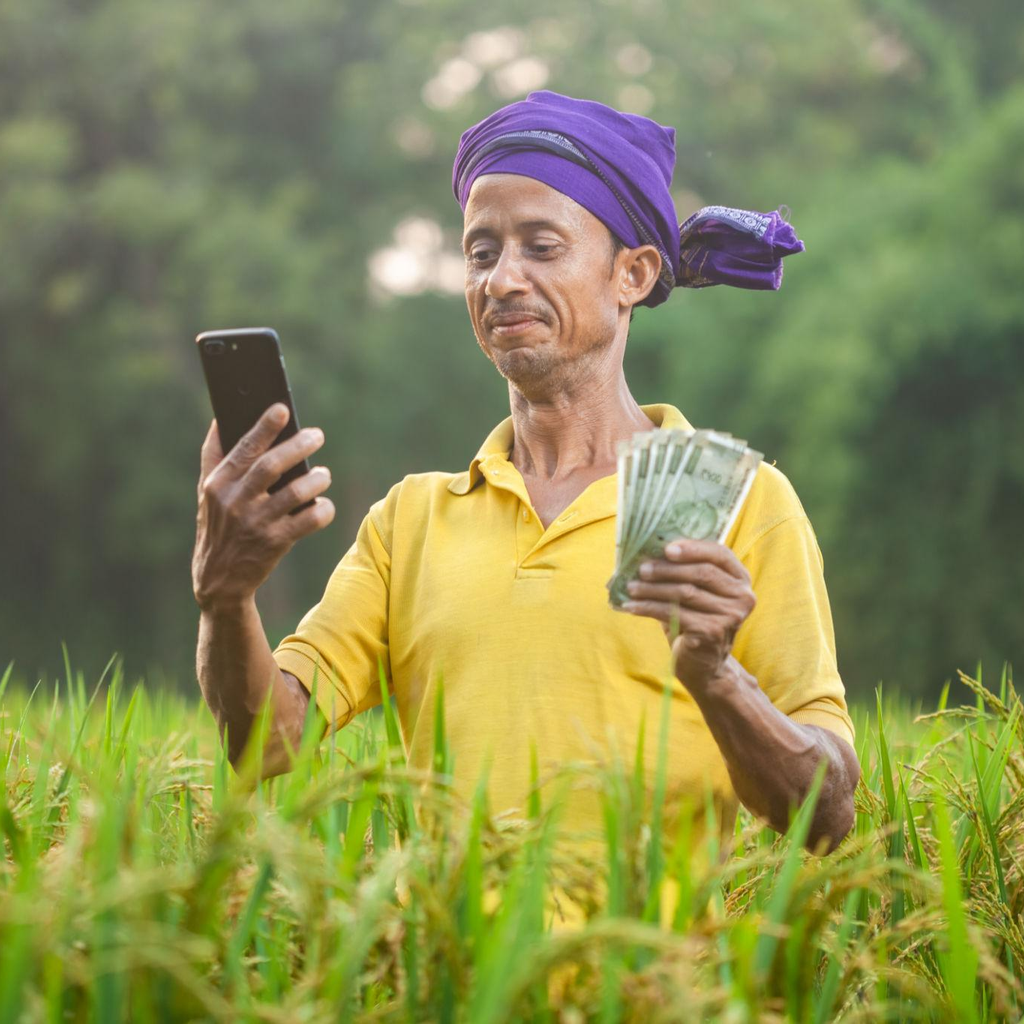
  1. A farmer gets his subsidy instantly,  no middlemen.
  2. A daily-wage worker’s phone pings with his wage,  no waiting in queues.
  3. A vegetable seller builds a digital payment history, tomorrow, that gets her a loan.

Case in point: Akhilesh Sharma, a small-town medical store owner.
Earlier, he juggled loose cash, notebooks, and stress. Today? PhonePe is his new account book:

  1. Every UPI payment is auto-recorded.
  2. End-of-day tallies are instant.
  3. Tax prep? Easier than ever.

This isn’t convenience. This is financial dignity.

 Question worth asking: Did rural India just skip a chapter and leap straight to the fintech future?

When Money Goes Digital: Real Stories, Real Impact

When money becomes pixels, it transforms lives:

  1. A shop owner plans better with daily UPI dashboards.
  2. A student sends money home in seconds , no post office stress.
  3. A mother pays school fees while cooking dinner.
  4. A dressmaker gets a loan, not with collateral, but her payment history.

Digital money = control + confidence + dreams.


So, is money still “just money”,  or is it now a tool for aspiration?

Behind the Scenes: What’s Really Changing?

Fintech isn’t just about payments, it’s power redistribution.

  1. Inclusion: Rural communities now have financial identity.
  2. Transparency: Subsidies reach individuals directly.
  3. Empowerment: Women & workers are financially independent.
  4. Access to Credit: UPI transactions = your financial voice.

Each scan is a silent revolution.
So the question becomes: If every rupee now leaves a trail, is trust itself being redefined?

The Bumps on the Digital Highway

Not everything’s smooth. Challenges remain:

  1. Digital literacy gaps.
  2. Connectivity issues in some regions.
  3. Trust barriers,  many still prefer cash.

But innovation is catching up:

  1. Offline UPI.
  2. Local-language apps.
  3. User-friendly interfaces.

Every problem spawns a solution.
Here’s the cliffhanger: Will the “last mile” of digital money be the hardest or the easiest?

Future of the UPI Universe: Where Next?

From fruit vendors to startups, digital currency is now India’s bloodstream.

The future possibilities are endless:

  1. Credit scores built on UPI history.
  2. Cross-border UPI transfers.
  3. AI-driven money management.
  4. Rural entrepreneurs scaling up with fintech tools.

The big picture: The future of money in India isn’t just digital. It’s democratic.

So, next time you scan that QR code for chai, ask yourself,  is this just a payment, or the future of India rising in your palm?

Until then, keep scanning, tapping, sipping, and dreaming.

image-41-1024x1024

DIY Kits

From Decor to Detox: Can We Do it All Ourselves?

How do-it-yourself kits are turning passive consumers into active creators 

Introduction

A Different Type of Game

When did it become normal for kids to swipe before they write?

Most youngsters today learn how to swipe before they learn how to sketch. Nidhi Sethia didn’t think this was quite right. During the 2020 lockdown, she realized that kids were missing out on the fun of making something real by spending all day in front of a screen. To remedy this gap, she started Creste, a firm that helps youngsters play without screens and with their hands.

  1. Started with simple craft kits that you can do yourself.
  1. Developed a business that makes it fun and easy to be creative.
  1. Each kit brings back the magic of making things and sparks creativity and skill growth.

Creste is more than simply a business now; it’s a purpose to help people become curious, confident artists in a world full of screens.

What used to be a niche business in India is now a thriving one. “Do It Yourself” kits have become so popular that they have fundamentally revolutionized how people of all ages learn, create, and even stay healthy.

The global Do-It-Yourself home improvement industry is predicted to expand from USD 0.98 trillion in 2025 to USD 1.57 trillion by 2030, with a compound annual growth rate (CAGR) of 9.94%. 

Now is the best moment ever to do house repairs yourself.

In India’s do-it-yourself industry, you can now buy more than just art supplies for kids. People, families, and gift-givers have made it a popular way of life because they are tired of digital things and want real, physical experiences.

DIY isn’t just glue and glitter anymore; it’s a whole new way of life.

If your Wi-Fi went out right now, would you be able to find something to do without a screen?

What You Will Learn From This Blog

  1. Why do-it-yourself kits are popular in India and how they are changing from a hobby to something more.
  2. How the Creste and VedaOils brands are using health, sustainability, and creativity.
  3. Do-it-yourself kits can help your mental health and encourage you to live in a way that is good for the environment.
  4. The Plantable Ganesha and Seed Bomb Gardening Kit from Creste and the Lip Balm and Soap Kits from VedaOils are two examples of real items.
  5. How the DIY movement, which is great for kids, adults, small business owners, and people who give gifts, is mixing play with work.
  6. New trends in plant-based living, clean cosmetics, self-care, and home decor that you can accomplish yourself.

The Pandemic Shift: Turning Fun into Money

People unlocked their creativity while being stuck inside.

A lot of people started new hobbies to deal with their loneliness during the COVID-19 lockdowns. DIY skincare, baking, crafting, and home decor all became quite popular. This led to a generation of Indian businesses that saw a potential to push the limits of creativity.

These kits were not simply toys. They were:

  1. healing
  1. helpful
  1. giving power

People started manufacturing their own eco-friendly things like candles, lip balms, and dreamcatchers. Sometimes they even learned a new skill while doing so.

Who would have guessed that being bored could be so good for business? “Timepass” has changed into “business class.”

Indian DIY Stars: Setting the Bar for Other Businesses

“India has talent, and it comes in a box.”

Isty Bitsy: It is the greatest brand of Indian art and crafts. Their macramé home decor sets and Plantable Ganesha kits are both creative and good for the environment. Through their 26 Indian boutiques, they are bringing handmade items to the broader public.

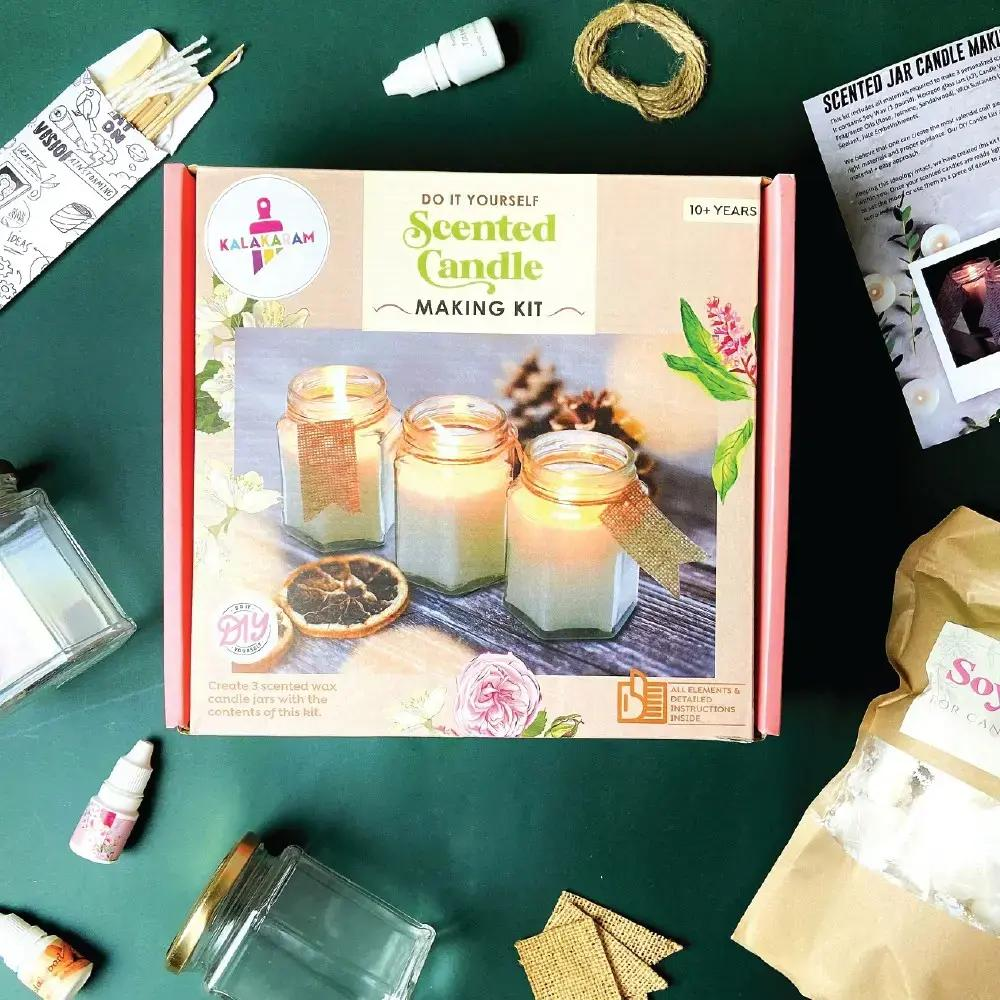
Kalakaram: It is a firm that offers do-it-yourself kits for kids ages 4 to 14. Chaitanya Malhotra started it. Every box encourages people to be themselves and be sure of themselves. Their task got even more important when they appeared on Shark Tank. 

VedaOils: Where nature and craft come together. Their DIY kits for making soaps, candles, lip balm, and gloss all contain natural, vegan, and cruelty-free ingredients. Small producers and health enthusiasts like it.

Nappa Dori: They are known for their high-end leather goods, and they have made do-it-yourself leather belt kits that let clients make better belts by hand. Great gifts for people who like design.

Earthy Good: Where do-it-yourself and sustainability meet. Their packages, which include eco-friendly cleaners and beeswax wraps, encourage people to live in a way that is kind and doesn’t waste anything.

Can You Learn How to do Things Yourself Overnight With Social Media?

Why go to workshops when Instagram can teach you in 30 seconds?

The do-it-yourself trend is back thanks to social media, with everything from Instagram hacks to Pinterest-style makeovers.

  1. Instagram and YouTube set trends with their short, visual clues.
  2. Influencers turn fans into creators by promoting tools, materials, and methods.
  3. People are very interested in DIY “before and after” makeovers.
  4. Brands work with creators to sell their kits.

Let’s be honest: does your project ever look like the picture on Pinterest, or is it just a bunch of random stuff?

Is Doing Things Yourself the Next Big Thing in Living Sustainably?

DIY today is about making pretty things with a purpose.

People who care about the environment want more than just good looks these days.

  1. More and more people are interested in upcycling old clothes and furnishings.
  1. Brands sell kit materials that can be composted, reused, or broken down by nature.
  1. More and more people are doing eco-decor, composting, and gardening on their own.

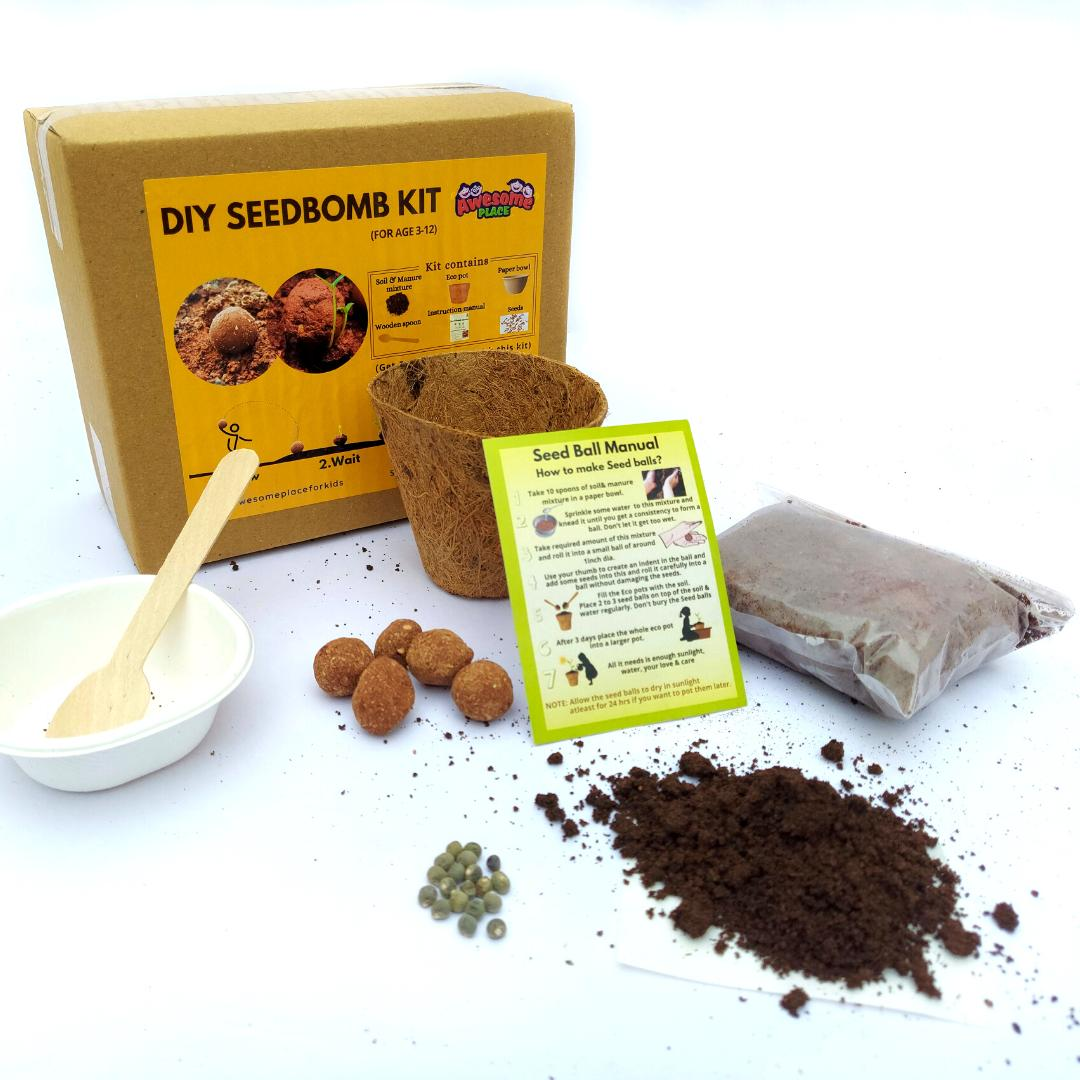
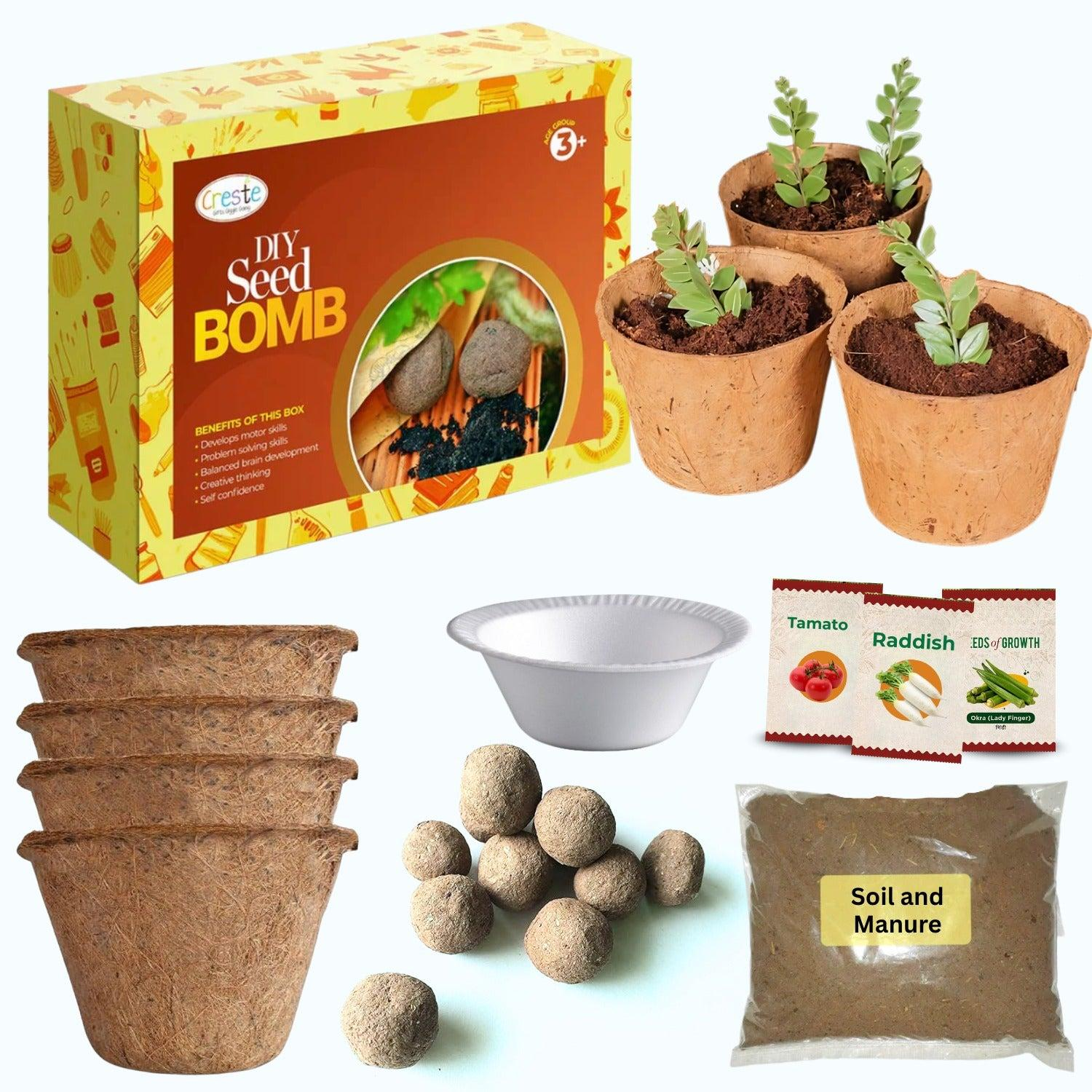
One example is Creste’s DIY Seed Bomb Gardening Activity Kit.

  1. Lets you make seed bombs out of compost, clay, and organic seeds.
  1. Helps with pollination, biodiversity, and green cover.
  1. Great for planting herbs or wildflowers with kids and adults.

Which is more satisfying: spending hours surfing through content or watching a seed you planted grow into a living thing?

Could you add making crafts to your self-care routine?

When in doubt, glue it out.

In a time when screen time is king, crafting has become a healthy habit.

Macrame, painting, and making soap are all do-it-yourself crafts that can help you be more conscious. Kits can also be used for writing, aromatherapy, health, and other things.

Making things by hand is good for your health, helps you be more mindful, and lowers your anxiety. 

You might find self-care in the glue gun you’ve been dreading instead of at a spa.

More Than Just a Passing Interest: The Bigger Effect

Making things yourself makes people better, not just things.

For kids: helps them focus, solve problems, and enhance their motor abilities.

For Adults: helps with stress and tiredness from screens.

For families: makes memories and gives them chances to bond.

The DIY movement is promoting eco-friendly living, bringing back old skills, and sparking people’s creativity.

In schools, therapy offices, workshops, and even businesses, DIY kits are becoming instruments for learning, being creative, and healing.

A Box of Joy, A World of Possibilities

Each kit is a story that needs to be stamped by hand.

The comeback of do-it-yourself kits in India represents a strong push toward living mindfully and enjoying simple pleasures.

Your youngster will love their handcrafted wall hanging, lighting a candle you made, or growing tulsi from a biodegradable idol. It’s all about the thrill of saying, “I made this.”

The trend is far from done. Companies like Earthy Good, VedaOils, Itsy Bitsy, Kalakaram, Creste, and Nappa Dori are pushing the frontiers of what you can do with do-it-yourself kits. They are a group that brings enchantment, happiness, and mindfulness into everyday life.

So, the next time you buy a bookshelf, think about whether you can construct it yourself.

But here is the bigger question: If DIY continues merging creativity, wellness, and sustainability, will it redefine industries, shifting consumers from passive buyers to empowered makers? How will brands adapt?