What Wonders Will Wearables Work for Wellness?
When your body starts talking back
What You Will Learn from This Blog
This blog will explain you:
- What wearable tech is and how it works in real life.
- Smartwatches and brain tech are only two examples of the many sorts of smart wearables.
- How people use wearables to keep an eye on their health, fitness, and even their mental health.
- How Indian startups like Ultrahuman, boAt, and Sputnik Brain are changing the health tech industry all around the world.
- The advantages of keeping an eye on your health in real time and how it can improve your life.
- The ethical and privacy issues that come up with data from wearables.
- The main question is: Are wearables only recording our steps, or are they changing what it means to be human?
The Magic on Your Arm
That little thing on your wrist can now tell you how well you sleep, if you’re dehydrated, when you’re most worried, and if the samosa you just ate caused your blood sugar go up.
Does it sound like a relative who won’t leave you alone? Nope, it’s your smart watch.
Things that used to be made up are now real. Wearable electronics is now a great way to check your health in real time. It can do a lot of things, including keep track of your heart rate and calm down your stressed-out brainwaves.
So, is your wristwatch a new health coach or just another way to get notifications?
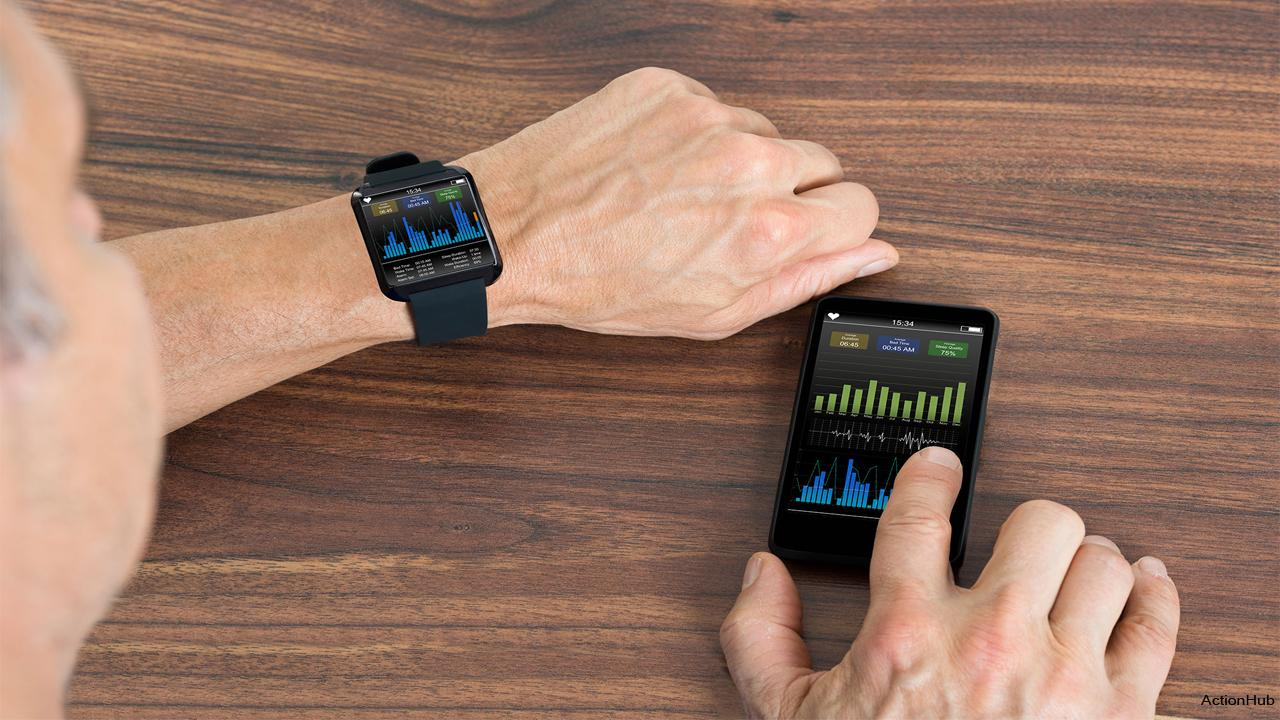
Wearables: From Gym Buddies to Grandma’s New Best Friend
Wearables are not just for folks who want to work out or are interested in technology anymore. India is quickly becoming a leader in this area, where they are used in healthcare, lifestyle, and even psychology.
India’s Health-Tech Leaders: Not Just Pedometers
1. Ultrahuman: Live Metabolic Fitness
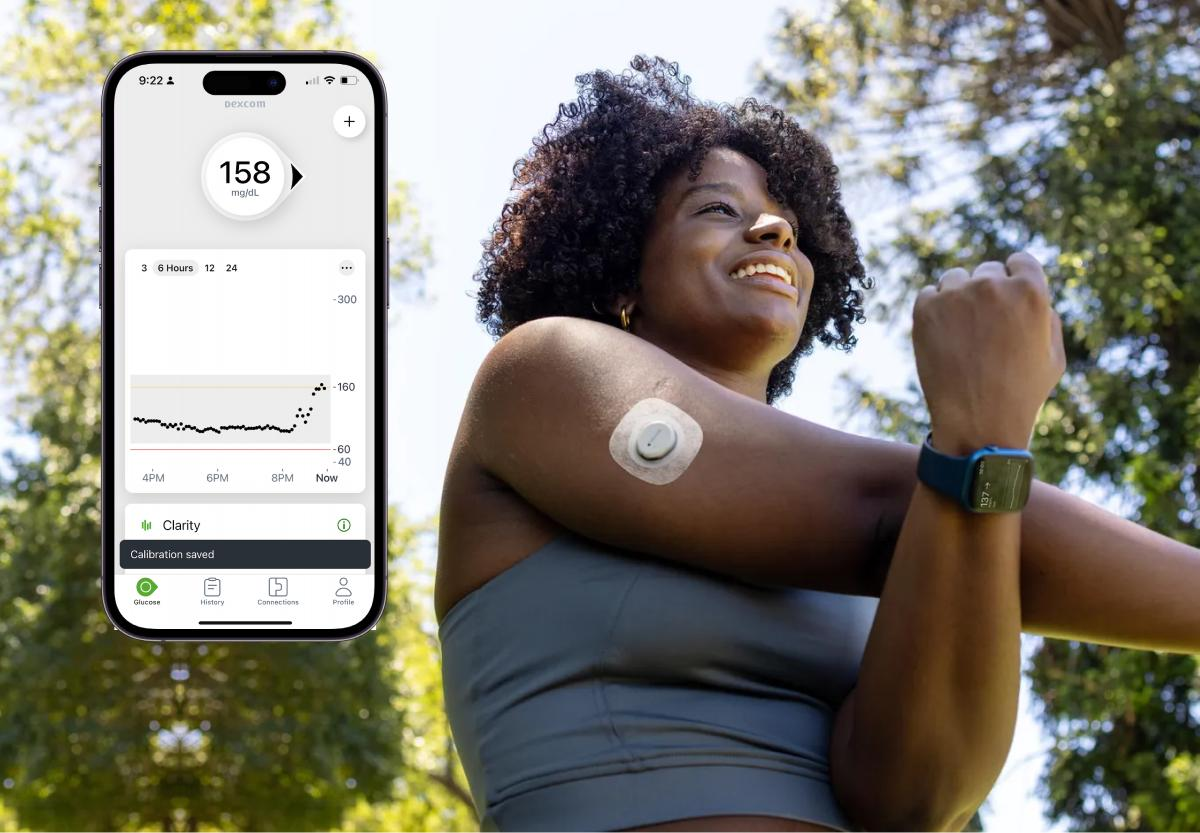
Forget about fortune tellers—Ultrahuman looks at your glucose peaks as a Bollywood astrologer looks at your horoscope. But this is based on science.
Ultrahuman is changing the way we track our fitness from its headquarters in Bengaluru. This fintech startup provides a metabolic fitness platform that tracks your glucose levels, sleep, heart rate variability (HRV), and body temperature and gives you real-time feedback on your health.
Ultrahuman helps people make the most of their diet, exercise, and recovery time using stylish, data-driven wearable gadgets. No more guessing; they will get ongoing feedback to help them reach their goals.
- Started: 2019
- Money: $54.9 million
- New idea: Keep an eye on your nutrition in real time and get advice on how to improve your performance.
Ultrahuman gives you more than nutrition recommendations that sounds like horoscopes: it gives you health literacy based on facts.
So, the big issue is: would you rather get your nutrition advise from Instagram reels or from your own blood?
2. boAt: Where Audio and Wearable Health Meet
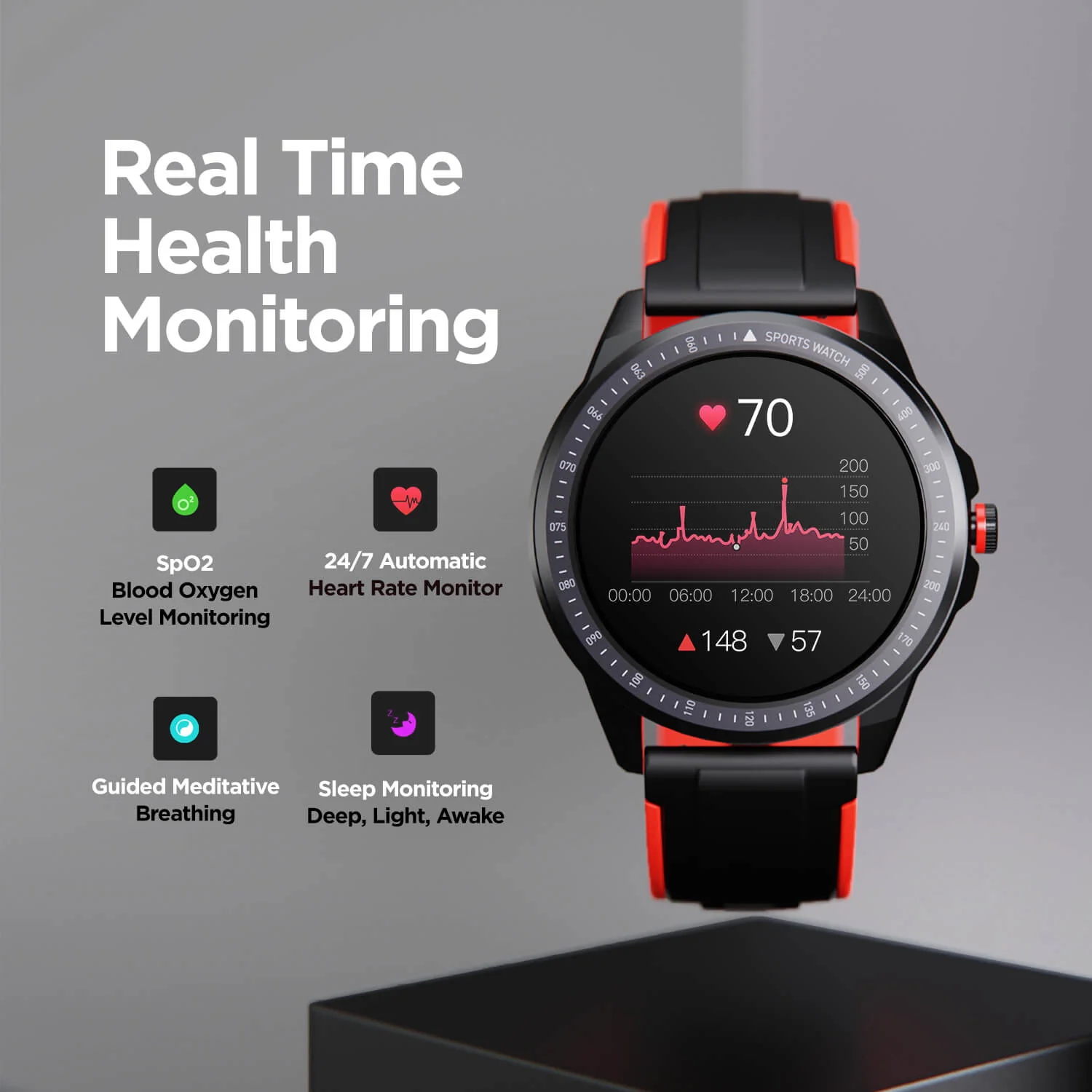
boAt went from being a DJ to being a doctor, going from thumping bass in your ears to checking your heart rate.
You might think of boAt as a company that makes cheap earbuds and showy watches, but this startup from Gurugram does more than just make accessories. boAt has made its way into the wearable health market with smartwatches that keep track of steps, heart rate, and blood oxygen levels. These timepieces are cool, cheap, and important.
Think about health with a bass boost.
- Founded: 2016
- Money: $171 million
- Products: Smartwatches, neckbands, and power banks
boAt is unique because it perfectly combines pop culture with biometric sensors. You can find a boAt smartwatch at the gym or at a concert.
But here’s the real mystery: Is your boAt watch keeping time with your heart rate or your music?
3. Sputnik Brain: Tech for Your Mood
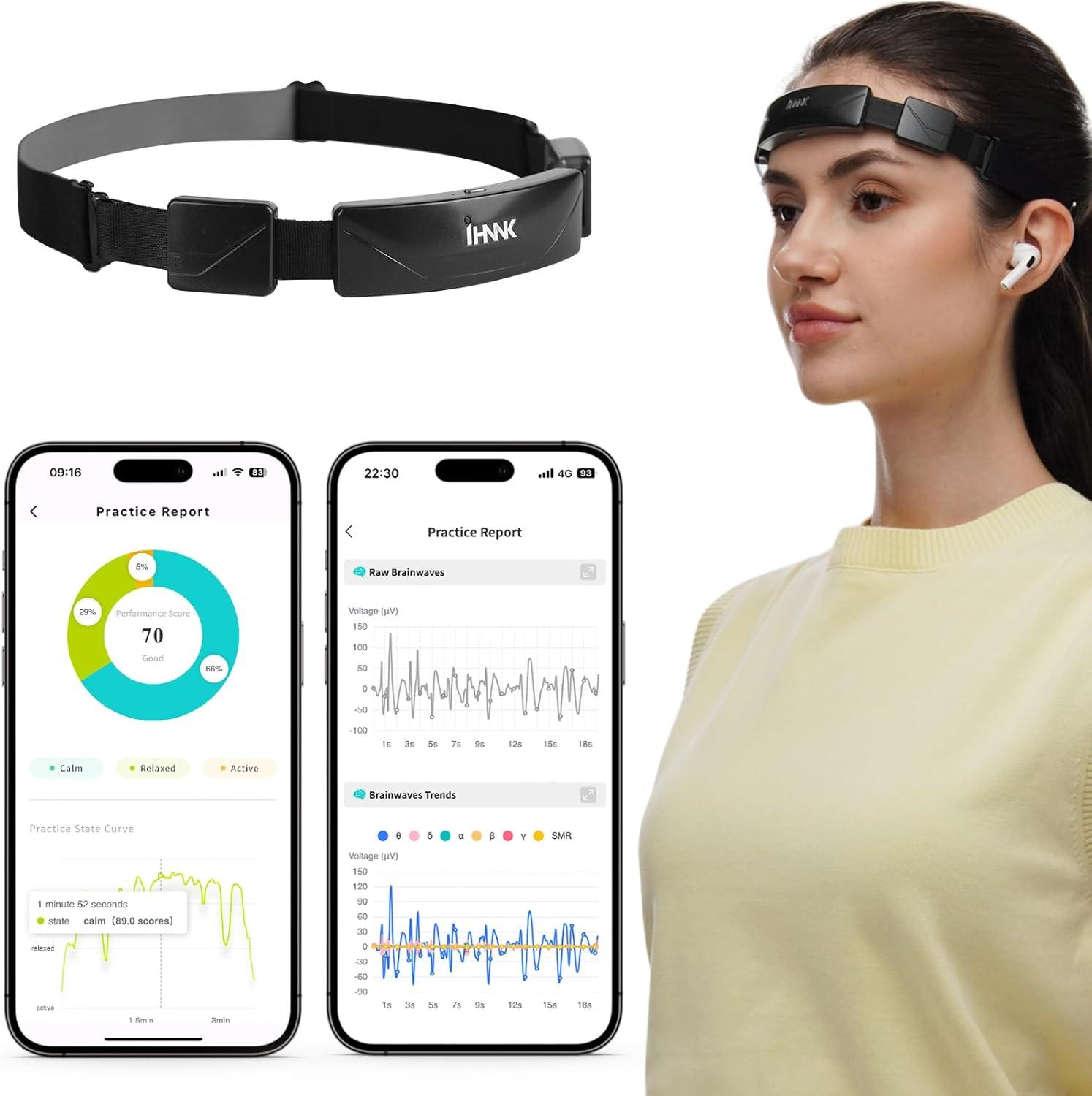
Bye, gym. This headband really makes you happy.
Things become interesting after that. Shankar Srinivasan, who is 24 years old, started Sputnik Brain, a mental health firm in Bengaluru. His company is making non-invasive headbands that people can wear to help them deal with stress and anxiety without drugs or negative effects.
Shankar came up with the idea for Sputnik Brain after having mental health problems after a failed enterprise. The goal was to naturally turn on the brain’s reward regions. Think about a “happiness activator” that you wear that uses safe, controlled electrical currents to make you feel better in only a few seconds.
- Founded: 2023
- Funding: INR 1.04 crore
- Backed by: UCLA neuroscientists, NIMHANS neuroscientists, and IIT Delhi experts
- Awards: Samsung Solve for Tomorrow, UNDP funding, Emergent Ventures Fellowship
- Goal: Make “pleasure” into a product without drugs or addiction
Stress is spreading over the world, and many standard treatments don’t work anymore. The chemical-free, neuroscience-based approach from Sputnik Brain could be the future of mood control.
So, will your next mood enhancer be a pill or a headset?
Why is it so important to keep an eye on your health in real time?
“Ignorance is bliss” doesn’t work when your blood sugar is going up.
Smart wearables aren’t just cool devices; they can change how people act:
- Personalization: Your watch knows your rhythm better than any fitness expert.
- Preventive healthcare: Find problems before they get so serious that you need to go to the hospital.
- Feedback in real time: Change your habits right away, not after your doctor yells at you.
- Professional sharing: Healthcare workers can get updates in real time, not your vague memory of “I think I got dizzy last Tuesday.”
So here’s the big question: Is your watch keeping you alive or just making you walk further to get pizza?
On the Other Side: Data Ethics, Privacy, and Security
It’s not just your heart rate anymore; it may be part of someone’s business plan.
Wearables gather private, personal data, which makes people more likely to be hacked, taken advantage of, or watched too closely. Businesses are always seeking for new ideas, but customers need to demand openness, permission-based data use, and safe hygiene.
Who is willing to pay the most for your heartbeat?
The Future Is Worn, Not Bought
Indian companies that develop wearable gear are making products that make health a real-time, personalized, and powerful experience from the wrist to the brain. These little gadgets have a multitude of uses, like checking your blood pressure, keeping track of your REM cycles, or helping you unwind after a hard day.
So the next time your smartwatch vibrates, it might not simply be a reminder. It could be a push in the right direction for you to accomplish better.
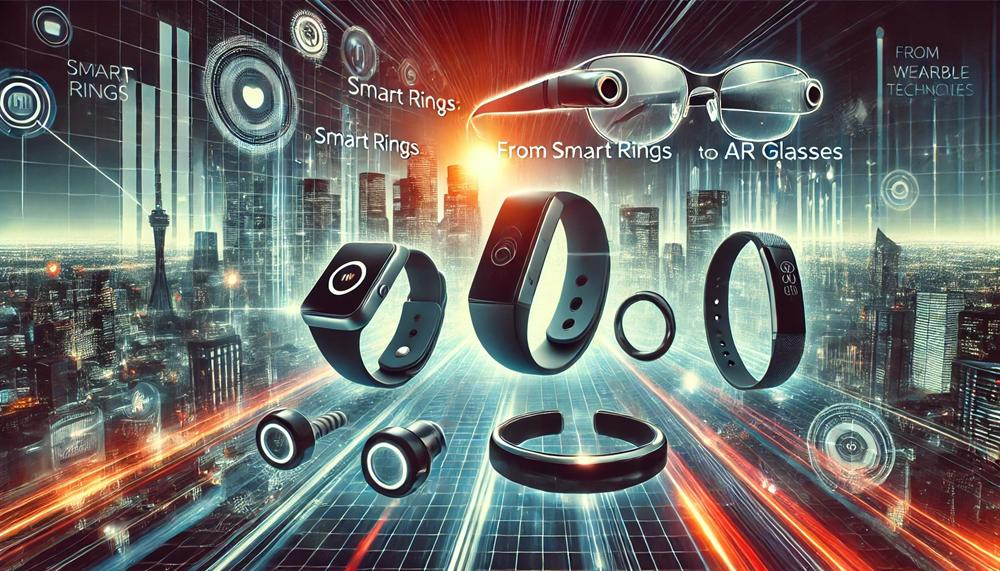
Some of the smart wearables that are revolutionizing how health is recorded in India are Ultrahuman, boAt, and Sputnik Brain. They might keep an eye on anything from exercise and metabolism to mental wellness. Not only will healthcare be more advanced in the future, but it will also be wearable. It knows what’s going on in real time, helps you change your behavior, and gives you a health journey that’s just for you.
Is your smartwatch telling you the time or telling you your life story?
With Indian startups like Ultrahuman, boAt, and Sputnik Brain gaining global traction, could the country become a leader in exporting health-tech innovation to the world?
Let us know in the comments below!