image

Frozen Foods

Frozen Food is Selling Like Hot Cakes and Here’s Why

Convenience, quality, and the new comfort economy
Introduction

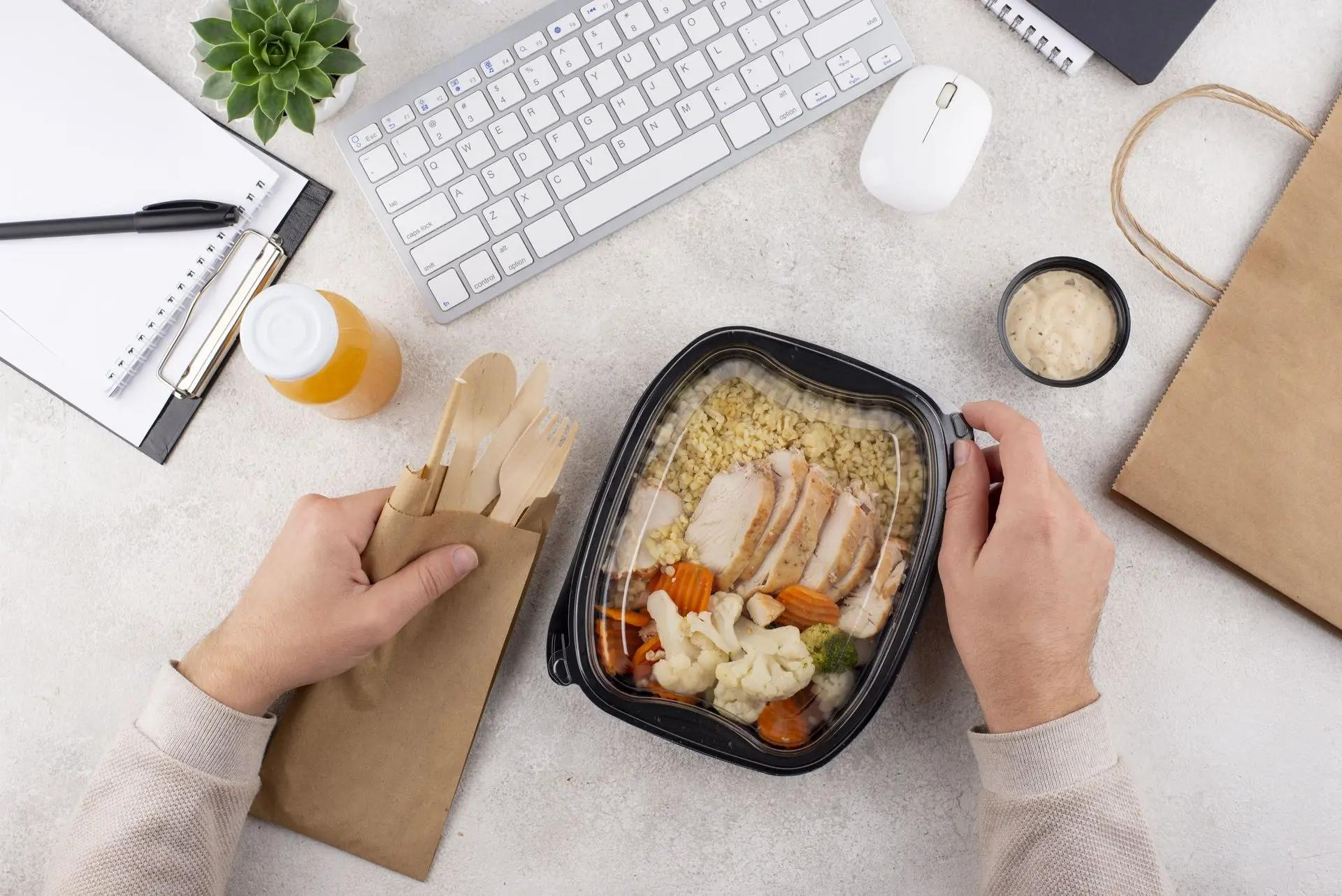
It’s 8:37. You made it through a tough day of meetings and deadlines, and you got through the gridlock in Bengaluru. You don’t want to cook because you’re too sleepy, and you don’t want to eat bad takeout because you care too much about your health.

It looks like a frozen tundra in your fridge with no food in it. But then you remember to look in the freezer. There it is. A box of Momos from Prasuma. It only needs five minutes in the microwave. As the steam rose, the smell got stronger. It’s time to eat. No job? No giving up on pricey comfort food.

Welcome to the new India! India is learning to pause and not skip over quality.

From the time of the Ice Age to the Hall of Fame

Who would have thought that the freezer would be the warmest part of the kitchen?

A lot of Indians used to assume that frozen food was the lazy relative of fresh food. It was insipid, made in a machine, and not very tasty. But that picture has been increasingly less clear over the past ten years.

The story has altered because of how people live today after the epidemic, how cities are increasing, how people’s discretionary income is rising, and how young people want things to be easy.

According to IMARC, the frozen food industry in India was valued ₹191 billion in 2024 and will grow at a rate of 13.4% per year, reaching over ₹593 billion by 2033.

It used to be a nice perk for single people and tourists, but now it’s a must-have for students, families, and even foodies.

So, here’s a fun question: Is “fresh” secretly afraid of being ghosted if frozen food just acquired a new look?

Prasuma: A Family Recipe That Changed
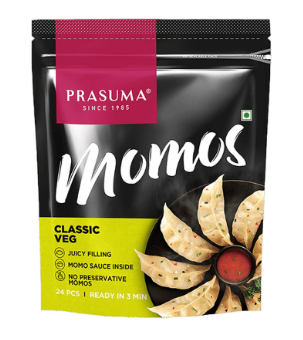
Momos are now more popular than quick noodles.

We need to discuss about what Lisa Suwal said regarding Prasuma Momos. Lisa Suwal was up in Darjeeling, where momos were a vital part of her family life and her social life. She decided to send India’s family recipe by freezing it.

Lisa’s trip wasn’t about selling food; it was about selling memories. She kneaded the dough 3,000 times and used fresh fillings from farms nearby. She put them in the freezer right away so they would taste excellent.

In just two years, Prasuma grew from one store to 2,500 storefronts in 70 different places. They want to open 25,000 stores in 200 different cities.

She didn’t look at the market maps. She used the “momo” method, which meant that customers could always see the brand when they asked where it was.

Isn’t it strange that a snack that people used to eat on a dewy hillside is now a favorite in Bengaluru apartments? Could frozen food be the next cuisine that people in Indian cities turn to for comfort?

People Who Work Behind the Door of the Freezer
Your kebabs, fries, and momos all come from superheroes, which is a twist.

But Prasuma isn’t the only one. India’s frozen food sector is very competitive right now. Both new and old businesses are doing well:

  1. McCain Foods: People in India recognize them for their burgers, cheese poppers, and French fries. In the fiscal year 2024, McCain Foods India Private Limited made ₹1,240 crore.
  2. Tyson Foods (Yummiez): Ready-to-eat Godrej kebabs, nuggets, and meats. They really do work “from egg to edge.”
  3. ITC Head Chef: Fancy chefs make shrimp, biryani, and vegetable fingers.
  4. Sumeru (Innovative Foods): Fusion frozen meals like lasagna and fish fingers.
  5. Wow! Momo: “Made for Home” is the tagline for this business that sells both quick-service and FMCG.
  6. Haldiram: In certain places, sales of frozen samosas went up over 400%. The bundle now includes pakoras, aloo tikkis, and parathas.

Isn’t it funny how our freezers seem like a UN food summit? Who will take over your freezer next?

Making Smart Choices When Your Tastes Change
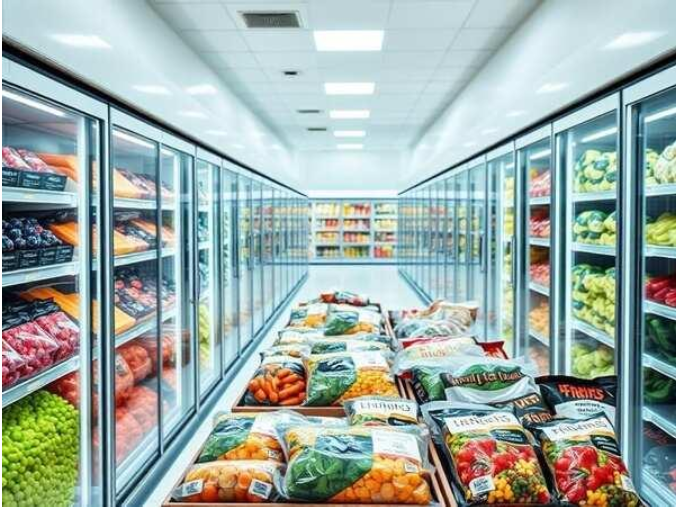
Frozen food isn’t the bad twin of junk food; it’s the finest way to get a glow-up.

It’s not only easy to buy frozen dinners these days; it’s also a choice and something to think about.

Businesses are changing to keep up with India’s changing tastes. These include meals that are exceptionally healthful, meals that don’t have many preservatives, and dishes that taste Indian yet come from different cultures.

Examples:

  1. McCain India is using eco-friendly farming methods and cutting back on salt by 15%.
  2. Prasuma owns 90% of the cold chain.
  3. Mother Dairy and Amul now have snacks, pizzas, and parathas.
  4. Haldiram’s sells boxes of full North Indian meals.

So, here’s the question for foodies: Is your fridge out of date if your paratha is frozen yet newer than the one you made last week?

The Frozen Future Starts with Tiers II and III and Goes Up

Your nearest kirana shop may soon carry more momos than Maggi.

What is the most shocking thing that has happened? Changes are happening everywhere, not just in cities. People in Tier II and III towns want more as cold chain logistics get better and people’s expectations rise.

Companies like McCain and Prasuma are trying hard to get into these communities by making deliveries, setting up cloud kitchens, and forming relationships with stores. Even tiny stores in the area have warehouses now.

It’s time to ask questions: If frozen food is already taking over Tier II and III cities, will it take over sabziwalas next?
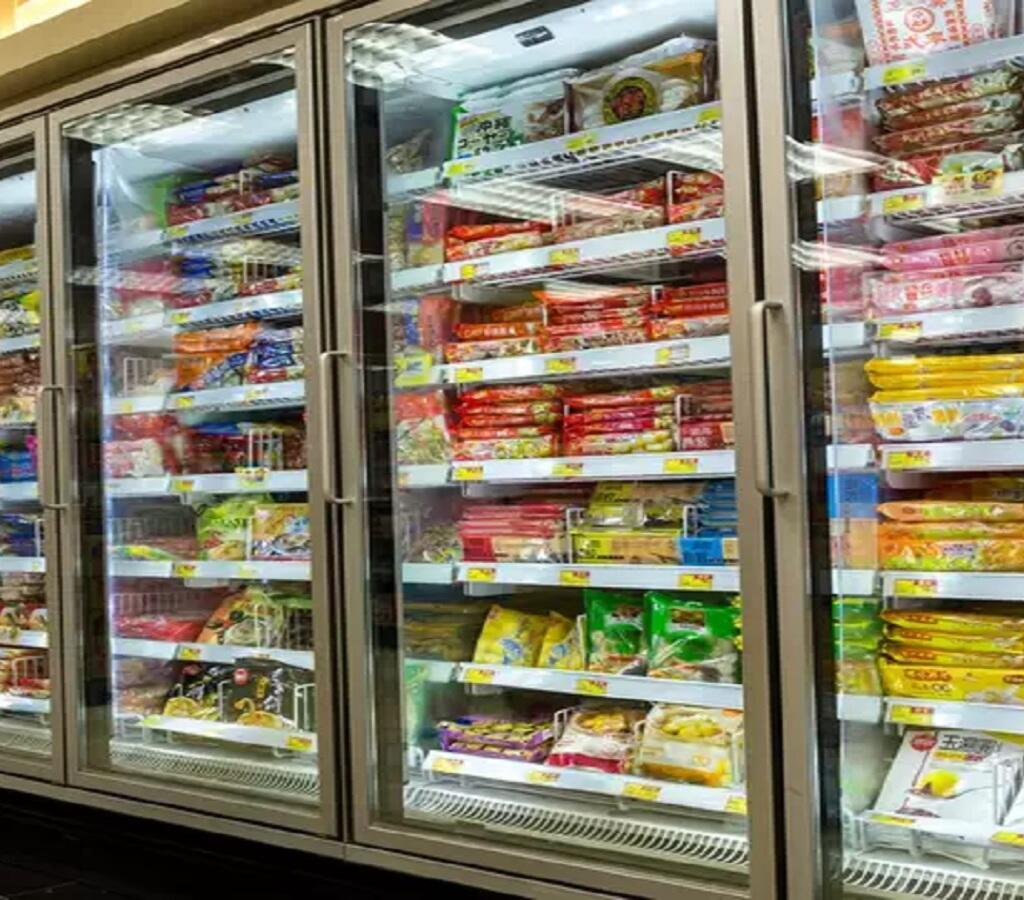
What is causing the Boom?

There are many things that are making the frozen food sector in India grow. It’s not just about how easy it is; it’s also about trust, culture, and technology.

  1. Changes in how you live: living in a city, working two jobs, and being busy.
  2. Health-sensitive decisions: demand for simpler labels and fewer preservatives.

Here’s the catch: Is frozen food suddenly the best thing to eat at your table? It’s quick, attractive, and doesn’t make you feel bad.

New Product Horizons: More than Nuggets
Frozen lasagna replaced frozen nuggets.

In India, the frozen food aisle is shifting from merely fries and nuggets to a menu of tasty foods from all over the world.

  1. Sumeru’s lasagna and tiramisu
  2. Haldiram’s dal-chawal sets
  3. Godrej Tyson’s plant-based options
  4. Wow! Momo’s fillings from Darjeeling

Question: Will frozen food be the Netflix of food? Something for every mood, every binge, and every craving?

The Goldmine for Levels II and III
Large freezers, little towns, and large appetites.

Why they are important:

  1. Increasing hopes and extra money
  2. Better infrastructure and cold chains
  3. Digital expansion is being helped by Swiggy Instamart, Blinkit, and BigBasket

Venky’s, Mother Dairy, and Al Kabeer are all going to smaller towns.

Here’s a strange thought: if frozen meals are the new luxury in small towns, might frozen samosas compete with caviar?

Frozen Food: The New Beauty Industry?
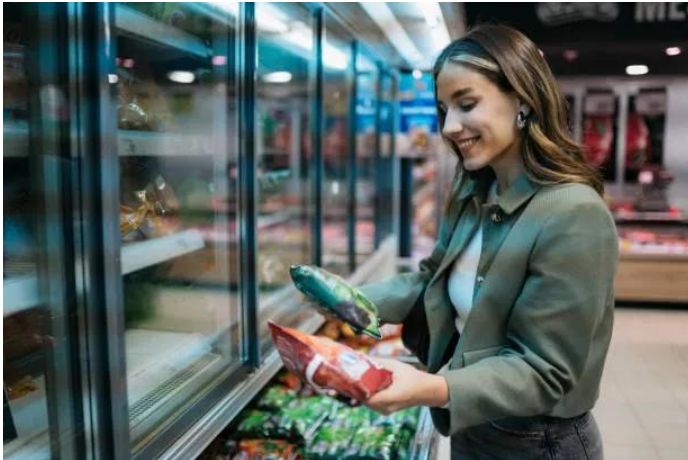

Forget with the face mask; paratha packs are the finest method to get your skin to glow.

This is a strange turn of events: frozen food is now operating like the beauty and cosmetics industry. Like cosmetic firms, frozen food is all about desiring things, living a certain lifestyle, and posting photographs on Instagram.

  1. Perfectly plated frozen momos or pizzas are the new lipsticks and contouring talents.
  2. Influencers now unwrap tiramisu and samosas instead of beauty boxes.
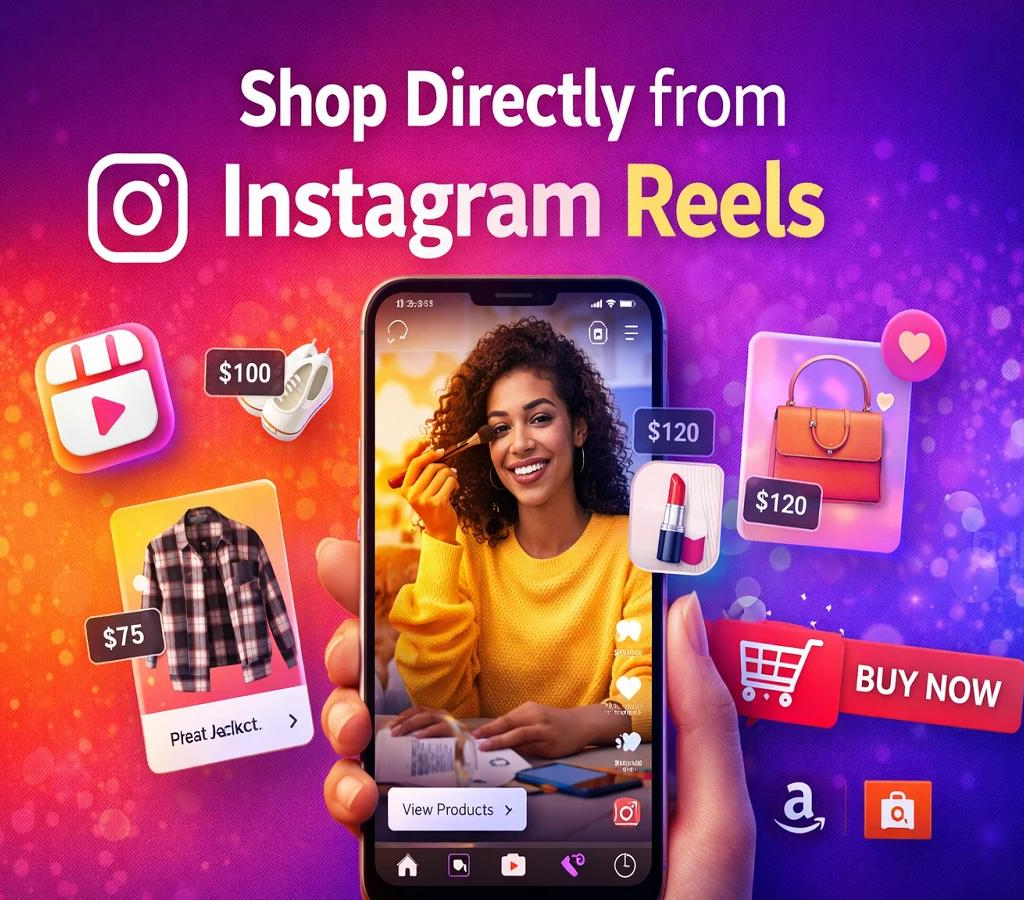
  3. Instagram Reels can make recipes that require frozen food go viral in just a few seconds.

It’s not simply a product anymore; frozen food is now a part of life, like skincare for your stomach.

So, the big issue is: Could frozen food really “influence” its way to becoming India’s most popular business, beating out fashion and beauty?

Battle of the Bites: Snacks vs. Frozen Food
Chips, namkeens, and cookies thought they were the only ones who could fill you up at 5 PM. Welcome to frozen momos!

Crunchy, munchy snacks like potato chips, samosas, and namkeens have been popular in India for a long time. But frozen foods are quietly taking over the scene and stealing the show:

  1. More choices: You have more choices with frozen foods than with a standard bag of chips. You can choose between cheese poppers and parathas with stuff inside.
  2. “Healthier” tags: It sounds like frozen foods are healthier than deep-fried chips because most of them now have labels that state “low oil,” “high protein,” and “no preservatives.”
  3. Higher-end experience: Instead of handing your guests a packet of namkeen, why not serve them kebabs or momos from your freezer like in restaurants?
  4. Impact on social media: A plate of frozen snacks that is boiling hot looks a lot better on Instagram than a handful of namkeen crumbs.

The freezer area isn’t just for dinner anymore; it’s now the location to purchase munchies at night.

What do you look for as a buyer?


“Frozen” doesn’t mean “anything goes.”

Tips:

  1. Look at the FSSAI certificates, the dates by which the food should be eaten, and the storage instructions.
  2. Choose well-known companies that check the quality of their products.
  3. Keep it at -18°C or lower.
  4. Check out what other people have said online.

If you suddenly care as much about buying frozen food as you do about skincare, is your freezer really your new vanity cabinet?

The freezer is becoming a treasure chest for foodies.
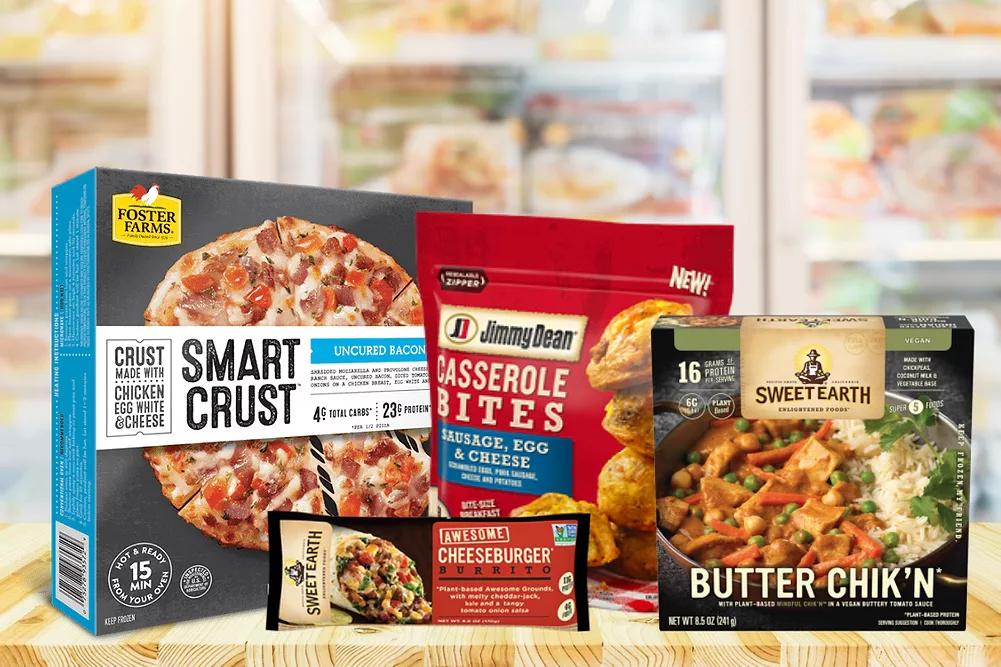

You don’t have to worry about it later; it’s a good idea to freeze food in India. One that combines the old with the new, the simple with the modern, and the old with the new.

If you have a bag of momos, kebabs, or tiramisu in your freezer, you know you’re not cutting corners.

You are now in the new India. Where frozen food is the same as fresh food, and the story behind your food is equally as excellent as how it tastes.

So, foodies, here’s the most crucial thing to ask: If frozen is the new fresh, is your freezer the new temple of flavor?


admin-ajax (1)

Sunscreen Industry

India’s Glow-Up: Sun Care’s Ascent in a Sun-Soaked Country

Why has sunscreen become the most popular skincare product?


You’ll notice it if you scroll through any skincare reel: Reef-safe claims, matte finishes, broad spectrum, SPF, and hybrid tints. What was formerly a beach-only afterthought or, worse, a summer necessity has evolved into a daily, universal necessity. The market for sun care products in India is not only growing, but also taking off.

Let’s get started on this revolution of skin-loving.

The Unexpected Increase in Demand: From Disregarded to Crucial

From front-shelf favorites to forgotten tubes.
The Indian sun care market is expected to double to over USD 1.4 billion by 2033, from a staggering USD 641.9 million in 2024. What is causing this obsession with SPF?

  1. Urban exposure: Growing pollution levels and unrelenting sun damage are making people reevaluate skincare.
  2. Knowledgeable customers: People now realize that UV rays can damage skin without the presence of daylight or beaches.
  3. Influencers in dermatology and social media are educating us about pigmentation, sunspots, and the dreaded “premature aging” line.

All of a sudden, SPF is more than just protection; it’s also power, personality, and prevention.

However, if sunscreen is so crucial, why did we neglect it for so long?

Who’s Leading the SPF Parade in the Brand Wars?

Giants from around the world are gliding onto Indian territory.
Unilever, Beiersdorf (Nivea), and L’Oréal are vying for control of skin types and shelf space.

  1. Garnier introduced Air-Mist Sunscreens and UV Serum.
  2. Nivea introduced four new SPF variations that target various skin types.
  3. Eucerin teamed up with Nykaa to increase its online presence in India.

But they’re not by themselves. Indian brands are quickly catching up. Reimagine sun protection for Indian climates and complexions with brands like Lakme, Lotus, and Biotique.

Can Indian homegrown heroes really stand out when there are international brands in the game?

The Dermat Brand Boom: Scientific Skincare

Have faith in your dermatologist, or at the very least, the dermatologist of your influencer.
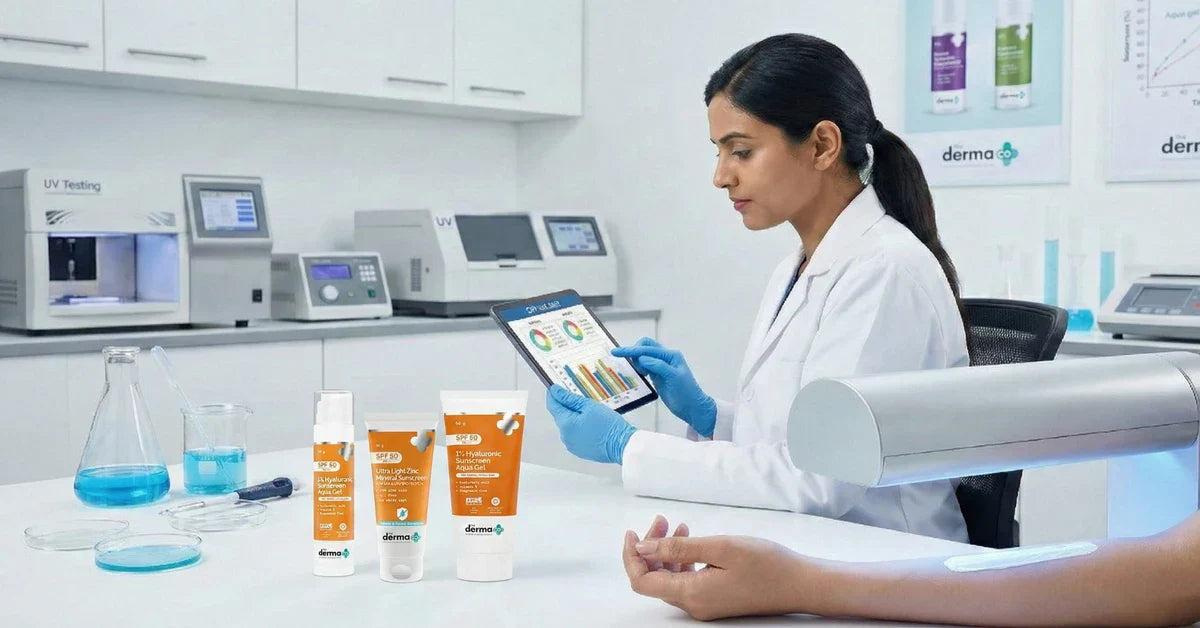
The science-first companies that speak the language of results are Minimalist, Re’equil, Derma Co., Dr. Sheth’s, and Aqualogica.

These labels emphasize:

  1. Shade inclusivity for more profound Indian tones
  2. Formulations for sensitive skin that have fragrance-free or reef-safe labels
  3. Hybrid products like gel sunscreens, mattifying sunscreens, and tinted SPF

Their allure? No nonsense. Just the facts. Additionally, they are now more credible than legacy players thanks to recommendations from dermatologists and skin specialists.

Will consumers keep buying beauty products based on science rather than emotion?

Sunscreen Is More Than Just a Cream: Styles for All Feelings

SPF has undergone a transformation and is no longer merely a greasy, white cream.

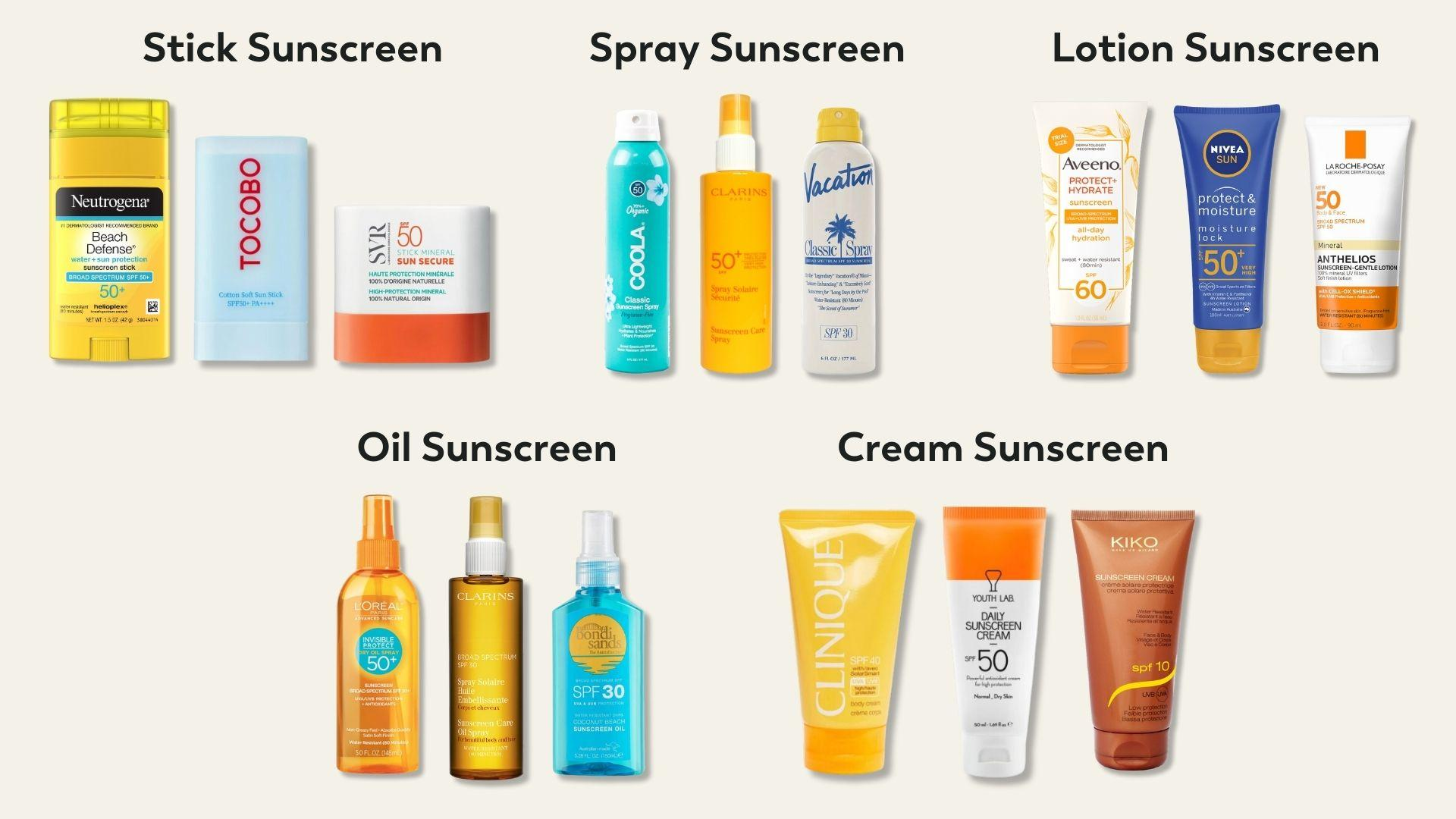
The Indian market now provides SPF in every possible form, ranging from invisible serums and lightweight gels to sprays, sticks, powders, and even moisturizers with sunscreen. This change isn’t just about looks; it’s also about:

  1. Lifestyle compatibility
  2. Convenience
  3. Skin type customization

Fitness enthusiasts favor sweat-resistant sprays, makeup enthusiasts adore powder SPF, and commuters adore sticks for their effortless application. Both mass and premium brands now have more opportunities to innovate and reach new user segments thanks to this diversification.

Could “how” we apply sunscreen soon be more important than “what” we apply, given the abundance of SPF formats available on the market?

Beyond the Face: Body Lotions, Lip Balms, and More

SPF is becoming more ambitious.
Your face is no longer the only aspect of suncare. Companies are branching out into body lotions, makeup primers, hair sprays, and SPF lip balms.

  1. These days, SPF lip balms are nourishing, plumping, and tinted.
  2. Greasy cold creams are being replaced by SPF body lotions.
  3. BB creams, setting sprays, and moisturizers are doubling up on sun protection.

SPF is going head-to-toe and isn’t going away.

What comes next? SPF in nail polish and deodorants? What is the limit of this expansion?

The Effects on Behavior, Business, and Beauty

It’s a change in lifestyle, not just skincare.
The surge in sun care is changing Indians’ perceptions of beauty.

  1. Spend: Giving high-end skincare products precedence over fairness creams
  2. Consider: Shifting from whitening to safeguarding
  3. Behavior: Especially for women and Generation Z, wearing sunscreen has become a daily ritual

Because e-commerce behemoths and influencers are upending the metro monopoly, even Tier 2 and Tier 3 cities are starting to catch up.

Is a sun-safe culture being established at last, or are we merely following a fad?

Anticipated Growth: A Billion-Dollar Boom

This is a boom, not a bubble.
The Indian sun care market is expected to grow at a compound annual growth rate (CAGR) of 8.9% over the next ten years. Professionals forecast innovations such as:

  1. Skin analysis using AI to recommend SPF
  2. Sunscreens that adapt to the climate in various Indian regions
  3. Localized advertising in regional dialects and environments

The industry is transitioning from skincare to skinnovation with the introduction of tinted sunscreens, makeup with SPF, and derm-collaborations.

Will India lead the world in developing sun-first beauty products? Or will the tone always be set by global trends?

Growing Awareness of SPF in Rural Areas: From Metros to Mandais

Suncare is slowly making its way into India’s heartland and is no longer just a skincare concern in cities.

Sunscreen is making its way onto small-town and rural retail shelves because of:

  1. Mobile penetration
  2. Influencer content in local languages
  3. Reasonably priced formats like sachets or inexpensive tubes

By combining tradition with sun protection, Ayurvedic SPF, tinted sticks, or herbal gels,  brands are finding success in semi-urban India. This rural shift is being accelerated by tier-2 targeting campaigns from Nykaa and Amazon.

Could Indian rural consumers spearhead the country’s next skincare revolution as awareness spreads to smaller towns?

Could Ayurvedic or herbal SPF become a mainstream global export from India?

The Beauty-Sun Care Transition: Glam Meets SPF

Your skincare shelf and makeup bag are working together instead of competing with one another.

SPF-containing BB creams, UVA-blocking foundations, and sunblock lipsticks are among the hybrid products that Indian consumers are now requesting. Formulations from Lakme, The Derma Co., and Minimalist make it difficult to distinguish between protection and cosmetics. This hybridization is:

  1. Strategic
  2. Practical
  3. Allows customers to protect their skin without sacrificing gloss, glam, or glow

In the upcoming ten years, could this combination of skincare and makeup change the way Indian consumers perceive beauty?

Is India finally overcoming its “sunscreen-is-for-fairness” stereotype?

In India, the SPF revolution goes beyond superficial changes. It reflects the changing Indian population, which is becoming healthier, wiser, and more conscious of what they put on their skin. What began as a cream has evolved into a way of life.

The true query then becomes: Have you already found your soulmate in sunscreen?

Can the Indian sun care market outpace the global average with its climate, population size, and digital influence?


Let us know in the comments below!

image

Fast Fashion Industry

How Tata Dresses a Billion Dreams: Inside India’s Fashion Empire

“Quick fashion isn’t just about speed. It’s about keeping up with the times.”

Introduction

And if there is one company that is quietly changing what India wears without needing viral videos or fashion week highlights, it is the Tata Group.

Are you surprised? Don’t be.

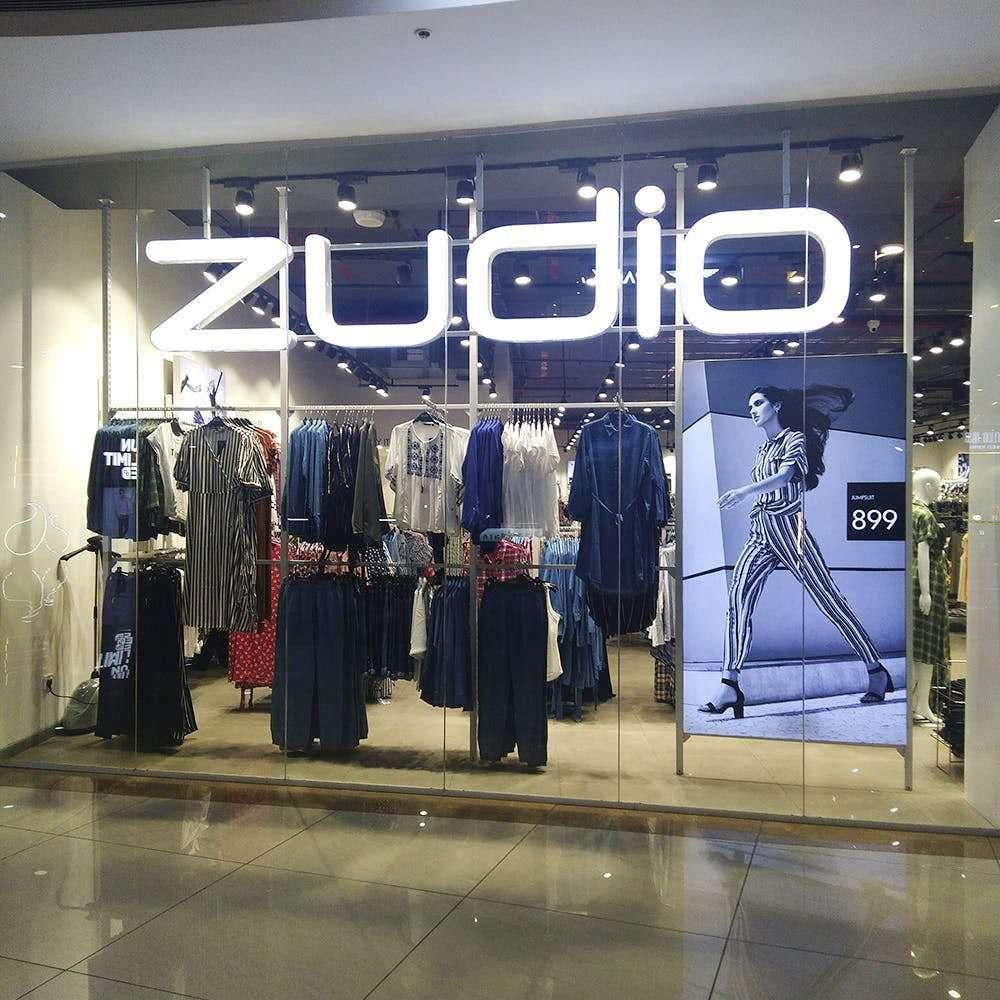
Zudio, Zara (India), and Westside are three very diverse fashion brands, but they all have the same powerful name behind them.

Yes, the same Tata that makes trucks, gives you breakfast tea, and books your flights.

But the real puzzle is how one company can run three fashion brands, each with its own price point, attitude, and customer base, without tripping over itself.

And perhaps more importantly, why would they do it?

Let’s go into this beautifully organised closet and look at some of the tactics that TATA is using!

The Big Change: Fashion Isn’t About Wanting to Be Like Others Anymore. It’s Right Away

People used to wait for Diwali or payday to get the newest outfits. Now they don’t wait for anything at all. Not even the times of delivery.

Indian fashion culture is going crazy. Thanks to:

  1. A growing number of young people
  2. Instagram trends
  3. The idea that “photo or it didn’t happen”

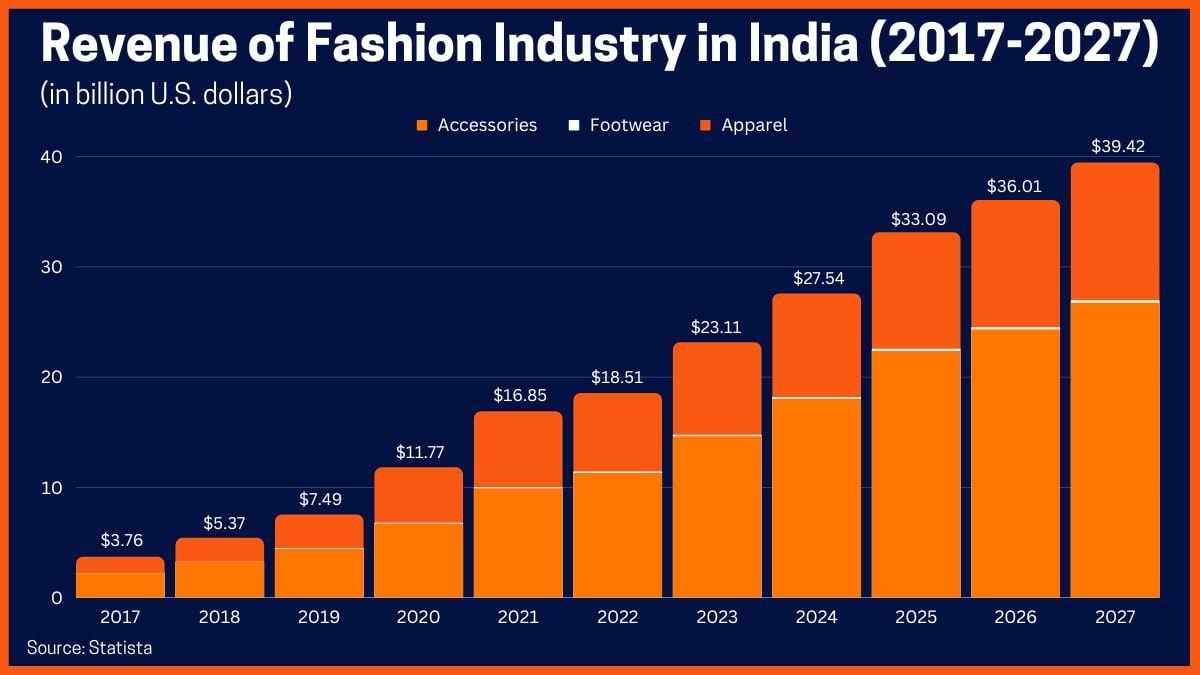
The clothing market is anticipated to reach $146.4 billion by 2032.

The trend of fast fashion is over. It’s a revolution.

International brands like H&M and Zara earned a name for themselves in big cities, but they missed out on a big part of India’s pulse: the dreamers in the suburbs and small towns.

Tata’s Fashion Trinity: Zudio, Westside, and Zara India

A family. Three labels that are very different from each other. Let’s test them out, one at a time.

Zudio: The Fashion Disruptor That Made It Accessible to Everyone

Zudio is not just a brand. It’s a revolution in itself.

It changed the game by offering tops, kids’ clothes, and necessities at costs that made people gasp. And here’s the best part:
It doesn’t feel cheap. It feels smart.

How is this possible?

  1. Production scale that the factory manager approves
  2. Zudio doesn’t spend money on ads; word of mouth and walk-ins do the talking.
  3. Tata’s strong backend and distribution power.
  4. A concentration on tier 2 and tier 3 cities, where demand was hard to find before.

Zudio didn’t go after luxury. It wanted to include everyone. And it worked.

Zudio has developed quickly by selling fashionable, inexpensive clothes to middle-class and small-town people in India.
As people’s disposable incomes rise and fashion awareness spreads on social media, Zudio is reaching a new group of customers who care about both affordability and style.

Zudio’s edge:

  1. Focus on middle-class shoppers and small towns
  2. Fashion designs that don’t cost too much
  3. Supported by Tata’s well-known brand name
  4. Quickly selling out of stock to get repeat customers
  5. Starts fresh boom in Indian retail

Why do so many young people wear Zudio on a whim these days?
Is it just the price? Or pride, being seen, styled, and smart on a tight budget? Fashion statement?
What if a girl from a tiny town, who never thought she’d be in fashion magazines, finds a store that gets her?

Zudio is not answering a need. It’s making a dream come true.

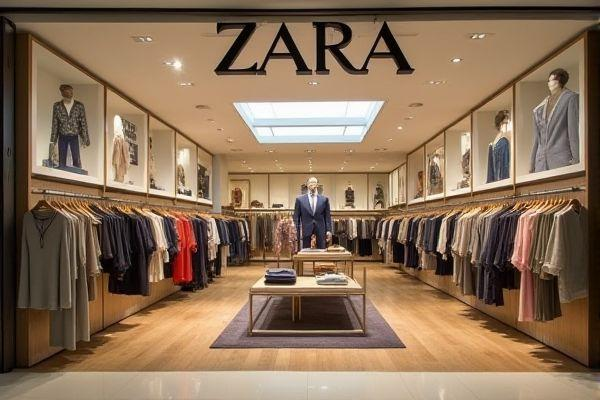
Zara India: The Style Icon for the First Generation to Swipe

Zara doesn’t follow trends. It puts them up.
It’s like the release of an iPhone in the fashion world. Stylish, seasonal, and hard to find. And sure, a little bit too much.

Prices for dresses start at ₹ 2,000-₹ 2,500 and increase from there.
But Zara isn’t here to fight over pricing. It fights on cool.

What makes Zara so appealing?

  1. Micro-collections that get new items every two to three weeks
  2. Global design, picked out for India’s city dwellers
  3. Limited stock that makes people talk and want it
  4. There aren’t many discounts, because “sold out” is better than “50% off”

The price doesn’t matter. It’s a matter of desire.

Why do people choose one Zara top over five mid-range tops?
Is it the way it fits? What is the brand? The way of life it shows?
How does Zara stay fast and high-end without losing either quality?

Zara India knows its clients well:

  1. Urban professionals
  2. College students who set fashion trends
  3. Digital natives who shop with a purpose and gut feeling

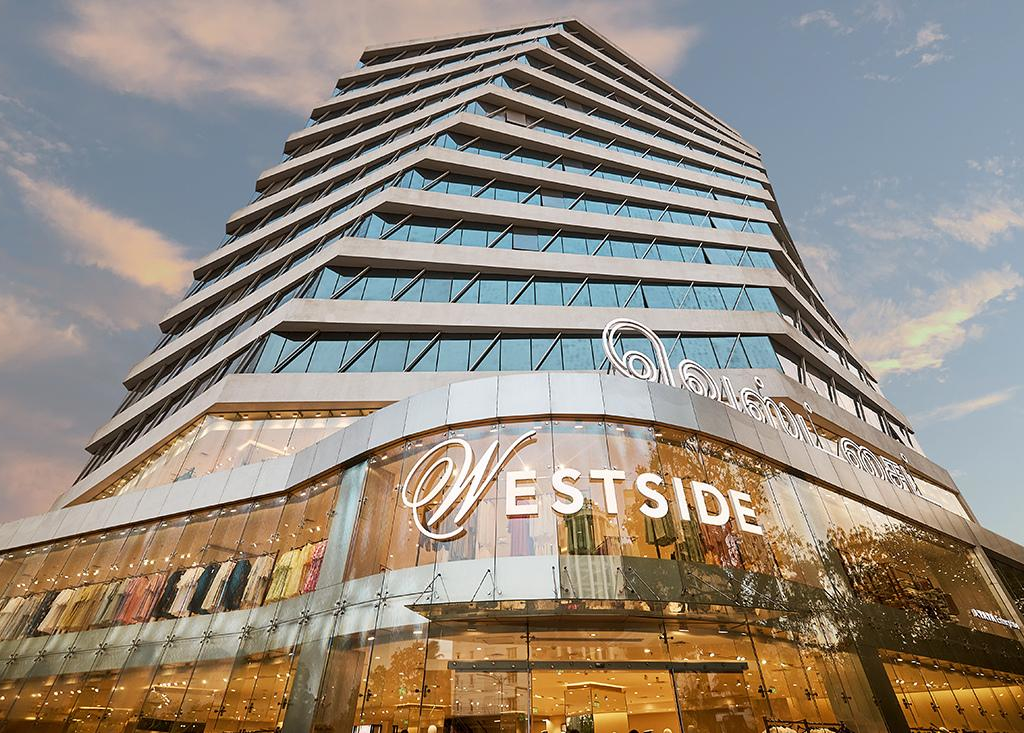
Westside: The Indian Wardrobe Guru

Westside never goes along with the crowd. It changes.
The older brother is cool, calm, and collected. He knows what’s good and plays with it with style.

Westside is the best place in India to find a balance between Zudio’s price-intellectuals and Zara’s high-end savvy.

Westside’s offerings:

  1. Kurtas, skirts, and casual clothes that cost between ₹699 and ₹2,999.
  2. The majority of the merchandise, 97%, are in-house brands.
  3. Regularly, the Fast N Fab collection drops new styles (Ref4)
  4. Psychological pricing that works: ₹999 sounds better than ₹1,000.

Westside isn’t loud, but it stays around.

It’s the most popular choice for:

  1. Working people
  2. Family shopping
  3. People who want to look good every day and get good deals

Is Westside India’s greatest overlooked fashion success story?
How many brands can combine the attitudes of tier 1 cities with the sensibility of tier 3 cities and yet make money?
Why does a customer trust Westside for both wedding kurtas and work clothes?

Westside may not get a lot of press, but it does get a lot of loyalty.

Linking Strategy Across a Nation

Take a second to look at the stitching here.
Tata hasn’t made three brands that compete with each other.
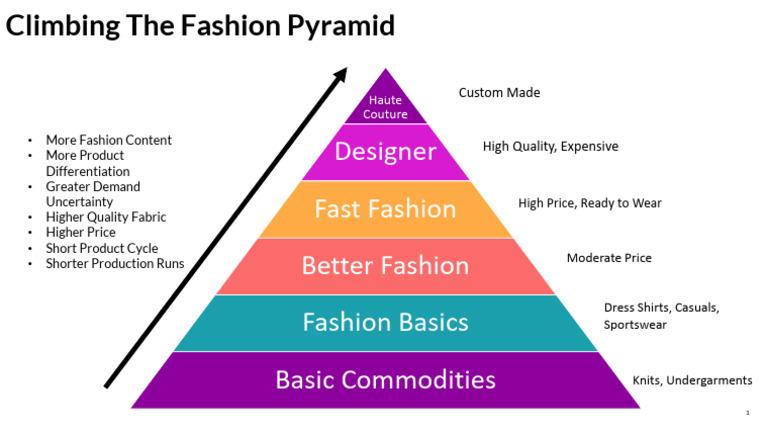
It has constructed a fashion pyramid, with each level made for a distinct group of people.

  1. Zudio is for young people on a budget who live in towns and developing cities.
  2. Zara is supposed to appeal to the wealthy urban elite with its trend radar and checkbook power.
  3. Westside is for the reliable mid-market explorer who wants everyday style.

This isn’t eating up other things. It’s planned design.
Every company understands exactly who they’re outfitting, what they want, and how much they’ll pay.
That’s segmentation with heart.

What the Numbers Look Like

Let’s talk about results, not fashion shows.

  1. In three years, Zudio’s sales went up by 3.5 times. By 2026, it will bring in 66% of Trent’s money.
  2. In FY23, Zara India made 77% more money with only 20 stores.
  3. In 2024, Westside made ₹40 crore in sales online.

What makes a fashion brand grow like a tech startup without utilizing influencers or billboards?
Are we seeing the rise of India’s first fashion industry that started in India?

Kavya Iyer, a fashion expert, says it best:
Tata didn’t make brands to dress India.
They made them to show off one part of India, one style at a time.

The Tata Way: Smart Fashion, Quiet Revolution

Tata doesn’t want to be famous on the internet.
There won’t be any fashion Twitter trends or runway shows where it shows off.

The plan is simple:

  1. Stay focused on the data
  2. Stay demand-driven
  3. Design with thought, not impulse
  4. Let actions speak louder than campaigns

While others march, Tata ships. Trustworthy.

More Stores, More Segments, and More Styles Are Coming Up

  1. By 2026, Zudio will have more than 1,000 locations and is getting ready for a big bang deployment.
  2. Zara India is focused on being environmentally friendly and growing slowly.
  3. Westside is growing its lifestyle verticals, which include e-commerce and home decor.

Tata isn’t simply in the apparel business.
It is making the board.

Final Stitch: So, Who Are You Getting Dressed For?

Fashion is never just fabric in a country this complicated.
It’s who you are. It’s want. It’s about access. It belongs.

Tata didn’t strive to put India in one uniform.
It made clothes that show India’s layers, lives, and places.

How do you think Tata’s strategy of having many brands has changed the way Indians buy clothes today?

So the next time you wear a Zudio shirt, a Zara coat, or a Westside kurta, think about this:
What problems can Tata run into as it tries to keep Zudio, Westside, and Zara India independent while also growing?

Please let us know in the comments below!

image

Trendy Products

India’s Viral Obsession : How Labubu, Stanley Cups and Matcha Are Redefining What We Buy

From products to personalities : Why India’s new consumer economy is driven by identity, aesthetics, and algorithms

Introduction 

India’s trendometer is always full of unexpected surprises, such creepy-looking trinkets, huge mugs, and health injections in a pretty shade of green.
But the question is, what really makes people buy goods differently?

What You’ll Learn From This Blog

  1. Why India’s biggest trends today are toys, cups, and green lattes
  2. How Instagram Reels are turning into the new supply chain
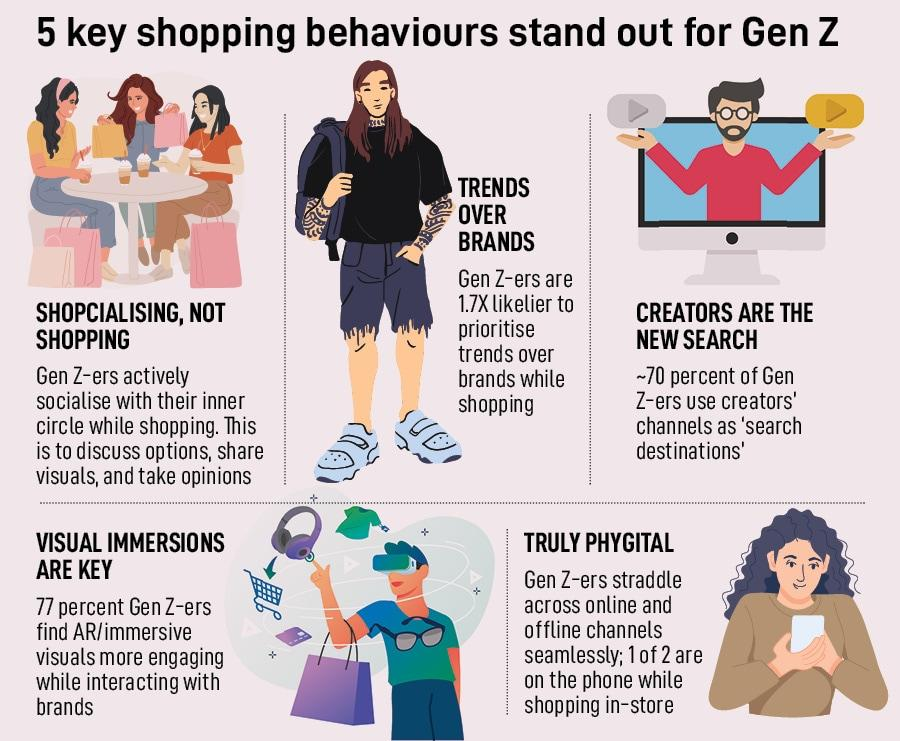
  3. Why Gen Z & millennials are buying identities, not just products
  4. The rise of micro-luxuries, when mugs, plushies, and matcha become status symbols
  5. How brands can ride virality with collectibility, aesthetics, and smart pricing
  6. The deeper shift: from consumption to curating vibes and self-expression
The New Rules for Becoming Popular in India

Did it even happen if it didn’t go viral on Instagram?

If you look at Instagram or Threads for a second, you’ll find that India is not just catching up with trends throughout the world, but also changing how they get there. In 2025, “going viral” will signify something different in India because of three things that used to be strange, expensive, or foreign :

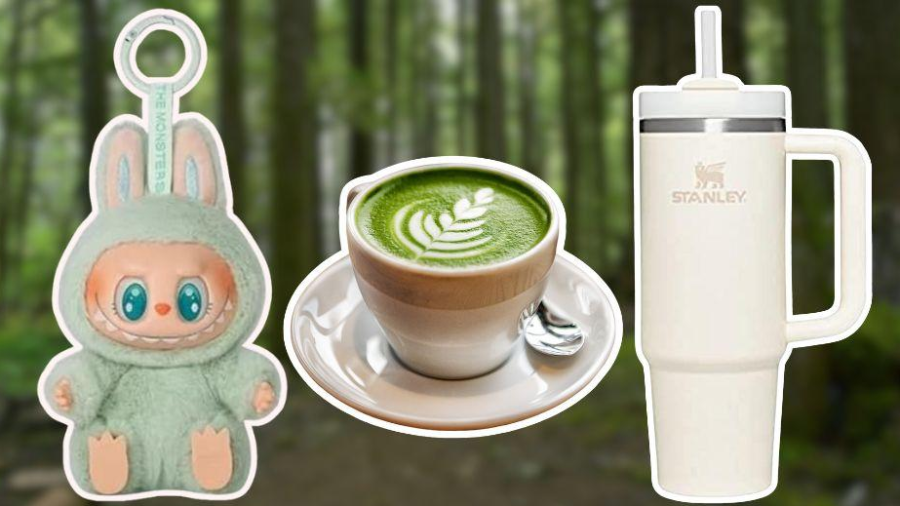
  1. The Labubu toy that looks “ugly-cute”
  2. The Stanley Cup for hydration
  3. The hero of green energy Matcha

Putting them all together shows us something deep: India’s young consumers care about more than simply price; they also care about stories, social issues, and brands.

If the price tag is becoming a story, are we really buying the object or the identity it provides us?

From Reels to Cash

Instagram isn’t just for scrolling anymore; it’s a way to shop without anyone knowing.

Instagram isn’t just an app in India these days; it’s also a place to shop and meet new people. The biggest trends don’t just spread through posts and articles; they originate there too, like green lattes and stuffed animals.

Trend Maker

People will want to buy a tote bag with a Labubu reel on it or a Matcha latte in a cup that matches the color of the bag. The platform gives awards to posts that have the proper blend of appearance, newness, and passion.

Is Instagram the next place to buy and sell trends? A 15-second Reel can establish a million-dollar business.

Labubu : Scary or Expandable?

Adorable? Creepy? Who cares? It’s a collectible!

It’s not a toy; it’s a person in your pocket.

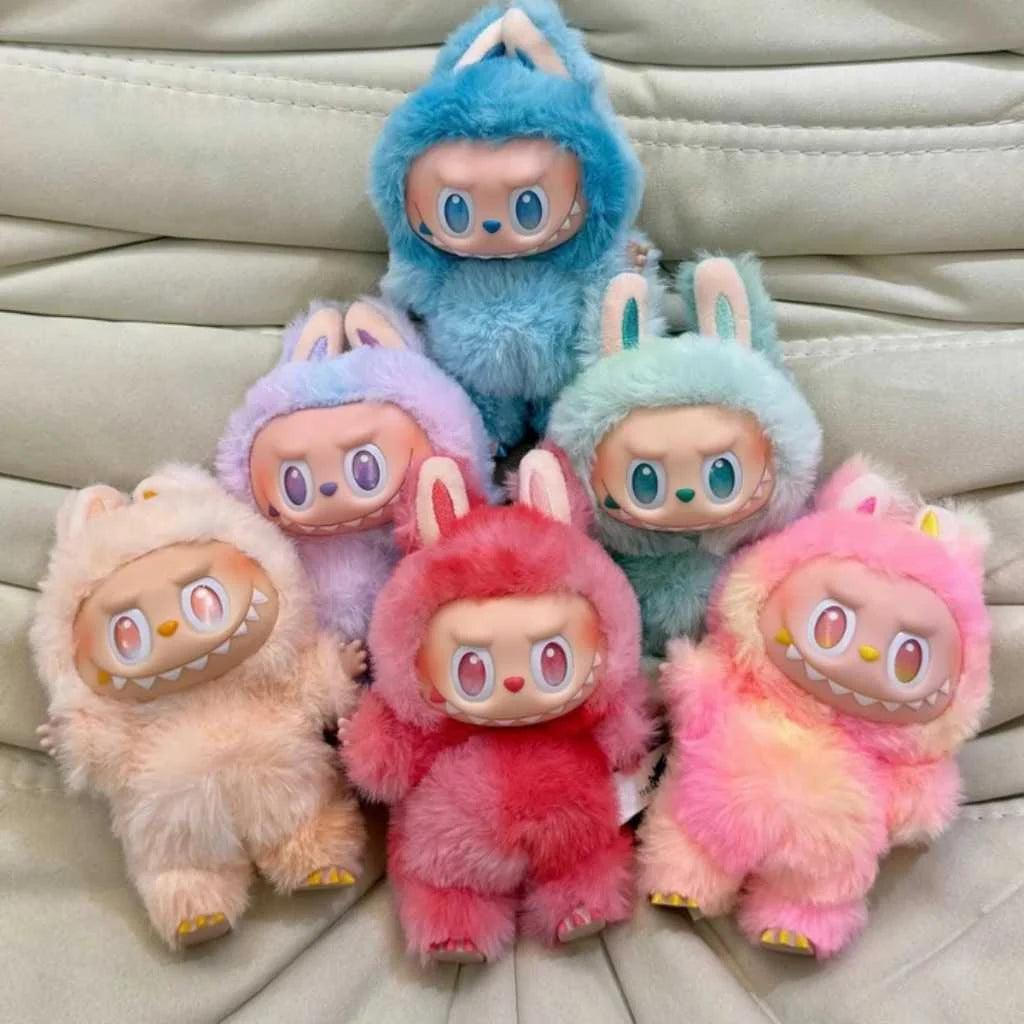
Labubu is the name of a cheeky plush figure with a toothy smile that hangs over the handle of a bag in your town. Kasing Lung, an artist from Hong Kong, came up with the idea for Labubu, but Pop Mart’s blind box sets made it a smash almost away.

Today? It’s all throughout India.

The Data doesn’t change :
  1. Pop Mart sold 100 million + Labubu units globally in 2025.
  2. The “Monsters” series generated ~$670 million revenue in early 2025 alone.
  3. Rare collectibles can reach Rs. 20,000 + in resale markets.

What’s all the buzz about?
Celebrities wear their Labubus like they wear expensive bags. The ones that are very, extremely hard to get? As a collector’s item, it might be worth more than ₹20,000, however it was sold in weird boxes for ₹3,500.

What if plushies became India’s next great thing? Would they be a sign of wealth?

Stanley Cups : How Drinking Enough Water Became a Habit

It’s not just water; it’s a part of you.

Do you think water bottles won’t ever be a thing? Think about it again.

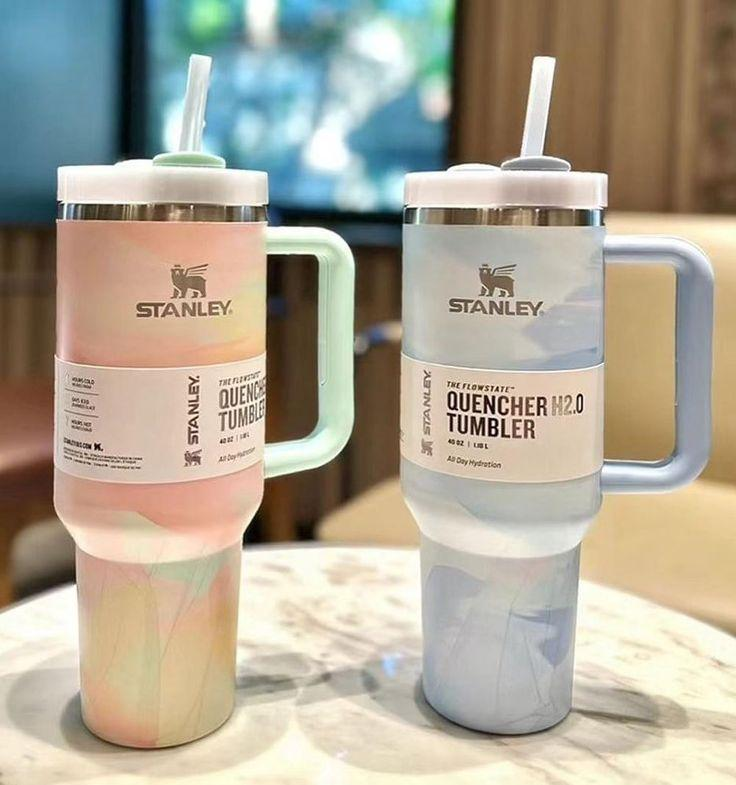
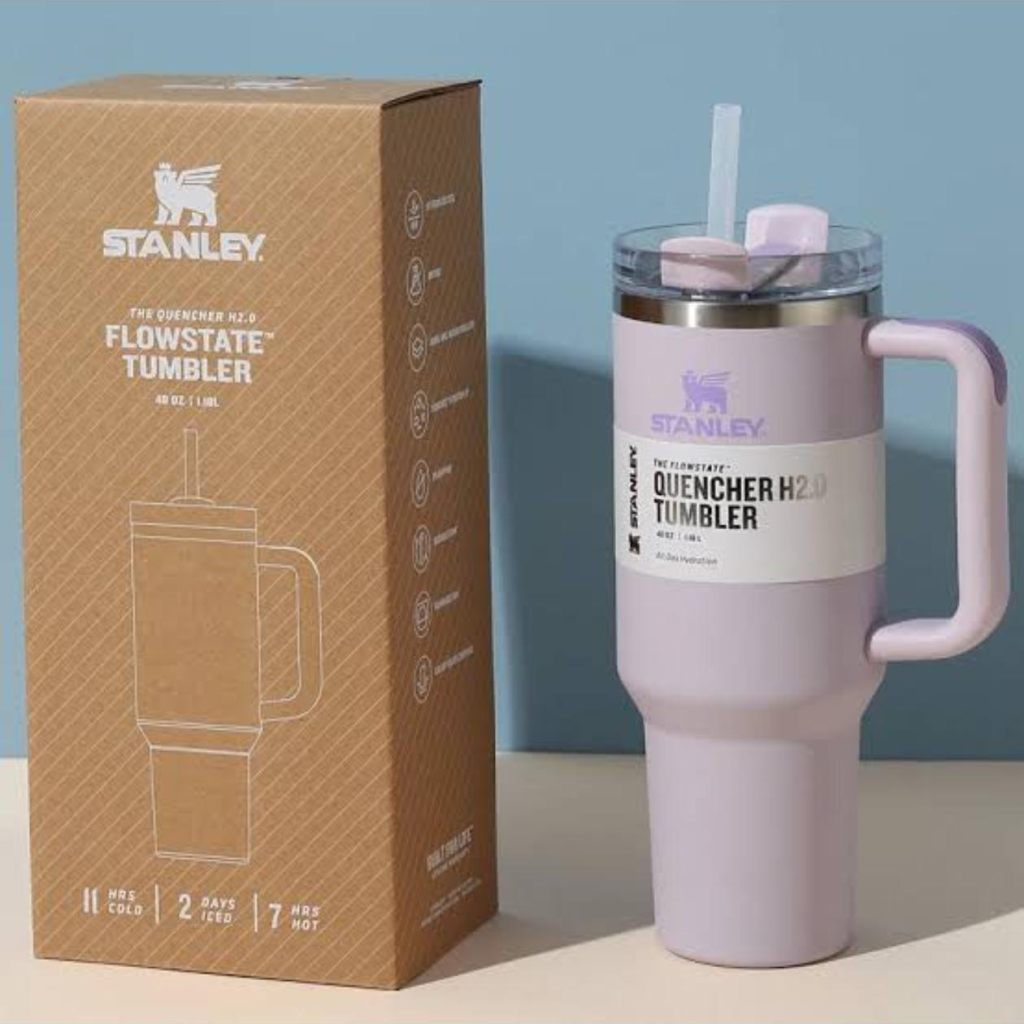
The Stanley Cup is a 40-ounce insulated cup that costs $45 (approximately ₹3,700). It’s the newest drink fad in India.

It became highly popular after going viral on TikTok, where the flaming automobile didn’t hurt the cup at all. This trend spread across the whole country.

This is what is happening :
  1. The Stanley Quencher went viral through influencer marketing and TikTok, highly transforming its status as a lifestyle product.
  2. The sales increased rapidly, with the brand’s annual revenue jumping from $70 million in 2019 to $750 million by 2023.
  3. From 2020, the Quencher has been Stanley’s bestselling item, which shows that one viral product can effectively change a business’s overall operations.

And it won’t stop there. College students are wearing dupes, and even stores like Good Earth and The Wishing Chair are getting more customers who desire similar fashions.

Are we really thirsty? Or just trying to be noticed?

Matcha Vibes That Go Together

Who would have thought that something bitter could look so sweet on Instagram?

Green isn’t terrifying anymore. It’s fashionable.

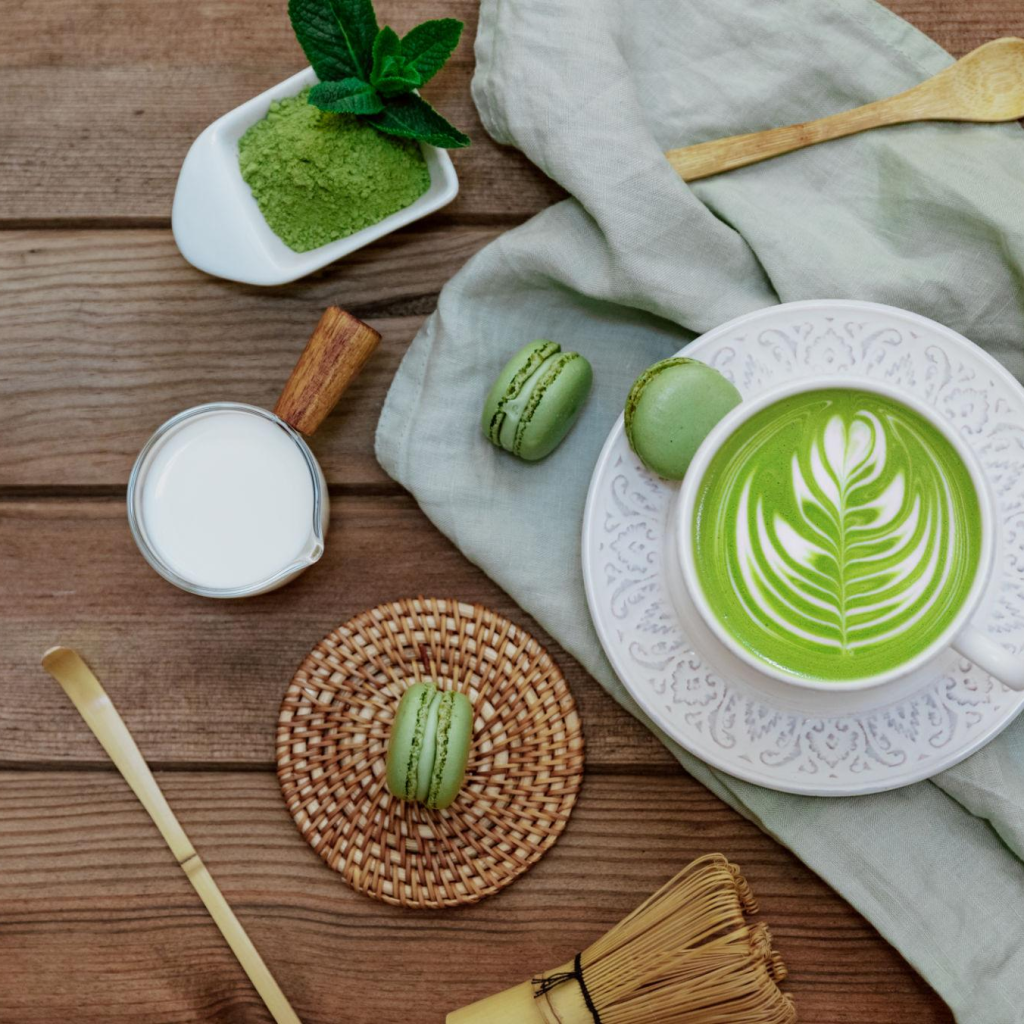
Let’s talk about Matcha, the drink that used to be popular with health freaks but is now everywhere, from cafes to yoga studios to Reels.

The Japanese green tea powder used to be renowned for being bitter and weird, but it has evolved totally and is now a sign of a healthy lifestyle for young people in India.

The Quick Growth of Matcha :
  1. India’ matcha market was valued at approximately $41.9 million in 2024, and is projected to reach $96.4 million by 2033, growing nearly at a CAGR of 9.8%.
  2. Globally, matcha is already a multi-billion-dollar category, projected to grow from $4.28 billion in 2024 to $7.59 billion by 2030.
  3. Consumer interest in matcha has grown dramatically, with a 200% increase in worldwide searches for matcha-related drinks.

Busy coffee shops are selling a lot of lavender lattes and matcha-coconut floats. Nasi and Mee play with panna cottas and French toast.

What’s next if green tea beats coffee at its own game? A coup by turmeric lattes?

Viral vs. Vanity : Are These Better Than Beauty and Makeup?

Why buy lipstick when you can flex a latte?

Beauty and cosmetics have been a big part of who we are and what we seek for a long time. But now, things like mugs, souvenirs, and drinks that go viral are starting to fill the same cultural niche.

Instagram is the new place to buy cosmetic products. People are sharing photographs of mugs, lattes, and toys to cuddle with instead of lipsticks on their profiles.

  1. Makeup isn’t the only thing that makes someone beautiful anymore.
  2. Lifestyle products are the new status symbols.
  3. Viral looks are equally as popular as makeup companies that cost a lot of money.

Could cups, toys, and green lattes be the next big thing in beauty in India?

What do these developments have in common?

Different things, same addiction: getting likes on Instagram.

These three patterns show a big and very important change in how people in India acquire products, even though they are being used in quite different ways.

The Strings That Tie Together :
  1. Emotional Utility is more significant than Functional Utility.
  2. Social virality is what makes people use it.
  3. Pretty package = instant happiness
  4. “Little luxuries” are becoming more common in everyday life.

Is this the time of micro-luxuries, when a cup is worth more than a car?

How a Post Turns into a Trend

From one post to one crore sales, welcome to the new supply chain.

  1. It starts with a scroll : For fun, someone presents you a lovely mug, a green drink, or a weird plush animal.
  2. Hearts, Shares, and Hype : Friends double-tap, followers share, and comments come in asking, “Where did you get this?”
  3. Shops Get It: Brands and online stores go berserk. Restocks, dupes, and clones show up soon after.
  4. FOMO Begins : Everyone has to get in. Are you trending if you can’t see it on your feed or in your pocket?
  5. Boom. It’s going around : A simple post has become very popular. From coffee shops to college campuses, everywhere.

Are algorithms the new trendsetters, and are brands merely trying to catch up?

So, what does this mean for Indian brands?

A viral Reel is the best ad; don’t worry about billboards.

Listen up if you own a D2C business, work in marketing, or just like to keep up with trends :

  1. Design for Collectibility : like with Labubu, a mystery, a lack of something, and an emotion might make someone want to collect it.
  2. Position Utility as Aesthetic : Stanley shows that even a bottle can be a fashion statement.
  3. Ride the line between health and beauty : Matcha is a great example of both in real life and in movies.
  4. Price Smartly : Customers want high-end experiences but low-cost means to achieve them, just like the previous three trends.

Is the marketer really the new influencer if content is what drives consumerism?

What Are We Really Buying?

It’s not toys, cups, or tea. It’s all about the vibes.

We are buying parts of ourselves, including feelings and attitudes.

  1. People who buy Labubu don’t just acquire a toy.
  2. The individual drinking from the Stanley Cup isn’t just drinking water.
  3. The Matcha drinker isn’t only getting antioxidants.

They are paying for a version of themselves that is beautiful, innovative, and looks to the future.

Are we renting identities or buying goods till the next big viral moment?

Let us know what you think in the comments below! 

image

Green Economy

From Waste to Wealth : How Indian Startups Are Turning Trash into Treasure

How India’s green economy is transforming waste into opportunity, innovation, and impact 

Introduction

From fragrant incense sticks to financial success, prayers are being turned into profit (as well as compost) by this new startup called Phool. 

While India is experiencing an ever-increasing amount of waste that is being generated, there exists an opportunity to create an entirely new economy built on the waste we produce, via innovative companies like Phool, Cancrie, and Taruwar Agro.

More than just an environment-friendly story, these companies are creating a new economy while utilizing the principles of eco-design (design for the environment), technology and community-based engagement to reform how we define sustainability.

In this story, you’ll explore :

  1. India’s growing waste crisis and the hidden potential inside it.
  2. Startups like Phool, Cancrie, and Taruwar Agro are redefining waste through innovation.
  3. How eco-design, tech and grassroots engagement are changing the sustainability game.
  4. The human impact on rural jobs, urban futures, and environmental dignity.
  5. Challenges ahead and the collaborative power needed to fuel this green revolution.
  6. The emergence of waste as India’s next economic success story.

Dumpyards to Dreams

Not only are India’s trash heaps becoming bigger, but they are also trying out for the role of the century : economic goldmines.

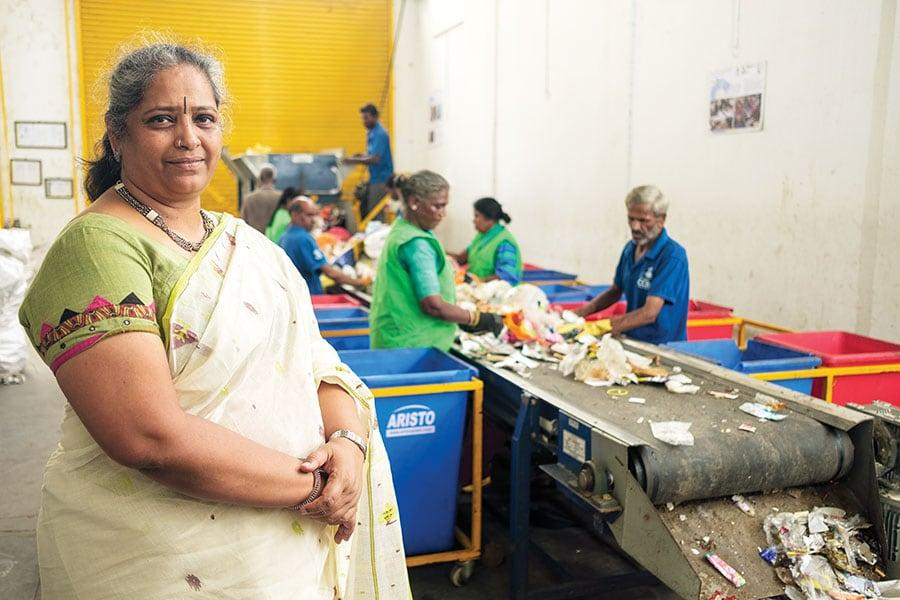
India produces 62 million tonnes of waste annually, with an expected increase to well past 165 million tonnes by 2030.

Although the collection processes have greatly improved with the collection of approximately 90% of disposed waste, actual processing of collected waste remains the biggest challenge.

Only 50-55% of total waste generated is treated in a scientifically based manner, with large quantities of waste either going to landfills or being left unprocessed and creating pollution of the air, water, and land.

However, while others view garbage, entrepreneurs view gold and create businesses from it.

 This is where garbage and innovation meet.

Where Temple Offerings Become Earth-Friendly Incense

Sacred flowers can light up your living room and cover someone’s income, so why let them rot in rivers? Spiritual recycling is not merely a trend; it is a profitable economic strategy.

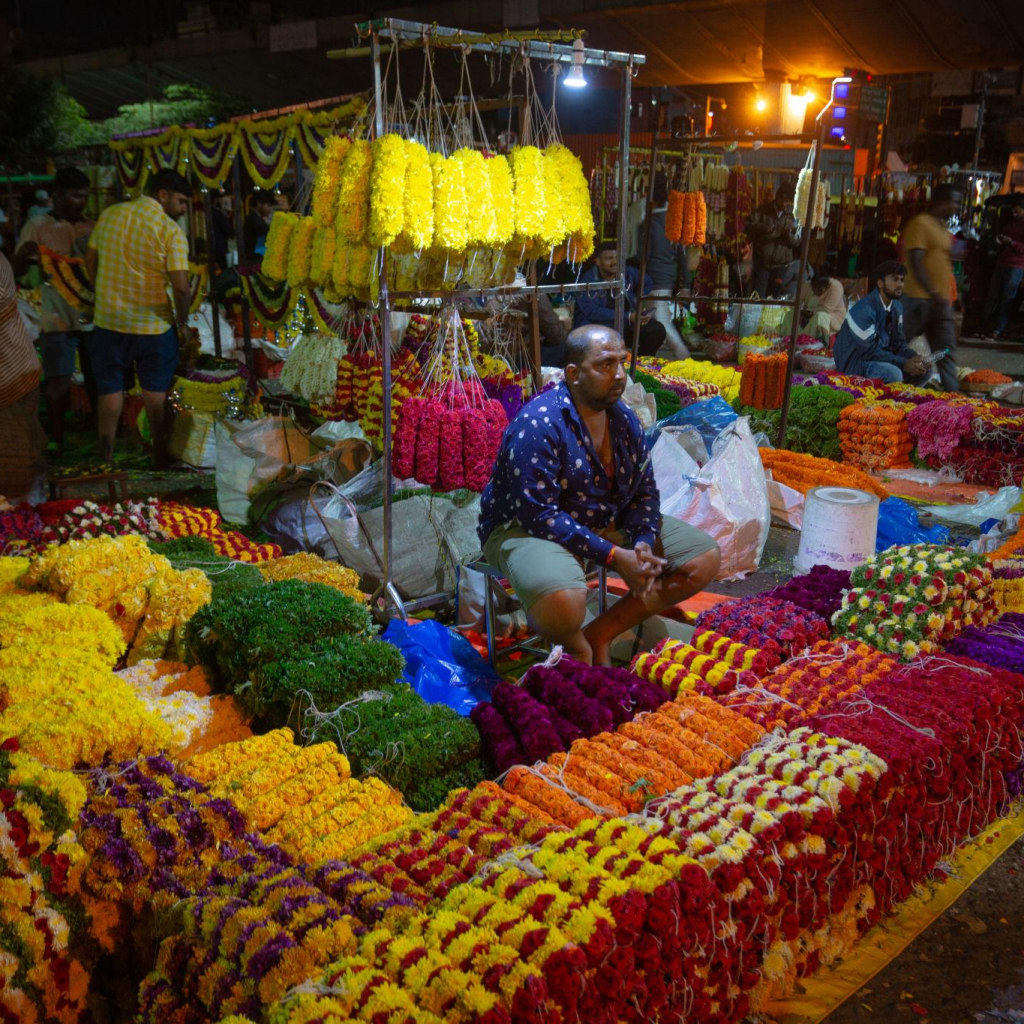
 Imagine this: The pungent smell of marigolds, flowers strewn on a temple altar, a minute of prayer and then discarded in rivers and drains.

 Imagine those same flowers being brought back to life as pungent-odour-smelling incense sticks, organic manure, or even biodegradable packaging foam.

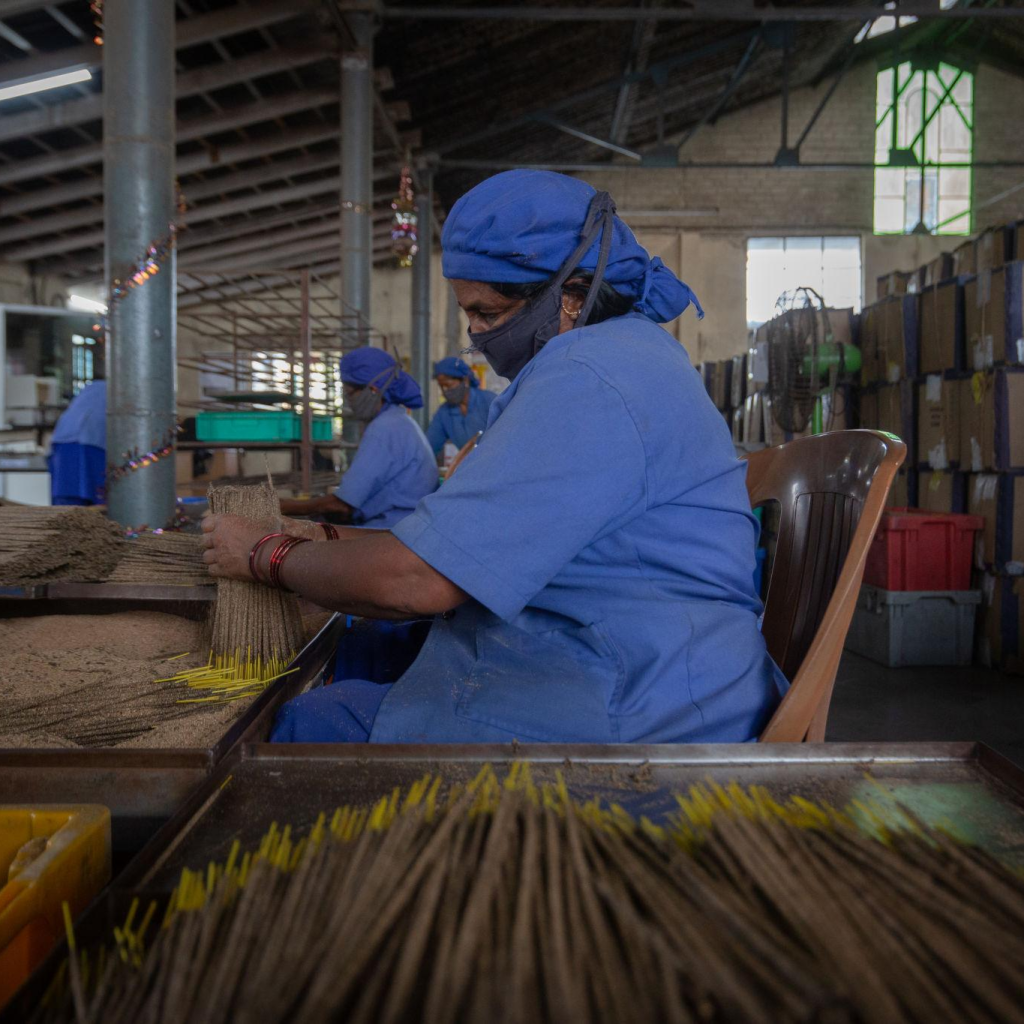
That’s the miracle Phool is working in Kanpur. By saving flower waste from temples and transforming it into new life, they’ve not only created green products but sustainable incomes for dozens of poor women.

If flowers can be reincarnated as incense, can we reimagine every ritual waste as a blessing for the planet?

This is not recycling, it’s spiritual renewal.

Can We Turn Scraps into Solutions?

 Yes, we definitely can, as one man’s trash is another man’s startup pitch!

Let’s put the spotlight on some of India’s brightest minds changing the way India manages its waste :

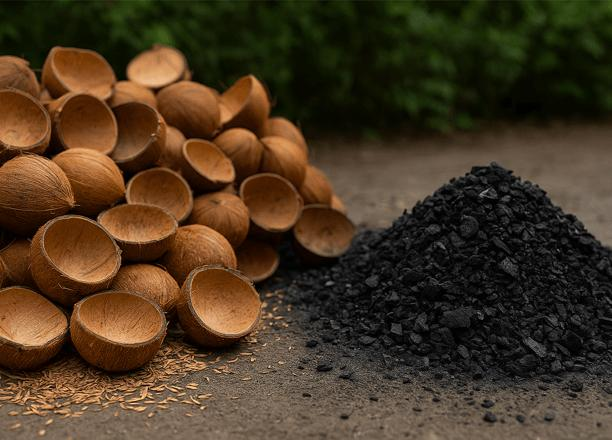
1. Coconuts, Carbon, and Clean Energy : The Cancrie Breakthrough

When life gives you coconut shells, make EV batteries that outrun yesterday’s tech. Lets see how Cancrie is actually doing this.

Cancrie converts rejected coconut shells into cutting-edge nanocarbon materials, boosting electric vehicle batteries by 125%.
Waste is no longer waste; it’s driving the future of clean mobility.


This is a waste-driven future.

If discarded coconut shells can supercharge electric cars, what other ‘kitchen waste’ is secretly waiting to run the future?

2. Banana Waste : a New Source of Livelihood

 Bananas nourish the nation, but the huge stems and trunks after harvest? Typically incinerated or wasted.

Taruwar Agro seized the chance. They make the most of banana waste by making handicrafts, sanitary napkins, and plant-based leather out of it.

The ripple effect? Farmers earn more, rural women are employed, and supply chains remain environmentally friendly.

This is farm-to-textile innovation in action.

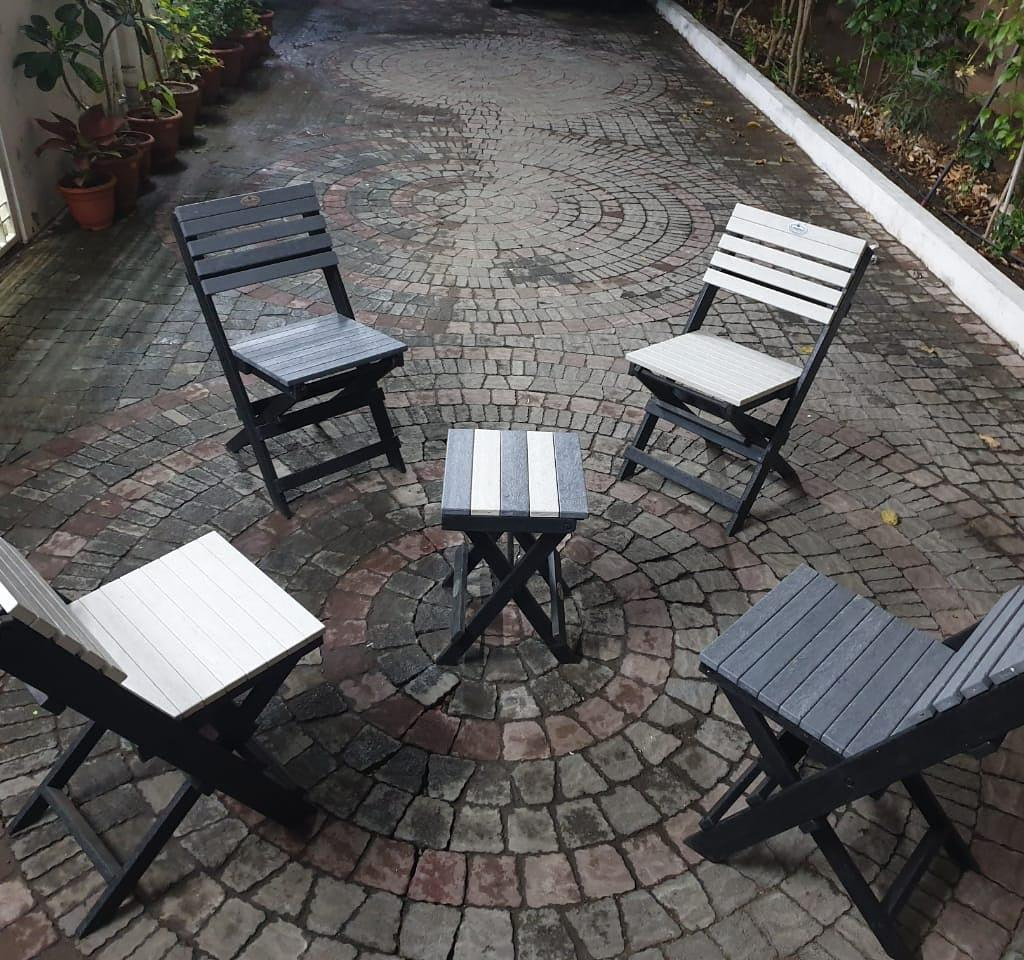
3. Plastic Waste Transformed into Beautiful Urban Furniture

At econscious, years-old plastic bottles don’t vanish; they reappear as chic garden chairs, city planters, and outdoor sculptures.

Their shape isn’t only saving waste but also training green manufacturing unit workers, particularly women.

Where sustainability meets beauty.

4. Ritual to Revenue : The Phool Model

 Phool recovers almost 4 tons of temple flowers daily, upcycling them into eco incense, organic manure, and biodegradable Styrofoam substitutes.

 They’ve even patented a process called “flowercycling.”

 What’s unique about them? Their workforce is comprised of Dalit women, providing the marginalized groups with economic clout and dignity.

 This is culture-led impact innovation.

5. A Technology Firm That Runs on Windpower And Produces   Its Food

 Sasken Technologies greened its Bengaluru campus from solar panels on top to organic farms on campus plots. Even the cafeteria is zero-waste.

In an era of carbon-intensive IT parks, Sasken demonstrates what a sustainable workplace looks like.

6. Schools That Teach Climate Action By Design

 EuroSchool Bengaluru was constructed from recycled materials, features mechanisms for waste management, and is driven by green processes that engage students in the process.


This is not a school, but it’s a living sustainability laboratory.

If children grow up learning in buildings made of recycled waste, will ‘throwaway culture’ just become ancient history for them?

Why Is Innovation the True Hero in This Story?

Being creative in this economy means not only thinking beyond the box, but also creating the box out of banana fibre.

From banana stems to coconut shells, each solution here is informed by inventive imagination, scientific innovation, and circular thinking.

These startups are not recycling, rewiring supply chains, maximizing resources, and minimizing the environmental price of daily life.

This is not waste management, it’s waste renaissance.

People Behind the Progress


Behind each pathbreaking startup is a larger goal : people.

  1.  Phool is bringing dignity to Dalit women through safe livelihoods.
  2.  Taruwar Agro is generating secondary income for farmers in remote villages.
  3.  econscious is empowering women with sustainable production lines.

People of Phool

People of Phool Akhilesh comes from a small village in the countryside outside of Uttar Pradesh. She relocated to Kanpur because she thought she could have a good life and take care of her family there. 

She had worked hard on a lot of things before and knew she deserved respect, good working conditions, and a stable career. After years of looking, she found all of this at Phool.

Akhilesh had never rolled incense until she started working for Phool three years ago. But over the years, she learned how to roll incense and did it quite effectively. She is now really good at rolling incense. She even shows new employees how to do it and is glad to work with a group of women who appreciate her work.

Akhilesh is a severe but kind woman at home. She is a loving mother of three and likes to spoil her kid by purchasing her little things. The best part of her day is the evening when she plays with her two grandsons. She is happy that her family is growing.

Trash isn’t just a problem for the environment. 

It’s also a moment for social justice. 

Not Without Hurdles : What’s Holding Things Back?

 Though the momentum is there, the path of waste-to-wealth is hindered by real barriers:

  1. Inadequate segregation of waste at the source
  2. Insufficient municipal support
  3. Low consumer awareness
  4. Scaling technology in rural and informal environments

But momentum for public-private partnerships, green politics, and people-power campaigns is gaining momentum.

 The next step will be collaboration.

The Green Economy Is Coming Into View and Waste Is Paving The Way

From 2021 to 2024, the Special Campaign drives have created more than Rs. 2364 crore in total revenue from scrap disposal, with approximately Rs.650 crore generated from the Special Campaign 4.0.

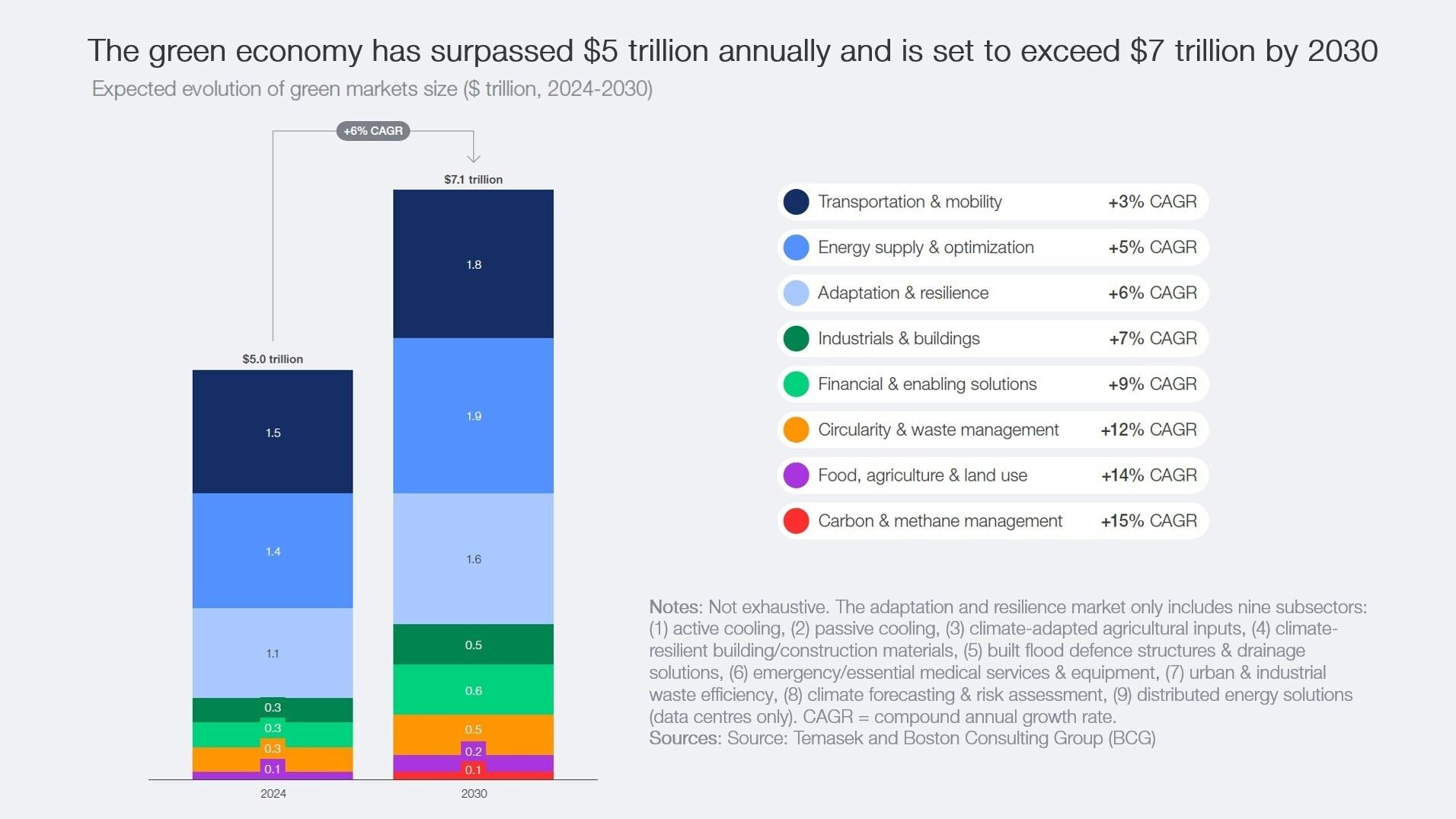
India’s transition to the green economy is expected to create millions of jobs, with long-term projections estimating over 50 million jobs as the country moves towards net-zero goals.

 Waste is increasingly being utilized as a primary driver in India’s green economic powerhouse as startups scale and grow :

  1. Decreasing raw material dependence
  2. Spinning Rural Jobs
  3. Attracting ESG Investments
  4. Ramping up local production

The circular economy is no longer a theory. It’s in action.

Where Do We Fit In?

 You don’t have to start a startup to be a part of it.

  1. Shop at sustainable brands.
  2. Practice simple waste segregation at home.
  3. Support green local initiatives.
  4. Spark debate on sustainability in your social circles.

Your wallet, your shopping bag, your Instagram feed, all are weapons in this green war. Choose wisely, spend smartly, post loudly.

If one household can spark change, how big could the movement get if your entire neighbourhood got on board?

If our trash could talk, would it brag about becoming tomorrow’s hottest business opportunity?

No action is too small. No voice is too small.

From the Margins to the Mainstream : Trash to Treasure

The good news? The revolution has only begun.

 With more founders entering the industry, more capital pouring in, and more citizens participating, the transformation is gathering speed.

 Waste from yesterday is becoming tomorrow’s prosperity; financially, socially, and environmentally.

 Let’s keep this momentum going.

What waste-to-wealth concepts do you think can shape India’s future?

Let us know what you think in the comments below!