admin-ajax

Celebrity Brands

The Bollywood Brands: Why Celebrities are Launching Their Own Brands

Lights, Camera, and… Commerce!

Your next skincare guru may have an IMDb profile.

You may have noticed that on Instagram or while shopping online, you’ve come across a brand with a founder that you have watched on the big screen or TV.
It might be a fashion company, a skin care company, or a children’s apparel company. You might be shocked at first. How did your favorite star make the transition from acting or sports competition to creating their brand?

It might be surprising at first. What did your favorite celebrity do after they acted on screen or competed in sports?

This transformation was not overnight. It was initiated by some of the first pioneers who felt there was potential to do something more than sell commodities. Think about Salman Khan, for example. He began Being Human, a causewear brand, donating to charities and making it possible for his fans to engage with him beyond the screen. It was one of the first times a Bollywood icon dabbled in entrepreneurism on a grand scale.

Dialogue Delivery to D2C Marketing:

1. The Living, Breathing Brands of Celebrities
Celebrities are becoming more than actors or athletes; they are turning their everyday lives, personal beliefs, and philosophies into brand personas that greatly resonate with their admirers.

2. Selling Parts of Their Way of Life
Celebrities are monetizing their habits into products that fans can purchase, from parenting routines to fitness and beauty regimens.

3. The Celebrity Brand Boom in India
The industry is growing with companies ranging from skincare products endorsed by popular movie and sports personalities to eco-friendly kids’ wear created by celebrity parents.

4. Leaving a Legacy Beyond Stardom
These are smart businesses that leverage influence, imagination, and vision to last well beyond the applause; they are not simply celebrity extensions.

Are these activities well-packaged business strategies or passion ventures?

What You Will Learn from This Blog:

  1. What is involved in a Bollywood celebrity launching their brand
  2. What sets celebrity-owned brands apart from other brands
  3. Celebrities build their businesses for business purposes, including to own their image, be innovative, and leave a legacy
  4. The strategies and frameworks through which celebrity companies thrive, right from product creation to strategic alliances with other businesses
  5. Being Human, Ed-a-Mamma, and Kay Beauty, among several others, are good examples of how the stars’ personalities and values are embedded in their work
  6. Emotional and ethical shopping is becoming a trend, and fans are purchasing stories, not products
  7. India’s flourishing fashion and beauty industry, and why celebrities are at the forefront of this movement

Why are These Stars Opening Up Their Brands?

Our beloved celebrities are creating not only characters.
They are creating brands as well.
But why so?

The simple answer is:
Control, Access, and Imagination.
  1. Management of product and image: Rather than just temporarily lending their face, celebrities can manage all aspects of the brand, from product creation to campaign deployment. This provides them with a more fulfilling, creative existence.
  2. Independence and diversification: Building their brand enables celebrities to generate multiple streams of income, freeing them from reliance on fickle ventures such as movies or endorsements.
  3. Legacy creation: Most stars not only desire to be well known for their sport or their art, but also to be well known as successful entrepreneurs who have left a lasting legacy.
  4. Fans demand more: Fans demand more and more genuine experiences and a glimpse behind the curtains. Artists can connect with their audience at a deeper level if they possess a personal brand.

And here’s some background information to place this into context on just how large this is becoming:

  1. The Indian fashion industry revenue is estimated to grow from $14.68 billion in 2024 to $17.24 billion in 2025.
  2. The beauty and personal care industry is estimated to grow from $31.51 billion to $32.53 billion within the same timeframe.

Celebrities taking these growing markets with brands aren’t just joining the fray; they’re cutting the path.

What can the celebrity brand economy grow into in the next ten years?

The Personal Brand Playbook

It is not about slapping a name on a product. Most businesses started by celebrities are extremely personal, often arising out of the actual pain points or passions of the celebrity, whether it is acne issues, motherhood, or green issues surrounding fashion.

  1. Establishing emotional bonds: When the fans notice that the celebrity is discussing their actual issues or interests on the brand’s platform, they become from buyers to loyal customers.
  2. Narrating stories matters: Celebrities share on how and why their companies began on their sites, and this makes marketing seem authentic rather than manipulative.
  3. Product innovation: Celebrity brands invest heavily in research and development to create products that are helpful and valuable to humans.
  4. Social causes: Celebrity companies are also socially ethical, in many cases through philanthropy or sustainability, which is a method of engaging with fans and establishing trust in the brand.

It’s More Than Famous People. It’s More Than Celebrity. It’s Strategy

It’s More Than Fame.
It’s a strategy.

Fame will open doors, but it takes a great deal more to keep doors open. Successful celebrity brands are built on sound market research, fine products, and smart partnerships.

  1. Partnership with experts: Celebrity business owners collaborate with market experts to prepare their brand for the market and attract consumers.
  2. Decision-making driven by analytics: Leveraging analysis and consumer data to refine their products and marketing approaches works for brands.
  3. Long-term planning: Rather than short-term gains, successful celebrity brands have a long-term plan, introducing product extensions and new markets slowly.
  4. Team building: All celebrity entrepreneurs have a support team working behind them, i.e., operations, marketing, finance, and innovation, to maintain the brand.

If a celebrity steps out of day-to-day operations, can their brand still succeed?

Key strategies are:

  1. Niche targeting based on their identity or interest
  2. Cross-sector influence across fashion, beauty, wellness, and children’s wear
  3. Strategic use of social media for actual, direct marketing to millions
  4. World ambitions outlined to expand beyond Indian waters

Bollywood Celebrities Winning Hearts of People With Brands

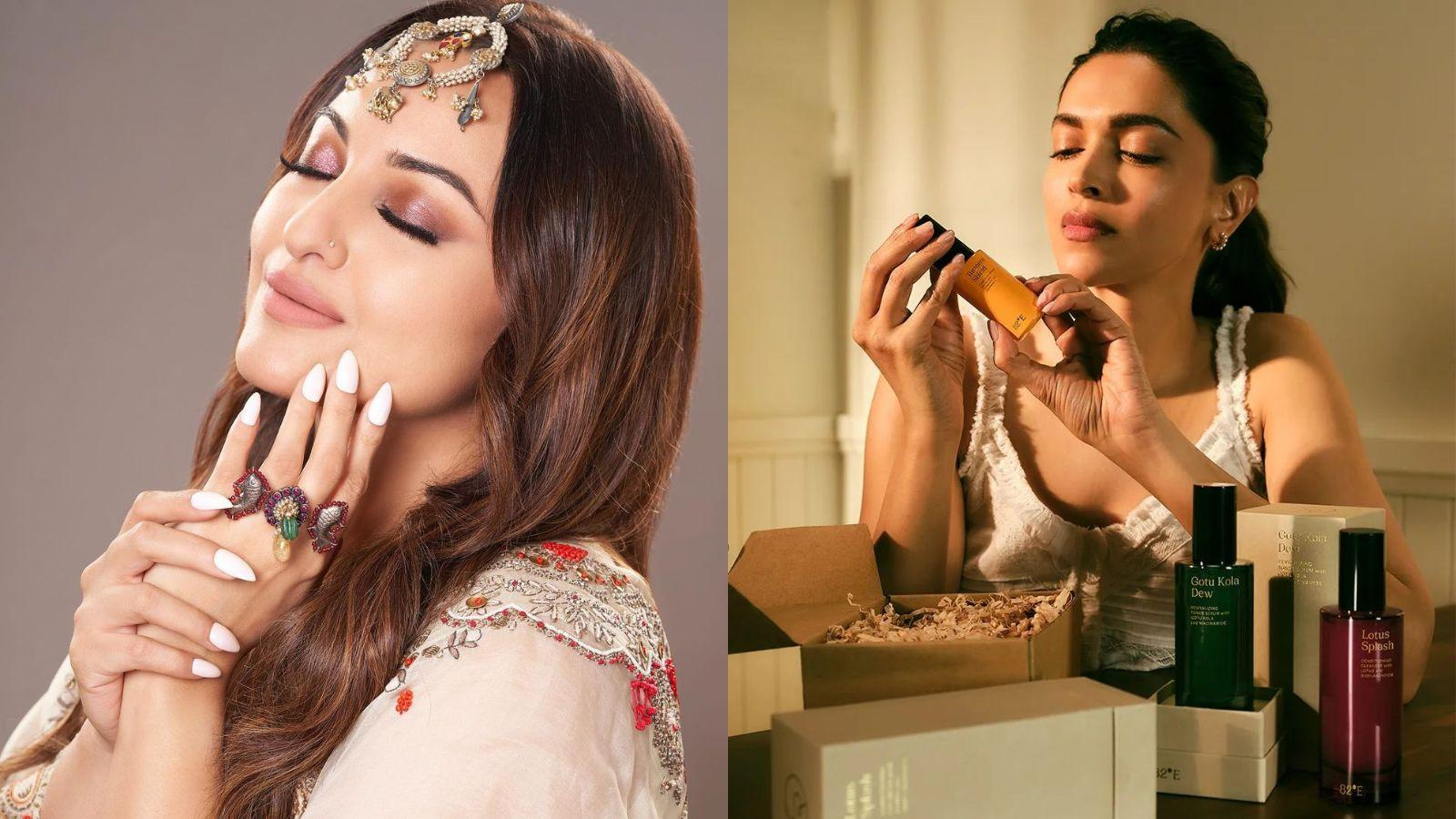
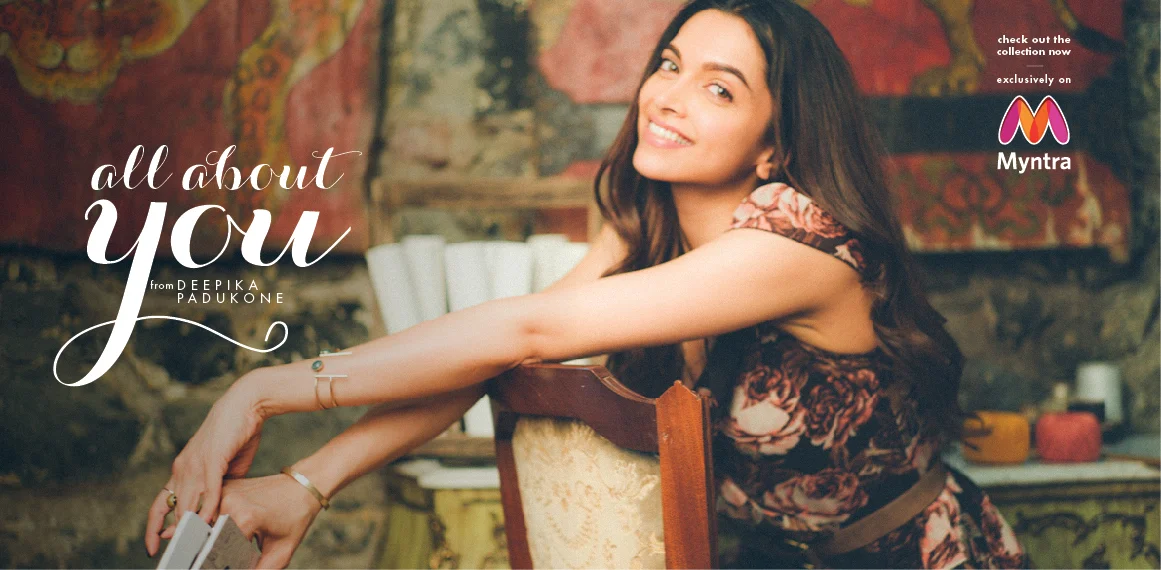
  1. All About You by Deepika Padukone: A collection that presents soft, feminine daywear and an extension of Deepika’s fashion. Versatility and comfort are the brand’s concerns, and hence can be draped by the modern woman, who performs various jobs. Being a contributor to the process of bringing about the designs, the brand also reflects her taste.

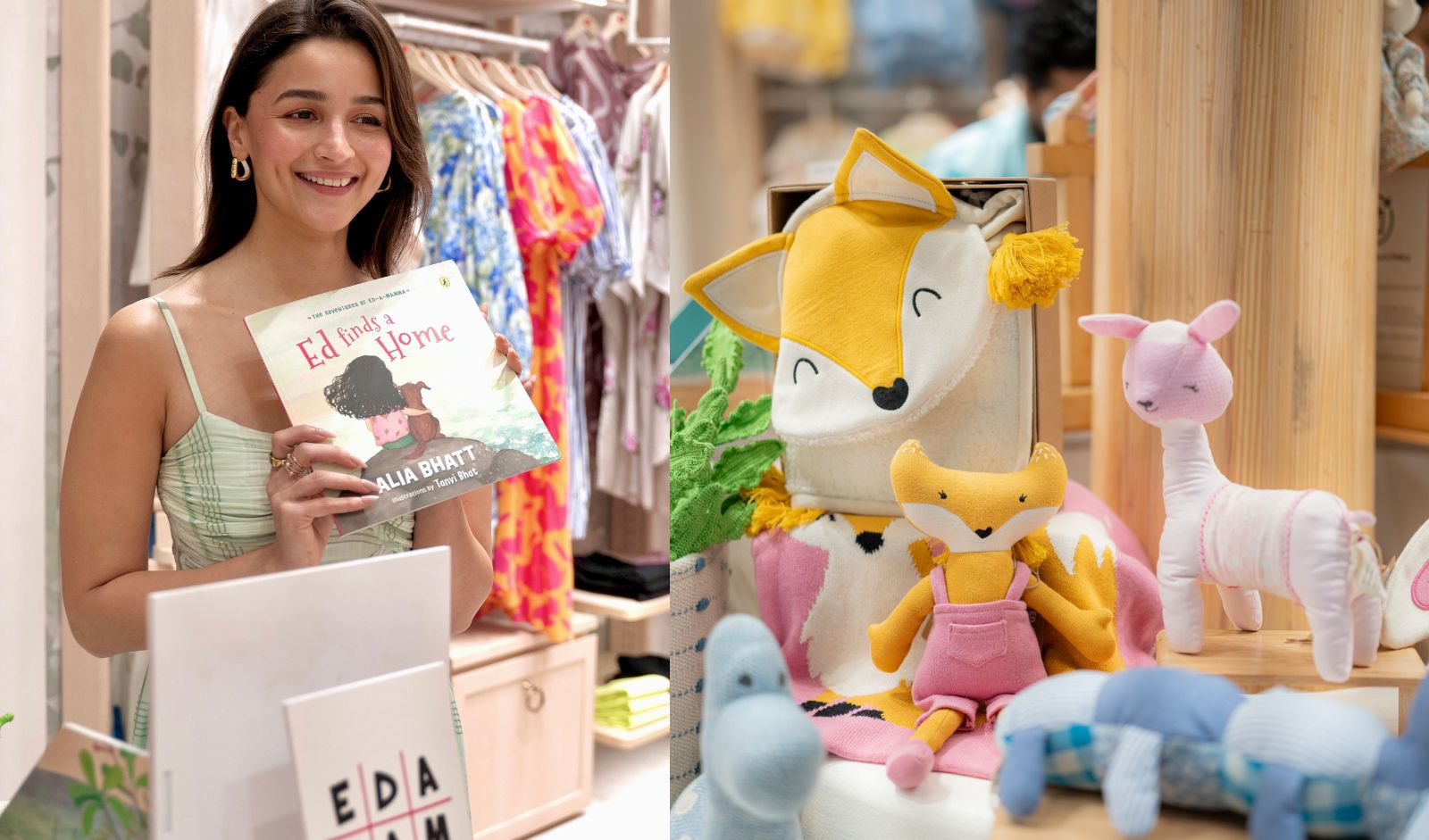
  1. Alia Bhatt’s Ed-a-Mamma: A children-wear brand that is a specialist in value-for-money, eco-friendly kidswear. It aims to make fashion more ethical and sustainable. The brand also attracts young mothers by providing them with parenting advice along with experiences with its products.

As Alia herself mentioned in her interview:
It’s not about the money. Money doesn’t attract me to any brand to invest in, promote, or produce. It’s the story; I’m a storyteller first. It’s always the story.

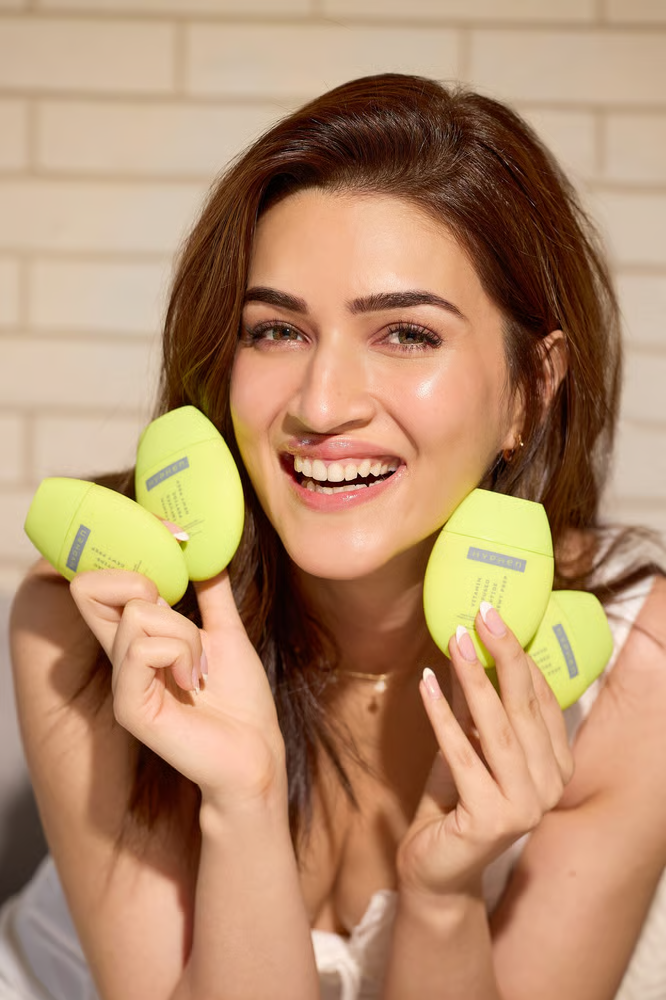
  1. Hyphen by Kriti Sanon: A Minimal skincare brand that leverages Kriti’s personal history of having healthy skin. The brand is centered around minimal and easy ingredients and routines, not to keep having exhausting and lengthy skincare routines. Kriti frequently uploads personal skincare routines, which is a credibility boost.

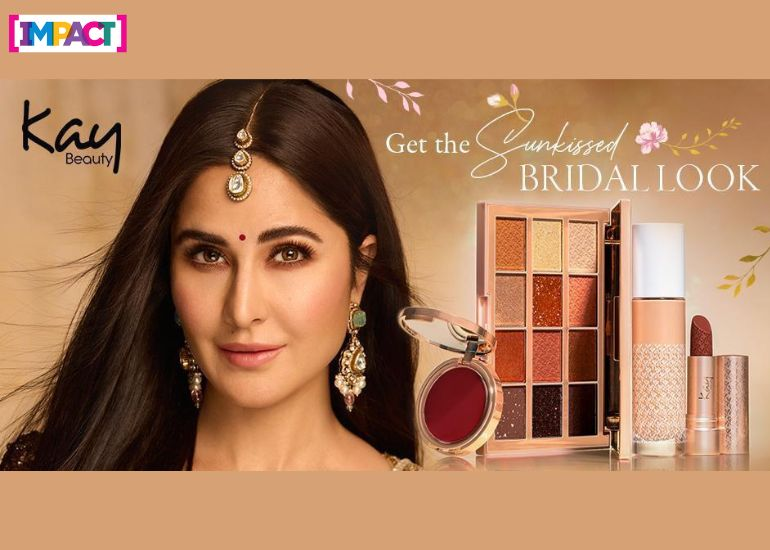
  1. Kay Beauty by Katrina Kaif: Luxury beauty brand that has a broad range of shades and high-performance products, co-founded with Nykaa. Diversity is the zeitgeist, with a grand canvas of skin tones that mass brands tend to ignore. The association with Nykaa adds e-commerce know-how, making the brand economically scalable.

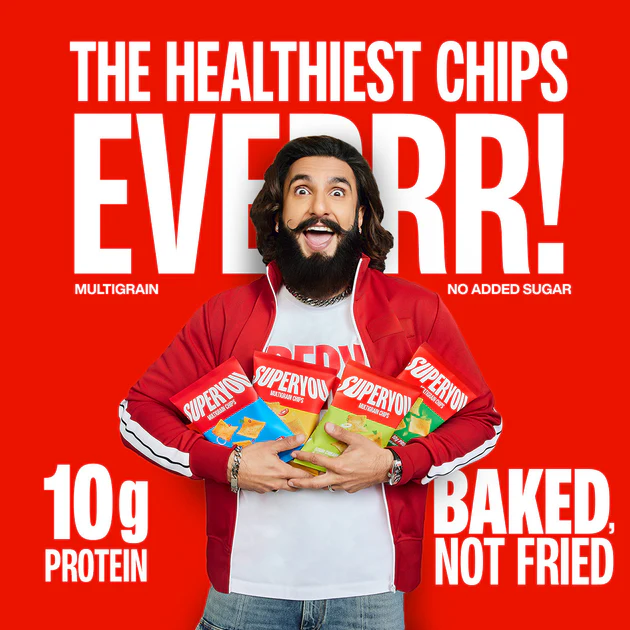
  1. SuperYou by Ranvir Singh: When they joined forces, Bollywood giant Ranveer Singh and FMCG sector veteran Nikunj Biyani had no other plan than to sign another celebrity endorsement deal. They wanted to cure our gigantic protein deficit, which is a silent nutritional tragedy in India.

Some of the ways that SuperYou is shaking up the nutrition industry are as follows:

  1. Filling in the Gap: Not much is known about the lack of daily protein intake among most Indians.
  2. Fascinating Products: They substituted gym powders with protein wafers, which are chocolatey, tasty, and healthy, beginning in a fun, not dull way.
  3. Sudden Growth: The company had a customer base of more than 5 lakh within several months, and Blinkit and other quick-commerce apps contributed to 70% of its online transactions.
  4. Bolstering the Menu: Chips, biscuits, and breakfast foods with high protein are being introduced onto the menu.
  5. Supported by Big Brands: With support from established companies and Rainmatter Capital, they have credibility and scope.

Celebrity with a cause, Ranveer Singh, feels the brand represents his vision as a fitness aficionado forever.

As expressed by Ranveer himself:
Everybody requires protein, in my view. Due to our hectic lifestyles, we can never have enough of it. I wanted to design something easy, cheap, and functional for Indian customers due to this.

Therefore,
Will digitally native health businesses one day reign supreme in India’s FMCG space?

What This Means for Us

We’re developing as consumers ourselves. We don’t purchase merely products. We purchase values, stories, and experiences. When an influencer endorses a brand that they care about, it transcends glamour. It builds community.

  1. Emotional shopping: We ought to shop with brands that reflect our values and ethics.
  2. Greater transparency: By enabling customers to view the actual work that goes into their products, celebrity brands are being more authentic.
  3. More options: The celebrity brands just continue to fill up market niches with original concepts and products with genuine human lives behind them.
  4. Empowerment: People become empowered to make the right choice because they are confident their purchase is heading in the right direction.

Such logic is the driving force behind this new phenomenon.
So the next time you notice a new celebrity brand popping up on your timeline, take a moment and ask yourself:

Is this just a side hustle, or is there an interesting story worth digging into?
Most of the time, the story is real and just beginning.

What will drive whether India’s celebrity brands can expand beyond fan-based sales?

image

Mental Health

Feeling Off Lately? These Indian Startups Are Here to Help You Breathe Easy Again

Where empathy meets technology

Introduction

Imagine this :
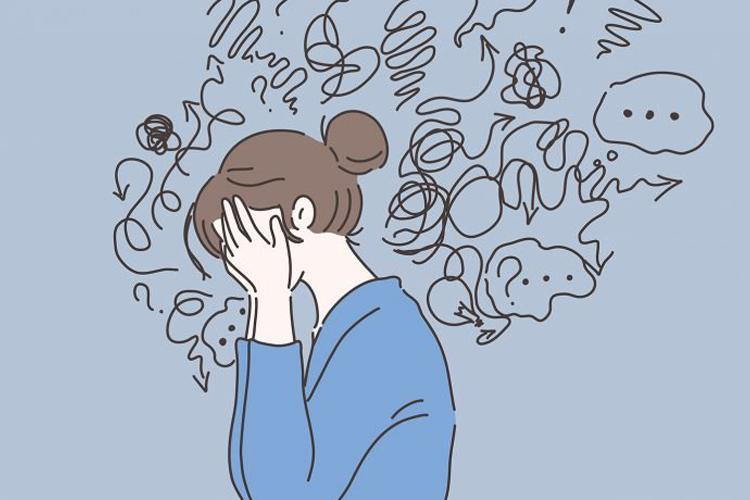
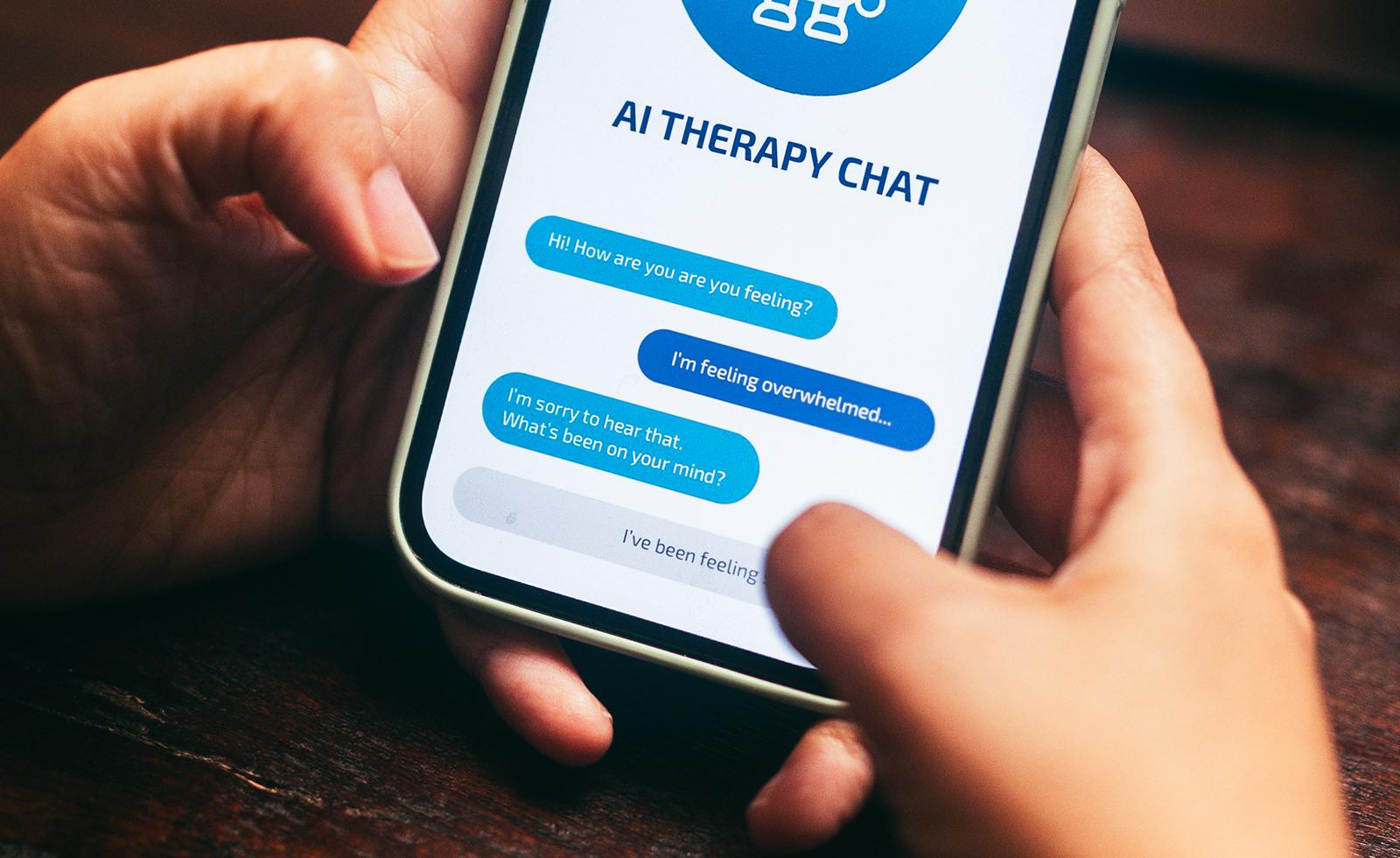
It is 2 a.m., and you are lying in bed, gazing up at the ceiling as your mind lingers in an apocalypse. You just can’t break out of it. You wish to speak with someone, anyone but your parents, your friends, and for sure that one co-worker who tells you to “cheer up” like it was an Enchanted spell.

You Google : “Free Therapy India.”

And there you have it, something happens. Soothing, AI-facilitated chatbot that greets, “Hey, I’m here to chat.”

Hello world of mental health.


And it’s being revolutionized by entrepreneurs all across India, some even women-founded, making therapy more accessible, anonymously and at reduced prices than ever before.

Let’s go on a tour of some of the most powerful mental health platforms in the nation today.

What You’ll Learn from This Blog

  1. Why mental health is an issue of daily life, not crisis
  2. The financial cost of un-treated mental illness in India—and how startups are bridging the gap
  3. How Indian mental wellness apps Wysa, Innerhour, and Trijog are making therapy accessible, within reach, and within range, and inside the stigma
  4. True-life accounts of the way in which technology is changing lives, for example, those of new mums, to manage stress, anxiety, and burnout
  5. Why early treatment for mental illness is necessary and how small, incremental steps can avoid major problems
  6. The ways in which human empathy and AI-supported therapy can be combined to provide safe, personalized mental well-being solutions

If you believe that therapy is only for “serious” issues, this blog may just surprise you. Are you ready?

The Ordinary Course of Mental Health

Think of therapy as chai breaks for your mind.

Mental health isn’t just for crisis, it’s the everyday life. Whether struggling with work stress or a change in a relationship or habit, our emotional well-being is constantly being rewoven. 

And yet, all too frequently, individuals disregard the subtle warning signs until they are gigantic.

Knowing that mind health is just as ordinary as body health enables one to

  1. access help earlier
  2. accept their experience
  3. build a positive relationship with their inner life

Tools such as Wysa and others greatly help in offering simple, stigma-free assistance for everyday problems.

If flossing your teeth is not negotiable, why not cleaning your thoughts as well?

Why Mental Health Matters (And Why India Can’t Afford To Ignore It Any Longer)

Imagine your brain as Wi-Fi : if it’s not working, nothing else does either.

Mental well-being is not merely the way you approach depression and anxiety. It is the foundation on which you work, think, and behave. But in India, the issue has been pushed under the rug for far too long.

India, the WHO estimates, lost more than USD 1.03 trillion between 2012 and 2030 due to mental illness. Suicide rate? 12 to 21 per 100,000 individuals. That is not a number, it is millions of silent lives.

All hope is now in sight and it is arriving in the form of initiatives such as the Mental Healthcare Act of 2017 and innovation through technology by entrepreneurs in India.

If we cost a trillion dollars by ignoring mental health, what do you imagine cultivating it might build?

Wysa : The Listening AI Buddy

Hello Siri’s laid-back cousin, except she actually listens.

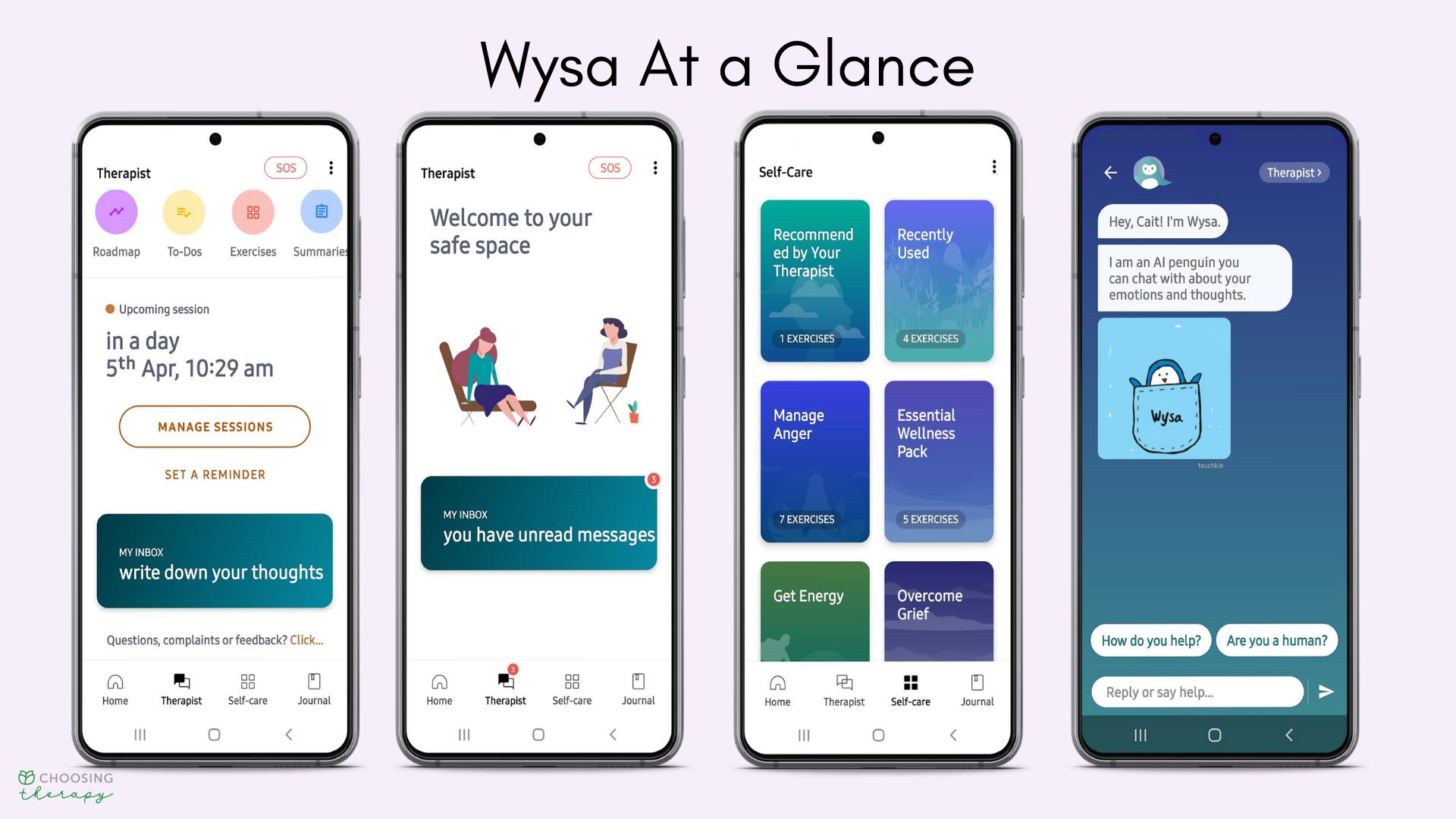
Began life with a dream of making mental health as simple as talking to Siri; Wysa was designed after the entrepreneur struggled with depression. Wysa is now a chatbot friend to whom more than 6 million individuals across the globe go when they need someone who won’t judge them.

So, what is it? It’s an artificial intelligence wrapped in live human counsellors, with unlimited chat support and virtual sessions, at a minimum of INR 1,900 a month. That’s therapy minus the intimidating clinic visits.

Do try : You require an anonymous, judgment-free space anywhere, at any time.

Think about this : if venting to your phone could be less expensive than having pizza delivered, wouldn’t you give it a shot?

How Wysa Helped a New Mother Cope

Babies don’t have manuals, but thank God apps do.

A new mother who was dealing with postpartum anxiety and sleep deprivation found relief in the 24/7 support of Wysa. As nobody was present to talk to her, she approached the AI chatbot option of the app as a judgement-free zone where she could talk. 

The daily check-ins, groundings, and journaling she was doing walked her through her feelings, and inexpensive virtual therapy gave her expert guidance that she required. She was more confident, more at peace, and more capable of being there for her baby and herself, long term.

If AI can assist new mothers with sleep better, what’s preventing it from becoming your midnight companion as well? 

Are there benefits to cheaper healthcare being more accessible to everyone?

Innerhour : Your Daily Dose of Emotional Fitness

Your brain requires push-ups too and no gym membership is needed.

Did you ever imagine a daily to-do list that would brighten your smile? 

Innerhour gets you. 

Think of it as an emotional gym, with self-help agendas under the direction of experts, a daily dose of emotional homework, a journaling ledger to measure advancement, and even a chatbot friend like Allie who’s there to help when things get challenging.

Created by technology experts and psychologists, this app is perfect for those who are 

  1. anxious
  2. overworked
  3. stressed about life

Do if : You enjoy routine and want to savor bite-sized, guided brain exercises.

If Netflix can nudge you to continue watching, should Innerhour nudge you to continue smiling?

Trijog : Healing in Hybrid Mode

Mother-daughter duo showing therapy can be a family affair.

Anureet and Arushi Sethi’s mother-daughter team created Trijog. 

The  platform combines :

  1. offline studio therapy 
  2. online intervention

With 20+ therapists on board, it targets individuals, corporates, and institutions alike, thus becoming one of India’s better-integrated mental health startups.

They developed affordable solutions for COVID to help Indians deal with the shared trauma and still organize virtual webinars and workshops.

Try it if : You enjoy customized care that fits your schedule.

If therapy were as flexible as your Zoom calls, would you actually make that appointment?

So, What’s the Big Picture?

These Indian mental health startups aren’t filling a gap. They’re writing a new script.

They are changing the definition of mental health by helping out :

  1. college students
  2. out harried mothers
  3. sleepless business executives
  4. all mourning teenagers

Assistance isn’t out there, it’s out here, within reach, within price, and sometimes even anonymous.

What is a long taboo now tastes like nourishment? And it’s long over-due.

If asking for help becomes the norm, how long before it becomes as carefree as ordering chai?

Why Early Support Matters

Don’t wait for the fire, repair the smoke alarm first.

Early intervention turns individuals reaching out for mental health assistance in crisis mode only. If people are given useful resources in the initial stages of anxiety, stress, or depression, they will likely ride it out.

 Acting early before the burden on the emotions is too much is what prevents more serious mental conditions from arising.

Wysa and others provide :

  1. organized therapy
  2. evidence-based therapy
  3. small, useful adjustments 

Early help isn’t a sticking plaster, it creates long-term emotional resilience.

If you could halt a storm with an umbrella, would you actually wait for a flood?

What If Getting Help Was Just a Click Away?

Plot twist : It already is.

Mental illness exists. It is not a fad. But thanks to Innerhour and Wysa, there is no longer any need for therapy to be pricey, intimidating, or something you put off until you reach rock bottom.

Imagine if keeping your mind healthy were as simple as swiping on Instagram, would you swipe more?

So the next time your brain enters browser mode with 100 tabs open, recall. There is likely an app (and an individual) out there who’d be happy to assist you in closing them down individually.

Your health is important. 

Your record is important. And yes, you’re important.

If your brain did come with a “close all tabs” button, would you hit it today?

How might mental health startups balance technology-driven solutions with the human empathy that mental well-being requires?

Let us know your thoughts in the comments below!

image

Handicraft Industry

Thread By Thread: The Story of Indian Handicraft and Heritage

How India’s handmade legacy is transformed into livelihood and global commerce

Introduction

Behind every piece of handmade work lies a soul, a narrative, and a heartbeat.
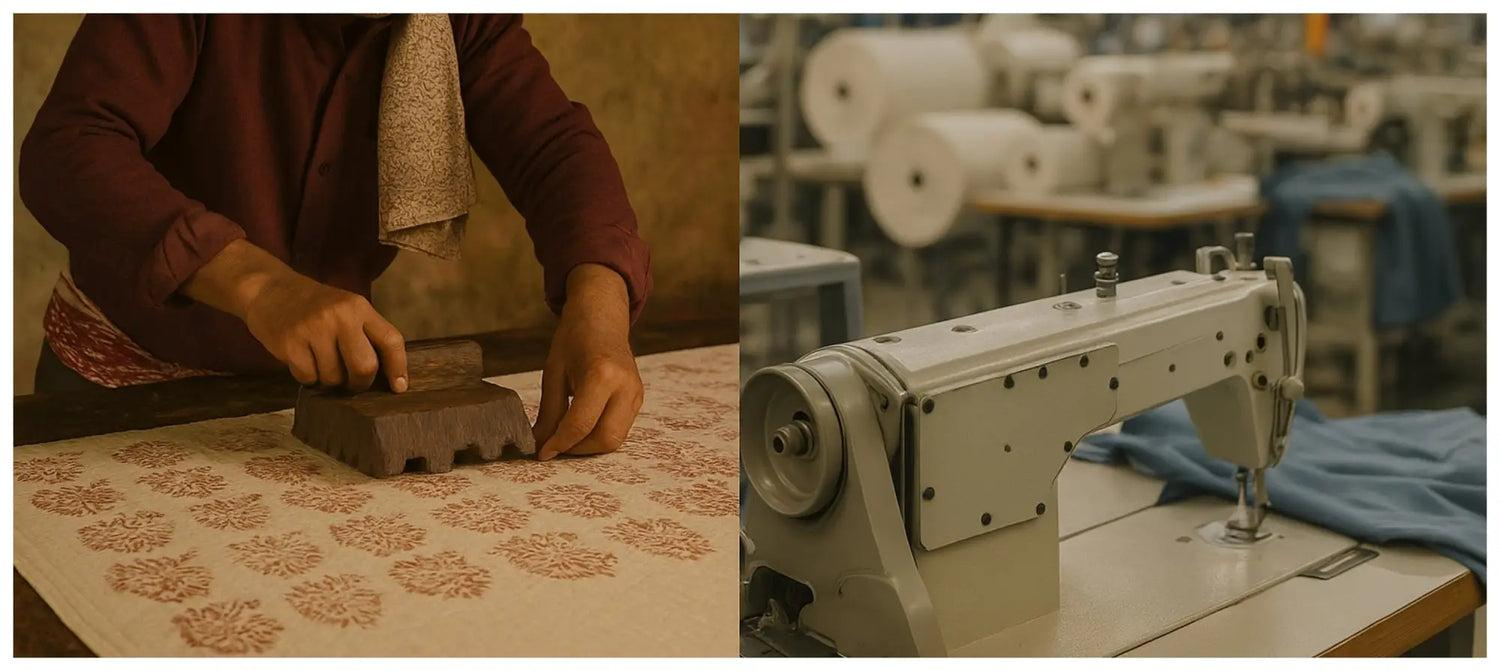
Did you ever catch a moment to think about the hands that made your favorite kurta or the soft brushstrokes in a block print saree?

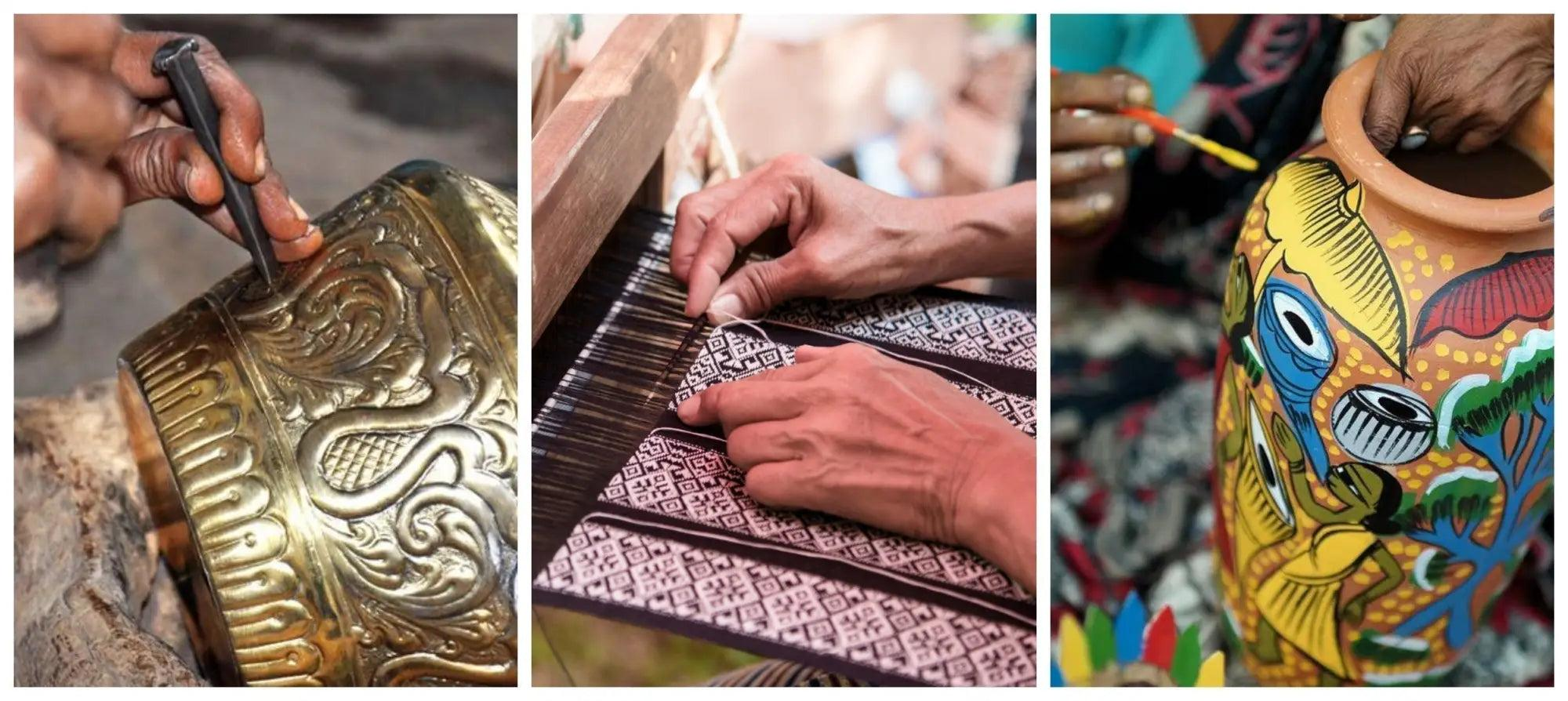
Indian handicrafts are not just gorgeous things to view or wear. They are living pieces of heritage, made by artisans who have passed on the skills generation by generation.

But here’s the real question:

Can ancient crafts power India’s growth story in a machine- and speed-driven world?
Are we doing enough to preserve them?

India’s handicrafts sector:

  1. Had a value of USD 4,565 million in 2024
  2. Can be expected to grow to USD 8,198.5 million by 2033
  3. With a CAGR of 6.39%

Such sustained growth is reflective of:

  1. Increasing global demand
  2. Increasing domestic demand for handmade goods
  3. The ability of the sector to create rural jobs
  4. Maintaining heritage
  5. Contributing meaningfully to India’s economic development

Handicrafts are not just culture, they’re commerce, jobs, and innovation.

In this blog, we’ll look at five remarkable Indian brands that are doing just that.
They’re not just selling products, they’re building movements.
Movements that blend tradition with innovation, art with commerce, and the past with the future.

What You’ll Learn From This Blog

By the end of this read, you’ll discover:

  1. How India’s handicraft sector is growing into a multi-billion-dollar industry.
  2. The inspiring journeys of five Indian brands reshaping heritage into modern business.
  3. How artisans are being empowered with dignity, jobs, and global reach.
  4. The challenges handicrafts face against machines and mass production.
  5. The role of technology and platforms in giving artisans digital wings.
  6. Why handicrafts are not only culture, but also commerce, sustainability, and social reform.

The Indian Ethnic Co: A Family’s Love of Fabric Became a Movement

Started with 50 meters. Now empowering thousands.
It all started with just a simple trip to the store.
Mother-daughter duo Hetal and Lekhinee Desai went to a handloom exhibition and came back with 50 meters of Ajrakh fabric. No business plan. Just passion for Indian fabrics. They stitched kurtis with a local tailor and put the photos on the net. Orders began pouring in within days.

Today, The Indian Ethnic Co.:

  1. Empowers nearly 1,000 artisans
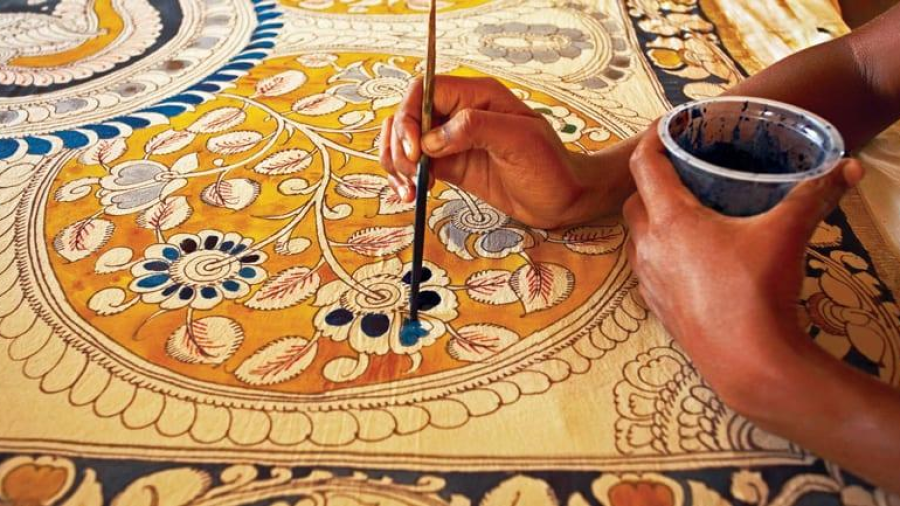
  2. Works with ancient handloom processes like Bandhani, Kalamkari, Dabu, and more
  3. Ensures every product is handmade, from natural dye to tailoring the entire outfit

“When we began The Indian Ethnic Co, we had only one goal – to make Indian fashion responsible, sustainable, and truly handcrafted.”

Their mandate is simple: make Indian fashion responsible, sustainable, and soulful. And based on appearances, consumers are taking note.

Would you wear clothes made with history, or wear clothes made by a machine?

What was the last handmade item you wore and ever pause to think about who made it?

Okhai: Empowering Women in Rural Communities to Start Businesses

From embroidery to empowerment.
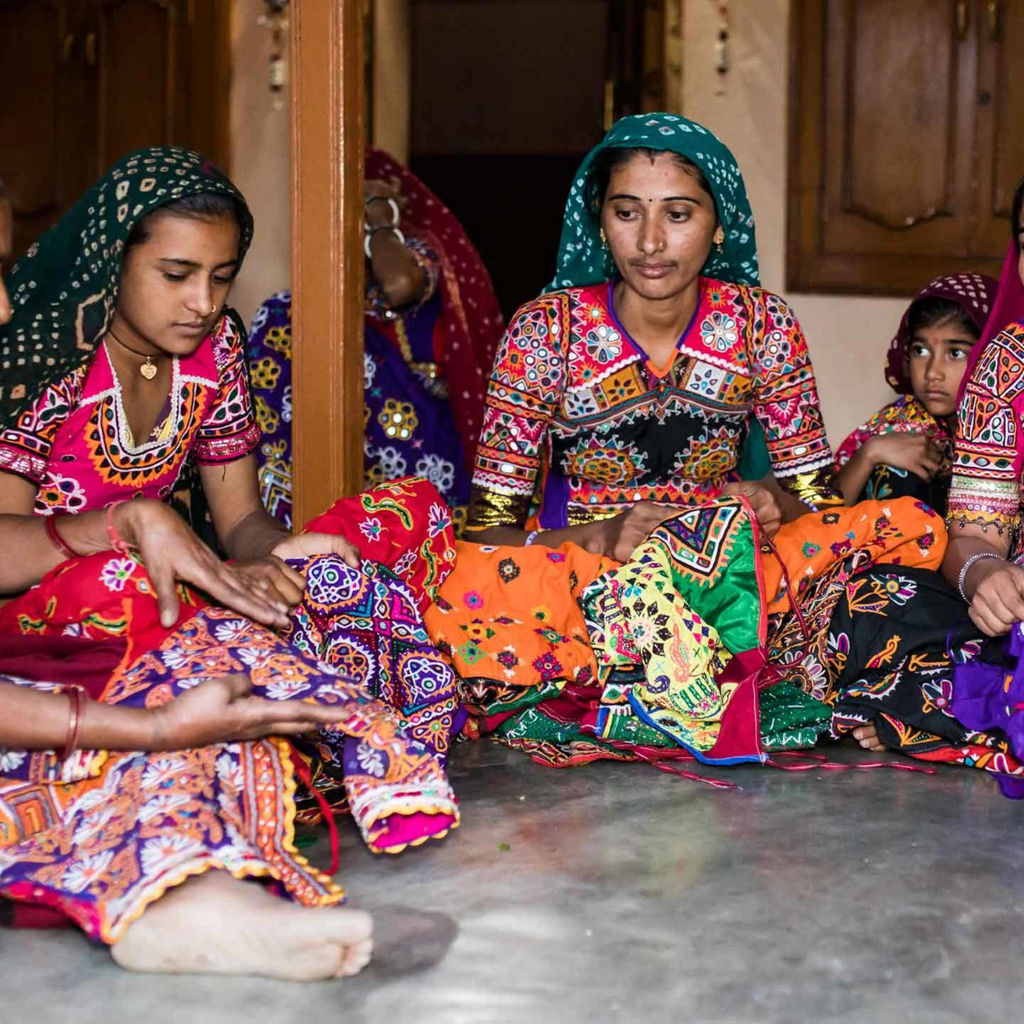
Imagine visiting a village and seeing women doing intricate embroidery and mirror work without deriving any benefit from it. That is what Kirti Poonia saw in Okhamandal, Gujarat.
She did something about it.

Okhai today:

  1. Started with just a small group of women
  2. Has grown into a network of over 24,000 rural artisans across India, mostly women
  3. Sells handmade clothing, accessories, and home furnishings through the Okhai platform
  4. Enables women to own their skills and instills a sense of dignity and pride within them

Do you think handicraft commodities will reign supreme over the fashion industry as intensely as the lifestyle brands?

In your selection, would you choose a product that transforms lives directly?

Anita Dongre’s House: Two Sewing Machines to a Fashion Empire

Where couture meets conscience.
In 1995, nobody believed Anita Dongre when she suggested affordable fashion for working Indian women.

  1. Malls turned her away
  2. Retailers didn’t believe

So she built her own brand.

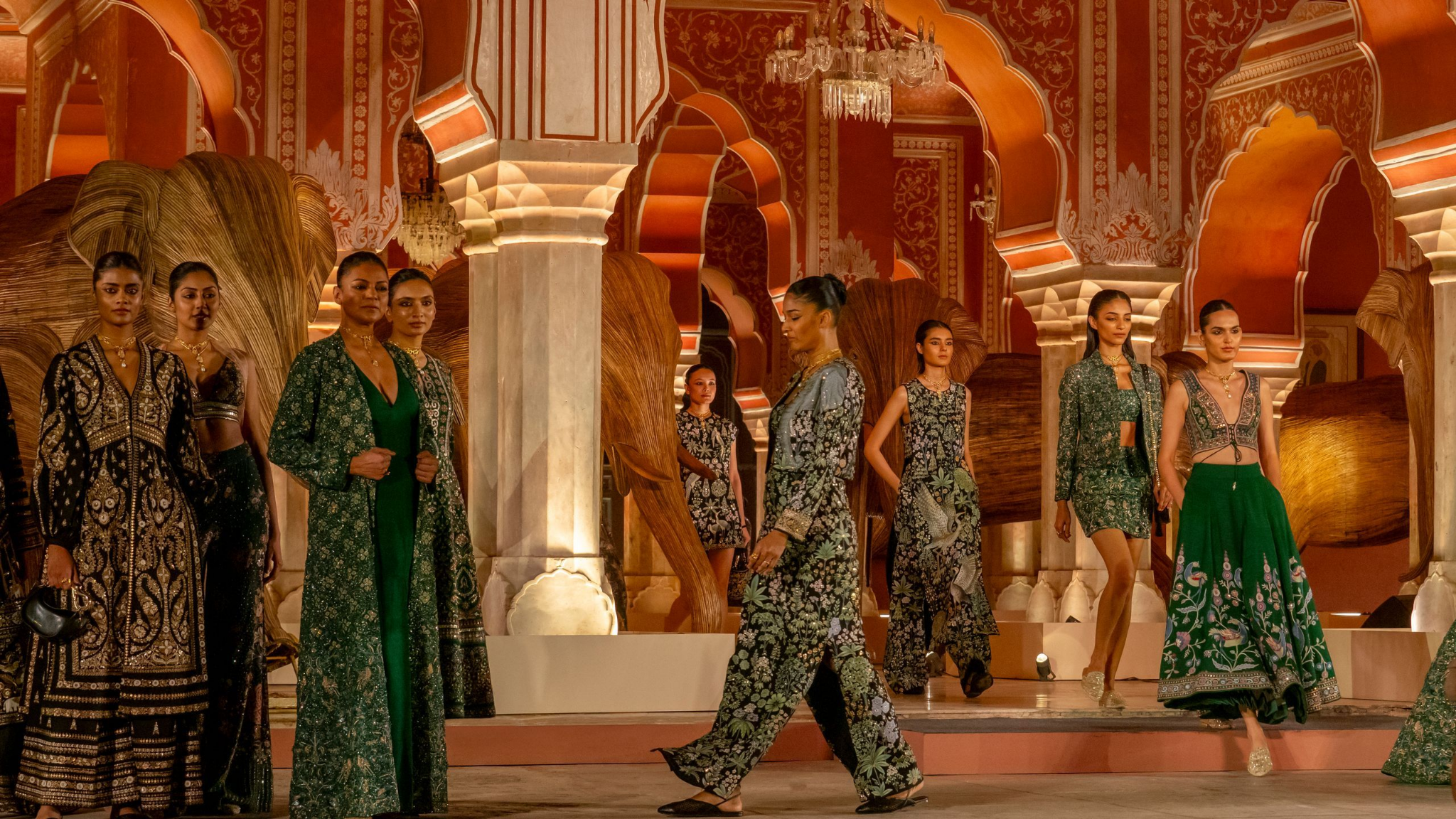
What started with two sewing machines is today one of India’s biggest fashion houses: The House of Anita Dongre.
It has:

  1. Brands like Grassroot and Pink City
  2. Directly employs thousands of rural artisans
  3. Revives Rajasthani and other Indian arts for global consumers

Anita Dongre’s tale shows that sustainability can also be profitable and fashionable.

Can fashion be sustainable and profitable? Evidently, yes.

Do you think big fashion brands have a responsibility to serve local artisans?

Tjori: Bringing Indian Crafts Global

From Wharton to wardrobes worldwide.
Mansi Gupta noticed during her Wharton school days that while there was huge international demand for Indian crafts, there was no big Indian brand satisfying the demand.
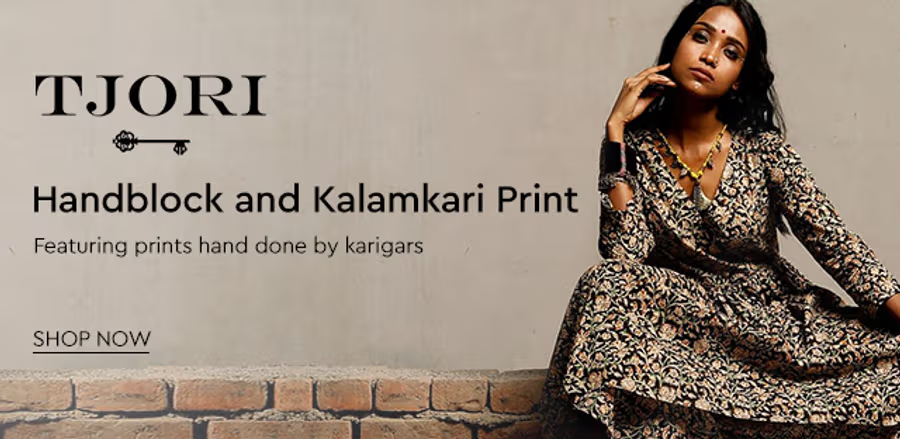
So she started Tjori, which began on a little whiteboard and now:

  1. Works with over 700 artisans
  2. Offers hand-painted jackets, Ayurvedic cosmetics, and more
  3. Puts Indian crafts into living rooms and closets across the globe

Tjori offers more than products, it whispers. Of artisans, heritage, and design created from tradition but ready for modern lives.

Would you like to wear something that tells a story, or just sells a fashion?

Indian handicrafts can go beyond geographical boundaries. Do you think this will bring new identity for the Indian handicraft sector globally?

Eco Tasar: A Tool for Women to Become Powerful

Empowerment-woven silk.
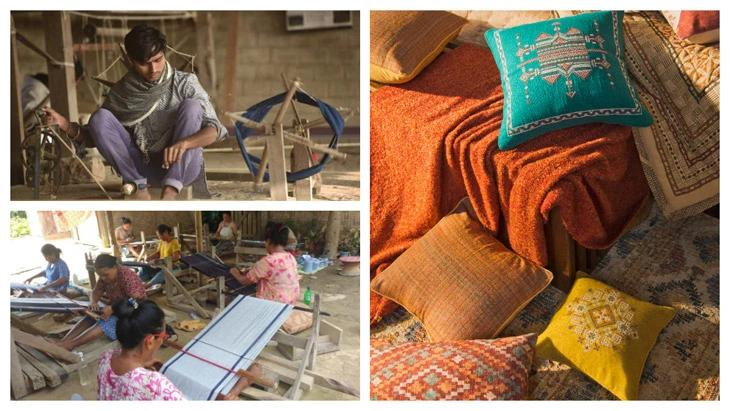
In Bhagalpur, Bihar, silk weaving has been a part of local culture for centuries. But women rarely ever had control over its commercial element.

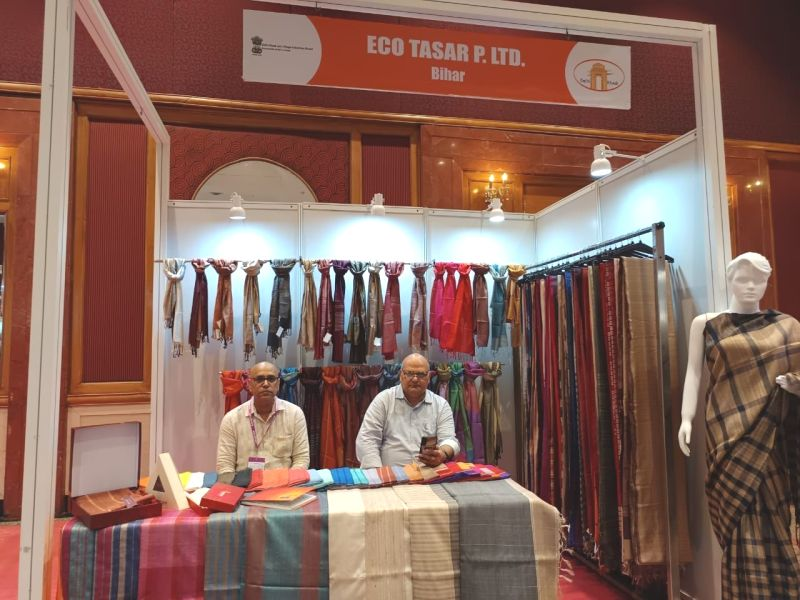
Enter Khitish Pandya, who took charge of a moribund NGO-owned unit and began Eco Tasar in 2007. His idea was simple: hand over the reins to the women.

Today:

  1. Over 1,000 women are employed by Eco Tasar
  2. Products include tasar and eri silk sarees, cushion covers, and scarves
  3. Yarn is sourced from Jharkhand, woven in Bihar, stitched in Delhi
  4. A true grassroots-to-world tale

Khitish says it best:
“It’s not about products. It’s about respect, money, and the future.”

Would you pay more if you knew your purchase was changing somebody’s life?

Why These Stories Matter

Not only brands. They’re bridges.
These companies aren’t only building businesses, they’re rebuilding culture, empowering women, and getting India’s heritage seen in a global market.

They are:

  1. Building livelihoods for thousands of artisans
  2. Making traditional crafts modern in new markets
  3. Empowering rural communities towards self-sufficiency
  4. Showing that fashion and sustainability can exist together

What of these effects connects with you most?
How do consumers make these effects more mainstreamed?

But It’s Not All Easy

The beauty comes with battles.
Indian artisans continue to deal with some challenging issues:

  1. Low digital literacy and internet penetration
  2. Irregular sources of income
  3. Fierce competition from machine-made products

But something is happening:

  1. Government initiatives
  2. Platforms like Amazon Karigar
  3. Consumer demand for eco-friendly, handmade products

These increasingly are starting to change the equation.

What can be the role of technology platforms in enabling artisans in the new digital world?

What’s Next for Indian Handicrafts?

7 million artisans. Infinite possibilities.

India has over 7 million artisans, of which the majority are women. If provided with appropriate support in:

  1. Technology
  2. Training
  3. Market access
  4. Policy

This sector can become a major pillar for India’s economic renaissance and international reputation.

Public-private collaborations, attractive subsidies to small-scale enterprises, and nationwide campaigns like “Make in India” can contribute significantly towards strengthening the handicrafts sector, becoming one of India’s leading GDP contributors.

With the world moving towards authenticity, handmade, and sustainability, Indian handicrafts might just be the solution.

Are we doing enough to establish ‘handmade in India’ as an international badge of honour?

To Sum Up

Craft is culture. And culture is currency.
Indian craft is not merchandise. It’s a story. It’s old-fashioned skills learned over time. And now, it’s also a chance for social reform, economic development, and cultural renewal.

With these five visionary brands, we’re not preserving tradition; we’re reimagining it for a brighter, better world.

The next time you wear a handloom saree or sip chai from an adorned cup, remember:
You’re a part of someone’s story.
A tale of resilience, revival, and identity.

How can Indian handicraft brands scale globally without losing their cultural roots?
Let’s keep the threads alive. What is your favourite handicraft brand and why? 

What role should government vs. private brands vs. tech platforms play in scaling this industry?

Share with us in comments below!

image

Influencer Brands

Unboxing the Power of Influencer Product Drops : How Creators Are Turning Followers into Customers

Do you remember when influencers used to open boxes of things, review them, and praise brands from the sidelines? 

The times have changed. 

From filters to fortunes , influencers are now swapping hashtags for hashtags of cash.

The  thin line between “watching content” and “purchasing something” is no longer as clear as the filters influencers apply to their own selfies.

What You’ll Learn From This Blog

  1. How influencers are transforming from brand endorsers to successful entrepreneurs
  2. The unique advantages influencers have when launching their brands
  3. The rise of India’s creator economy and its impact on the business landscape
  4. Real-life examples like Parul Gulati’s journey with Nish Hair
  5. Important developments that are changing businesses run by influencers and what they signify for brands and customers

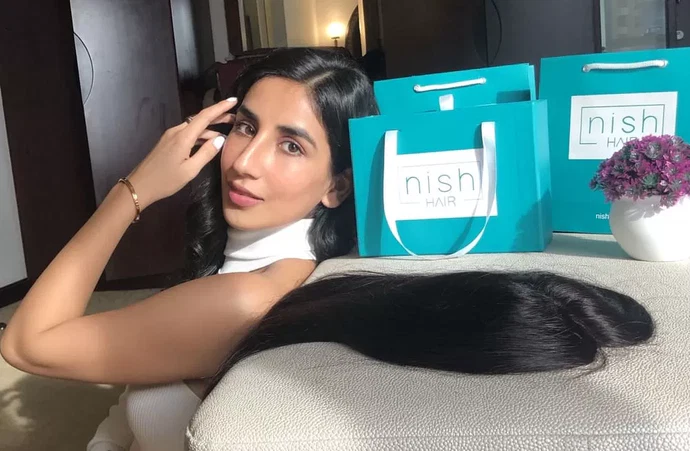
Today, creators like Bollywood actress-turned-businesswoman Parul Gulati are changing the rules by turning their own stories and dedicated fans into successful enterprises. Take Parul, for example. Having survived a low in her acting career, so low that she even shaved her head out of desperation, she realised that there was a massive gap in the market for good-quality, cheap hair extensions.

This shows us that:

  1. Creators can turn life’s lowest points into marketing products.
  2. A loyal fan base has real sales and drives brand growth.
  3. Authentic narratives that resonate with customers are the new business models.

That was the idea behind Nish Hair, a brand that has become a well-known name in India’s Direct-to-Consumer (D2C) market, fueled by creator entrepreneurship. Founded on storytelling and real problem-solving, the brand grew through content-first distribution, especially transformation videos and tutorials.

Parul’s story is not only a sole success saga but a bigger revolution wherein influencers are becoming entrepreneurs and creating brands that resonate with people at an emotional level.

Nish Hair by Parul Gulati

Drawing on her experience with hair extensions, Parul started a genuine brand with genuine issues in mind. Her transformation series and tutorials propel word-of-mouth growth, making Nish Hair relatable and authentic. 

In 2022, Nish Hair raised Rs.1 crore in funding from Shark Tank India by Amit Jain for 2% equity, which played a key role in accelerating its growth.

Recently, when interviewed, Parul replied, “I’ve always said this—I’m married to my acting career, and my brand is my child. Women are naturally great at multitasking. If we can be a wife and a mother, why can’t I be an actress and a businesswoman too?

A Wig, A Wish, A New Start

When she was only 24 years of age, Priya, a dynamic young girl from Mumbai, had her life turned around when she was diagnosed with cancer. Volunteering extensively for the charity “Karo Home,” Priya was always the strong pillar for everyone else. However, chemotherapy weakened her body and also destroyed her self-perception.

Help arrived most unexpectedly when actor and Nish Hair owner Parul Gulati discovered Priya’s story. Inspired by her bravery, Parul convinced Priya to obtain one of Nish Hair’s best wigs.

It was so much more than a makeup over for Priya, a coming back to self. After makeup, she smiled again, stepped out with confidence, guided other children at Karo Home, and took selfies that exuded hope.

 Her wig represented a new lease of life, a rebirth, and she became the assertive, understanding self-nature had meant for her.

Parul Gulati didn’t just sell hair extensions; she sold a story people could wear on their heads.

Hence, 

  1. Creator brands drive real change by going beyond just selling products.
  2. These brands are not just about commerce and profitability but prioritise connection and community building first.
  3. They uplift and support their customers. 

Creator Economy’s Rapid Rise

Can an influencer turn digital trust into real-world transactions? Let’s see.

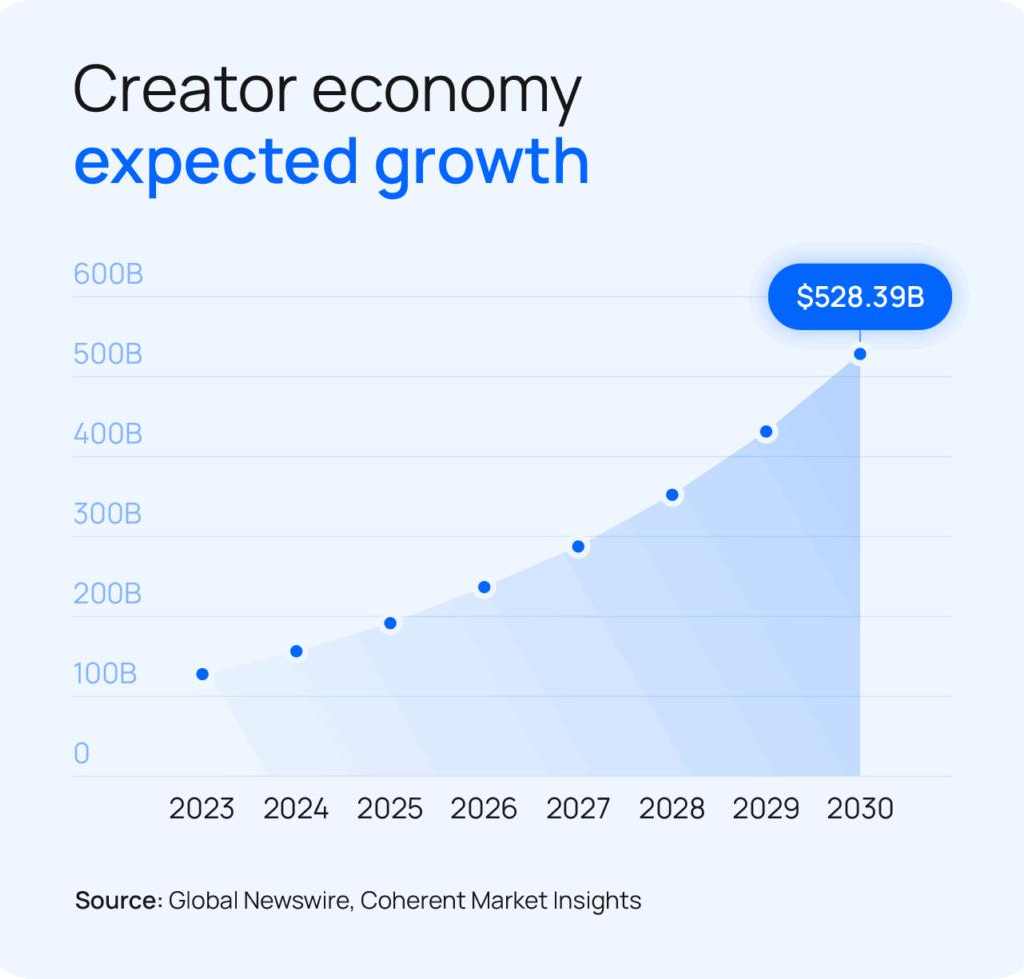
The creator century is right here. And content creation is now a career and not just a hobby.

The D2C boom is just influencer marketing with a checkout button.

India’s influencer economy has experienced explosive growth. In the early 2020s, there were fewer than a million creators. 

  1. Now, India has around 3.5 to 4.5 million content creators. 
  2. India’s influencer marketing industry is projected to reach ~$15 billion (Rs. 3,375 crore) by 2026, growing at ~18-25% CAGR.

 And it’s not just numbers; it’s a massive mind shift. 

As Aditya Gurwara, Co-Founder of Qoruz, an influencer marketing platform that allows brands to work with influencers, explains: “Influencers have transformed from mere product promotion to being strategic partners to brands; This is not the future of marketing. It’s already reshaping the present.

From Followers to Founders: Influencer-Led Brands Redefining D2C

In this economy, your Instagram feed is basically a shopping mall.

Social media influencers and content creators are highly influential now.  Influencer marketing and the creator economy have had a significant impact in India over the past few years.

More and more young people are spending time online, and with increasing exposure to technology, today’s influencers have it relatively easy to reach out to millions of individuals.

The catalysts of this creator revolution :

  1. The quick rise of social media sites.
  2.  People’s growing grasp of how to use these sites.
  3. Companies use influencers not only to sell things but also to connect with customers.
  4. Trust and influence due to personalisation.
  5. Affordability of smartphones
  6. Affordability of mobile data

In the influencer economy, your FOMO is their ROI.

Social media is no longer a stage , it’s a marketplace with better lighting.
Likes Are Now Livelihoods.

During this revolution, the producers started making money from not just their work but also their skills and personal brands. They aren’t blogging for attention anymore; they’re launching businesses.

As we progress through 2026, India’s creator and influencer economy is growing rapidly. This brings both enormous potential and complex problems for everyone in the ecosystem for monetization, visibility, and brand partnerships.

India’s creator and influencer economy is expanding at unprecedented scales, and with it, both great opportunities and multiple challenges for all in the ecosystem.

Is the future of eCommerce really being scripted on Instagram?

Peach by Vishnu

Bollywood fashionista turned retail face, Vishnu, showcased Peach as part of the MotherCountry brand family. From everyday wear to quirky notebooks, Peach converts casual fans into an intimate lifestyle clique.

Dee Clothing by Deeksha Khurana

Deeksha’s Instagram account was naturally a fashion brand. She had a coherent aesthetic and sense of style, and everyone desired what she was wearing. Dee Clothing effortlessly combines product promotion and self-expression and turns her posts into both a lookbook and a campaign.

MotherCountry by Malvika Sitlani

As a beauty influencer herself, Malvika started MotherCountry as a high-end but affordable beauty brand. Her mompreneur achievement and authentic storytelling made the brand popular among young urban women.

#debasree by Debasree Banerjee

Unapologetic and fearless in its approach, gender-neutral, and green, Debasree’s clean beauty brand is a reflection of her fearless nature. #debasree differentiates itself on the basis of its mindful formulation and message of empowerment through individuality.

Label MN by Mumbiker Nikhil

What started as bike vlogs later inspired Nikhil to start Label MN, an unassuming streetwear brand. Banking on his loyal YouTube following, the brand organically grew, with no investment in paid ads, to demonstrate that authenticity and trust can drive business.

The Power of Platforms

You could be just a click away from building a brand.

Also, it has never been simpler to build a brand. Shopify, Instagram Shops, and Amazon are merely some of the numerous platforms making it possible for influencers to build online stores with little capital and easy logistics. That makes it possible for them to turn ideas into reality quickly, test products easily, and scale businesses with little risk.

  1. Influencers don’t need big ads; their regular content quietly does the marketing.
  2. Photos, reels, and stories are not just posts, but they drive sales.
  3. When creators speak directly to their followers, it is more personal.
  4. Instead of spending on ads, influencers grow brands through their active online presence.

Your shopping cart now has a personality, and it’s probably your favourite influencer’s.

Do you think content is the new capital in the digital business age?

Influencers have extraordinary benefits that normal brands can’t compete with :

  1. An inbuilt audience who confides in and engages with them actively.
  2. Low barriers to entry due to cheap e-commerce platforms.
  3. Content marketing natively, all reel and post being likewise brand marketing.
  4. They don’t buy reach, they own it.

What’s Next for India’s Creator Economy

Followers aren’t just fans anymore, they’re early investors who pay in pre-orders and hype. Fashion, beauty, arts and entertainment, and gaming will dominate influencer entrepreneurship in 2026, with health, fitness, finance and food universes following suit and catching up on post-pandemic wellness trends.

Live selling and selling products outright through social media is bringing a very strong new dynamic to the market. If it will remain a lasting trend is not known, but this much is certain, influencers have moved from the wings to center stage in contemporary business.

When likes turn into livelihoods, the algorithm becomes your accountant.

This is not a fad, it’s a cultural moment. 

Influencers are crafting real brands from personal tales and authentic community interactions driven by creativity and tenacity, not corporate-school of thought. Because their viewers continue to shift, so will these creator-driven brands. They’re not merely merchandising products, they’re actually creating culture, unboxing by unboxing.

Are brands ready for the creator-led conversation?

Which influencer-driven brand caught your attention in the past month? How is this creator-commerce trend affecting your shopping habits?

Do you think creators are reshaping consumer trust faster than traditional advertising ever could?

And think about this…If your favourite influencer launched toothpaste tomorrow, would you buy it just because their smile convinced you?

Let us know in the comments below.

Until then, keep scrolling until you discover your new favourite influencer brand!