image

Health Wearable Devices

What Wonders Will Wearables Work for Wellness?

When your body starts talking back

What You Will Learn from This Blog

This blog will explain you:

  1. What wearable tech is and how it works in real life.
  2. Smartwatches and brain tech are only two examples of the many sorts of smart wearables.
  3. How people use wearables to keep an eye on their health, fitness, and even their mental health.
  4. How Indian startups like Ultrahuman, boAt, and Sputnik Brain are changing the health tech industry all around the world.
  5. The advantages of keeping an eye on your health in real time and how it can improve your life.
  6. The ethical and privacy issues that come up with data from wearables.
  7. The main question is: Are wearables only recording our steps, or are they changing what it means to be human?

The Magic on Your Arm

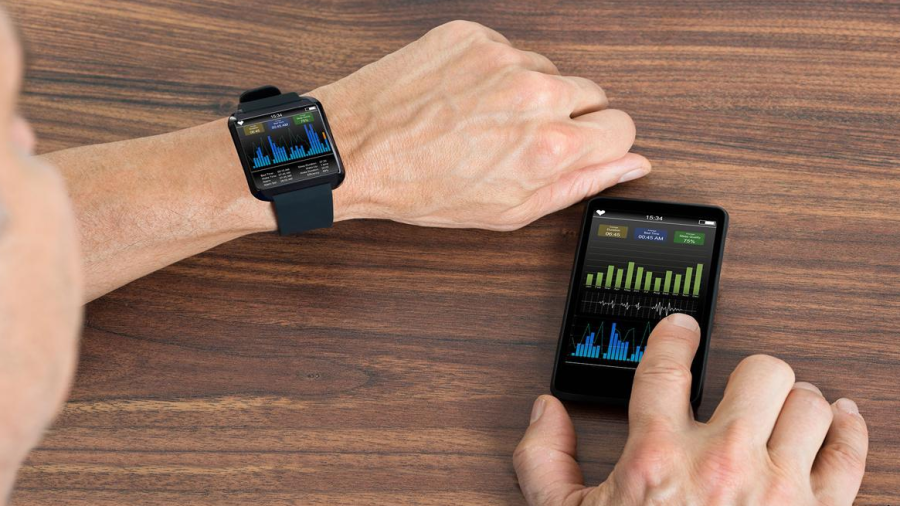
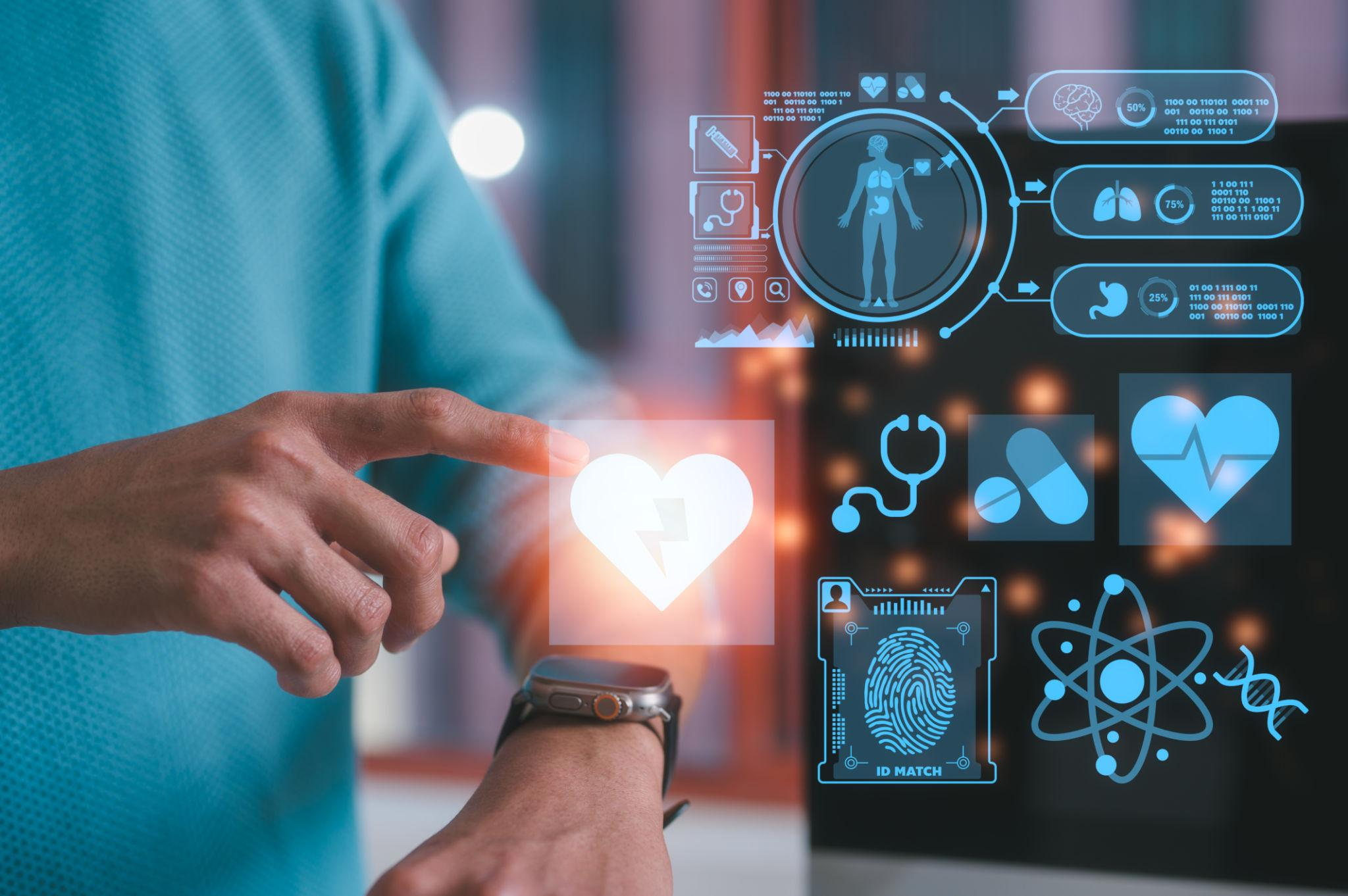
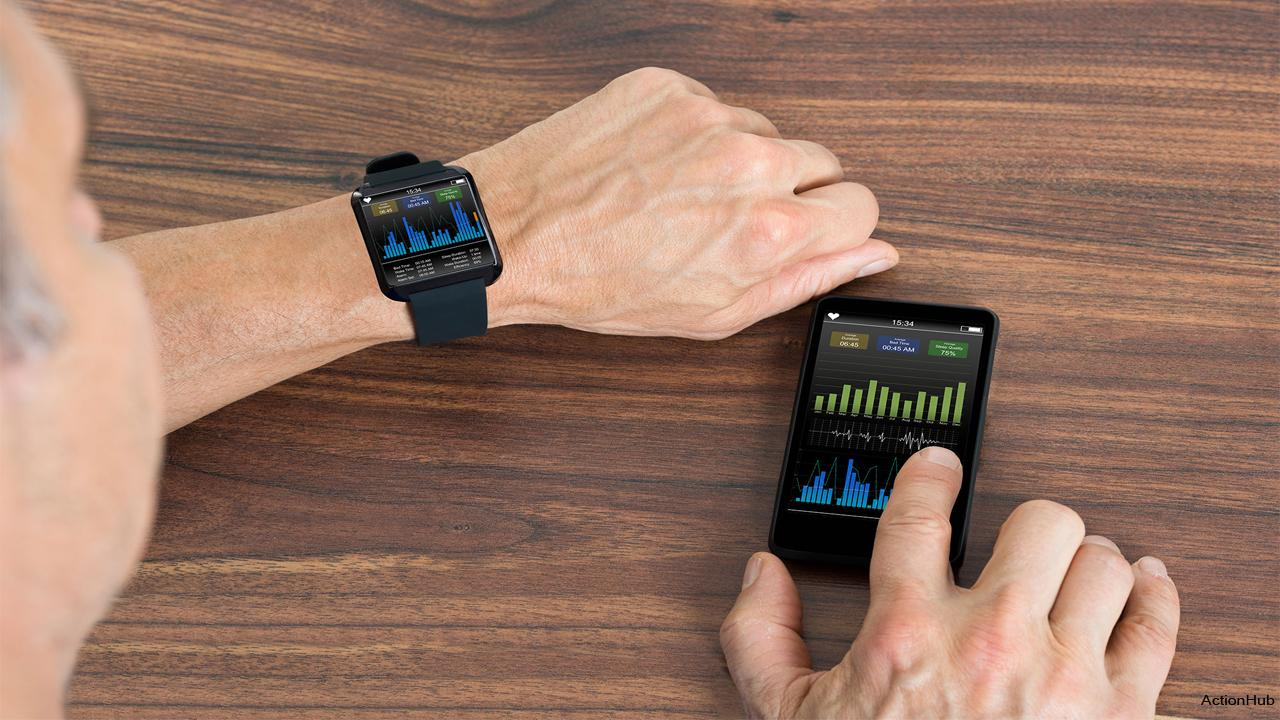
That little thing on your wrist can now tell you how well you sleep, if you’re dehydrated, when you’re most worried, and if the samosa you just ate caused your blood sugar go up.

Does it sound like a relative who won’t leave you alone? Nope, it’s your smart watch.

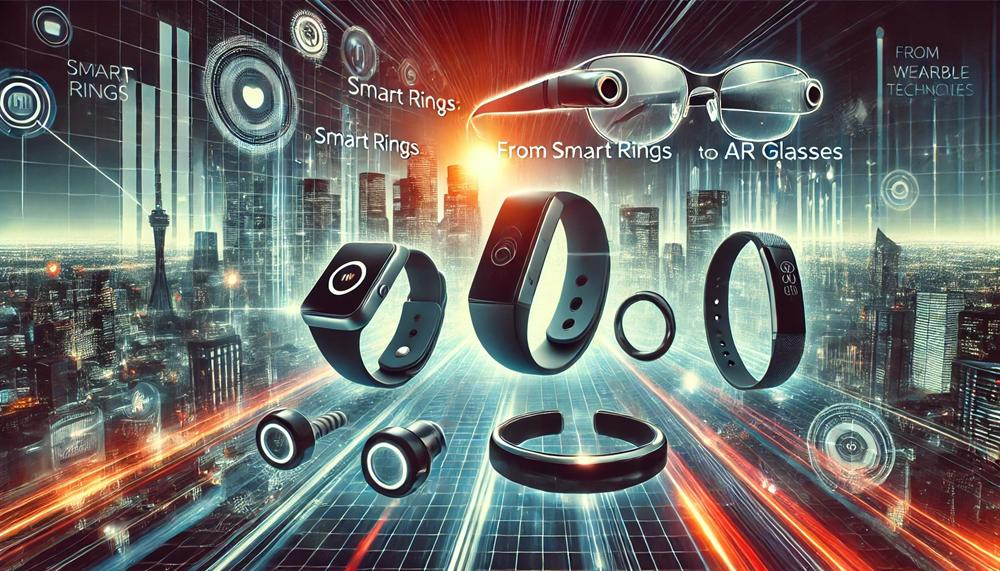
Things that used to be made up are now real. Wearable electronics is now a great way to check your health in real time. It can do a lot of things, including keep track of your heart rate and calm down your stressed-out brainwaves.

So, is your wristwatch a new health coach or just another way to get notifications?

Wearables: From Gym Buddies to Grandma’s New Best Friend

Wearables are not just for folks who want to work out or are interested in technology anymore. India is quickly becoming a leader in this area, where they are used in healthcare, lifestyle, and even psychology.

India’s Health-Tech Leaders: Not Just Pedometers

1. Ultrahuman: Live Metabolic Fitness

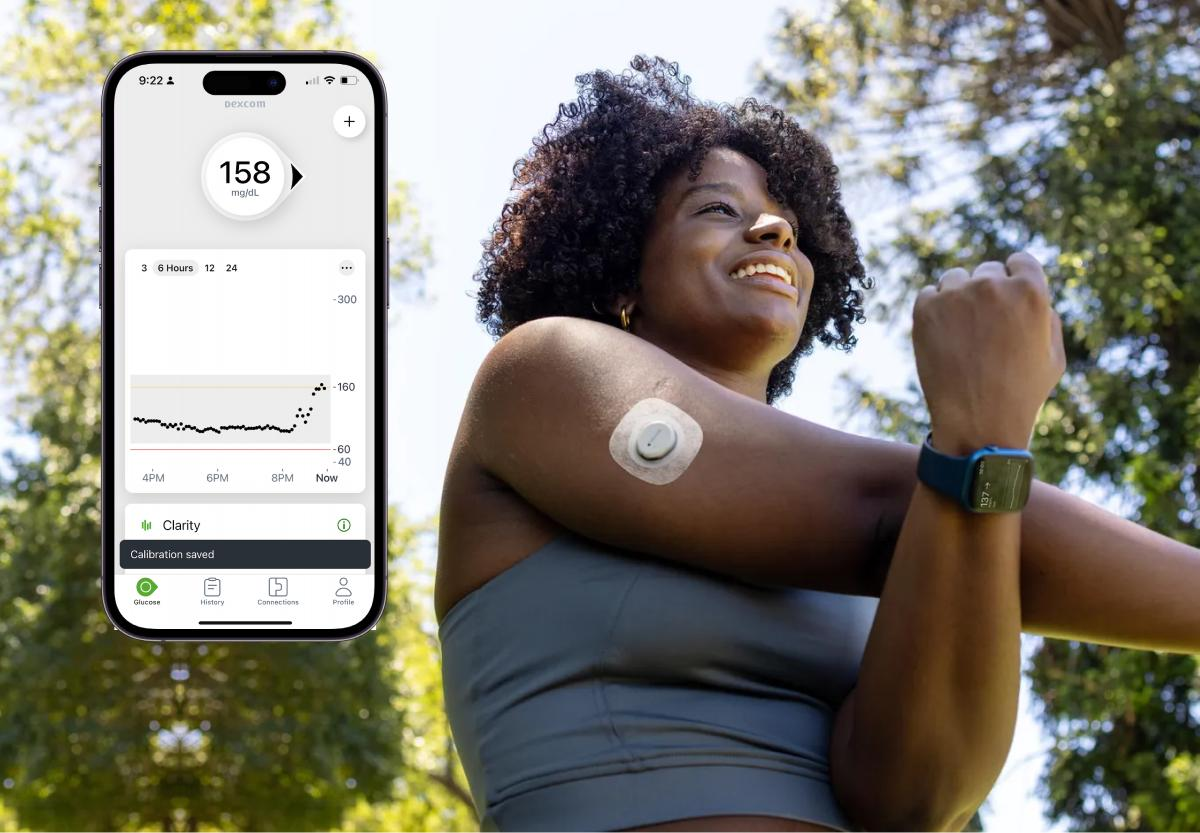
Forget about fortune tellers—Ultrahuman looks at your glucose peaks as a Bollywood astrologer looks at your horoscope. But this is based on science.

Ultrahuman is changing the way we track our fitness from its headquarters in Bengaluru. This fintech startup provides a metabolic fitness platform that tracks your glucose levels, sleep, heart rate variability (HRV), and body temperature and gives you real-time feedback on your health.

Ultrahuman helps people make the most of their diet, exercise, and recovery time using stylish, data-driven wearable gadgets. No more guessing; they will get ongoing feedback to help them reach their goals.

  1. Started: 2019
  2. Money: $54.9 million
  3. New idea: Keep an eye on your nutrition in real time and get advice on how to improve your performance.

Ultrahuman gives you more than nutrition recommendations that sounds like horoscopes: it gives you health literacy based on facts.

So, the big issue is: would you rather get your nutrition advise from Instagram reels or from your own blood?

2. boAt: Where Audio and Wearable Health Meet

boAt went from being a DJ to being a doctor, going from thumping bass in your ears to checking your heart rate.

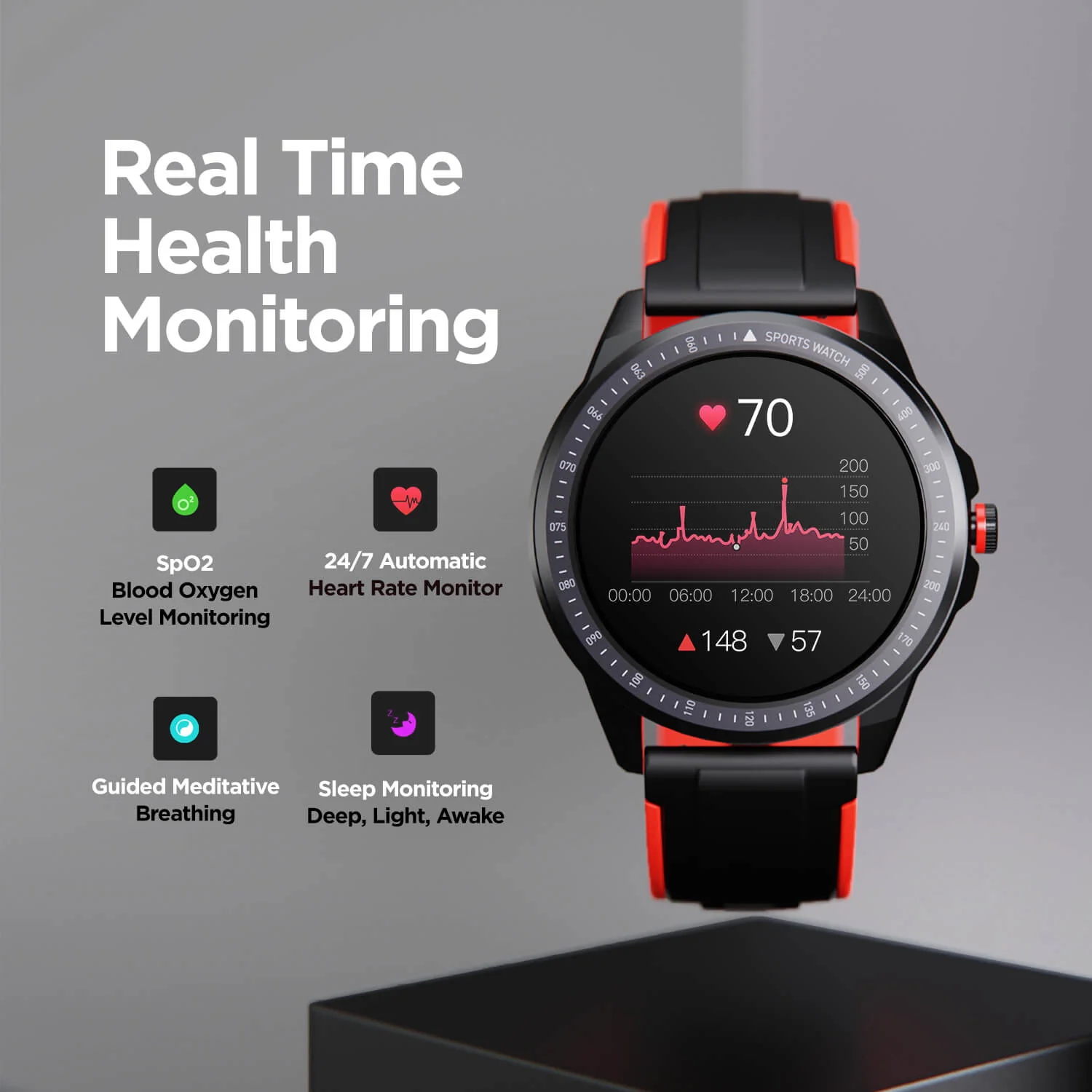
You might think of boAt as a company that makes cheap earbuds and showy watches, but this startup from Gurugram does more than just make accessories. boAt has made its way into the wearable health market with smartwatches that keep track of steps, heart rate, and blood oxygen levels. These timepieces are cool, cheap, and important.

Think about health with a bass boost.

  1. Founded: 2016
  2. Money: $171 million
  3. Products: Smartwatches, neckbands, and power banks

boAt is unique because it perfectly combines pop culture with biometric sensors. You can find a boAt smartwatch at the gym or at a concert.

But here’s the real mystery: Is your boAt watch keeping time with your heart rate or your music?

3. Sputnik Brain: Tech for Your Mood

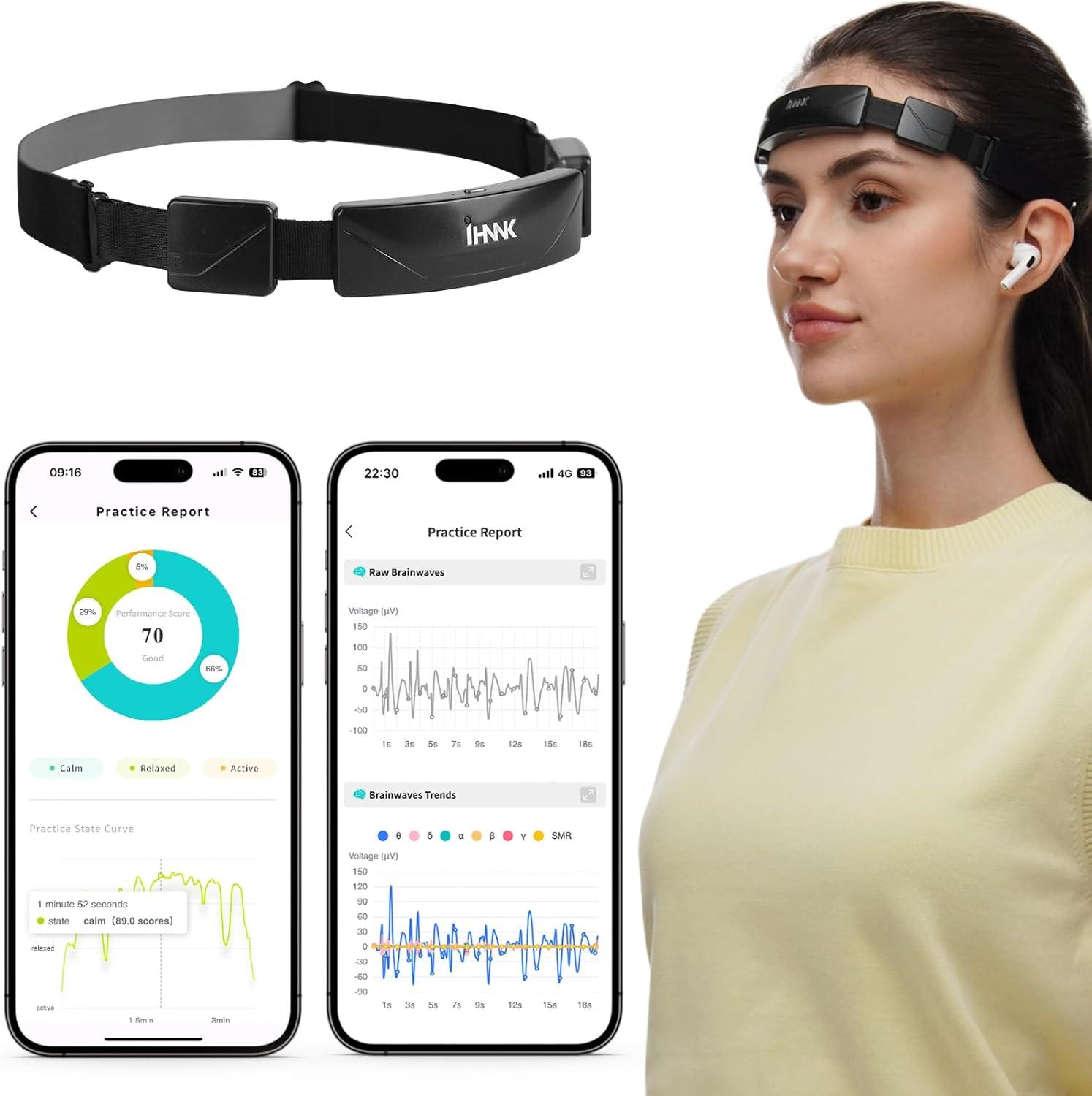
Bye, gym. This headband really makes you happy.

Things become interesting after that. Shankar Srinivasan, who is 24 years old, started Sputnik Brain, a mental health firm in Bengaluru. His company is making non-invasive headbands that people can wear to help them deal with stress and anxiety without drugs or negative effects.

Shankar came up with the idea for Sputnik Brain after having mental health problems after a failed enterprise. The goal was to naturally turn on the brain’s reward regions. Think about a “happiness activator” that you wear that uses safe, controlled electrical currents to make you feel better in only a few seconds.

  1. Founded: 2023
  2. Funding: INR 1.04 crore
  3. Backed by: UCLA neuroscientists, NIMHANS neuroscientists, and IIT Delhi experts
  4. Awards: Samsung Solve for Tomorrow, UNDP funding, Emergent Ventures Fellowship
  5. Goal: Make “pleasure” into a product without drugs or addiction

Stress is spreading over the world, and many standard treatments don’t work anymore. The chemical-free, neuroscience-based approach from Sputnik Brain could be the future of mood control.

So, will your next mood enhancer be a pill or a headset?

Why is it so important to keep an eye on your health in real time?

“Ignorance is bliss” doesn’t work when your blood sugar is going up.

Smart wearables aren’t just cool devices; they can change how people act:

  1. Personalization: Your watch knows your rhythm better than any fitness expert.
  2. Preventive healthcare: Find problems before they get so serious that you need to go to the hospital.
  3. Feedback in real time: Change your habits right away, not after your doctor yells at you.
  4. Professional sharing: Healthcare workers can get updates in real time, not your vague memory of “I think I got dizzy last Tuesday.”

So here’s the big question: Is your watch keeping you alive or just making you walk further to get pizza?

On the Other Side: Data Ethics, Privacy, and Security

It’s not just your heart rate anymore; it may be part of someone’s business plan.

Wearables gather private, personal data, which makes people more likely to be hacked, taken advantage of, or watched too closely. Businesses are always seeking for new ideas, but customers need to demand openness, permission-based data use, and safe hygiene.

Who is willing to pay the most for your heartbeat?

The Future Is Worn, Not Bought

Indian companies that develop wearable gear are making products that make health a real-time, personalized, and powerful experience from the wrist to the brain. These little gadgets have a multitude of uses, like checking your blood pressure, keeping track of your REM cycles, or helping you unwind after a hard day.

So the next time your smartwatch vibrates, it might not simply be a reminder. It could be a push in the right direction for you to accomplish better.

Some of the smart wearables that are revolutionizing how health is recorded in India are Ultrahuman, boAt, and Sputnik Brain. They might keep an eye on anything from exercise and metabolism to mental wellness. Not only will healthcare be more advanced in the future, but it will also be wearable. It knows what’s going on in real time, helps you change your behavior, and gives you a health journey that’s just for you.

Is your smartwatch telling you the time or telling you your life story?

With Indian startups like Ultrahuman, boAt, and Sputnik Brain gaining global traction, could the country become a leader in exporting health-tech innovation to the world?

Let us know in the comments below!

image

AI in Healthcare

From Algorithms to Appointments : How AI is Revolutionizing India’s Healthcare Landscape

Introduction

India’s healthcare system is changing due to artificial intelligence, moving from appointments to algorithms.

AI is revolutionising healthcare by using useful business principles like early disease detection and 24/7 virtual consultations. 

Think of it as your doctor moving into your phone, minus the rent.

What This Blog Will Teach You:

  1. The human and emotional dimensions of AI demonstrate that technology can do more than just boost output; it can also tailor experiences and promote trust and empathy.
  2. Numerous Indian health-tech businesses, including mfine, Qure.ai, and Niramai, show how AI is already saving lives in underdeveloped neighbourhoods, cities, and towns.
  3. Why AI in medicine is important to you as a patient, carer, or just someone who wishes to live in a more complex world.
  4. What the future holds for human-centred AI in medicine, and how new companies are using code to make healthcare more compassionate and accessible.

If you had a 24/7 AI doctor in your pocket, would you call it for a health check or just for dating advice?

Before seeing a doctor, is it possible to obtain help from a chatbot?

You don’t feel good. The waiting room is packed with people. The doctor is absent for a few hours. You start to feel a sense of dread. How long are you going to wait? When you need medical attention, will you get it?

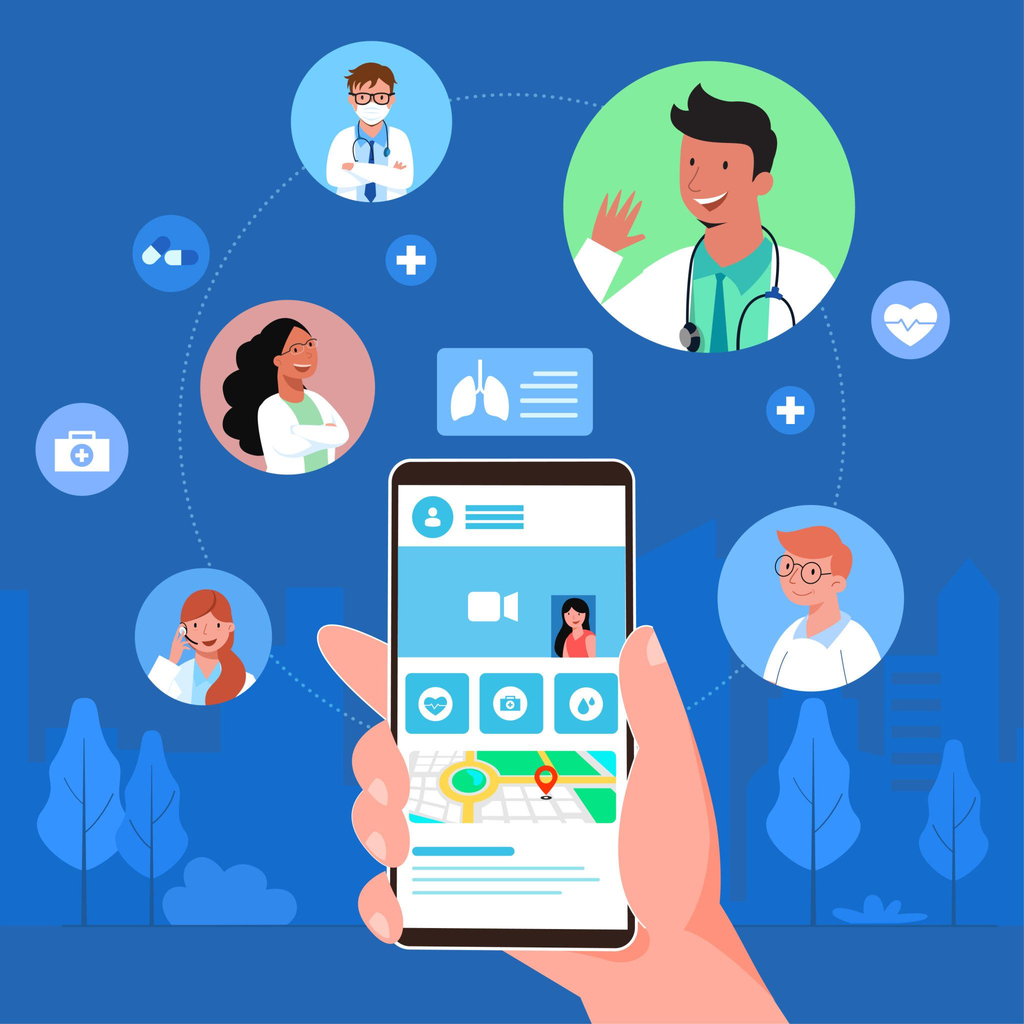
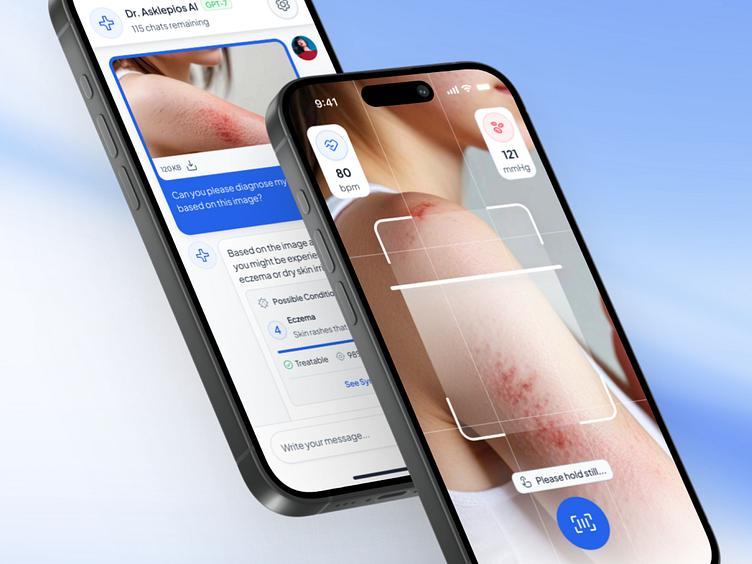
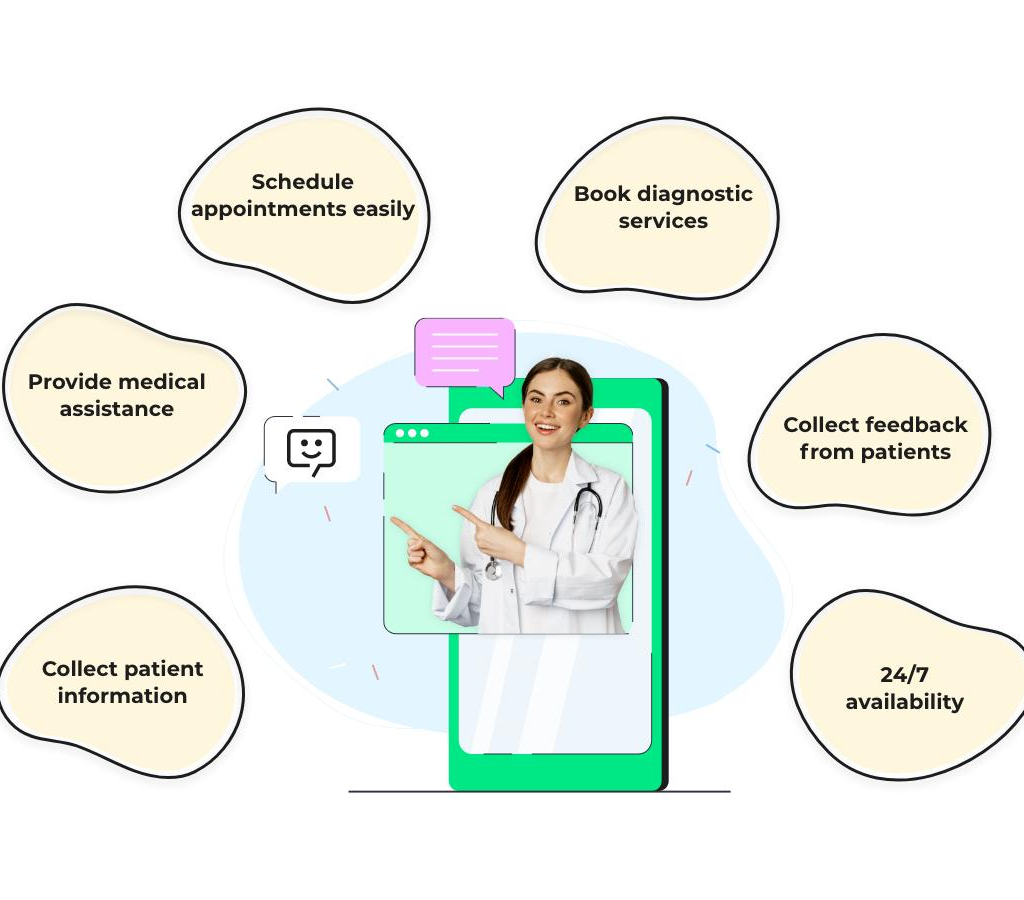
Now, picture yourself opening an app in its place. It asks you some basic questions. It takes minutes rather than hours to evaluate your symptoms, spot possible problems, and suggest the best course of action.

Basically, WebMD… but without convincing you that your headache means you have six rare diseases.

This is not the future. Pioneers in India are already using AI to quietly redefine healthcare standards.

Would you trust a chatbot to diagnose you, or would you still text your mom first?

AI has improved access to healthcare.

Let’s look into how.

Which Facets of Healthcare in India are Changing?

India’s healthcare system is among the most overworked in the world. Hospitals are congested, doctors are too busy, and there is too much red tape. But something new is happening silently and online.

Artificial intelligence (AI) technologies that analyse symptoms and deliver test results in a few seconds help spot problems early. 

Imagine blood test results coming faster than your pizza delivery.

It makes it easier for residents of isolated places to get expert counsel.
It made diagnostic and treatment suggestions based on each patient’s particular medical history and risk factors.

AI is being used by businesses to cover the holes left by antiquated systems. Communities far from cities are receiving city-level treatment, wait times are being shortened, and diseases are being remotely diagnosed before symptoms manifest.

Which would surprise you more, AI finding your illness early or your doctor replying to your WhatsApp in under 5 minutes?

Could AI be Able to Identify Illness Before You Do?

Actually, AI is evaluating your data to find hidden risks like diabetes, cancer, or heart disease before they become apparent. More lives are saved sooner as a result.

Think of it as a health spoiler alert, minus the drama.

 AI is reducing the cost of therapy for millions of individuals, especially those without insurance, by eliminating the need for expensive lab tests and pointless doctor visits.

Would you feel safer knowing AI can spot a disease before you sneeze, or would that creep you out?

Compassion and AI

Think about this:

Technology seems robotic or icy. What if it’s a human, though?

 Or at least a robot with good bedside manners.


Let’s look at three real Indian businesses that offer individualised medical care:

  1. The Niramai
    This technology provides painless breast cancer detection utilising AI and thermal imaging for people who live far away who might be afraid or culturally unwilling to get checked.
  2. Qure.ai
    It can read X-rays and scans in a few seconds, saving time in an emergency. It is already being used in rural health clinics and ambulances to detect brain haemorrhages and lung infections when radiologists are not available.
  3. mfine
    With the help of this portable hospital, you can go anyplace. It gives you instant control over your treatment with AI-powered triage, vital sign monitoring, and prompt physician consultations.

It’s not science fiction.

These are real treatments that are saving lives right now and were created in India.
These up-and-coming businesses are not only great, but they also understand our actual needs.

If AI could also give you a warm cup of tea with your diagnosis, would you call it your best friend?

Does such excellent healthcare exist in every Indian community?

The Advantages of AI in Rural Areas

A new kind of doctor, one who is a technical advancement rather than a human, emerges in Kerala’s remote regions. In February 2025, the state government installed fundus cameras with AI capabilities from Remidio at community health centres in remote areas.

These devices are small and easy to use. They currently work in clinics that did not have even the most basic diagnostic equipment in the past. By examining the back of a patient’s eye, they can spot the early signs of eye disease. 

Basically, they’re giving eyesight a head start.

It could be the difference between life and death for Sushila, a sixty-two-year-old Palakkad farmer with diabetes. A doctor used the AI camera on her while doing a standard examination. It identified symptoms of diabetic retinopathy, which she was not aware of, in a matter of minutes.


Instead of having to wait weeks to see an expert or visit a huge hospital, she was rushed straight to therapy, saving her vision.


Rural clinics can now detect eye diseases early and avert blindness right away thanks to AI.
Here, establishing trust and saving time are the objectives.

 When doctors aren’t there, Remidio’s cameras and other technology can be helpful.
AI can identify eye diseases like diabetic retinopathy before symptoms show up, allowing doctors to treat them right away.

Even the simplest AI systems can avoid irreversible blindness in rural clinics.
Getting top-notch care near home can save patients time, money, and health.

Would you be more impressed by AI saving your eyesight or by it remembering your chai order?

Why Should Medical Professionals Worry About Their Feelings?

The majority of people don’t think about how AI might enhance our emotions in addition to our health.

It seems to already do so.

AI-powered businesses are addressing both technical and emotional problems. In addition to helping a tired father, they are also helping a cancer patient obtain a second opinion and giving a rural woman a means of secretly keeping an eye on her health.

Because getting healthy is only as crucial to health care as trust.

Which Emotional Problems Can be Solved by AI?

  1. Medical Terminologies: AI eases patients’ worry and helps them understand their diagnoses. 

Finally, a translator for “medical-ese.”

  1. Mental Health: The Woebot and Wysa mental health apps on your phone offer private, nonjudgmental assistance.
  2. Elderly Parent: You may now take care of your elderly parents from a distance thanks to AI assistants, which can keep an eye on their vital signs, remind them to take their meds, and even call for assistance in an emergency.
Would conversing with a computer be more pleasant for you if it didn’t interrupt or criticise you?

Learn About the Players: Using Code to Change Things

  1. Detection at Early Stage
    Companies like Niramai are using AI to detect cancer at an early stage which enables recovery before it’s too late. 

Like catching a bad movie plot twist before the halfway mark.

  1. Your Primary Line of Care Is Now a Click Away
    From mfine’s physical health triage to Wysa’s mental health therapy, AI-powered assistants are emerging as the first point of contact by offering 24/7 advice, reassurance, and empathy.
  2. Real-Time Diagnosis Driven by AI
    In developing nations, Qure.ai’s technology is transforming emergency care, trauma response, and diagnostics by reading CT, MRI, and X-ray scans in a matter of seconds.
  3. Easy Access to Dietary Instruction
    Websites like Healthify Me track how much food you eat and provide you dietary guidance and new recipes.

If AI could track your food intake, would you be honest about that extra samosa?

From Your Phone to the Doctor’s Office

Healthtech listens, comprehends, and helps.

Your phone just went from gossip buddy to health coach.

Beyond simply being smart, your phone is becoming your first health responder.
It’s not only about new businesses or data. It discusses people, their issues, and potential solutions.

If you have ever had a lengthy wait for a diagnosis.
It is simpler to obtain care if a family member in a small town needs it.
Have you ever felt overwhelmed by the volume of patients in a busy clinic?

Thus, this is also your story.
By tracking your medicine, helping doctors make decisions, and even predicting when you’ll get a fever, often with only your phone, AI is already revolutionising the way you receive medical care.

Would you trust your phone more if it predicted your fever or your crush texting you back?

Will Medicine be Portable, Precise, and Personalised in the Future?

What comes next? Can compassion be fostered through code?
We ask again: Will machines ever be able to love as much as people?

Maybe not in the same way. They can, however, enhance our capacity for empathy, healing, and caring for others.

When AI takes care of the repetitive activities, doctors might have more time to spend with patients.

Chatbots provide patients a sense of control, which improves their mood.
Families feel less alone when health applications deliver care to far-flung places.

The next time you click on a health app or read about a new medical technology company in the news, keep in mind that this is not correct information.
It is related to trust.
It’s a mark of respect.

Your tale, bolstered by stealthy, vigilant technology.

Which facets of the healthcare industry do you think AI will improve?

Are individuals in remote places reachable? Are you worried about your mental health? Cutting costs? Additional time for the patient and doctor to consult?
Is artificial intelligence the only practical answer for India’s healthcare system as demand rises and resources fall?

Stay active, take care of your health, and continue to ask the most crucial questions until the next time.

admin-ajax

AI for SMBs

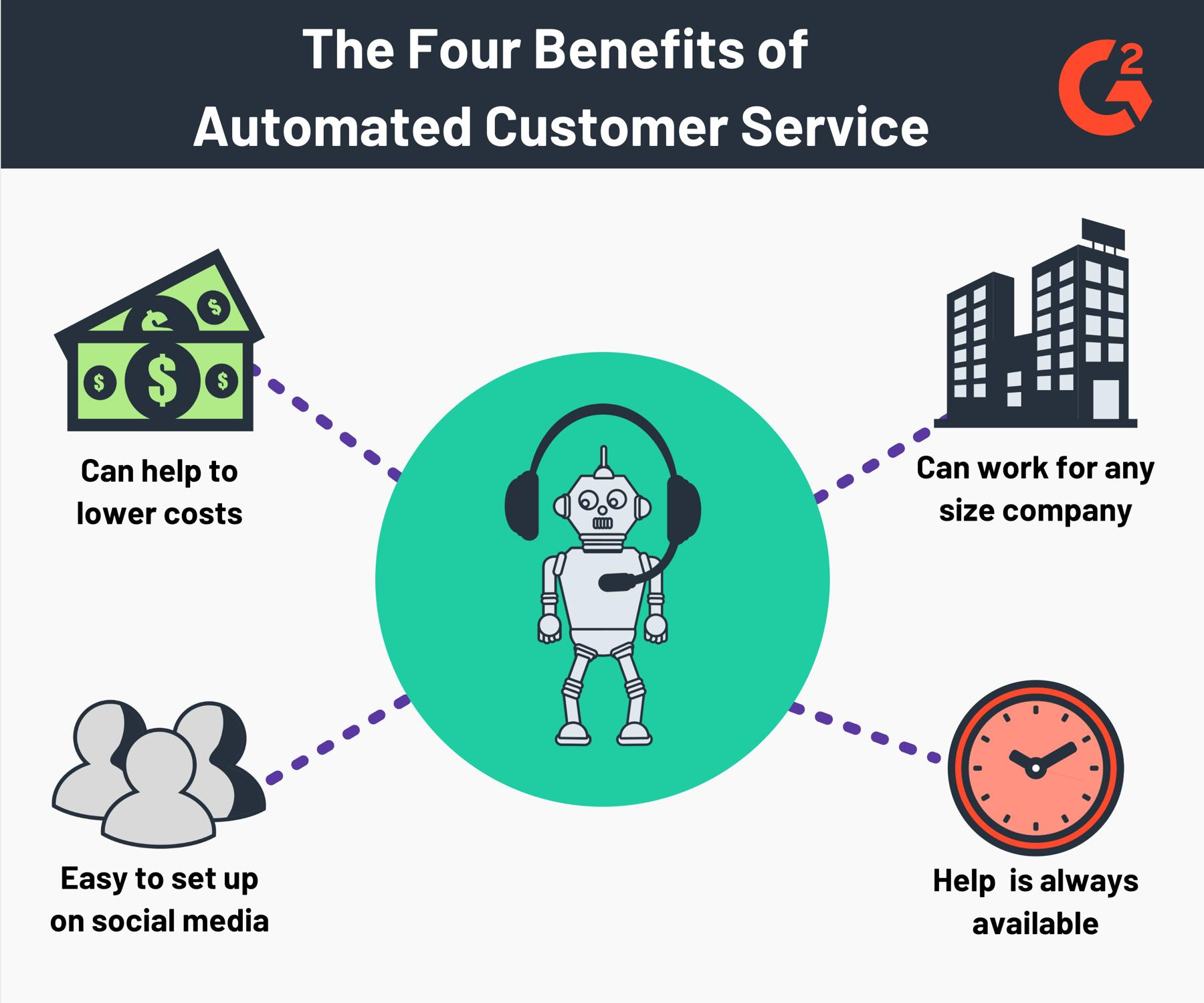
Could AI Be the Customer Support Superpower Every SMB Needs?

From reactive support to predictive intelligence : How small businesses are embracing AI to outperform their competitors

Introduction 

AI is developed to assist small and medium-sized enterprises (SMBs) even before their customers are aware that they require help.

When a customer complains, it’s often too late to address the issue. In this day and age everything is interconnected. People no longer trust you; they’ve left negative reviews, and their carts are empty. The damage is already done. Ouch. But what if your business had a “fortune teller” that spotted problems before they blew up?

This is how to think about it : There are a lot of abandoned carts at a modest online retailer. Instead of getting angry emails, AI finds a broken payment connection, tells the team, and delivers an apology and a discount to the clients who were affected, all before the customers even know something went wrong.

That’s what AI that works ahead of time can do. It won’t just be for the big folks in 2025. Small and medium-sized businesses (SMBs) are entering the age of AI, when AI becomes a strategy.

What This Blog Will Teach You

This blog discusses the way AI is transforming the manner in which small and medium-sized enterprises (SMBs) manage customer care. From being a cost centre that responds to issues, it is presently a revenue engine that strives to resolve them. Here’s what we’ll discuss:

  1. What is proactive AI customer service?
  2. How AI is the best option for SMBs
  3. Aspects that make human beings use AI more effortlessly
  4. The optimal ways to make the implementation function effectively
  5. Success stories in social commerce, retail, and telemedicine in real life

This is your opportunity if you have a small business or own one.

From a Crisis Hotline to a Way to Make People Happy

Customer service previously resembled calling the fire department,  too late, the house burns already.

Customer service was once all about problem-solving. Customers now prefer that companies know what they need before they tell them. They want things done to solve the problem before they complain, or better still, before they realize there is an issue.

The biggest strength of AI is to correct issues, make things better for everyone, and to do things right away.

Isn’t it preferable to be the firefighter who keeps the fire from happening rather than the one with a half-full bucket?

In what way does AI make small businesses appear large?

Consider AI as the business attire that makes each SMB Fortune-500-capable.

Small and medium enterprises once had trouble applying AI technology or viewed it as too costly. However, times are rapidly changing.

A 2024 DigitalOcean Survey reported that :

  1. 43% of small and medium-sized enterprises (SMBs) are already using AI.
  2. 78% plan on increasing their usage in the following year.
  3. The primary applications of AI usage up until now have been in software development and data analytics. However, recent studies now indicate that customer service and engagement have taken the forefront with 80% adoption rates in some sectors.

Why? AI enables small and medium-sized enterprises to get what they desire most : smart, efficient work.

Let’s break it down :

Predictive Analytics

AI examines information on customers to determine what they could need.
For example, an online store discovers that those customers purchasing printer ink return every six weeks. AI sends messages and makes deals automatically, which drives sales and causes customers to return.

Considering how you feel

AI can sense how individuals are feeling through their reviews, interactions, and calls.
For instance, a salon picks up on a negative review when the customer is present and offers them a complimentary touch-up upon their departure before they post an ugly review.

Observing others’ behavior

AI notices odd behaviors as they occur.
For instance, a SaaS company notices consumers struggling to log in. AI initiates a tutorial within the app, which prevents the AI from reaching out for help.

If AI can predict when you’ll need new printer ink, can it also predict when you’ll need a coffee refill?

A Real-World Success : Leo Coffee’s Digital Transformation

A 100-year-old coffee brand met a 21st-century problem, and AI was the extra shot of espresso it needed.

When COVID-19 struck, 100-year-old South Indian brand Leo Coffee, which was so popular, had to struggle. When the stores were shut down, customers inquired more on the internet.

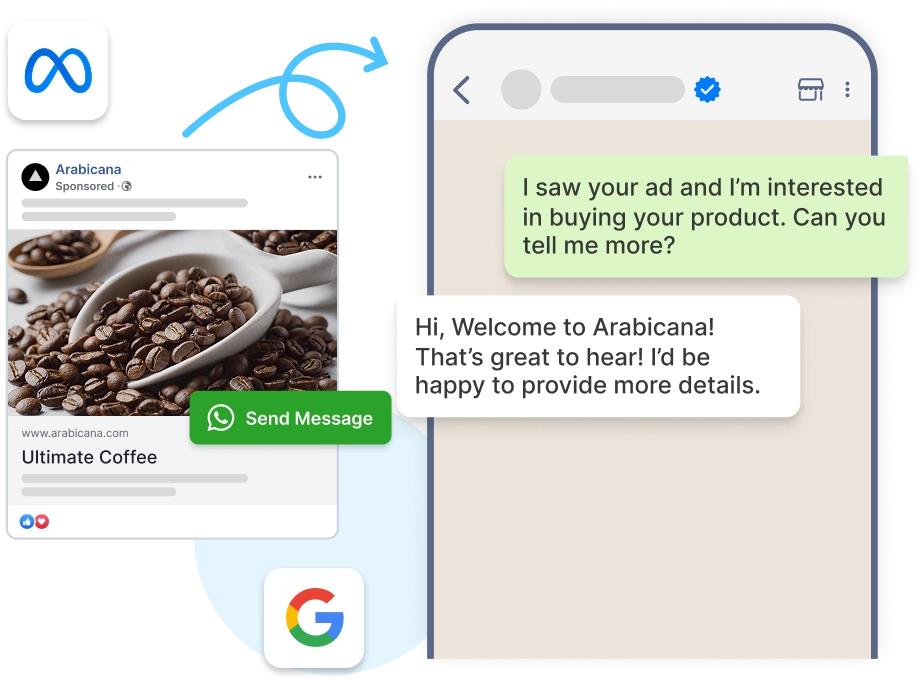
Leo did not succumb to the pressure. On the contrary, he collaborated with Yellow.ai to implement AI-driven chat and voice assistance on their website, WhatsApp, and Facebook.

Key Outcomes :

  1. Sales reached ₹1.5 lakh in a matter of days.
  2. Responding with 100% accuracy
  3. Help that happens automatically all the time, with interaction that feels like a real person.

People used to think of Leo Coffee as a legacy brand that was good with technology, but their swift switch to AI during the lockdown changed that.

 Who needs baristas when your chatbot can brew up answers 24/7?

Voice Bots for Indian Small Business Owners : The AI Makeover of Meesho

Too many customers? That’s the “good problem” Meesho had. AI rode to the rescue like a multilingual call center superhero.

Meesho, one of the leading players in social commerce, had a different issue: they had become too successful. Numerous small businesses scrambled to make use of the platform, which meant that it was hard to access support.

Meesho launched an English and Hindi AI voice bot late in 2024, which sellers could use to respond to queries over the phone.

Key Outcomes :

  1. Over 60,000 calls are answered daily.
  2. All but a few inquiries were handled without assistance from an individual.
  3. Wait times and costs are reduced.
  4. Levels 2 and 3 entrepreneurs could do more because they were able to access support in their own language.

It wasn’t merely about the tech; it was also about engaging everybody. Meesho’s AI phoned up sellers and spoke to them in their own language and at their own pace.

Isn’t it crazy when robots speak your language better than your relatives at family weddings?

How to Start Without Getting Overwhelmed

Adding AI isn’t about replacing your entire business in a single night,  think “training wheels,” not rocket launch.

Even the best instruments can be dangerous if you’re not careful. Here’s how to add AI to your customer service stack without using up all of your team’s bandwidth.

  1. Start with a little bit.
    Test AI on one task, like answering frequently asked questions, before you use it for more than one.
  2. Use What You Have.
    Inject AI into your existing support desk or CRM. You don’t have to dismantle and rebuild.
  3. Train your staff.
    AI and support staff shouldn’t be at war with each other; they should complement each other. Train individuals to better equip them in AI.
  4. Watch it intensely and tweak accordingly.
    AI improves the more you use it. Regularly check performance, get feedback, and make small tweaks as necessary.

Isn’t “baby steps with AI” preferable to “AI devoured my entire business strategy in one night”?

Bonus: Telehealth AI assists many people in recovering quickly

When physicians are swamped with patients, AI is the sleepless stethoscope.

During flu season, a telemedicine firm was so busy. Patients were displeased because they waited a long time and missed follow-ups.

They included AI in their Salesforce Health Cloud as a remedy for the same. It screened for symptoms, scheduled follow-up appointments, and sent them home with their prescription.

Key Results :

  1. Response times were 30% faster.
  2. Better care that doesn’t change
  3. More satisfied people
  4. Sharing data between systems is easy.

A layer as thin as that of AI turned what was once a yearly mess into a constant stream of assistance.

Isn’t it nice when your “doctor’s assistant” doesn’t need coffee breaks or lunch hours?

In short, AI is not the future; it is here now.

Small and medium-sized businesses (SMBs) form the backbone of India’s economy, contributing around 30% to GDP and employing over 60% of the workforce.

It is the second-largest job creator sector after agriculture, with more than 7 crore enterprises. 

They can’t afford to lag behind when it comes to using AI.

Do it right now!

Don’t wait until your customer service is too busy or your name is on the line. AI isn’t just a new tool; it’s a whole new approach to running a business.

Now it’s your turn : Do Something Before They Ask.

How can you use AI in your business to save time, understand the pain points of your customers better, and make every decision better?

Let us know what you think in the comments below! 

image

AR and VR in Edtech

Can Startups Turn Classrooms into Virtual Wonderlands?

How AR and VR are transforming education in India

Introduction

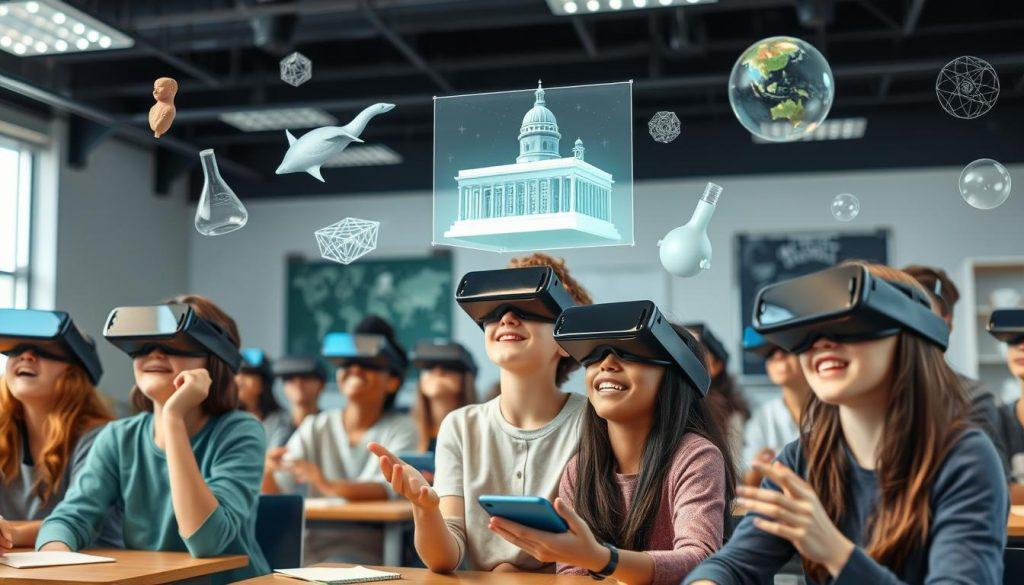
Gaurav and Vijay Purbia, two B. Tech graduates, saw kids in a small town in Rajasthan’s Rajsamand area having trouble learning difficult ideas via textbooks and blackboards alone. 

That’s when they attempted the unthinkable : they used a basic Google Cardboard device to take kids from their classroom to a 3D model of the solar system.

What began as a desire to make science interesting quickly grew into Altie Reality, a firm from Jaipur that is now leading India’s AR/VR education revolution. 

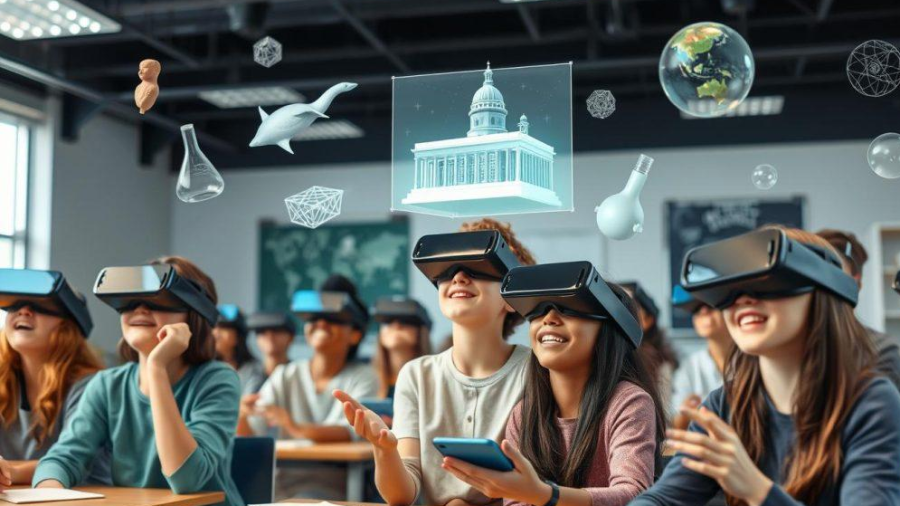
Their best software, LearnXR, lets K-12 students go on interactive school field excursions to the Taj Mahal, dissect the human body digitally, and even go through space, all from their smartphones.

But that’s not just the story of one startup. It’s a story about how 3D models, interactive learning, and the magic of extended reality are about to take over chalk and talk in Indian schools.

 AR and VR are no longer just sci-fi fantasies. The government is supporting them, hardware prices are going down, and the digital ecosystem is growing. Its time is here, and its era is experiential learning in India.

What You’ll Learn from This Blog

  1. How wearable technology has evolved from step counters to holistic health companions.
  2. The growing demand for fitness, mental wellness, and preventive healthcare solutions in India.
  3. Key innovations and features driving adoption of wearables.
  4. The rise of Indian startups like Ultrahuman, boAt, and Sputnik Brain in this industry.
  5. Challenges the sector faces, from affordability to data privacy.
  6. How global trends are influencing the Indian wearable ecosystem.
  7. What the future of lifestyle and health could be with wearables fully integrated into everyday living.

Why EdTech Had to Change : From Boring Textbooks to 

Living Lessons

Come on, copying equations off a blackboard is as boring as watching paint dry.

India has had an imbalanced number of teachers to students for a long time. There are too many students. Too few teachers. 

That means that classes are too often just lectures that are boring, mechanical, and easy to forget. In a time when screens and swipes are everywhere, old ways of teaching are having a hard time keeping up with the best way for young minds to learn.

Step into Augmented Reality (AR), which adds digital information to the actual environment. There are now a lot of Indian and global edtech businesses, so learning has never been more engaging, interactive, and visual.

EdTech is more than simply a business; it’s a movement.

Who knew that algebra needed a makeover more than your photos on Instagram?

Startup Stories: Where Imagination and Innovation Meet

Let’s look at four of these kinds of startups that are helping India become the leader in the AR education revolution.

1. Veative Labs: Getting to the Heart of Science

Do you remember when studying biology meant looking at badly drawn figures on the blackboard? Those days are over, yes!

  1. Place : Central Delhi, India
  2. Founder : Ankur Aggarwal (2016)

Features :

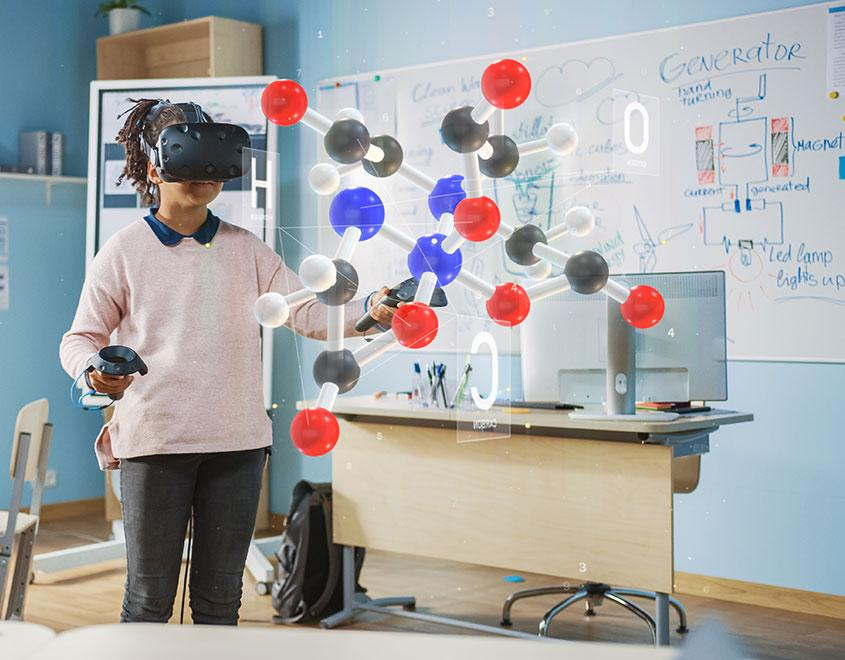
  1. Walk through a plant cell or float inside a beating heart
  2. First XR Chip-powered VR headset (a personal time machine + research lab)
  3. 670+ VR modules (biology, physics, chemistry)
  4. Walk through the bloodstream
  5. Practice English in virtual conversations
  6. Create VR projects
  7. Real-time pronunciation feedback via voice recognition

Teachers can control student sessions, making learning more focused and personalised. Even special needs students can learn at their own pace in a calm, judgment-free environment.

Why do you need magic school buses when you have Veative headsets?

2. PlayShifu: Making Smart Use of Screen Time

Parents complain that their kids are glued to screens… But what if that “addiction to the screen” turned into an addiction to learning?

  1. Place : Bangalore, India
  2. Founder: Vivek Goyal and Dinesh Advani (2016)

Products :

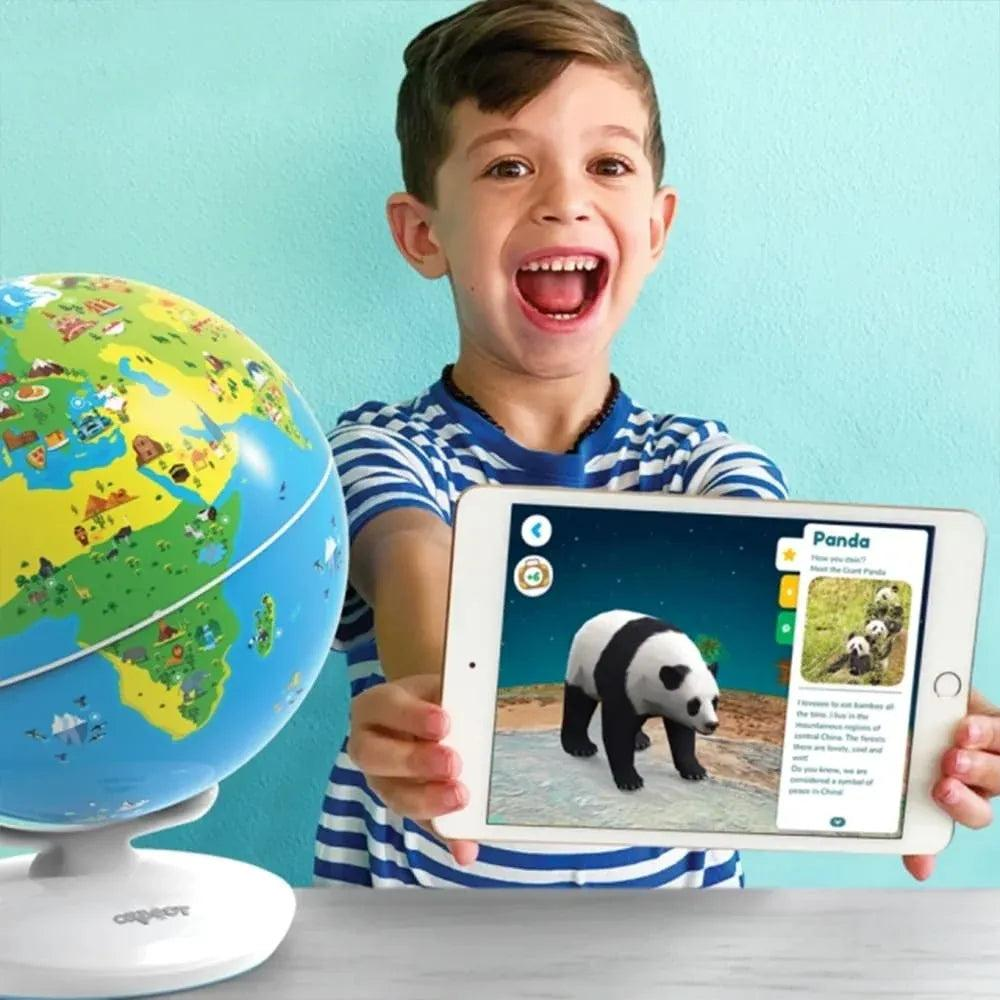
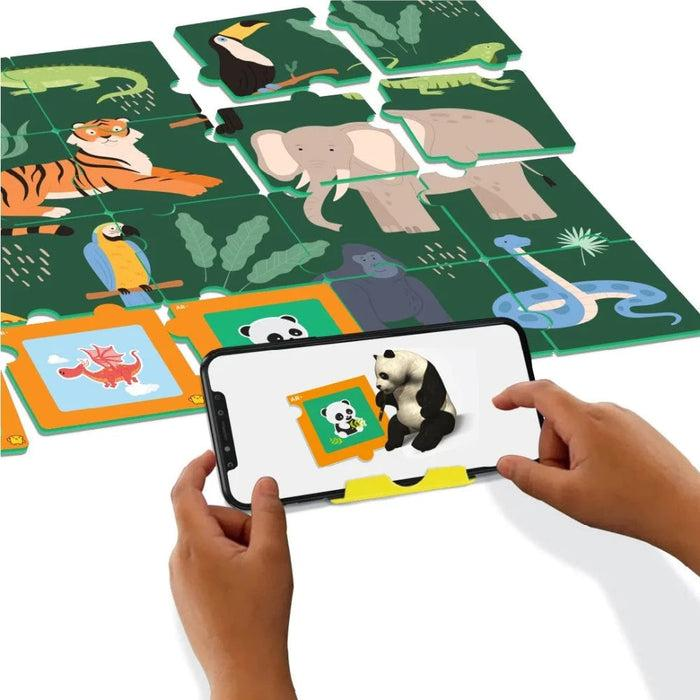
  1. Orboot Earth, Dinos, Mars: scan globes to explore history, geography, and space
  2. Tacto Doctor: tablet becomes an interactive clinic
  3. Tacto Chess:  strategy made fun
  4. Tacto Coding – learn logic through play

PlayShifu is used by 1M+ teachers and parents in 35 countries, proving that play and learning are best friends.

Who would have thought that coding and chess would compete with video games for attention?

3. TutAR: Giving Teachers a Magic Wand to Help Them

Teachers don’t need any extra chalk. What do they want? 

A wand that makes holograms.

  1. Place : Thrissur, Kerala
  2. Founder : Infusory (2020)

TutAR lets teachers bring science lessons to life with AR via simple mobile apps.

  1. Show, scale, rotate, and annotate 3D models (muscles, potentiometers, etc.)
  2. Used in 100+ institutions across 19 states
  3. Vision: building the “Tutarverse”, an AR/VR environment for students & teachers to interact anywhere

If your physics teacher had a hologram, would they have been able to make thermodynamics fun?

4. zSpace: Touching the Future of Learning

“Look, don’t touch” is no longer a thing. With zSpace, it’s all about “look AND touch.”

  1. Place : San Jose, California
  2. Founder : Paul Kellenberger (2007)

Features :

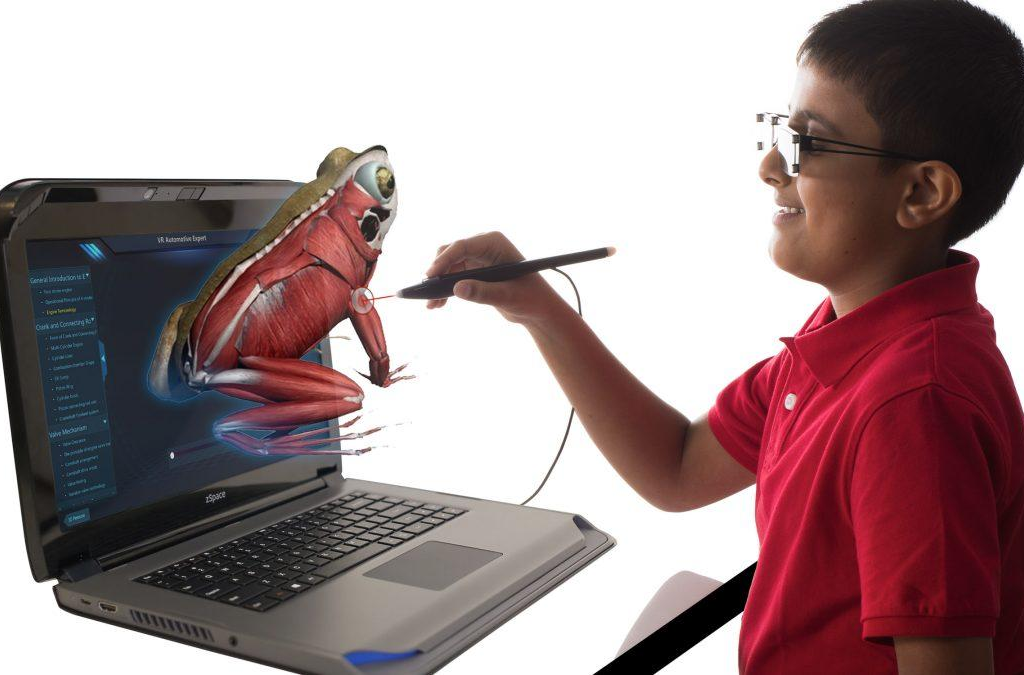
  1. AR/VR laptop with glasses + stylus
  2. Spin a DNA strand
  3. Dissect a frog virtually
  4. Look inside engines

zSpace serves learners from elementary to medical schools, with a strong focus on CTE (Career & Technical Education), ensuring job readiness.

Why just doodle in your notebook when you could cut up a frog in 3D?

There is a New Kind of Classroom

Textbooks, chalk, and projectors were once used. 

Now : heartbeats, astronauts, and sharks in your classroom.

Thanks to Veative, PlayShifu, TutAR, and zSpace, students can :

  1. Talk to astronauts
  2. Explore a shark without cutting it open
  3. Step inside a beating heart

And this is just the beginning!

Are we transporting them to school or to a parallel universe?

The Strength and Difficulty of AR in School

Here’s the truth : AR isn’t just a cool trick.

 It does what it says it will do. But it also costs money.

Why AR Works :

  1. Engagement : Keeps students interested and on task
  2. Visualisation : Turns abstract into concrete
  3. Accessibility : Lets distance & differently-abled learners learn at their pace
  4. Application : Connects theory with real-life uses

Challenges :

  1. Cost : Schools can’t provide AR tools to all students
  2. Training : Teachers need tech upskilling
  3. Inequality : Rural/ underprivileged students risk lagging behind

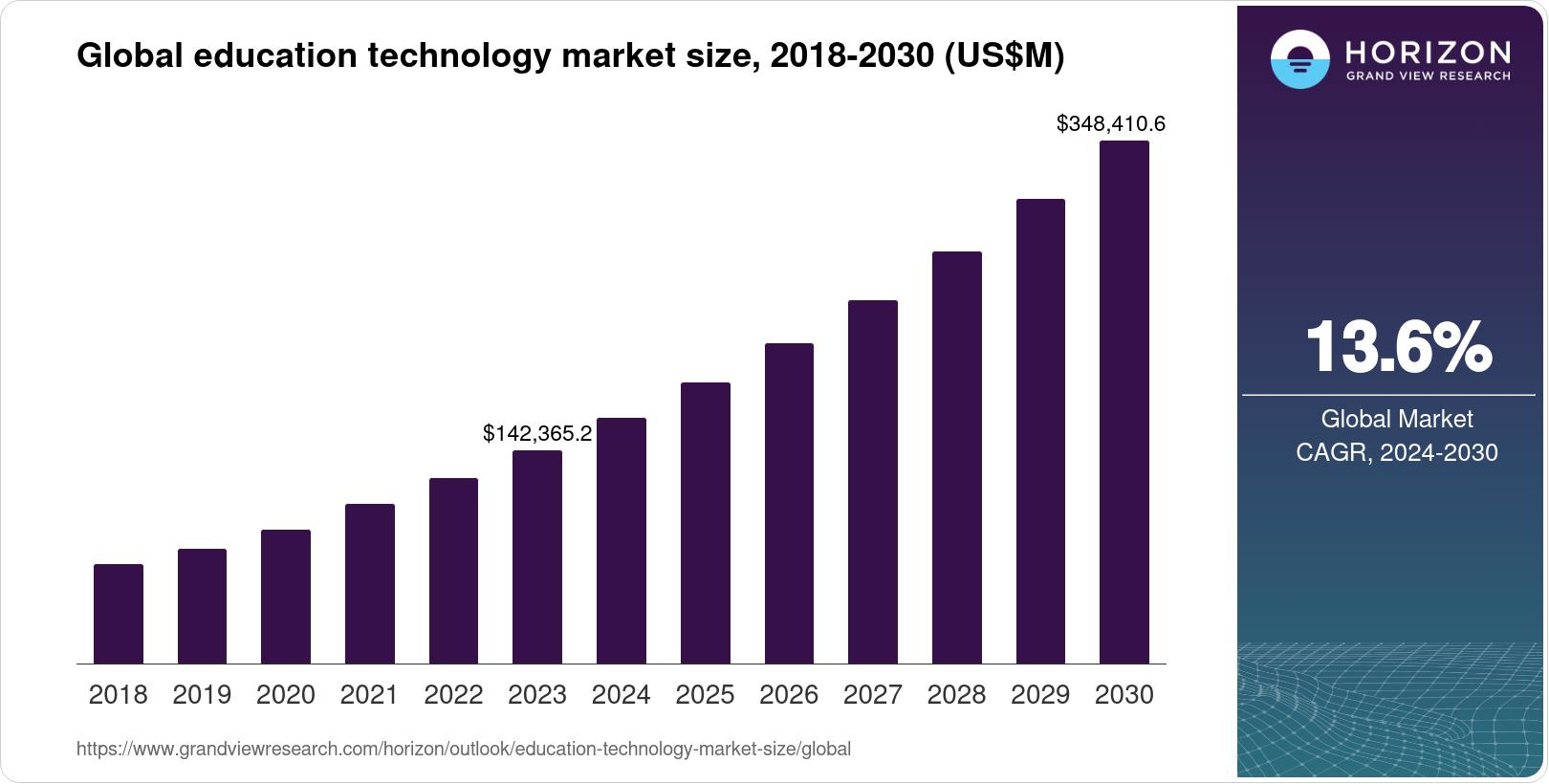
The AR education market is growing rapidly :

  1. $680.1B by 2027
  2. $24.7B metaverse education market by 2030 (43.76% CAGR)

Is AR the new chalk or just the coolest cheat sheet in the world?

Now it’s your turn to think

  1. What if your kid could go back in time to Egypt or learn math on Mars?
  2. What if the classroom of the future wasn’t limited to four walls, but instead spread across the universe?

AR is not just transforming how we learn, but also what we can do.

Stay inquisitive until we meet again.

What was something you always thought was boring, and how would AR make it fun for you?

With Indian startups entering the global stage, could the wearable industry become the country’s next big export story like IT and pharma once were?

Let us know what you think in the comments below!