Feeling Off Lately? These Indian Startups Are Here to Help You Breathe Easy Again
Where empathy meets technology
Introduction
Imagine this :
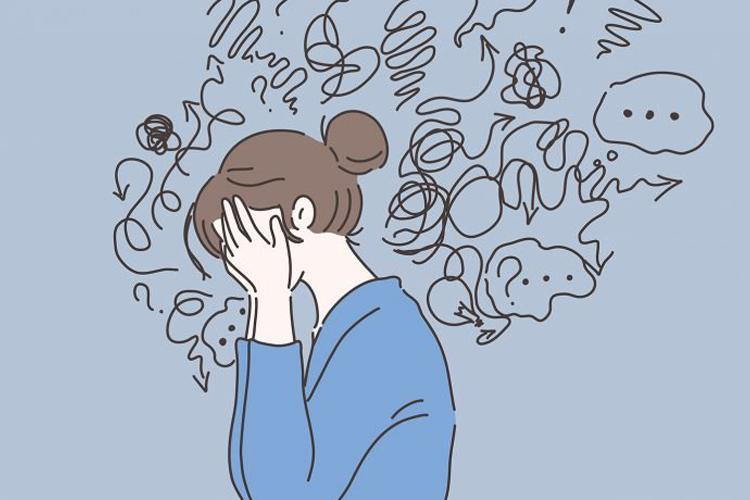
It is 2 a.m., and you are lying in bed, gazing up at the ceiling as your mind lingers in an apocalypse. You just can’t break out of it. You wish to speak with someone, anyone but your parents, your friends, and for sure that one co-worker who tells you to “cheer up” like it was an Enchanted spell.
You Google : “Free Therapy India.”
And there you have it, something happens. Soothing, AI-facilitated chatbot that greets, “Hey, I’m here to chat.”
Hello world of mental health.
And it’s being revolutionized by entrepreneurs all across India, some even women-founded, making therapy more accessible, anonymously and at reduced prices than ever before.
Let’s go on a tour of some of the most powerful mental health platforms in the nation today.
What You’ll Learn from This Blog
- Why mental health is an issue of daily life, not crisis
- The financial cost of un-treated mental illness in India—and how startups are bridging the gap
- How Indian mental wellness apps Wysa, Innerhour, and Trijog are making therapy accessible, within reach, and within range, and inside the stigma
- True-life accounts of the way in which technology is changing lives, for example, those of new mums, to manage stress, anxiety, and burnout
- Why early treatment for mental illness is necessary and how small, incremental steps can avoid major problems
- The ways in which human empathy and AI-supported therapy can be combined to provide safe, personalized mental well-being solutions
If you believe that therapy is only for “serious” issues, this blog may just surprise you. Are you ready?
The Ordinary Course of Mental Health
Think of therapy as chai breaks for your mind.
Mental health isn’t just for crisis, it’s the everyday life. Whether struggling with work stress or a change in a relationship or habit, our emotional well-being is constantly being rewoven.
And yet, all too frequently, individuals disregard the subtle warning signs until they are gigantic.
Knowing that mind health is just as ordinary as body health enables one to
- access help earlier
- accept their experience
- build a positive relationship with their inner life
Tools such as Wysa and others greatly help in offering simple, stigma-free assistance for everyday problems.
If flossing your teeth is not negotiable, why not cleaning your thoughts as well?
Why Mental Health Matters (And Why India Can’t Afford To Ignore It Any Longer)
Imagine your brain as Wi-Fi : if it’s not working, nothing else does either.
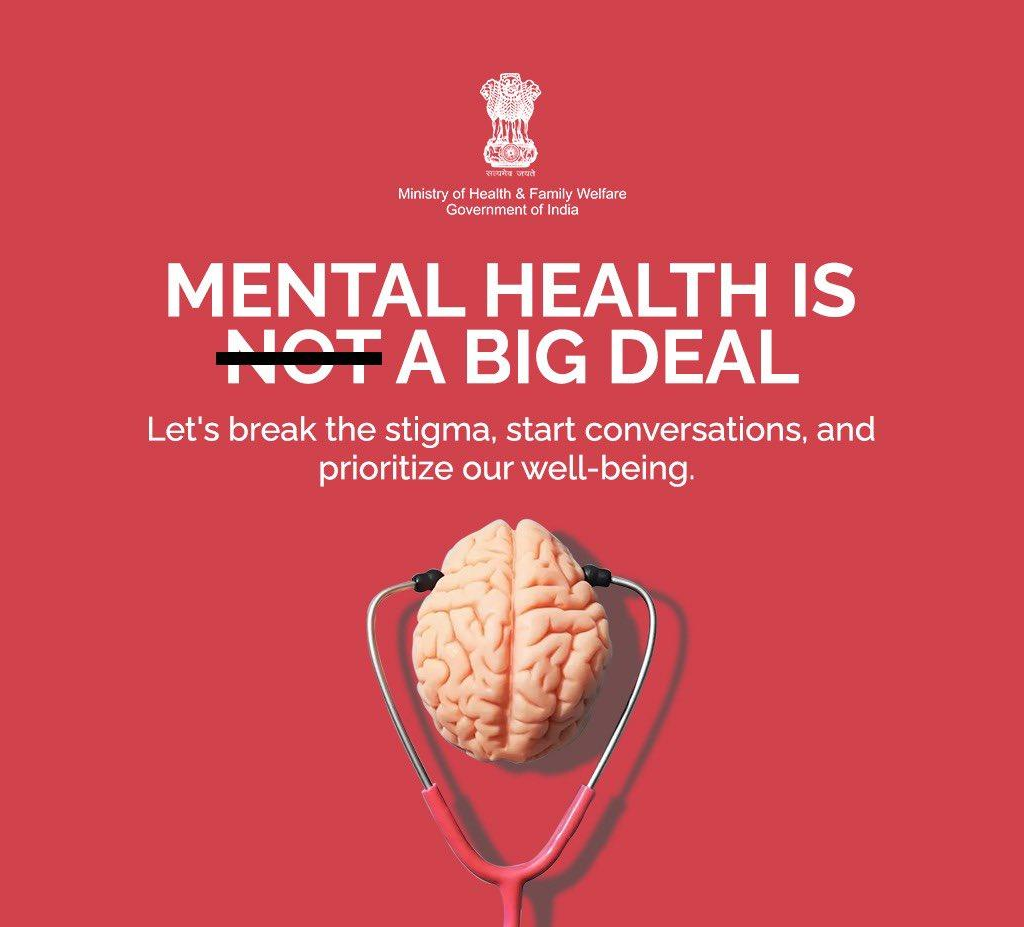
Mental well-being is not merely the way you approach depression and anxiety. It is the foundation on which you work, think, and behave. But in India, the issue has been pushed under the rug for far too long.
India, the WHO estimates, lost more than USD 1.03 trillion between 2012 and 2030 due to mental illness. Suicide rate? 12 to 21 per 100,000 individuals. That is not a number, it is millions of silent lives.
All hope is now in sight and it is arriving in the form of initiatives such as the Mental Healthcare Act of 2017 and innovation through technology by entrepreneurs in India.
If we cost a trillion dollars by ignoring mental health, what do you imagine cultivating it might build?
Wysa : The Listening AI Buddy
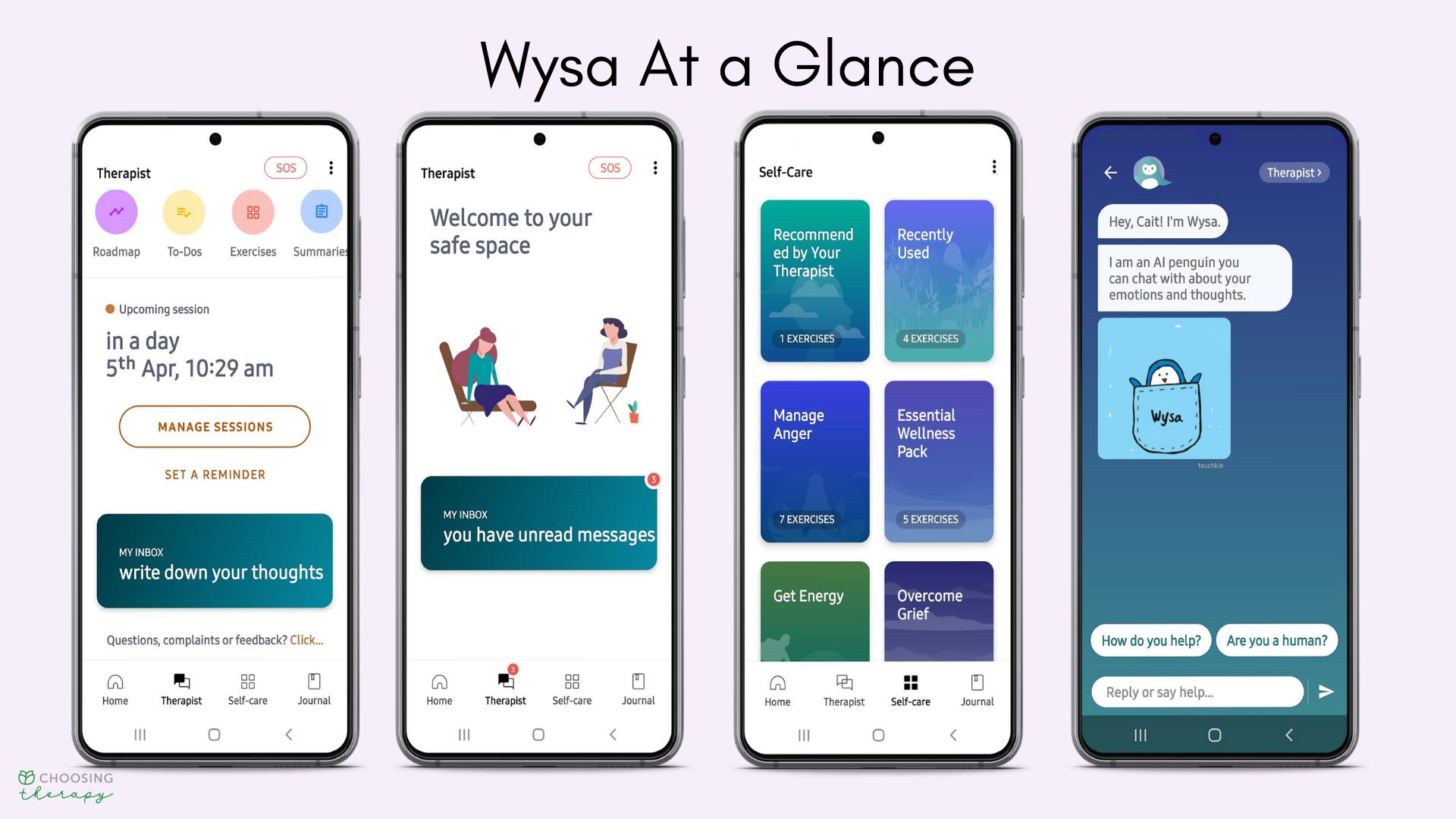
Hello Siri’s laid-back cousin, except she actually listens.
Began life with a dream of making mental health as simple as talking to Siri; Wysa was designed after the entrepreneur struggled with depression. Wysa is now a chatbot friend to whom more than 6 million individuals across the globe go when they need someone who won’t judge them.
So, what is it? It’s an artificial intelligence wrapped in live human counsellors, with unlimited chat support and virtual sessions, at a minimum of INR 1,900 a month. That’s therapy minus the intimidating clinic visits.
Do try : You require an anonymous, judgment-free space anywhere, at any time.
Think about this : if venting to your phone could be less expensive than having pizza delivered, wouldn’t you give it a shot?
How Wysa Helped a New Mother Cope
Babies don’t have manuals, but thank God apps do.
A new mother who was dealing with postpartum anxiety and sleep deprivation found relief in the 24/7 support of Wysa. As nobody was present to talk to her, she approached the AI chatbot option of the app as a judgement-free zone where she could talk.
The daily check-ins, groundings, and journaling she was doing walked her through her feelings, and inexpensive virtual therapy gave her expert guidance that she required. She was more confident, more at peace, and more capable of being there for her baby and herself, long term.
If AI can assist new mothers with sleep better, what’s preventing it from becoming your midnight companion as well?
Are there benefits to cheaper healthcare being more accessible to everyone?
Innerhour : Your Daily Dose of Emotional Fitness
Your brain requires push-ups too and no gym membership is needed.
Did you ever imagine a daily to-do list that would brighten your smile?
Innerhour gets you.
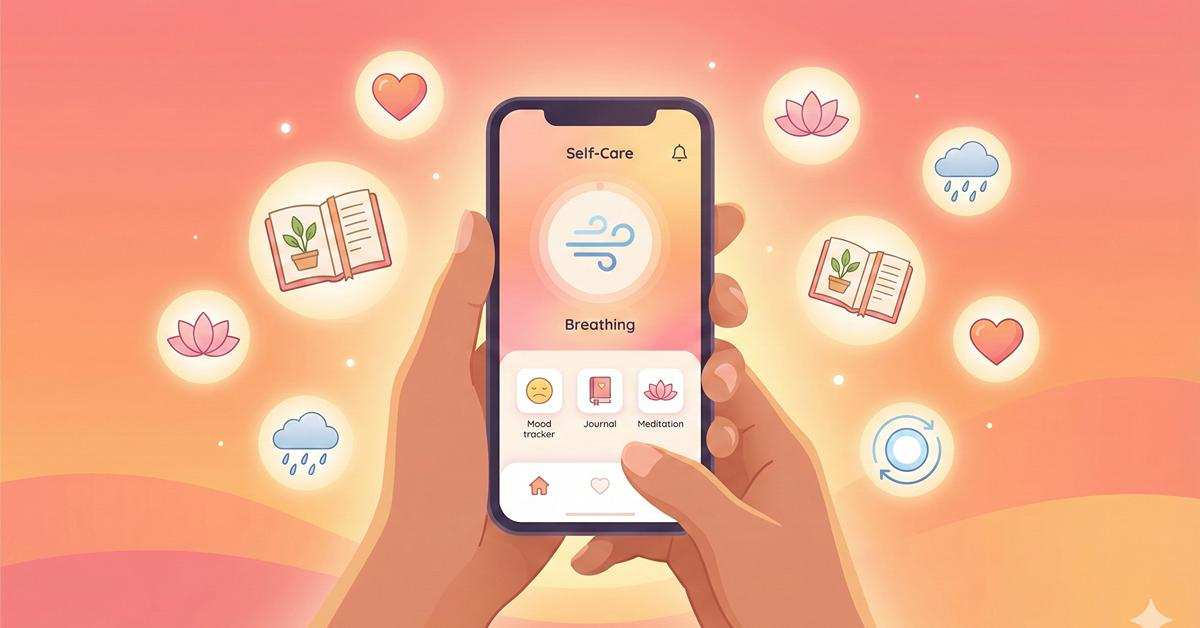
Think of it as an emotional gym, with self-help agendas under the direction of experts, a daily dose of emotional homework, a journaling ledger to measure advancement, and even a chatbot friend like Allie who’s there to help when things get challenging.
Created by technology experts and psychologists, this app is perfect for those who are
- anxious
- overworked
- stressed about life
Do if : You enjoy routine and want to savor bite-sized, guided brain exercises.
If Netflix can nudge you to continue watching, should Innerhour nudge you to continue smiling?
Trijog : Healing in Hybrid Mode
Mother-daughter duo showing therapy can be a family affair.
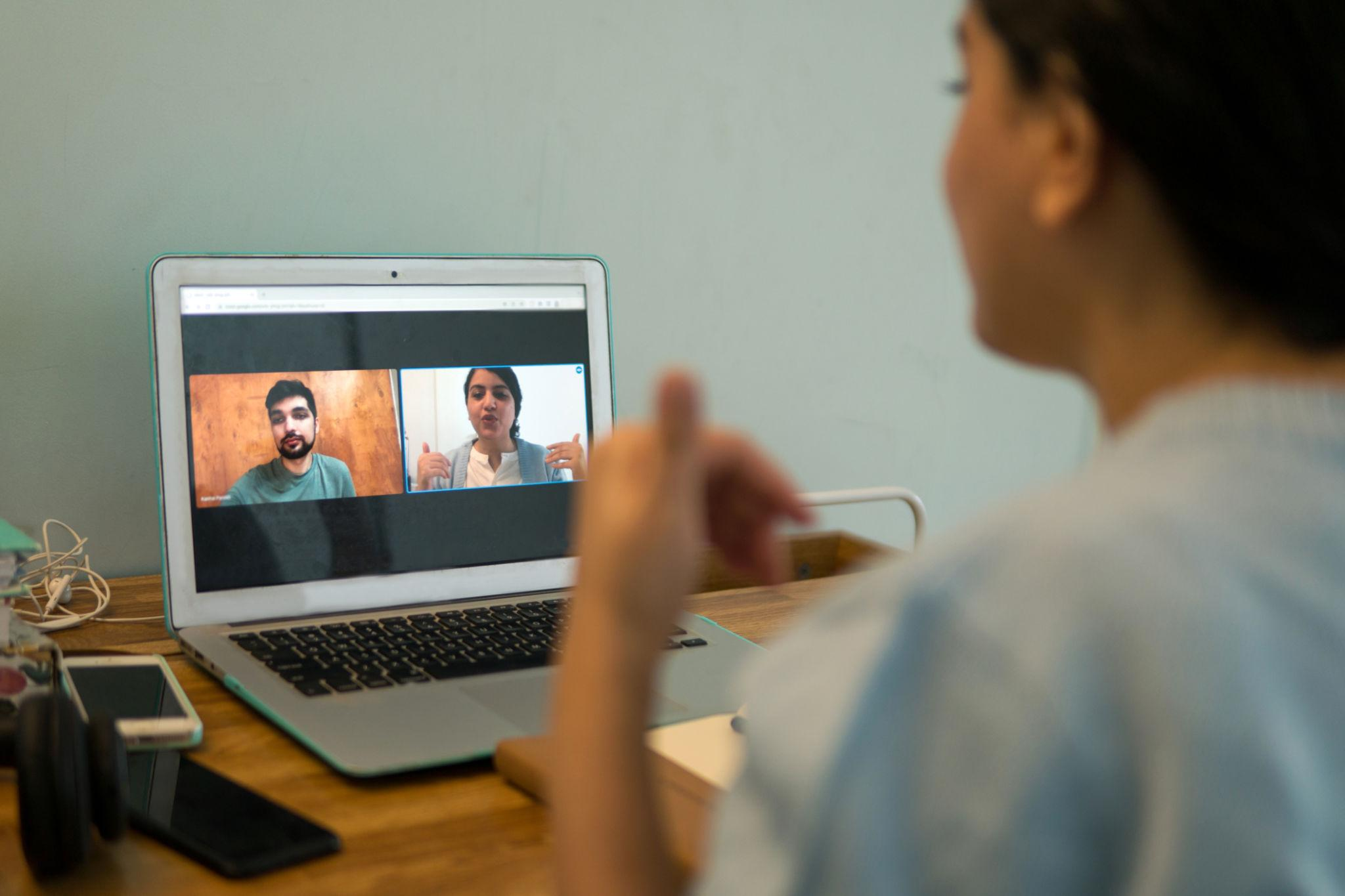
Anureet and Arushi Sethi’s mother-daughter team created Trijog.
The platform combines :
- offline studio therapy
- online intervention
With 20+ therapists on board, it targets individuals, corporates, and institutions alike, thus becoming one of India’s better-integrated mental health startups.
They developed affordable solutions for COVID to help Indians deal with the shared trauma and still organize virtual webinars and workshops.
Try it if : You enjoy customized care that fits your schedule.
If therapy were as flexible as your Zoom calls, would you actually make that appointment?
So, What’s the Big Picture?
These Indian mental health startups aren’t filling a gap. They’re writing a new script.
They are changing the definition of mental health by helping out :
- college students
- out harried mothers
- sleepless business executives
- all mourning teenagers
Assistance isn’t out there, it’s out here, within reach, within price, and sometimes even anonymous.
What is a long taboo now tastes like nourishment? And it’s long over-due.
If asking for help becomes the norm, how long before it becomes as carefree as ordering chai?
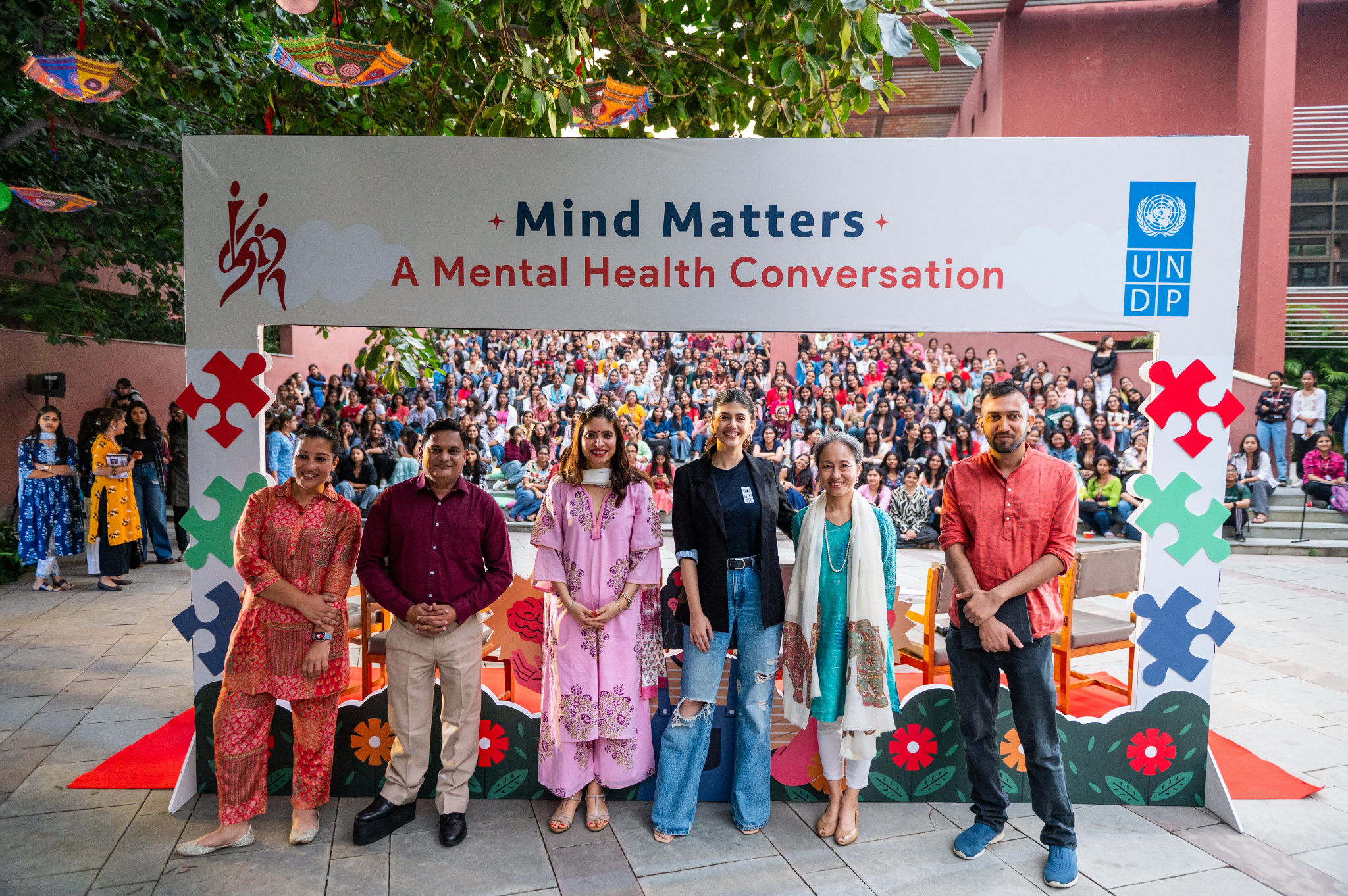
Why Early Support Matters
Don’t wait for the fire, repair the smoke alarm first.
Early intervention turns individuals reaching out for mental health assistance in crisis mode only. If people are given useful resources in the initial stages of anxiety, stress, or depression, they will likely ride it out.
Acting early before the burden on the emotions is too much is what prevents more serious mental conditions from arising.
Wysa and others provide :
- organized therapy
- evidence-based therapy
- small, useful adjustments
Early help isn’t a sticking plaster, it creates long-term emotional resilience.
If you could halt a storm with an umbrella, would you actually wait for a flood?
What If Getting Help Was Just a Click Away?
Plot twist : It already is.
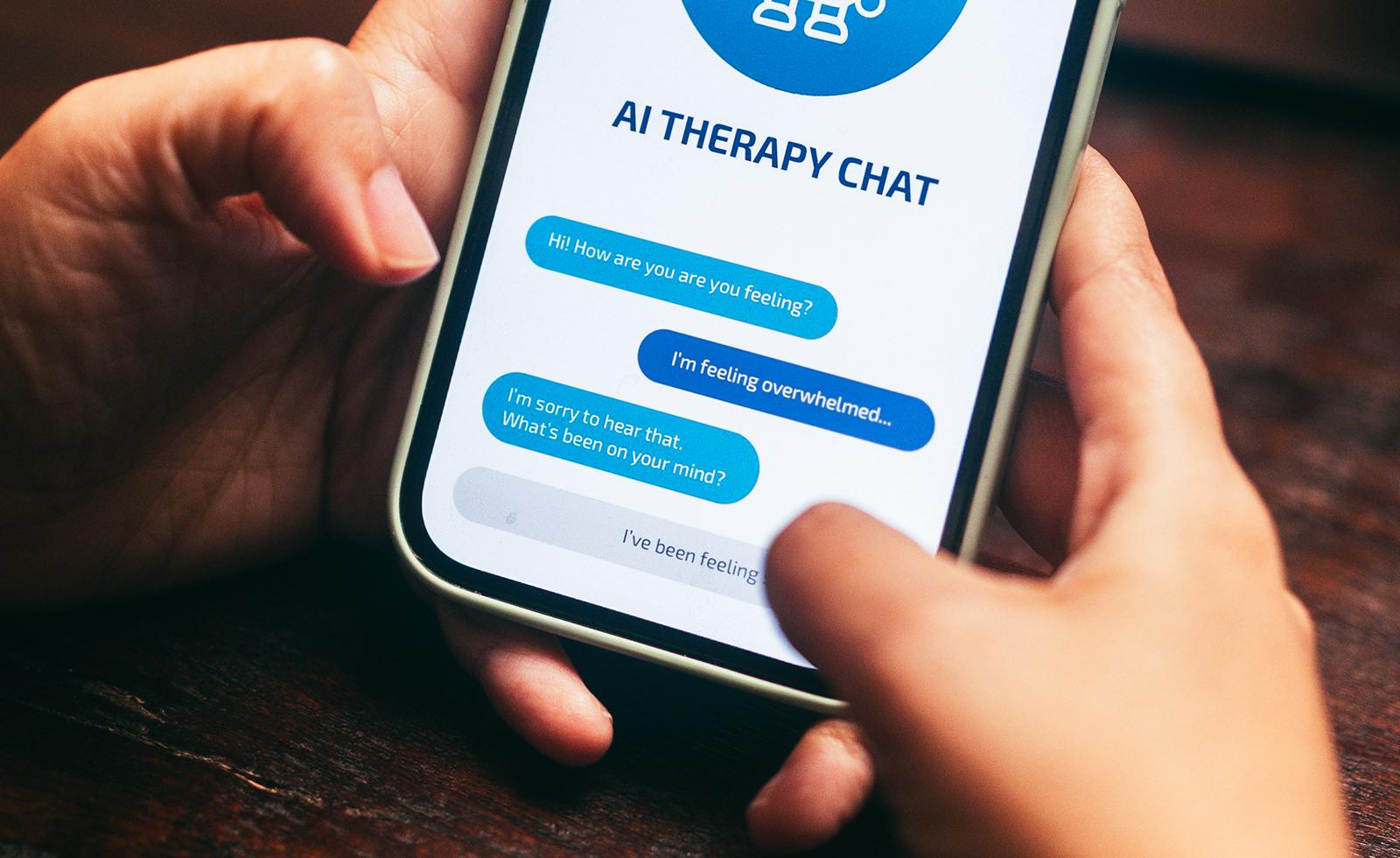
Mental illness exists. It is not a fad. But thanks to Innerhour and Wysa, there is no longer any need for therapy to be pricey, intimidating, or something you put off until you reach rock bottom.
Imagine if keeping your mind healthy were as simple as swiping on Instagram, would you swipe more?
So the next time your brain enters browser mode with 100 tabs open, recall. There is likely an app (and an individual) out there who’d be happy to assist you in closing them down individually.
Your health is important.
Your record is important. And yes, you’re important.
If your brain did come with a “close all tabs” button, would you hit it today?
How might mental health startups balance technology-driven solutions with the human empathy that mental well-being requires?
Let us know your thoughts in the comments below!