FS-Investing-1024x576

Fast Fashion Industry

How Tata Dresses a Billion Dreams: Inside India’s Fashion Empire

“Quick fashion isn’t just about speed. It’s about keeping up with the times.”
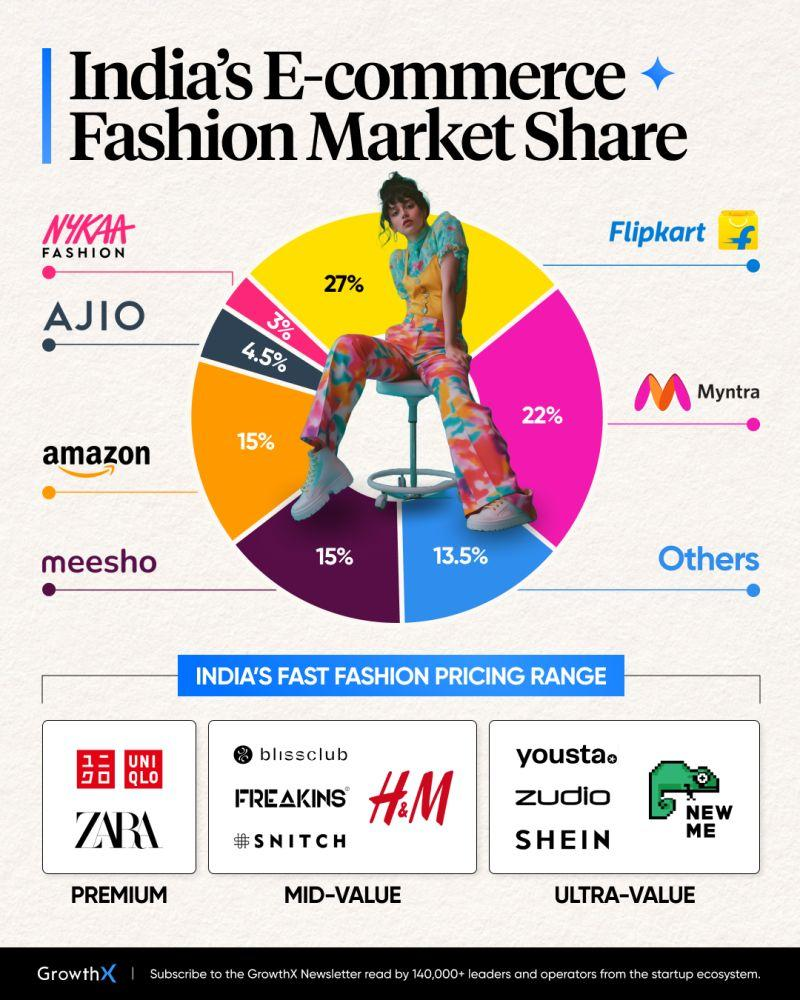
And if there is one company that is quietly changing what India wears without needing viral videos or fashion week highlights, it is the Tata Group.

Are you surprised? Don’t be.

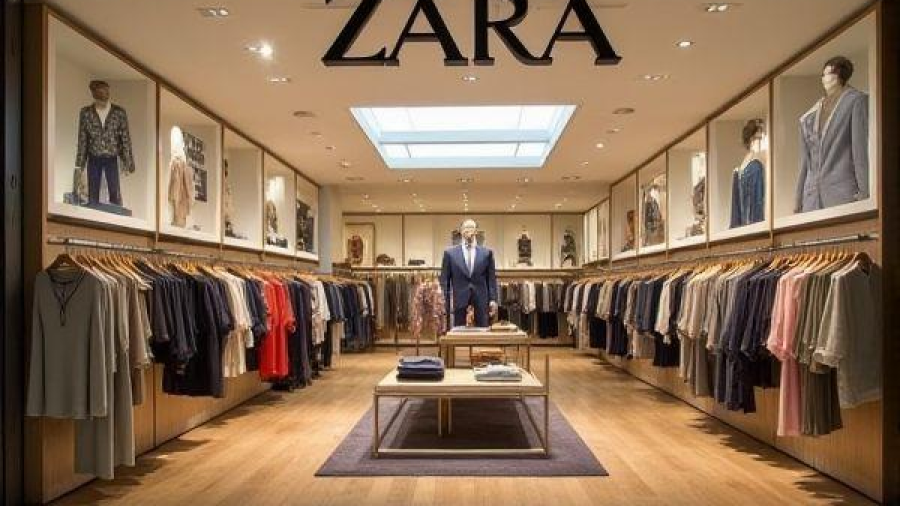
Zudio, Zara (India), and Westside are three very diverse fashion brands, but they all have the same powerful name behind them.

Yes, the same Tata that makes trucks, gives you breakfast tea, and books your flights.

But the real puzzle is how one company can run three fashion brands, each with its own price point, attitude, and customer base, without tripping over itself.

And perhaps more importantly, why would they do it?

Let’s go into this beautifully organised closet and look at some of the tactics that TATA is using!

The Big Change: Fashion Isn’t About Wanting to Be Like Others Anymore. It’s Right Away

People used to wait for Diwali or payday to get the newest outfits. Now they don’t wait for anything at all. Not even the times of delivery.

Indian fashion culture is going crazy. Thanks to:

  1. A growing number of young people
  2. Instagram trends
  3. The idea that “photo or it didn’t happen”

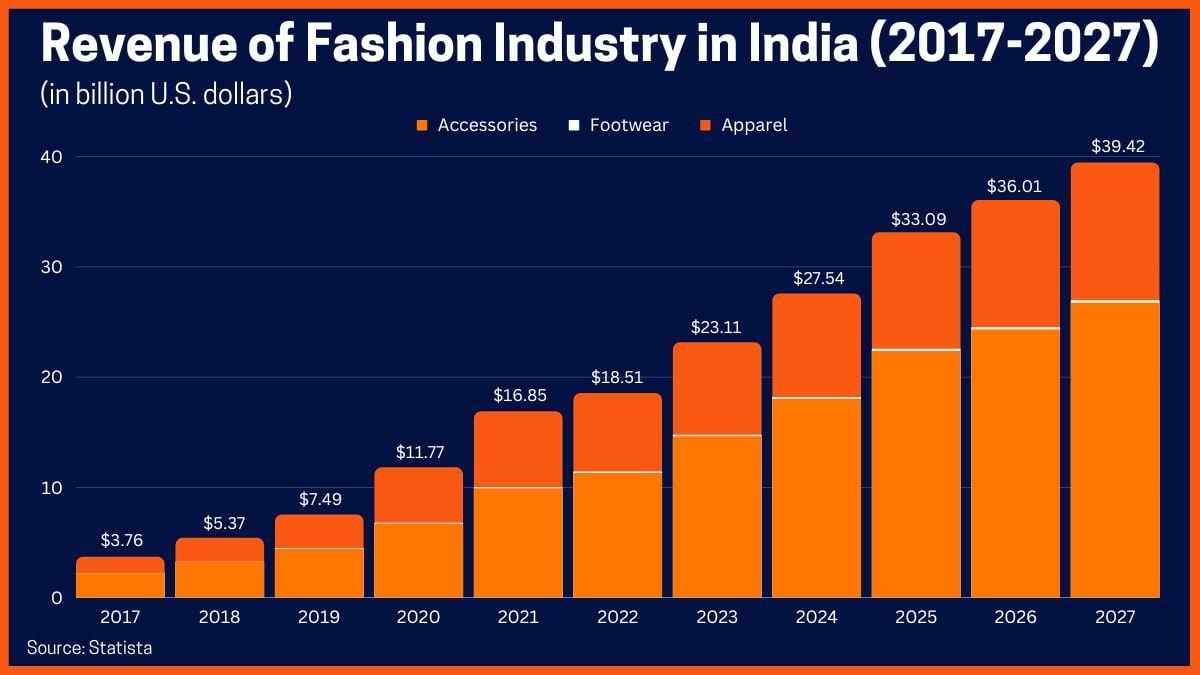
The clothing market is anticipated to reach $146.4 billion by 2032.

The trend of fast fashion is over. It’s a revolution.

International brands like H&M and Zara earned a name for themselves in big cities, but they missed out on a big part of India’s pulse: the dreamers in the suburbs and small towns.

Tata’s Fashion Trinity: Zudio, Westside, and Zara India

A family. Three labels that are very different from each other. Let’s test them out, one at a time.

Zudio: The Fashion Disruptor That Made It Accessible to Everyone

Zudio is not just a brand. It’s a revolution in itself.

It changed the game by offering tops, kids’ clothes, and necessities at costs that made people gasp. And here’s the best part:
It doesn’t feel cheap. It feels smart.

How is this possible?
  1. Production scale that the factory manager approves
  2. Zudio doesn’t spend money on ads; word of mouth and walk-ins do the talking.
  3. Tata’s strong backend and distribution power.
  4. A concentration on tier 2 and tier 3 cities, where demand was hard to find before.

Zudio didn’t go after luxury. It wanted to include everyone. And it worked.

Zudio has developed quickly by selling fashionable, inexpensive clothes to middle-class and small-town people in India.
As people’s disposable incomes rise and fashion awareness spreads on social media, Zudio is reaching a new group of customers who care about both affordability and style.

Zudio’s edge:

  1. Focus on middle-class shoppers and small towns
  2. Fashion designs that don’t cost too much
  3. Supported by Tata’s well-known brand name
  4. Quickly selling out of stock to get repeat customers
  5. Starts fresh boom in Indian retail

Why do so many young people wear Zudio on a whim these days?
Is it just the price? Or pride, being seen, styled, and smart on a tight budget? Fashion statement?
What if a girl from a tiny town, who never thought she’d be in fashion magazines, finds a store that gets her?

Zudio is not answering a need. It’s making a dream come true.

Zara India: The Style Icon for the First Generation to Swipe
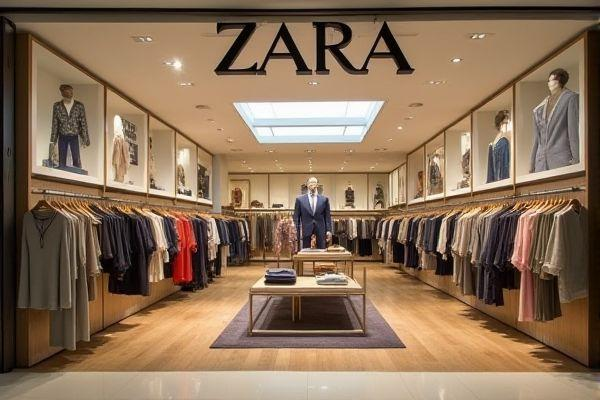
Zara doesn’t follow trends. It puts them up.
It’s like the release of an iPhone in the fashion world. Stylish, seasonal, and hard to find. And sure, a little bit too much.

Prices for dresses start at ₹ 2,000-₹ 2,500 and increase from there.
But Zara isn’t here to fight over pricing. It fights on cool.

What makes Zara so appealing?
  1. Micro-collections that get new items every two to three weeks
  2. Global design, picked out for India’s city dwellers
  3. Limited stock that makes people talk and want it
  4. There aren’t many discounts, because “sold out” is better than “50% off”

The price doesn’t matter. It’s a matter of desire.

Why do people choose one Zara top over five mid-range tops?
Is it the way it fits? What is the brand? The way of life it shows?
How does Zara stay fast and high-end without losing either quality?

Zara India knows its clients well:
  1. Urban professionals
  2. College students who set fashion trends
  3. Digital natives who shop with a purpose and gut feeling

Westside: The Indian Wardrobe Guru
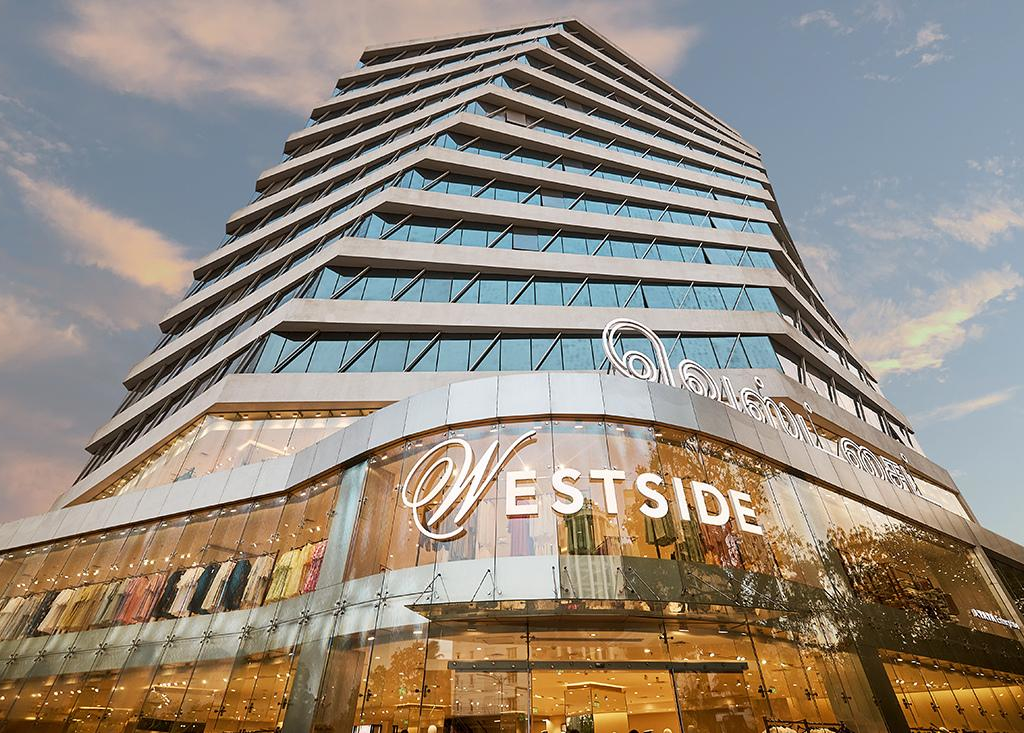
Westside never goes along with the crowd. It changes.
The older brother is cool, calm, and collected. He knows what’s good and plays with it with style.

Westside is the best place in India to find a balance between Zudio’s price-intellectuals and Zara’s high-end savvy.

Westside’s offerings:
  1. Kurtas, skirts, and casual clothes that cost between ₹699 and ₹2,999.
  2. The majority of the merchandise, 97%, are in-house brands.
  3. Regularly, the Fast N Fab collection drops new styles (Ref4)
  4. Psychological pricing that works: ₹999 sounds better than ₹1,000.

Westside isn’t loud, but it stays around.

It’s the most popular choice for:
  1. Working people
  2. Family shopping
  3. People who want to look good every day and get good deals

Is Westside India’s greatest overlooked fashion success story?
How many brands can combine the attitudes of tier 1 cities with the sensibility of tier 3 cities and yet make money?
Why does a customer trust Westside for both wedding kurtas and work clothes?

Westside may not get a lot of press, but it does get a lot of loyalty.

Linking Strategy Across a Nation

Take a second to look at the stitching here.
Tata hasn’t made three brands that compete with each other.
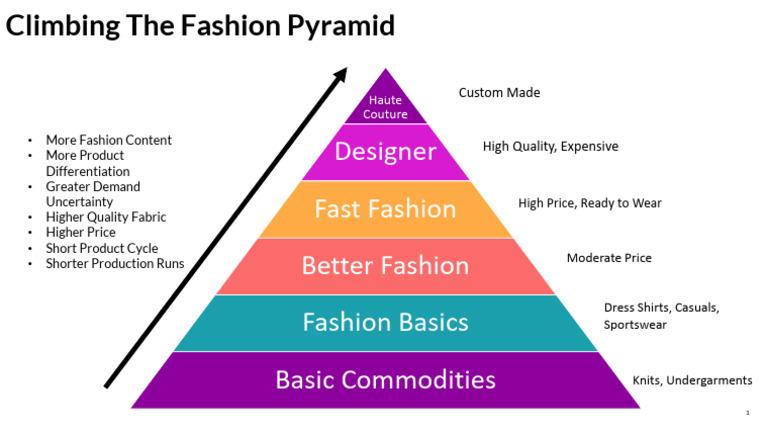
It has constructed a fashion pyramid, with each level made for a distinct group of people.

  1. Zudio is for young people on a budget who live in towns and developing cities.
  2. Zara is supposed to appeal to the wealthy urban elite with its trend radar and checkbook power.
  3. Westside is for the reliable mid-market explorer who wants everyday style.

This isn’t eating up other things. It’s planned design.
Every company understands exactly who they’re outfitting, what they want, and how much they’ll pay.
That’s segmentation with heart.

What the Numbers Look Like

Let’s talk about results, not fashion shows.

  1. In three years, Zudio’s sales went up by 3.5 times. By 2026, it will bring in 66% of Trent’s money.
  2. In FY23, Zara India made 77% more money with only 20 stores.
  3. In 2024, Westside made ₹40 crore in sales online.
What makes a fashion brand grow like a tech startup without utilizing influencers or billboards?
Are we seeing the rise of India’s first fashion industry that started in India?

Kavya Iyer, a fashion expert, says it best:
Tata didn’t make brands to dress India.
They made them to show off one part of India, one style at a time.

The Tata Way: Smart Fashion, Quiet Revolution

Tata doesn’t want to be famous on the internet.
There won’t be any fashion Twitter trends or runway shows where it shows off.

The plan is simple:
  1. Stay focused on the data
  2. Stay demand-driven
  3. Design with thought, not impulse
  4. Let actions speak louder than campaigns

While others march, Tata ships. Trustworthy.

More Stores, More Segments, and More Styles Are Coming Up
  1. By 2026, Zudio will have more than 1,000 locations and is getting ready for a big bang deployment.
  2. Zara India is focused on being environmentally friendly and growing slowly.
  3. Westside is growing its lifestyle verticals, which include e-commerce and home decor.

Tata isn’t simply in the apparel business.
It is making the board.

Final Stitch: So, Who Are You Getting Dressed For?

Fashion is never just fabric in a country this complicated.
It’s who you are. It’s want. It’s about access. It belongs.
Tata didn’t strive to put India in one uniform.
It made clothes that show India’s layers, lives, and places.

How do you think Tata’s strategy of having many brands has changed the way Indians buy clothes today?

So the next time you wear a Zudio shirt, a Zara coat, or a Westside kurta, think about this:
What problems can Tata run into as it tries to keep Zudio, Westside, and Zara India independent while also growing?

Please let us know in the comments below!

FS-Investing-1024x576

AI in Healthcare

From Algorithms to Appointments: How AI is Revolutionizing India’s Healthcare Landscape

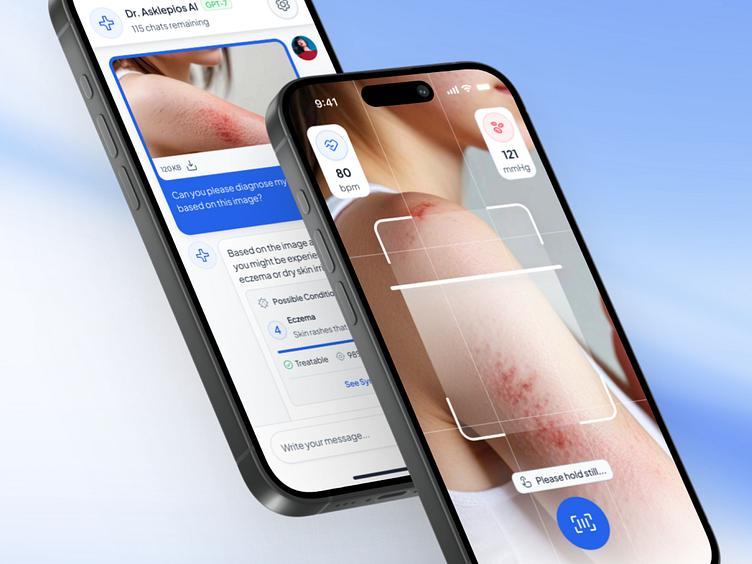
India’s healthcare system is changing due to artificial intelligence, moving from appointments to algorithms.

AI is revolutionising healthcare by using useful business principles like early disease detection and 24/7 virtual consultations. 

Think of it as your doctor moving into your phone, minus the rent.

What This Blog Will Teach You:

  1. The human and emotional dimensions of AI demonstrate that technology can do more than just boost output; it can also tailor experiences and promote trust and empathy.
  2. Numerous Indian health-tech businesses, including mfine, Qure.ai, and Niramai, show how AI is already saving lives in underdeveloped neighbourhoods, cities, and towns.
  3. Why AI in medicine is important to you as a patient, carer, or just someone who wishes to live in a more complex world.
  4. What the future holds for human-centred AI in medicine, and how new companies are using code to make healthcare more compassionate and accessible.

If you had a 24/7 AI doctor in your pocket, would you call it for a health check or just for dating advice?

Before seeing a doctor, is it possible to obtain help from a chatbot?

You don’t feel good. The waiting room is packed with people. The doctor is absent for a few hours. You start to feel a sense of dread. How long are you going to wait? When you need medical attention, will you get it?

Now, picture yourself opening an app in its place. It asks you some basic questions. It takes minutes rather than hours to evaluate your symptoms, spot possible problems, and suggest the best course of action.

Basically, WebMD… but without convincing you that your headache means you have six rare diseases.

This is not the future. Pioneers in India are already using AI to quietly redefine healthcare standards.

Would you trust a chatbot to diagnose you, or would you still text your mom first?

AI has improved access to healthcare.

Let’s look into how.

Which Facets of Healthcare in India are Changing?

India’s healthcare system is among the most overworked in the world. Hospitals are congested, doctors are too busy, and there is too much red tape. But something new is happening silently and online.

Artificial intelligence (AI) technologies that analyse symptoms and deliver test results in a few seconds help spot problems early. 

Imagine blood test results coming faster than your pizza delivery.

It makes it easier for residents of isolated places to get expert counsel.
It made diagnostic and treatment suggestions based on each patient’s particular medical history and risk factors.

AI is being used by businesses to cover the holes left by antiquated systems. Communities far from cities are receiving city-level treatment, wait times are being shortened, and diseases are being remotely diagnosed before symptoms manifest.

Which would surprise you more, AI finding your illness early or your doctor replying to your WhatsApp in under 5 minutes?

Could AI be Able to Identify Illness Before You Do?

Actually, AI is evaluating your data to find hidden risks like diabetes, cancer, or heart disease before they become apparent. More lives are saved sooner as a result.

Think of it as a health spoiler alert, minus the drama.

 AI is reducing the cost of therapy for millions of individuals, especially those without insurance, by eliminating the need for expensive lab tests and pointless doctor visits.

Would you feel safer knowing AI can spot a disease before you sneeze, or would that creep you out?

Compassion and AI

Think about this:

Technology seems robotic or icy. What if it’s a human, though?

 Or at least a robot with good bedside manners.


Let’s look at three real Indian businesses that offer individualised medical care:

  1. The Niramai
    This technology provides painless breast cancer detection utilising AI and thermal imaging for people who live far away who might be afraid or culturally unwilling to get checked.
  2. Qure.ai
    It can read X-rays and scans in a few seconds, saving time in an emergency. It is already being used in rural health clinics and ambulances to detect brain haemorrhages and lung infections when radiologists are not available.
  3. mfine
    With the help of this portable hospital, you can go anyplace. It gives you instant control over your treatment with AI-powered triage, vital sign monitoring, and prompt physician consultations.

It’s not science fiction.

These are real treatments that are saving lives right now and were created in India.
These up-and-coming businesses are not only great, but they also understand our actual needs.

If AI could also give you a warm cup of tea with your diagnosis, would you call it your best friend?

Does such excellent healthcare exist in every Indian community?

The Advantages of AI in Rural Areas

A new kind of doctor, one who is a technical advancement rather than a human, emerges in Kerala’s remote regions. In February 2025, the state government installed fundus cameras with AI capabilities from Remidio at community health centres in remote areas.

These devices are small and easy to use. They currently work in clinics that did not have even the most basic diagnostic equipment in the past. By examining the back of a patient’s eye, they can spot the early signs of eye disease. 

Basically, they’re giving eyesight a head start.

It could be the difference between life and death for Sushila, a sixty-two-year-old Palakkad farmer with diabetes. A doctor used the AI camera on her while doing a standard examination. It identified symptoms of diabetic retinopathy, which she was not aware of, in a matter of minutes.


Instead of having to wait weeks to see an expert or visit a huge hospital, she was rushed straight to therapy, saving her vision.


Rural clinics can now detect eye diseases early and avert blindness right away thanks to AI.
Here, establishing trust and saving time are the objectives.

 When doctors aren’t there, Remidio’s cameras and other technology can be helpful.
AI can identify eye diseases like diabetic retinopathy before symptoms show up, allowing doctors to treat them right away.

Even the simplest AI systems can avoid irreversible blindness in rural clinics.
Getting top-notch care near home can save patients time, money, and health.

Would you be more impressed by AI saving your eyesight or by it remembering your chai order?

Why Should Medical Professionals Worry About Their Feelings?

The majority of people don’t think about how AI might enhance our emotions in addition to our health.

It seems to already do so.

AI-powered businesses are addressing both technical and emotional problems. In addition to helping a tired father, they are also helping a cancer patient obtain a second opinion and giving a rural woman a means of secretly keeping an eye on her health.

Because getting healthy is only as crucial to health care as trust.

Which Emotional Problems Can be Solved by AI?
  1. Medical Terminologies: AI eases patients’ worry and helps them understand their diagnoses. 

Finally, a translator for “medical-ese.”

  1. Mental Health: The Woebot and Wysa mental health apps on your phone offer private, nonjudgmental assistance.
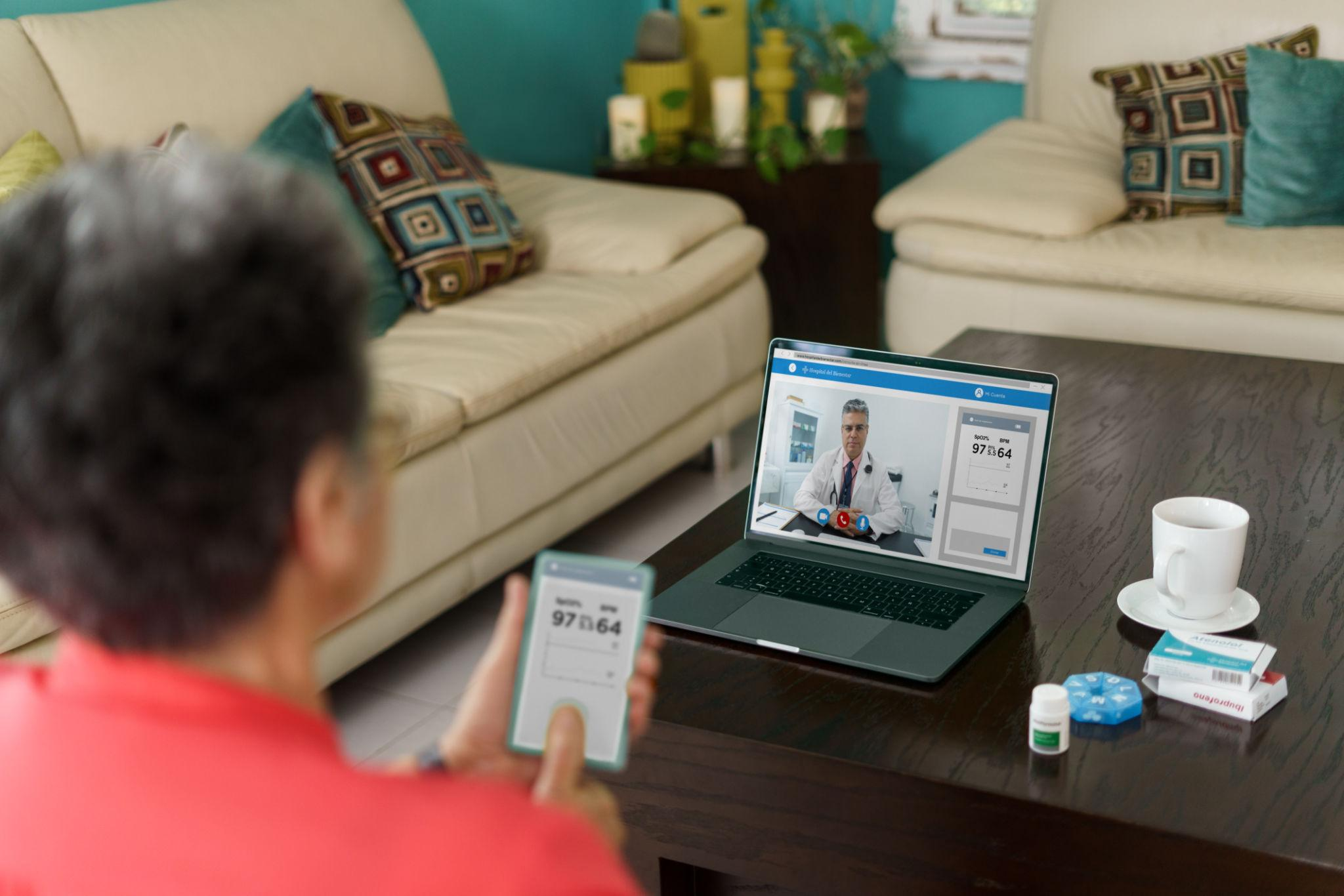
  2. Elderly Parent: You may now take care of your elderly parents from a distance thanks to AI assistants, which can keep an eye on their vital signs, remind them to take their meds, and even call for assistance in an emergency.

Would conversing with a computer be more pleasant for you if it didn’t interrupt or criticise you?

Learn About the Players: Using Code to Change Things
  1. Detection at Early Stage
    Companies like Niramai are using AI to detect cancer at an early stage which enables recovery before it’s too late. 

Like catching a bad movie plot twist before the halfway mark.

  1. Your Primary Line of Care Is Now a Click Away
    From mfine’s physical health triage to Wysa’s mental health therapy, AI-powered assistants are emerging as the first point of contact by offering 24/7 advice, reassurance, and empathy.
  2. Real-Time Diagnosis Driven by AI
    In developing nations, Qure.ai’s technology is transforming emergency care, trauma response, and diagnostics by reading CT, MRI, and X-ray scans in a matter of seconds.
  3. Easy Access to Dietary Instruction
    Websites like Healthify Me track how much food you eat and provide you dietary guidance and new recipes.

If AI could track your food intake, would you be honest about that extra samosa?

From Your Phone to the Doctor’s Office

Healthtech listens, comprehends, and helps.

Your phone just went from gossip buddy to health coach.

Beyond simply being smart, your phone is becoming your first health responder.
It’s not only about new businesses or data. It discusses people, their issues, and potential solutions.

If you have ever had a lengthy wait for a diagnosis.
It is simpler to obtain care if a family member in a small town needs it.
Have you ever felt overwhelmed by the volume of patients in a busy clinic?


Thus, this is also your story.
By tracking your medicine, helping doctors make decisions, and even predicting when you’ll get a fever, often with only your phone, AI is already revolutionising the way you receive medical care.

Would you trust your phone more if it predicted your fever or your crush texting you back?

Will Medicine be Portable, Precise, and Personalised in the Future?

What comes next? Can compassion be fostered through code?


We ask again: Will machines ever be able to love as much as people?

Maybe not in the same way. They can, however, enhance our capacity for empathy, healing, and caring for others.

When AI takes care of the repetitive activities, doctors might have more time to spend with patients.

Chatbots provide patients a sense of control, which improves their mood.
Families feel less alone when health applications deliver care to far-flung places.

The next time you click on a health app or read about a new medical technology company in the news, keep in mind that this is not correct information.
It is related to trust.
It’s a mark of respect.

Your tale, bolstered by stealthy, vigilant technology.

Which facets of the healthcare industry do you think AI will improve?

Are individuals in remote places reachable? Are you worried about your mental health? Cutting costs? Additional time for the patient and doctor to consult?
Is artificial intelligence the only practical answer for India’s healthcare system as demand rises and resources fall?

Stay active, take care of your health, and continue to ask the most crucial questions until the next time.

image

Trendy Products

India’s Viral Obsession : How Labubu, Stanley Cups and Matcha Are Redefining What We Buy

From products to personalities : Why India’s new consumer economy is driven by identity, aesthetics, and algorithms

Introduction 

India’s trendometer is always full of unexpected surprises, such creepy-looking trinkets, huge mugs, and health injections in a pretty shade of green.
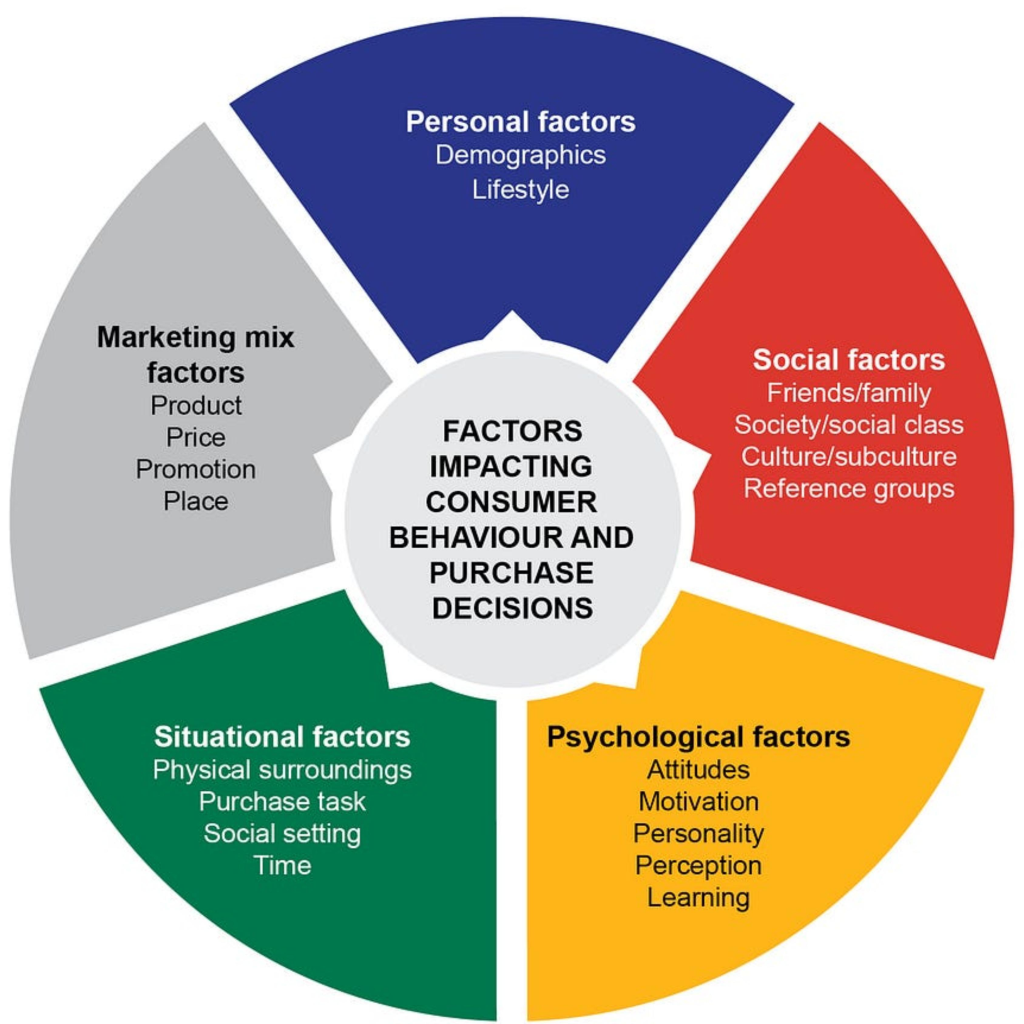
But the question is, what really makes people buy goods differently?

What You’ll Learn From This Blog

  1. Why India’s biggest trends today are toys, cups, and green lattes
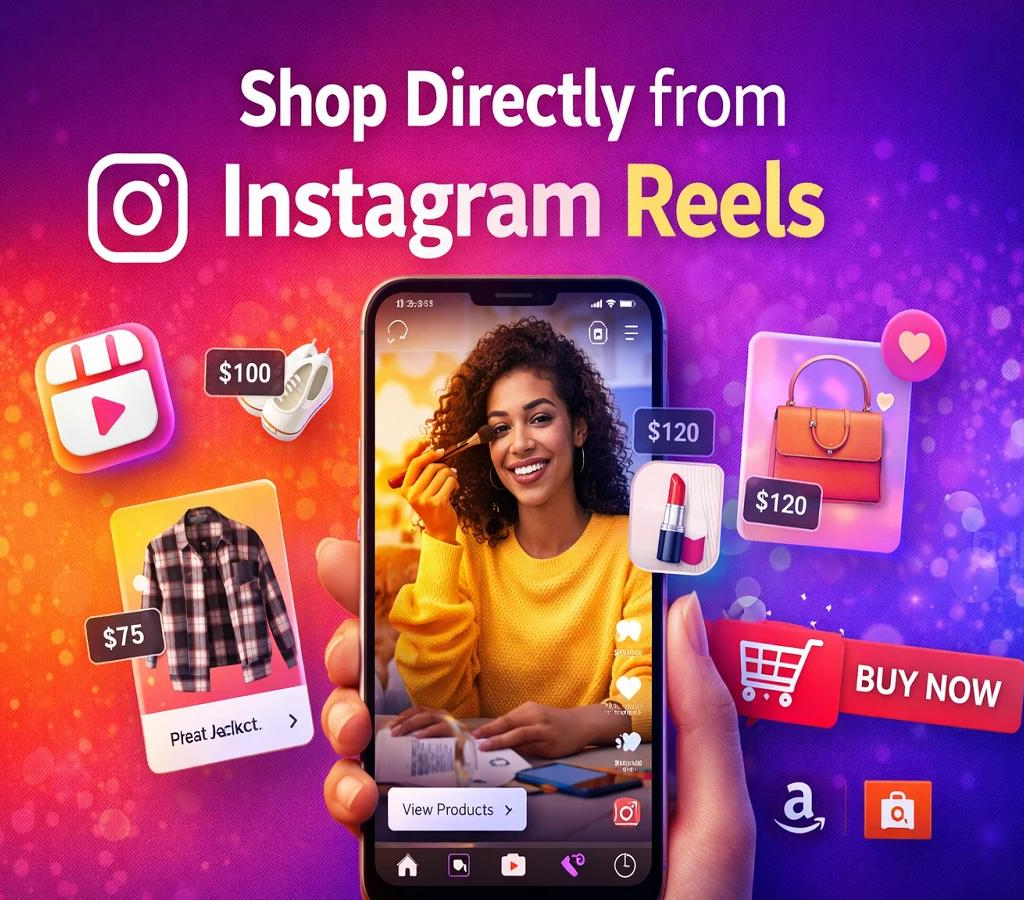
  2. How Instagram Reels are turning into the new supply chain
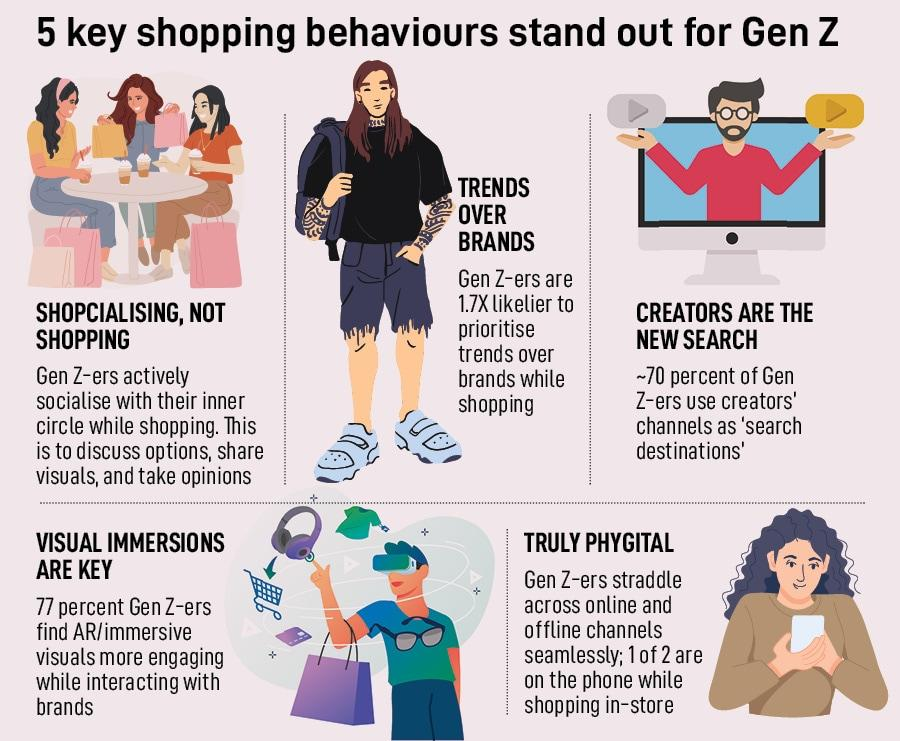
  3. Why Gen Z & millennials are buying identities, not just products
  4. The rise of micro-luxuries, when mugs, plushies, and matcha become status symbols
  5. How brands can ride virality with collectibility, aesthetics, and smart pricing
  6. The deeper shift: from consumption to curating vibes and self-expression
The New Rules for Becoming Popular in India

Did it even happen if it didn’t go viral on Instagram?

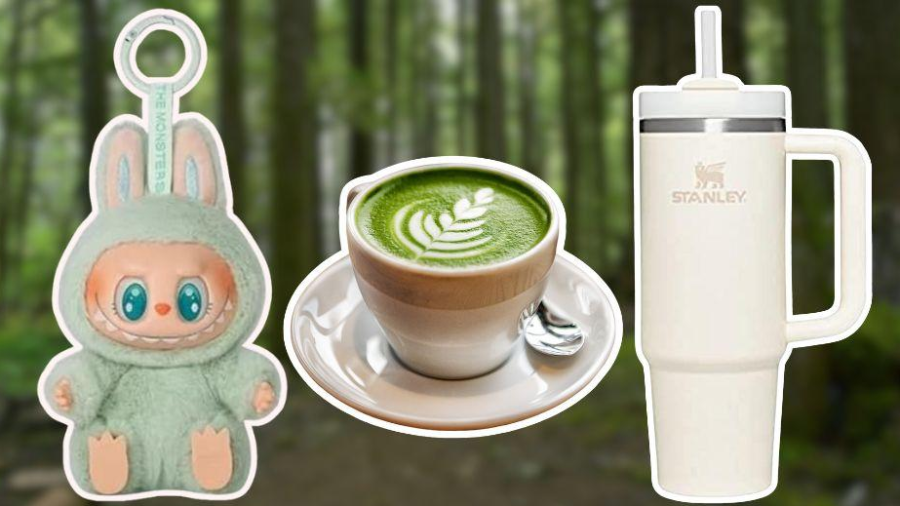
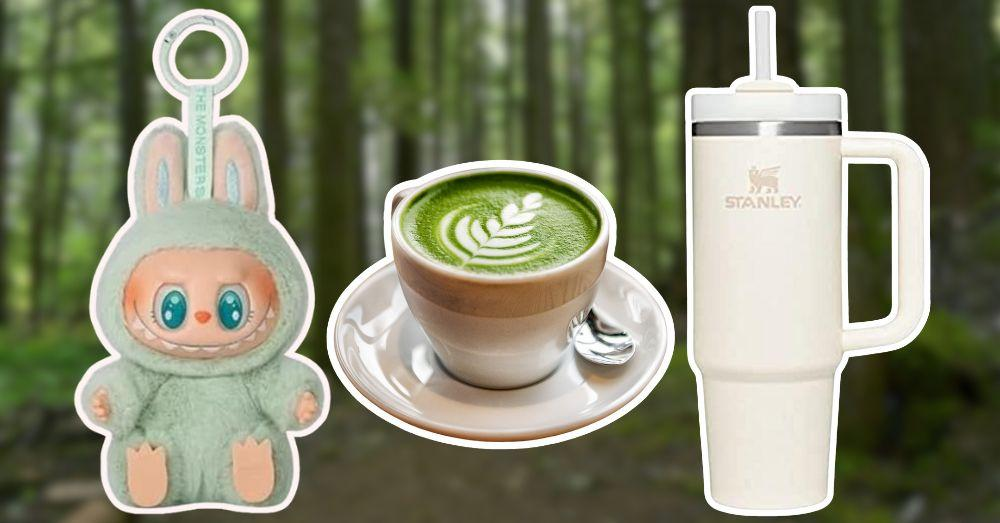
If you look at Instagram or Threads for a second, you’ll find that India is not just catching up with trends throughout the world, but also changing how they get there. In 2025, “going viral” will signify something different in India because of three things that used to be strange, expensive, or foreign :

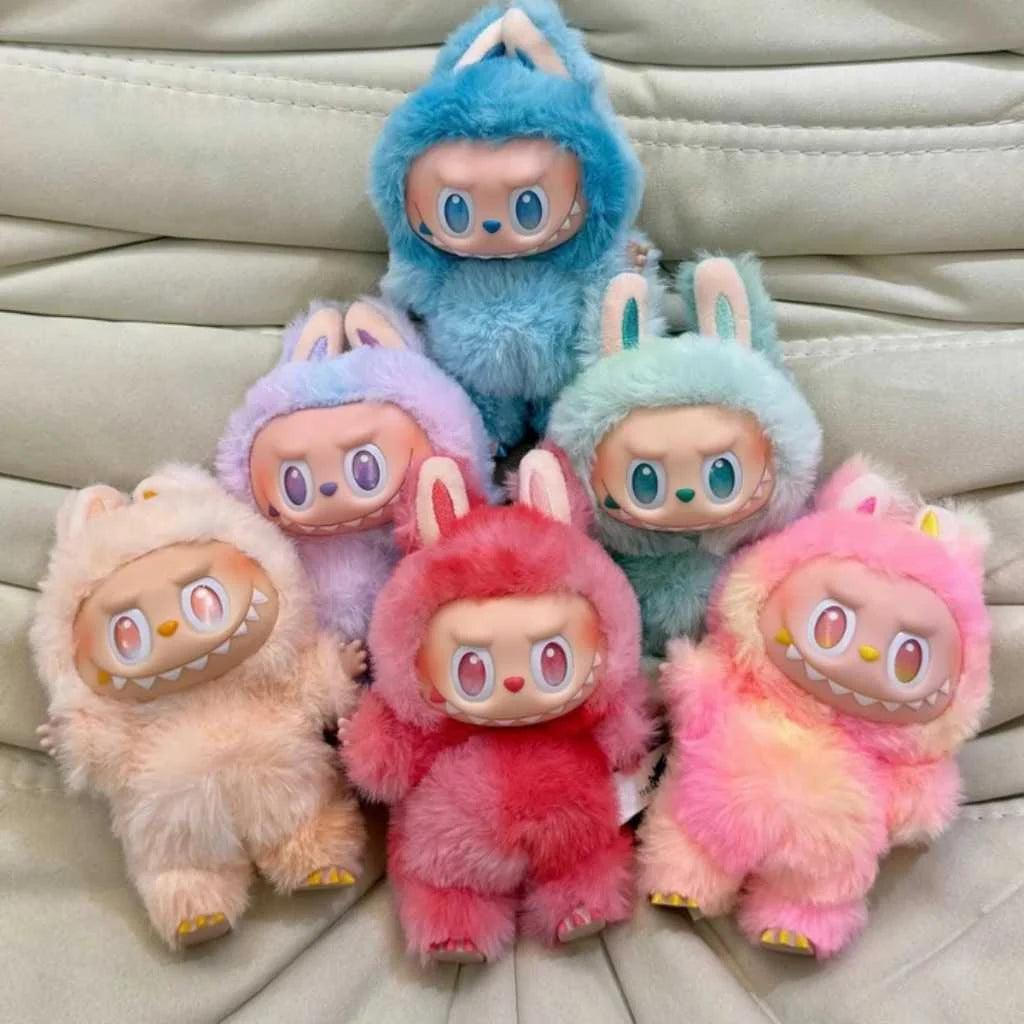
  1. The Labubu toy that looks “ugly-cute”
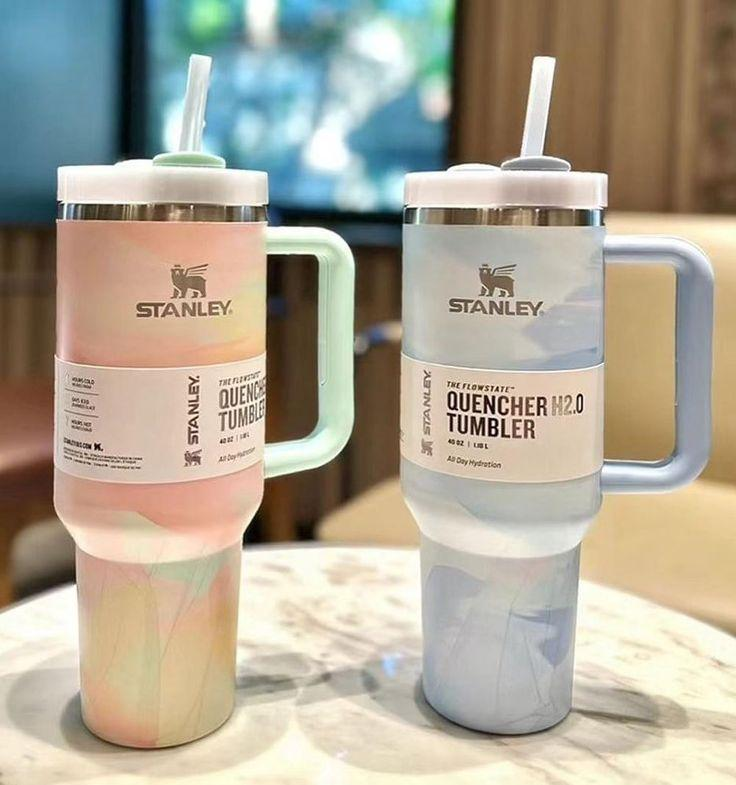
  2. The Stanley Cup for hydration
  3. The hero of green energy Matcha

Putting them all together shows us something deep: India’s young consumers care about more than simply price; they also care about stories, social issues, and brands.

If the price tag is becoming a story, are we really buying the object or the identity it provides us?

From Reels to Cash

Instagram isn’t just for scrolling anymore; it’s a way to shop without anyone knowing.

Instagram isn’t just an app in India these days; it’s also a place to shop and meet new people. The biggest trends don’t just spread through posts and articles; they originate there too, like green lattes and stuffed animals.

Trend Maker

People will want to buy a tote bag with a Labubu reel on it or a Matcha latte in a cup that matches the color of the bag. The platform gives awards to posts that have the proper blend of appearance, newness, and passion.

Is Instagram the next place to buy and sell trends? A 15-second Reel can establish a million-dollar business.

Labubu : Scary or Expandable?

Adorable? Creepy? Who cares? It’s a collectible!

It’s not a toy; it’s a person in your pocket.

Labubu is the name of a cheeky plush figure with a toothy smile that hangs over the handle of a bag in your town. Kasing Lung, an artist from Hong Kong, came up with the idea for Labubu, but Pop Mart’s blind box sets made it a smash almost away.

Today? It’s all throughout India.

The Data doesn’t change :
  1. Pop Mart sold 100 million + Labubu units globally in 2025.
  2. The “Monsters” series generated ~$670 million revenue in early 2025 alone.
  3. Rare collectibles can reach Rs. 20,000 + in resale markets.

What’s all the buzz about?
Celebrities wear their Labubus like they wear expensive bags. The ones that are very, extremely hard to get? As a collector’s item, it might be worth more than ₹20,000, however it was sold in weird boxes for ₹3,500.

What if plushies became India’s next great thing? Would they be a sign of wealth?

Stanley Cups : How Drinking Enough Water Became a Habit

It’s not just water; it’s a part of you.

Do you think water bottles won’t ever be a thing? Think about it again.

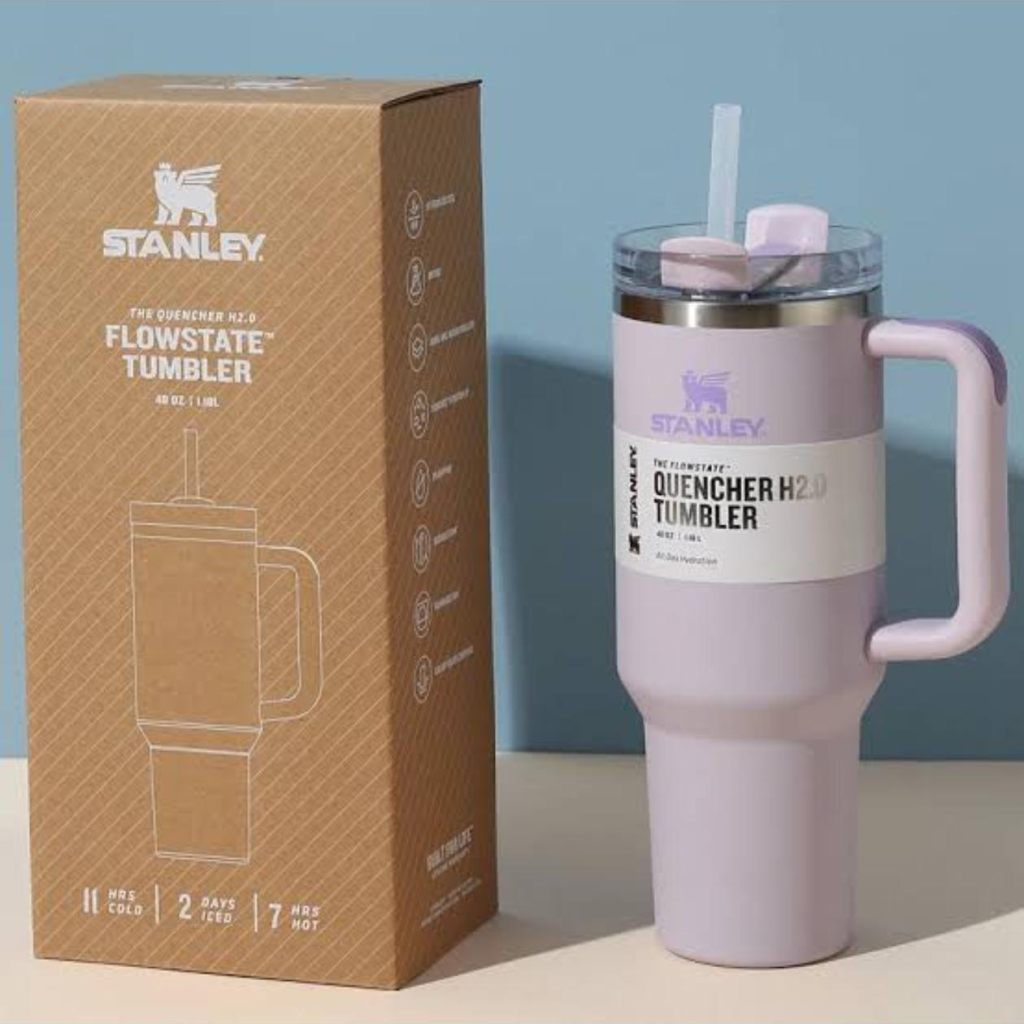
The Stanley Cup is a 40-ounce insulated cup that costs $45 (approximately ₹3,700). It’s the newest drink fad in India.

It became highly popular after going viral on TikTok, where the flaming automobile didn’t hurt the cup at all. This trend spread across the whole country.

This is what is happening :
  1. The Stanley Quencher went viral through influencer marketing and TikTok, highly transforming its status as a lifestyle product.
  2. The sales increased rapidly, with the brand’s annual revenue jumping from $70 million in 2019 to $750 million by 2023.
  3. From 2020, the Quencher has been Stanley’s bestselling item, which shows that one viral product can effectively change a business’s overall operations.

And it won’t stop there. College students are wearing dupes, and even stores like Good Earth and The Wishing Chair are getting more customers who desire similar fashions.

Are we really thirsty? Or just trying to be noticed?

Matcha Vibes That Go Together

Who would have thought that something bitter could look so sweet on Instagram?

Green isn’t terrifying anymore. It’s fashionable.

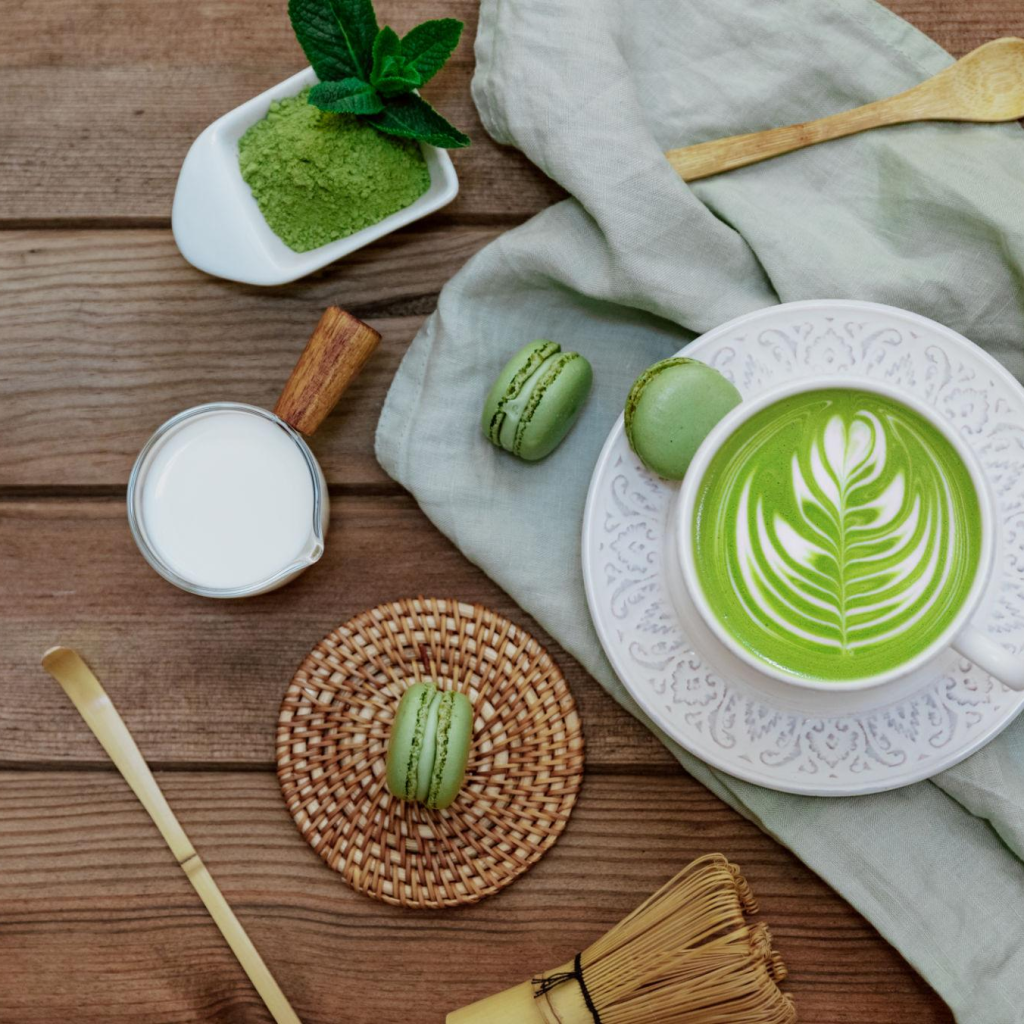
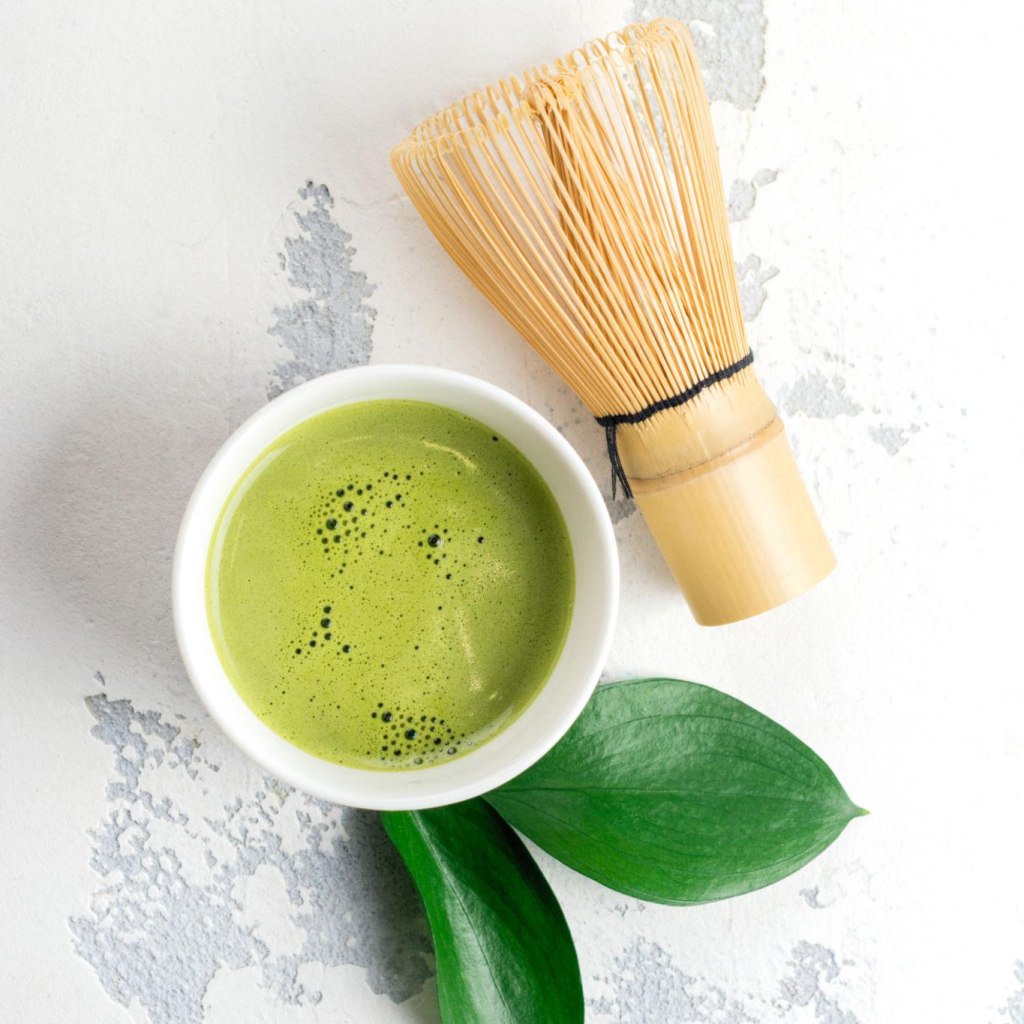
Let’s talk about Matcha, the drink that used to be popular with health freaks but is now everywhere, from cafes to yoga studios to Reels.

The Japanese green tea powder used to be renowned for being bitter and weird, but it has evolved totally and is now a sign of a healthy lifestyle for young people in India.

The Quick Growth of Matcha :
  1. India’ matcha market was valued at approximately $41.9 million in 2024, and is projected to reach $96.4 million by 2033, growing nearly at a CAGR of 9.8%.
  2. Globally, matcha is already a multi-billion-dollar category, projected to grow from $4.28 billion in 2024 to $7.59 billion by 2030.
  3. Consumer interest in matcha has grown dramatically, with a 200% increase in worldwide searches for matcha-related drinks.

Busy coffee shops are selling a lot of lavender lattes and matcha-coconut floats. Nasi and Mee play with panna cottas and French toast.

What’s next if green tea beats coffee at its own game? A coup by turmeric lattes?

Viral vs. Vanity : Are These Better Than Beauty and Makeup?

Why buy lipstick when you can flex a latte?

Beauty and cosmetics have been a big part of who we are and what we seek for a long time. But now, things like mugs, souvenirs, and drinks that go viral are starting to fill the same cultural niche.

Instagram is the new place to buy cosmetic products. People are sharing photographs of mugs, lattes, and toys to cuddle with instead of lipsticks on their profiles.

  1. Makeup isn’t the only thing that makes someone beautiful anymore.
  2. Lifestyle products are the new status symbols.
  3. Viral looks are equally as popular as makeup companies that cost a lot of money.

Could cups, toys, and green lattes be the next big thing in beauty in India?

What do these developments have in common?

Different things, same addiction: getting likes on Instagram.

These three patterns show a big and very important change in how people in India acquire products, even though they are being used in quite different ways.

The Strings That Tie Together :
  1. Emotional Utility is more significant than Functional Utility.
  2. Social virality is what makes people use it.
  3. Pretty package = instant happiness
  4. “Little luxuries” are becoming more common in everyday life.

Is this the time of micro-luxuries, when a cup is worth more than a car?

How a Post Turns into a Trend

From one post to one crore sales, welcome to the new supply chain.

  1. It starts with a scroll : For fun, someone presents you a lovely mug, a green drink, or a weird plush animal.
  2. Hearts, Shares, and Hype : Friends double-tap, followers share, and comments come in asking, “Where did you get this?”
  3. Shops Get It: Brands and online stores go berserk. Restocks, dupes, and clones show up soon after.
  4. FOMO Begins : Everyone has to get in. Are you trending if you can’t see it on your feed or in your pocket?
  5. Boom. It’s going around : A simple post has become very popular. From coffee shops to college campuses, everywhere.

Are algorithms the new trendsetters, and are brands merely trying to catch up?

So, what does this mean for Indian brands?

A viral Reel is the best ad; don’t worry about billboards.

Listen up if you own a D2C business, work in marketing, or just like to keep up with trends :

  1. Design for Collectibility : like with Labubu, a mystery, a lack of something, and an emotion might make someone want to collect it.
  2. Position Utility as Aesthetic : Stanley shows that even a bottle can be a fashion statement.
  3. Ride the line between health and beauty : Matcha is a great example of both in real life and in movies.
  4. Price Smartly : Customers want high-end experiences but low-cost means to achieve them, just like the previous three trends.

Is the marketer really the new influencer if content is what drives consumerism?

What Are We Really Buying?

It’s not toys, cups, or tea. It’s all about the vibes.

We are buying parts of ourselves, including feelings and attitudes.

  1. People who buy Labubu don’t just acquire a toy.
  2. The individual drinking from the Stanley Cup isn’t just drinking water.
  3. The Matcha drinker isn’t only getting antioxidants.

They are paying for a version of themselves that is beautiful, innovative, and looks to the future.

Are we renting identities or buying goods till the next big viral moment?

Let us know what you think in the comments below! 
admin-ajax

AI for SMBs

Could AI Be the Customer Support Superpower Every SMB Needs?

From reactive support to predictive intelligence : How small businesses are embracing AI to outperform their competitors

Introduction 

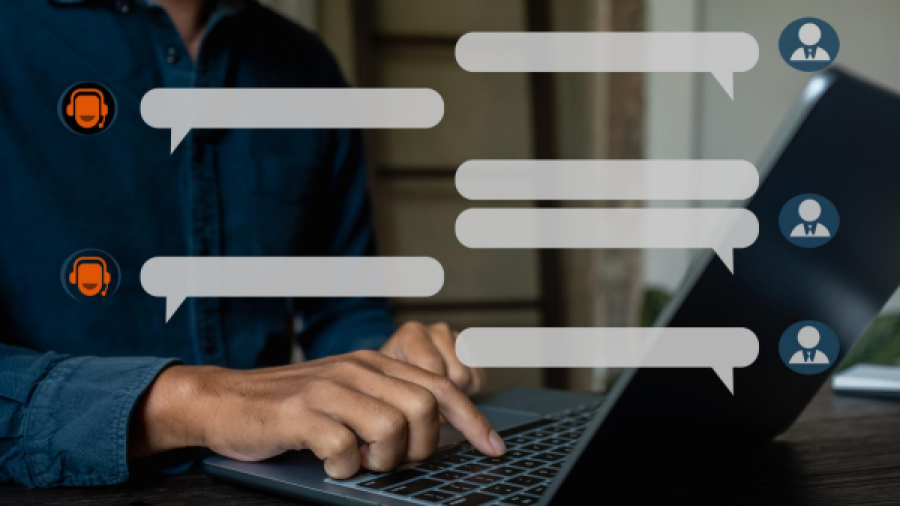
AI is developed to assist small and medium-sized enterprises (SMBs) even before their customers are aware that they require help.

When a customer complains, it’s often too late to address the issue. In this day and age everything is interconnected. People no longer trust you; they’ve left negative reviews, and their carts are empty. The damage is already done. Ouch. But what if your business had a “fortune teller” that spotted problems before they blew up?

This is how to think about it : There are a lot of abandoned carts at a modest online retailer. Instead of getting angry emails, AI finds a broken payment connection, tells the team, and delivers an apology and a discount to the clients who were affected, all before the customers even know something went wrong.

That’s what AI that works ahead of time can do. It won’t just be for the big folks in 2025. Small and medium-sized businesses (SMBs) are entering the age of AI, when AI becomes a strategy.

What This Blog Will Teach You

This blog discusses the way AI is transforming the manner in which small and medium-sized enterprises (SMBs) manage customer care. From being a cost centre that responds to issues, it is presently a revenue engine that strives to resolve them. Here’s what we’ll discuss:

  1. What is proactive AI customer service?
  2. How AI is the best option for SMBs
  3. Aspects that make human beings use AI more effortlessly
  4. The optimal ways to make the implementation function effectively
  5. Success stories in social commerce, retail, and telemedicine in real life

This is your opportunity if you have a small business or own one.

From a Crisis Hotline to a Way to Make People Happy

Customer service previously resembled calling the fire department,  too late, the house burns already.

Customer service was once all about problem-solving. Customers now prefer that companies know what they need before they tell them. They want things done to solve the problem before they complain, or better still, before they realize there is an issue.

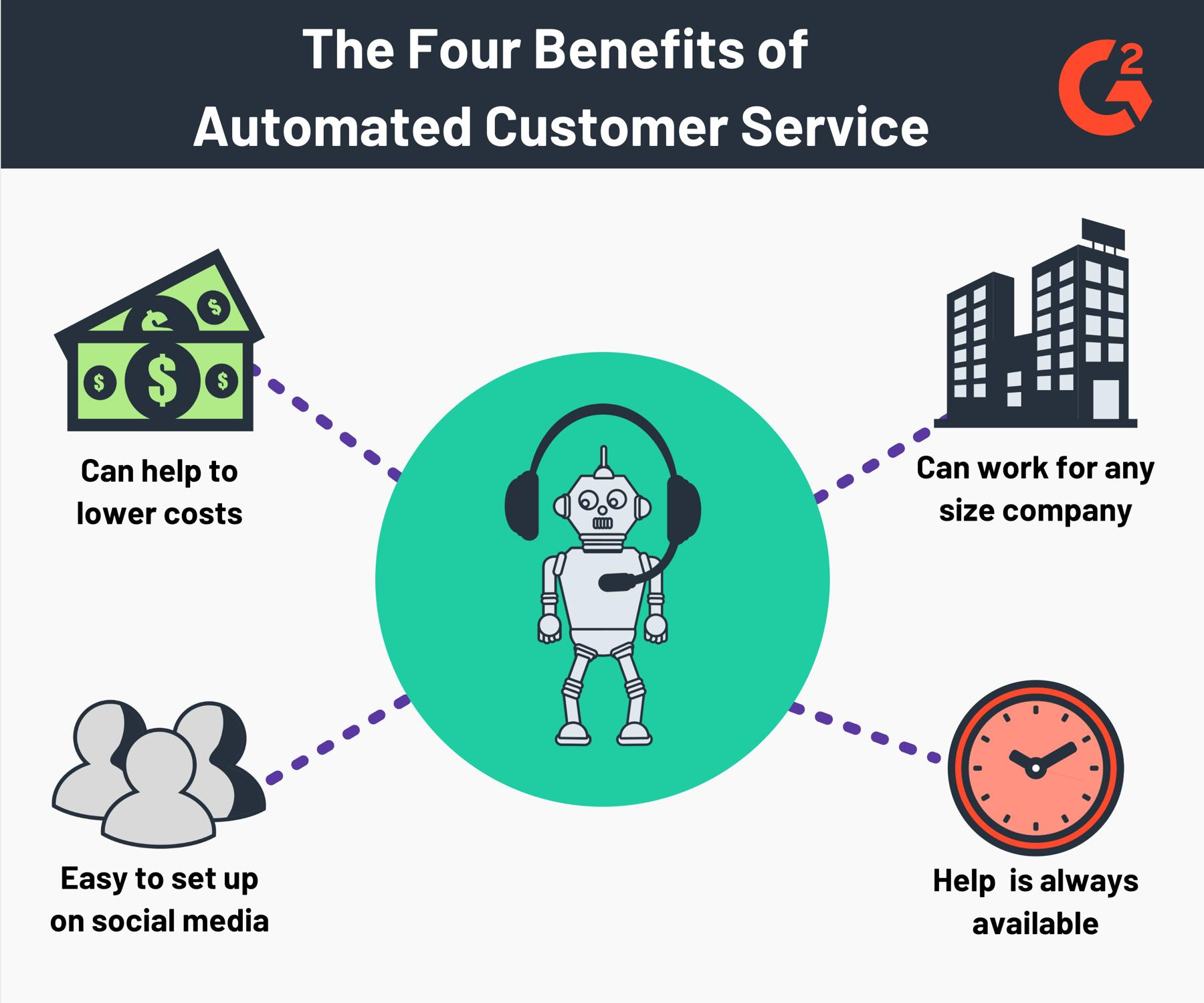
The biggest strength of AI is to correct issues, make things better for everyone, and to do things right away.

Isn’t it preferable to be the firefighter who keeps the fire from happening rather than the one with a half-full bucket?

In what way does AI make small businesses appear large?

Consider AI as the business attire that makes each SMB Fortune-500-capable.

Small and medium enterprises once had trouble applying AI technology or viewed it as too costly. However, times are rapidly changing.

A 2024 DigitalOcean Survey reported that :

  1. 43% of small and medium-sized enterprises (SMBs) are already using AI.
  2. 78% plan on increasing their usage in the following year.
  3. The primary applications of AI usage up until now have been in software development and data analytics. However, recent studies now indicate that customer service and engagement have taken the forefront with 80% adoption rates in some sectors.

Why? AI enables small and medium-sized enterprises to get what they desire most : smart, efficient work.

Let’s break it down :

Predictive Analytics

AI examines information on customers to determine what they could need.
For example, an online store discovers that those customers purchasing printer ink return every six weeks. AI sends messages and makes deals automatically, which drives sales and causes customers to return.

Considering how you feel

AI can sense how individuals are feeling through their reviews, interactions, and calls.
For instance, a salon picks up on a negative review when the customer is present and offers them a complimentary touch-up upon their departure before they post an ugly review.

Observing others’ behavior

AI notices odd behaviors as they occur.
For instance, a SaaS company notices consumers struggling to log in. AI initiates a tutorial within the app, which prevents the AI from reaching out for help.

If AI can predict when you’ll need new printer ink, can it also predict when you’ll need a coffee refill?

A Real-World Success : Leo Coffee’s Digital Transformation

A 100-year-old coffee brand met a 21st-century problem, and AI was the extra shot of espresso it needed.

When COVID-19 struck, 100-year-old South Indian brand Leo Coffee, which was so popular, had to struggle. When the stores were shut down, customers inquired more on the internet.

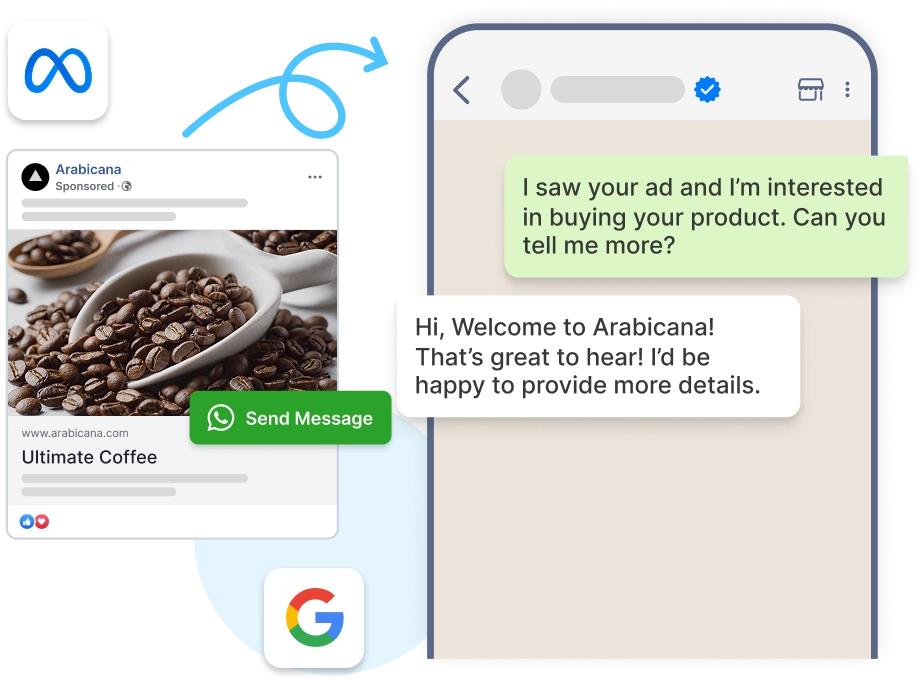
Leo did not succumb to the pressure. On the contrary, he collaborated with Yellow.ai to implement AI-driven chat and voice assistance on their website, WhatsApp, and Facebook.

Key Outcomes :

  1. Sales reached ₹1.5 lakh in a matter of days.
  2. Responding with 100% accuracy
  3. Help that happens automatically all the time, with interaction that feels like a real person.

People used to think of Leo Coffee as a legacy brand that was good with technology, but their swift switch to AI during the lockdown changed that.

 Who needs baristas when your chatbot can brew up answers 24/7?

Voice Bots for Indian Small Business Owners : The AI Makeover of Meesho

Too many customers? That’s the “good problem” Meesho had. AI rode to the rescue like a multilingual call center superhero.

Meesho, one of the leading players in social commerce, had a different issue: they had become too successful. Numerous small businesses scrambled to make use of the platform, which meant that it was hard to access support.

Meesho launched an English and Hindi AI voice bot late in 2024, which sellers could use to respond to queries over the phone.

Key Outcomes :

  1. Over 60,000 calls are answered daily.
  2. All but a few inquiries were handled without assistance from an individual.
  3. Wait times and costs are reduced.
  4. Levels 2 and 3 entrepreneurs could do more because they were able to access support in their own language.

It wasn’t merely about the tech; it was also about engaging everybody. Meesho’s AI phoned up sellers and spoke to them in their own language and at their own pace.

Isn’t it crazy when robots speak your language better than your relatives at family weddings?

How to Start Without Getting Overwhelmed

Adding AI isn’t about replacing your entire business in a single night,  think “training wheels,” not rocket launch.

Even the best instruments can be dangerous if you’re not careful. Here’s how to add AI to your customer service stack without using up all of your team’s bandwidth.

  1. Start with a little bit.
    Test AI on one task, like answering frequently asked questions, before you use it for more than one.
  2. Use What You Have.
    Inject AI into your existing support desk or CRM. You don’t have to dismantle and rebuild.
  3. Train your staff.
    AI and support staff shouldn’t be at war with each other; they should complement each other. Train individuals to better equip them in AI.
  4. Watch it intensely and tweak accordingly.
    AI improves the more you use it. Regularly check performance, get feedback, and make small tweaks as necessary.

Isn’t “baby steps with AI” preferable to “AI devoured my entire business strategy in one night”?

Bonus: Telehealth AI assists many people in recovering quickly

When physicians are swamped with patients, AI is the sleepless stethoscope.

During flu season, a telemedicine firm was so busy. Patients were displeased because they waited a long time and missed follow-ups.

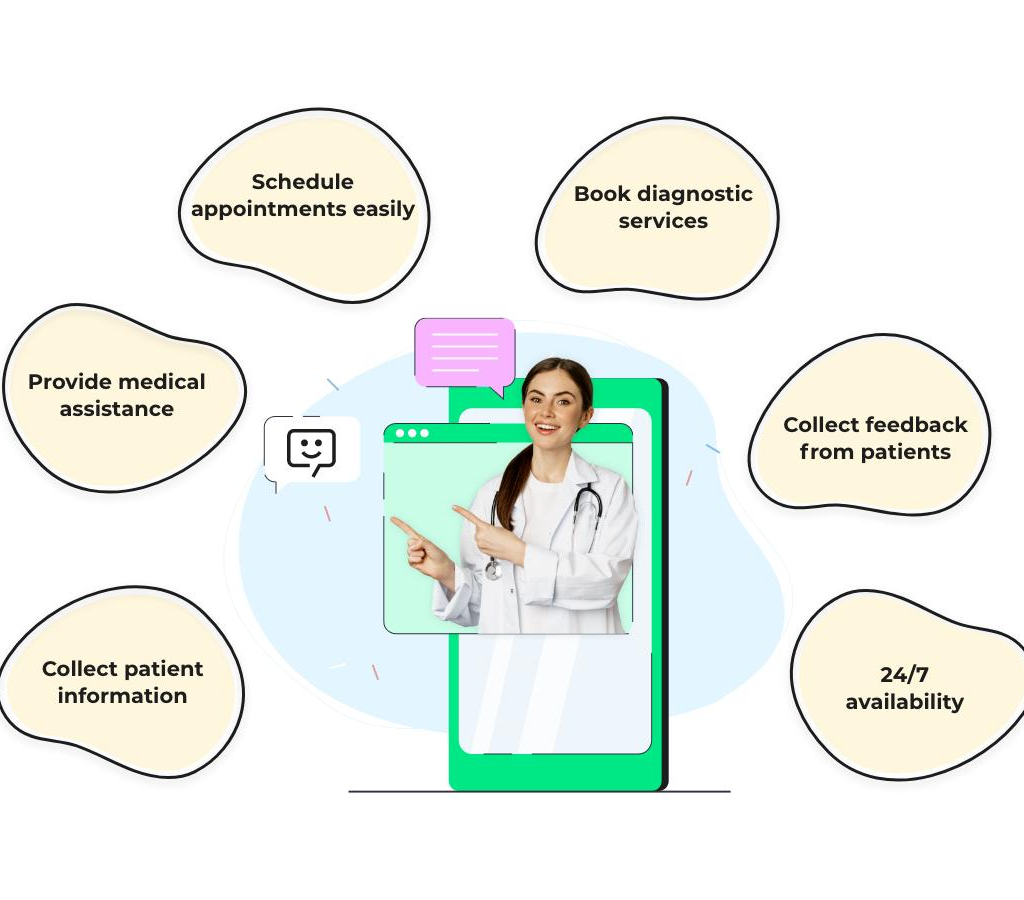
They included AI in their Salesforce Health Cloud as a remedy for the same. It screened for symptoms, scheduled follow-up appointments, and sent them home with their prescription.

Key Results :

  1. Response times were 30% faster.
  2. Better care that doesn’t change
  3. More satisfied people
  4. Sharing data between systems is easy.

A layer as thin as that of AI turned what was once a yearly mess into a constant stream of assistance.

Isn’t it nice when your “doctor’s assistant” doesn’t need coffee breaks or lunch hours?

In short, AI is not the future; it is here now.

Small and medium-sized businesses (SMBs) form the backbone of India’s economy, contributing around 30% to GDP and employing over 60% of the workforce.

It is the second-largest job creator sector after agriculture, with more than 7 crore enterprises. 

They can’t afford to lag behind when it comes to using AI.

Do it right now!

Don’t wait until your customer service is too busy or your name is on the line. AI isn’t just a new tool; it’s a whole new approach to running a business.

Now it’s your turn : Do Something Before They Ask.

How can you use AI in your business to save time, understand the pain points of your customers better, and make every decision better?

Let us know what you think in the comments below!