Beyond Social Media Celebrity : The Secret to Creator Communities That Pay Off
The Shift from Influence to Ownership
Introduction
Consider the following scenario : a teacher in a small Tamil Nadu town begins producing short, in-language science-related films. In just six months, she has built a loyal following on her mobile app rather than YouTube or Instagram. Supporters pay for short courses, attend her weekly lectures, and take part in live Q&A sessions. She has no intention of negotiating brand agreements or relying on analytics to expand her reach. She is in charge of her growth, audience, and income.
From creator communities, greetings from the next big thing in the creator economy : integrated monetization.
From content to community.
In the creative economy, let’s look at what it means to be the real owner of your audience.
What You Can Learn From This Blog
- YouTube and comparable websites are losing ground in the traditional framework of the creative economy.
- Creative communities with built-in monetization are giving creators more control over their audience and income.
- The difficulties faced by creators as a result of ad money, commercial sponsorships, and algorithm domination.
- Examples of real-world, marketed creator communities in action.
- Having your community has several benefits, such as financial security, real engagement, and creative flexibility.
- What creators should expect when it comes time to lead the creator economy’s next wave?
- How knowledge beyond entertainment is becoming more accessible due to India’s flourishing creator ecosystem.
- Top platforms that let creators create profitable, long-lasting communities.
From Followers to Founders : The Creator’s New Freedom Blueprint
Stop chasing likes, start chasing invoices.
The real glow-up in the creator economy isn’t better lighting, it’s building something you own, audience included.
The creative economy is more than a side gig these days.
It’s a commitment.
Platforms like YouTube, Instagram, and TikTok have controlled the creator economy for more than a decade. They made creators visible, but they retained control over the algorithm and a share of the revenue. But that equation is changing rapidly.
Today’s creators are not only influencers but also infopreneurs, teachers, and many other things.
There are new platforms with integrated revenue-generating capabilities that put the community first.
These platforms allow artists to establish their own branded centers where they can develop,
teach, engage with others, and sell things without having to follow social media trends.
If you owned your platform, your audience, and your paycheck, would you still let algorithms decide how loud your voice gets?
This tendency is supported by worldwide statistics :
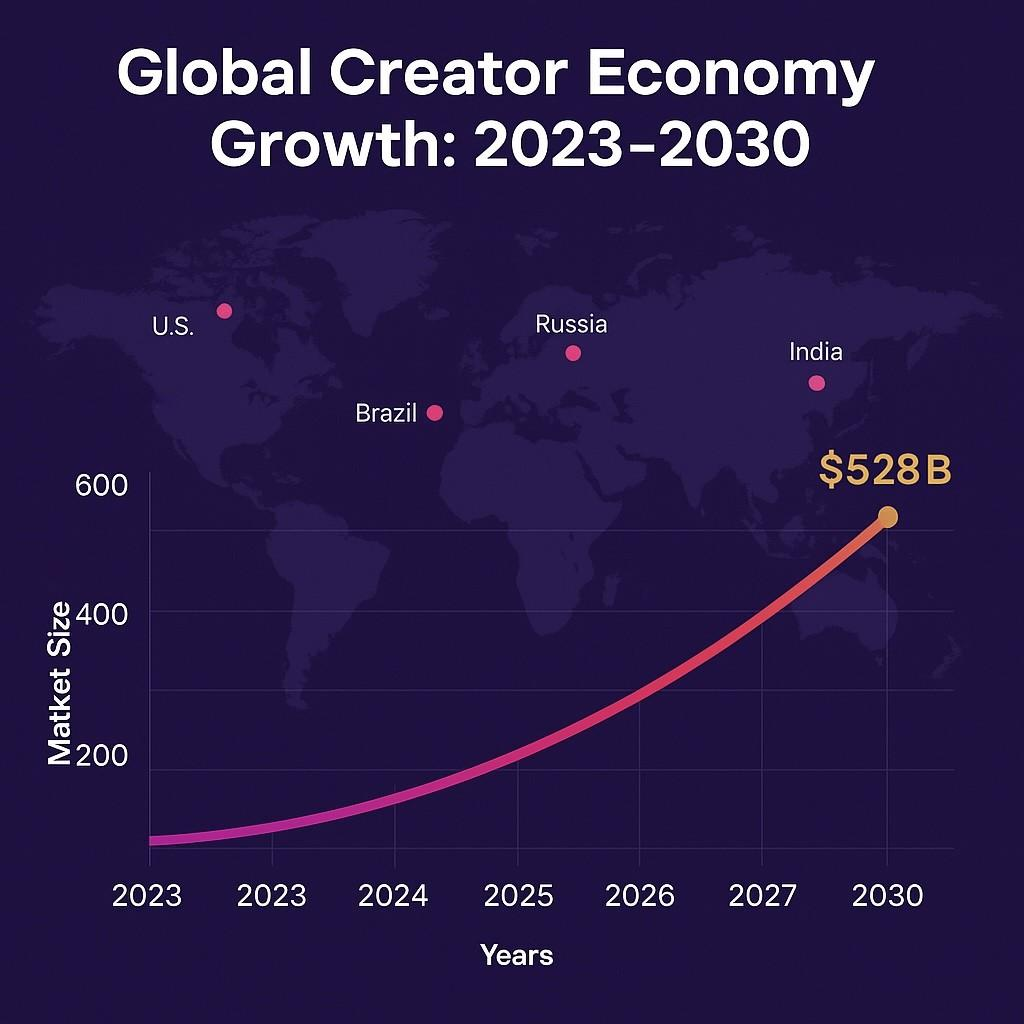
- The global creator economy was estimated by Goldman Sachs to be worth $250 billion in 2024 and is predicted to reach about $480 billion by 2027.
- Over 300 million content creators are presently earning a living worldwide, and that number is growing every day.
What do you suppose happens when creators stop chasing views and instead start building ecosystems?
Continue reading to find out.
Why Creators Are Ignoring the Algorithm (But Not Missing It)
The algorithm is like that moody friend, fun when they’re up, toxic when they’re down.
Let’s get going now.
- Revenue from ads varies. Changing an algorithm option will result in a decrease in your profits.
- Brand collaborations are competitive. Not all artists are given financial support.
- Platforms need their fan bases. Your following is actually not yours.
- The concept of content weariness does exist. Burnout results from blogging all the time.
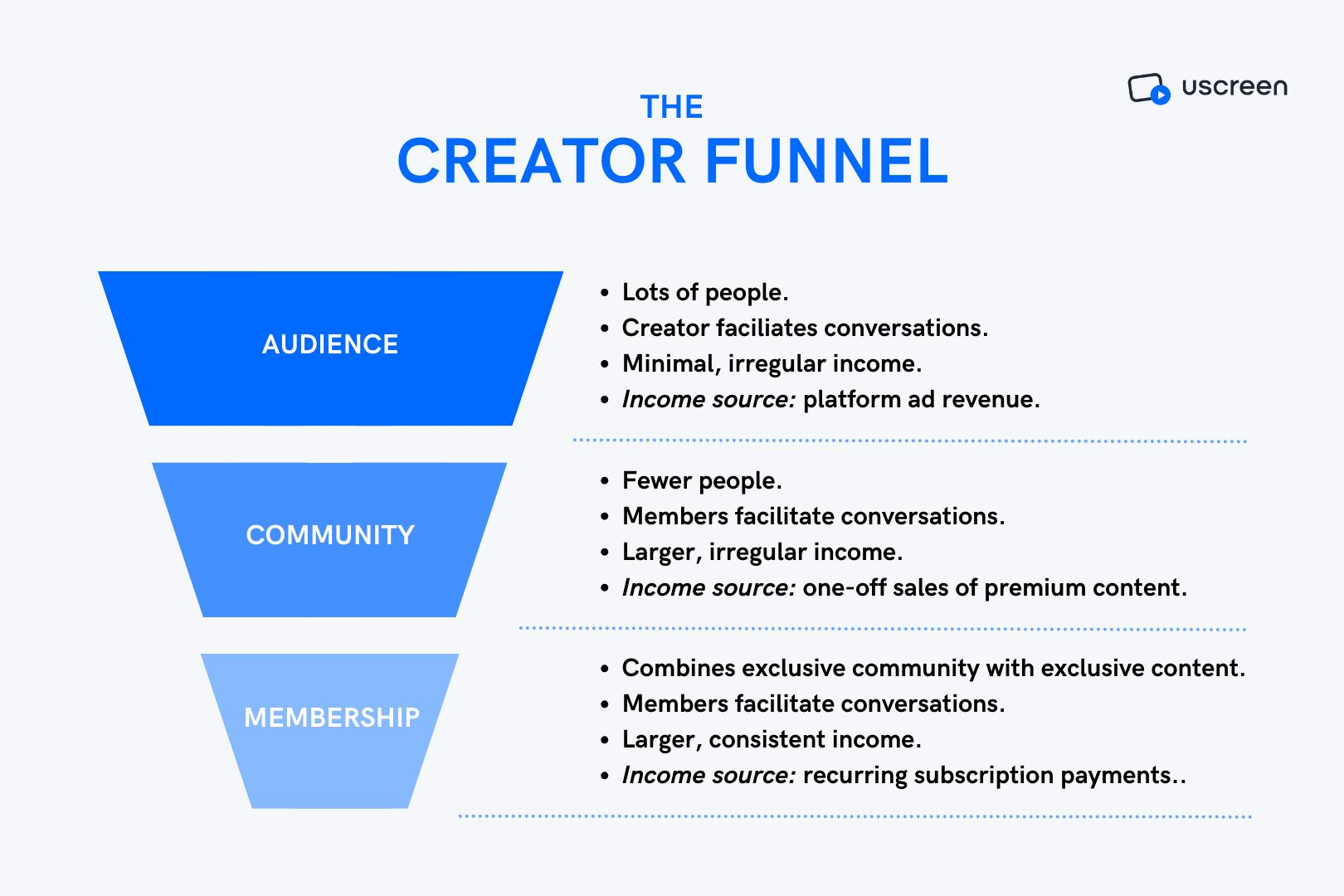
In actuality, creators require a stable environment, a group, and ownership. Platforms like Mighty Networks, Circle, Kajabi, and Discord offer all of these features, including the ability to host content, make money, interact with other users, and purchase memberships.
If your income no longer depended on unpredictable algorithm mood swings, how would your creative output actually change?
Inside the New Company of the Creator: Community, Not Content
Let’s say you produce articles on fitness. There may be times when you are paid for YouTube ads or corporate partnerships. However, here’s how to create a paid community:
- On the weekends, host yoga classes via livestreaming.
- Give premium members who subscribe to weekly challenges, dietary guidance, and one-on-one Q&A sessions.
- Sell digital exercise regimens or pre-made programs.
- To communicate with your audience directly, use comment threads or voice channels.
- Celebrate accomplishments and build a devoted clientele.
You are no longer a content generator.
You are promoting yourself directly as the leader of a niche tribe.
What would happen if algorithms weren’t used to decide your earnings?
What Kind of Meaningful Ecosystems Beyond Likes and Views Are Indian Creators Establishing?
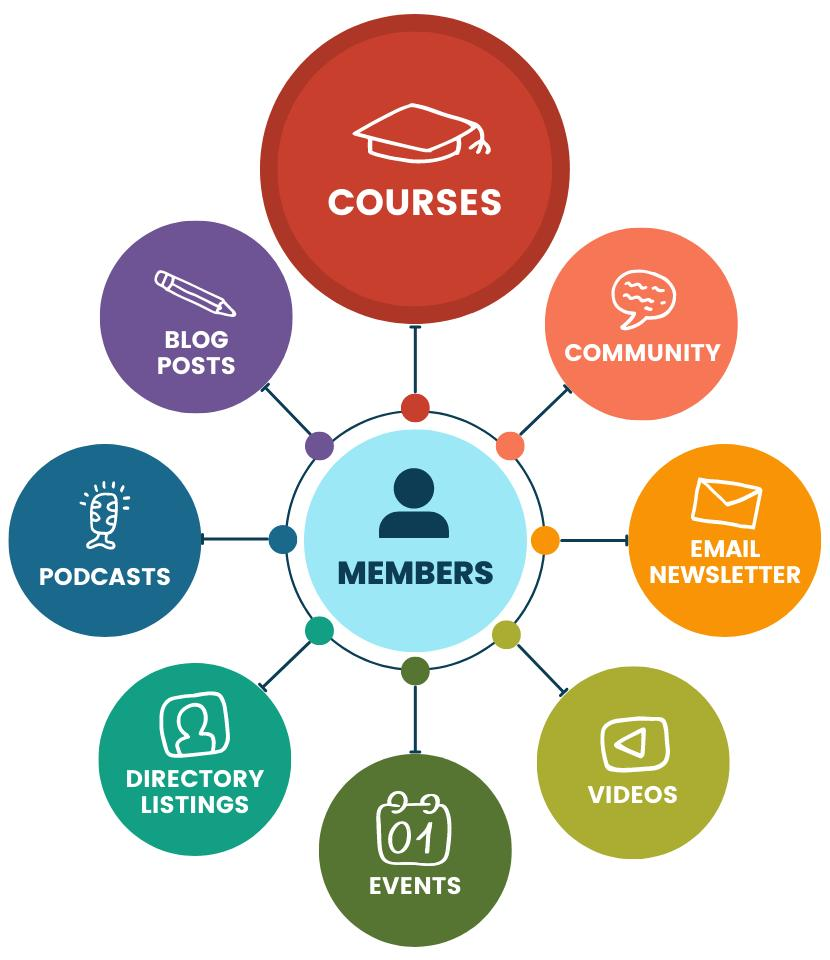
India’s creator economy is growing at a 25% CAGR with an estimated $2.5 billion in investment raised between 2018 and 2022. But there’s a catch: the growth goes beyond amusement.
- Doctors run well-being communities.
- Farmers convey sustainable principles through storytelling.
- For students in rural areas, teachers design courses in the local vernacular.
“Doctors are joining the creator economy and creating shows on various health issues, farmers teaching other farmers organic farming through storytelling or even brands enabling their own community members to share powerful stories instead of going to influencers..“
-Tamseel Hussain, PlucTV
Over 8 million of the more than 100 million Indian creators in 2023 had already earned money from their creations.
It’s not merely a trend.
The masses are driving the revolution.
Views are vanity, subscribers are sanity.
Which Secret Assets Support Creator-Led Communities That Truly Pay Off?
Below is a summary of the leading platforms that support creator-led communities:
1. Mighty Networks
Courses, livestreams, and memberships
Customized branding and native applications
Potential AI assistance and income streams
2. Circle
Perfect for premium memberships and content packages that include events, live sessions, and integrated community elements.
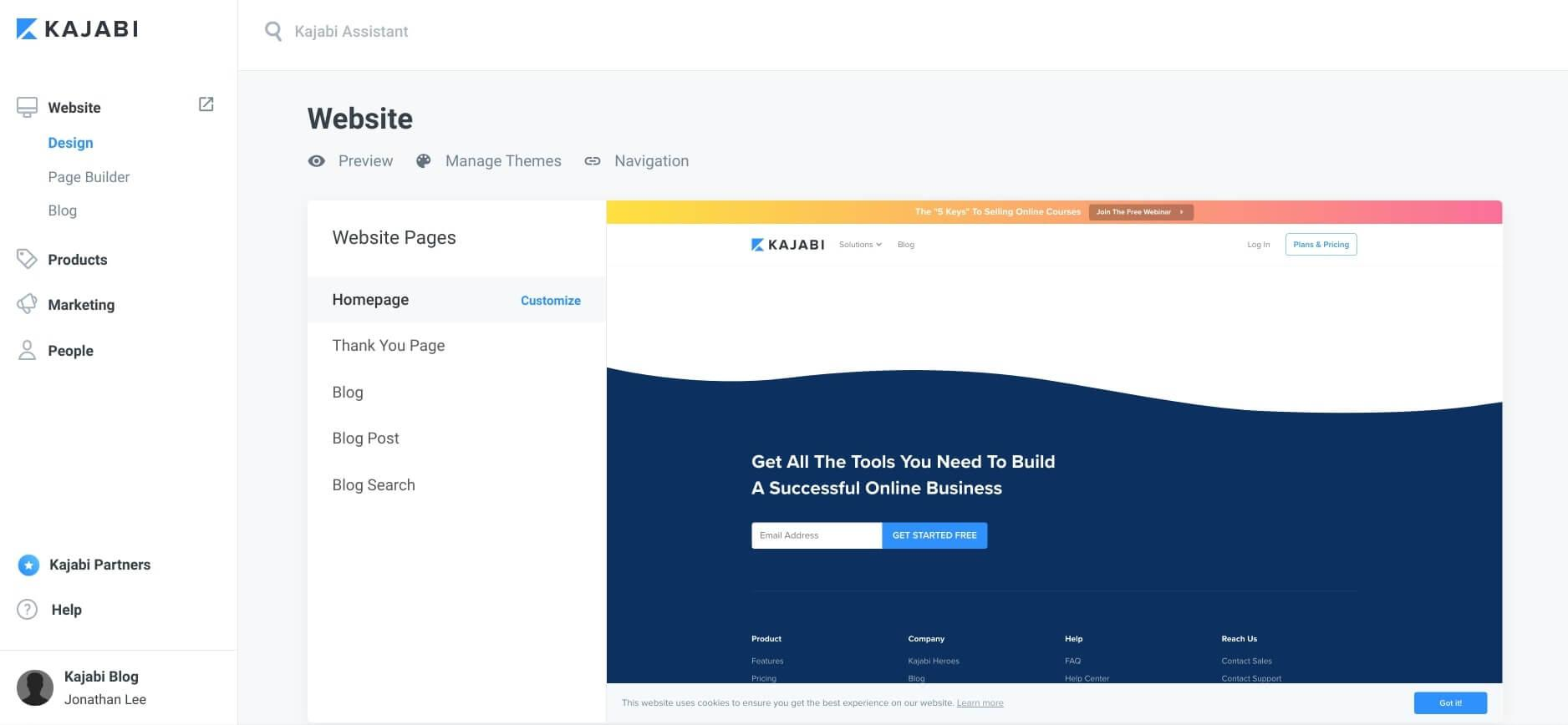
3. Kajabi
With built-in marketing tools like email automation and landing pages, Kajabi is an effective tool for course sellers.
4. Discord / Geneva
Geneva and Discord Free chat platforms for certain interest groups that are perfect for Gen Z viewers and enthusiasts.
5. Mighty Pro
Expensive, Mighty Pro White-branded software for professional artists Mel Robbins, TED, and top-performing educators.
These websites are making money from a booming market. It is anticipated that the potential market for the creator economy in India alone will reach $75–100 billion by 2025.
Why This Model Is Effective: Independence, Fandom, and Financial Security
- Ownership: Your data, revenue, and content belong to you alone.
- Recurring Revenue: One method of generating recurring revenue is through subscriptions.
- Real Engagement: Simply speaking with your loyal fans in an honest manner without the aid of an algorithm.
- Freedom of Creativity: Goodbye to platform restrictions and hello to specialized storytelling.
Likes don’t keep the lights on. Loyal members do. And they won’t ghost you the moment a platform decides cat videos deserve more reach than your life’s work.
Power to the Passionate: The Real Significance of This Shift
Profit has become a passion.
It is tremendously fulfilling to be acknowledged, listened, and paid directly by one’s audience.
Whether narrated by a young poet in a small town or a senior army commander teaching leadership classes online, these stories demonstrate a subtle but persistent change:
- Creativity is becoming a dependable source of income.
- The objective is not to find millions of eyes.
- The objective is to build a lucrative business and a home for real fans.
Will the attention economy eventually give way to the appreciation economy?
Where the Creator Economy 2.0 Is Heading
It is anticipated that there will be 107 million content developers globally by 2030, up from an estimated 67 million in 2025.
Now for the crucial query: What does it look like when every hobby, skill, and area of expertise has room to grow and earn money without having to compete for likes?
Maybe the future of content is being useful instead than going viral.
Before you depart, are you ready to establish your own Creator Tribe?
Do you currently belong to a tribe or are you thinking about forming your own?
What changes will this strategy bring about in the global creator economy during the coming decade?
Let us know your thoughts in the comments below!