From Ayurveda to Affirmations: What’s Fueling India’s Wellness Craze?
How modern stress and digital discovery are shaping wellness economy built on healing, mindfulness and conscious living.
Introduction
It started with a candle.
No, not the usual vanilla-scented one you light during power cuts.
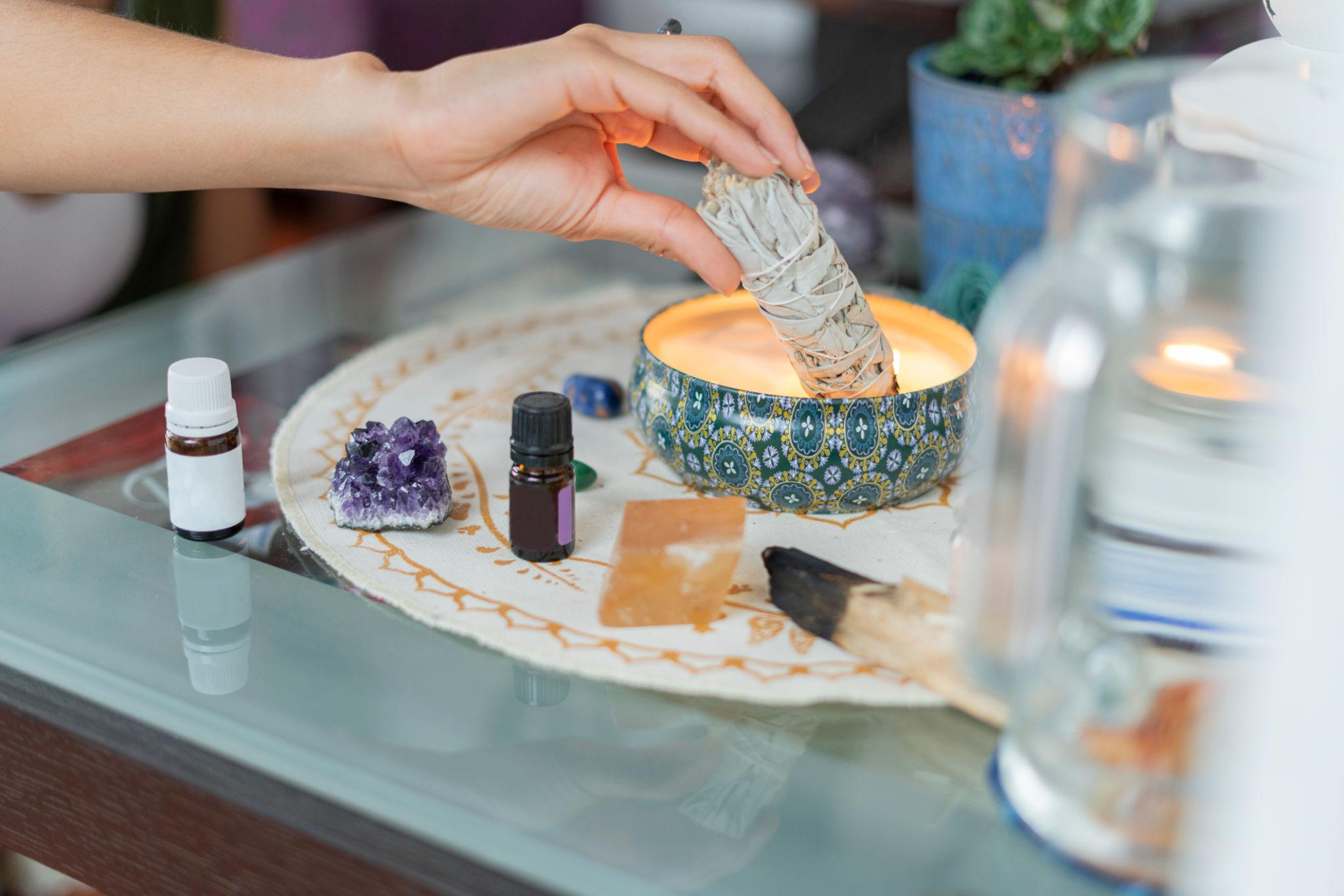
This one smelled like lemongrass and clove, sat in a hand-poured glass jar on your bookshelf, and promised to “soothe the soul while detoxifying the room.”
When your therapist suggested mindfulness over medication, you didn’t turn to mantras or monks, you opened Instagram. One scroll led to another, and suddenly you were deep in a rabbit hole of IRIS aromatherapy oils, Soulflower soaps, and yoga retreats in Rishikesh.
Within two weeks, you’d subscribed to a meditation app, switched to plant-based snacks, and added “self-healing” to your bio.
And you’re not alone.
The Quiet Revolution: How India’s Spiritual and Wellness Industry is Booming
There’s a wellness wave washing over India, and it’s not just about green juice or gym selfies.
India’s religious and spiritual market hit a staggering USD 65 billion in 2024, according to a report by IMARC Group. This includes everything from religious tourism and donations to devotional media, spiritual merchandise, and even online prayer services.
But here’s the twist, this wave isn’t limited to temples or rituals. It’s a blend of tradition and transformation, where Ayurveda meets e-commerce, and spirituality goes digital.
Why This Is Happening: A Nation Rethinking Health and Happiness
Call it post-pandemic introspection, millennial burnout, or Gen Z’s obsession with clean living, India is collectively pausing, breathing, and choosing better. Better skin, better sleep, better spirits.
Take a look at what’s changing:
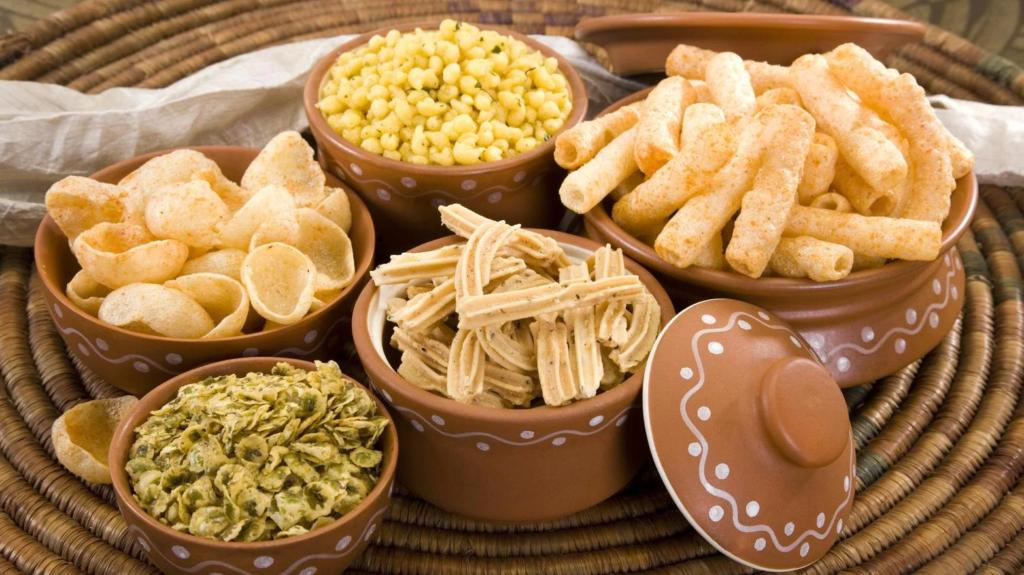
- Health First, Always: From vegan snacks to gut-healing ghee, people want food that feels good, not just tastes good. Brands like Tata Sampann and FabIndia are thriving on this shift.
- Mind Over Matter: Platforms like Wysa and BetterLYF now offer therapy chats and mood trackers for less than the cost of a pizza.
- Wellness Tourism Rises: Ayurvedic resorts in Kerala and spiritual retreats in the Himalayas are luring not just foreigners, but also Indians seeking inner calm.
- Home is the New Temple: From IRIS oils to Doft Candles, the focus has shifted to mood-enhancing spaces. Scent is self-care. Minimalism is mindfulness.
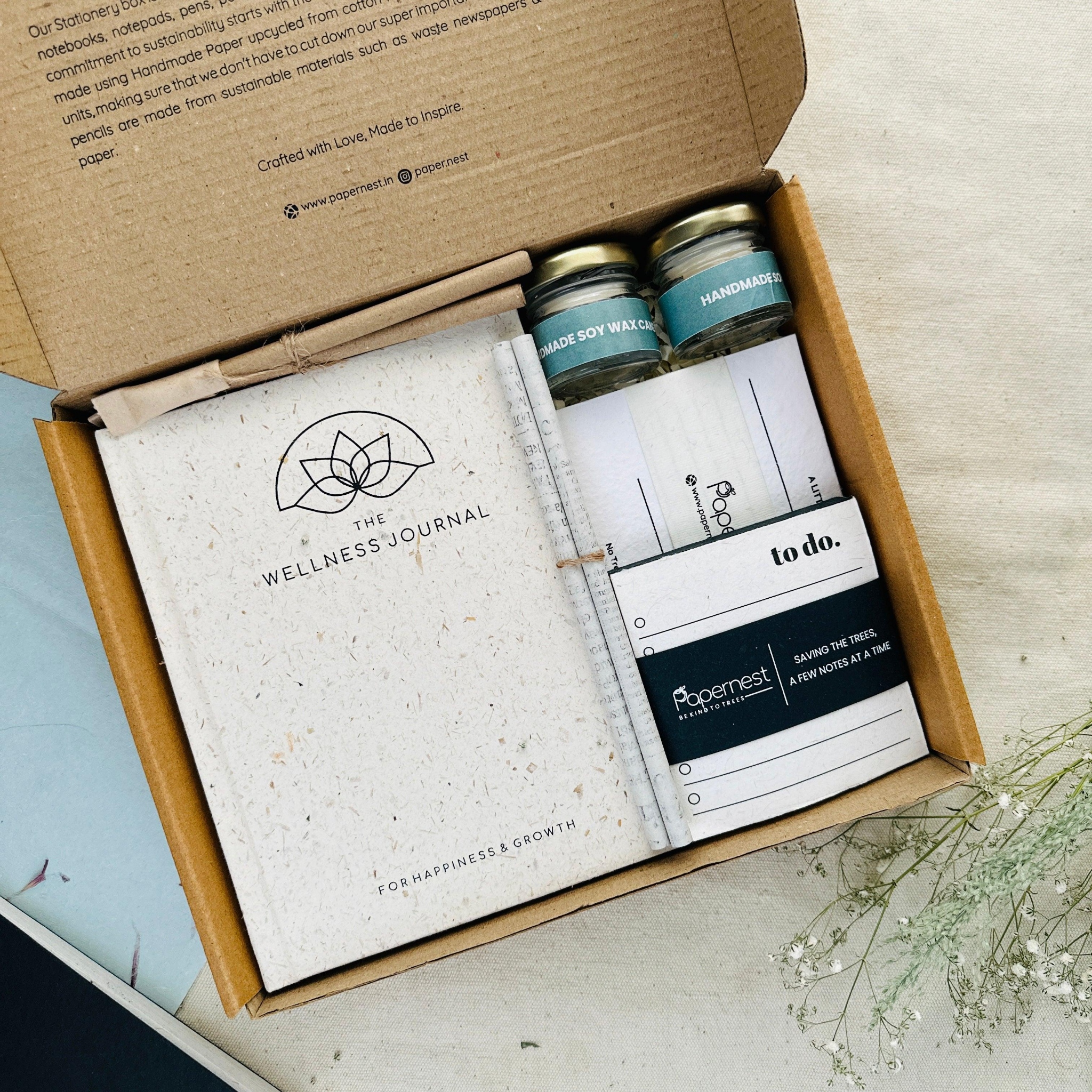
Spotlight on Brands: From Ancient Roots to Aromatic Routes
IRIS: Scented Science Meets Soul
Crafted with the philosophy of aromachology (how scents affect emotion), IRIS isn’t just selling essential oils, they’re selling serenity. With international certifications like IFRA and GRAS and a zero-carbon policy, IRIS has built a reputation for being sustainable, ethical, and emotionally intelligent.
Soulflower: The OG of Conscious Skincare
Rooted in Ayurveda but blended with modern efficacy, Soulflower’s soaps, oils, and skincare products are a hit with urban consumers seeking clean beauty. Their mission? “Visible, beautiful results, naturally.” From eco-friendly packaging to cruelty-free formulas, they’ve set the gold standard for ethical wellness.
Doft Candles: Instagrammable Wellness
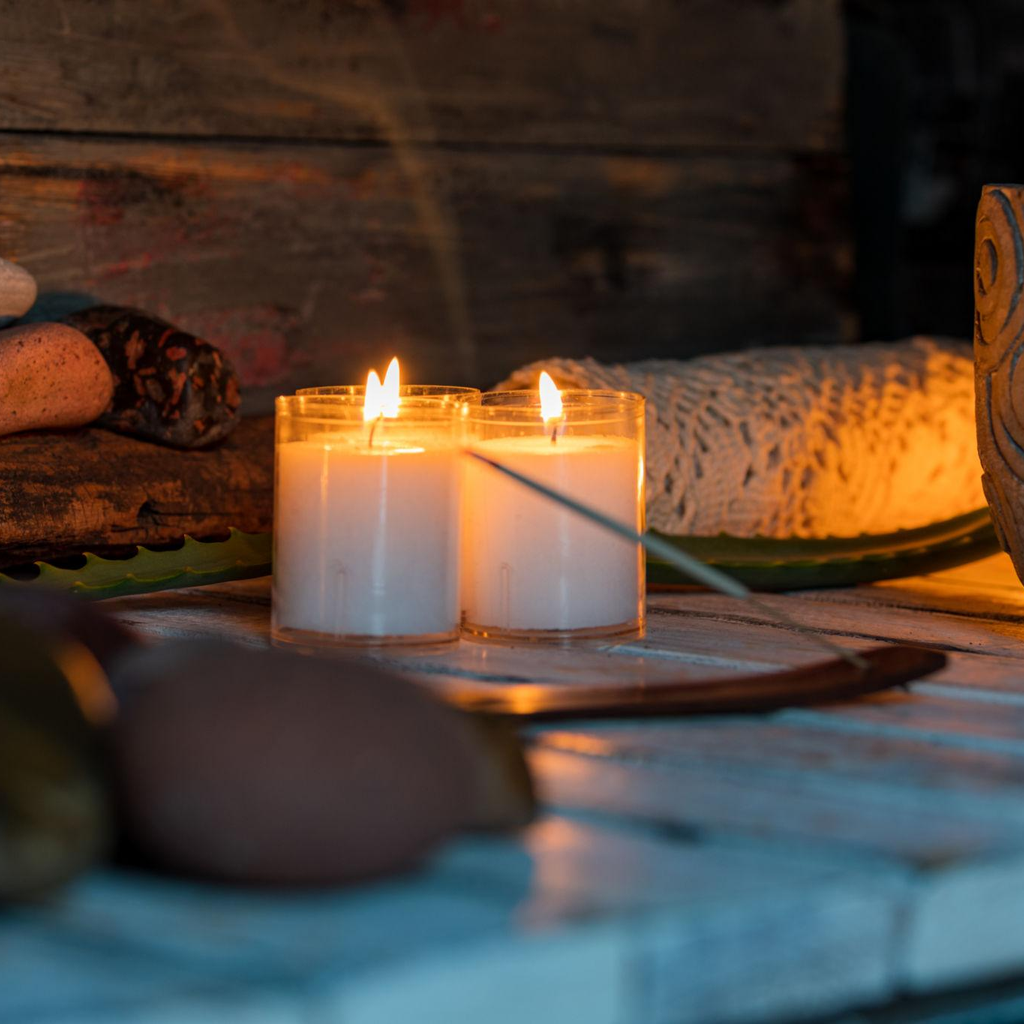
With candles that double as décor and therapy, Doft has cornered a niche, scented home rituals. Their designs cater to India’s rising interest in home aesthetics, gifting culture, and self-love rituals. Peach-footed jars and rose bowls are now as much wellness tools as they are mood boards.

Where Business Meets Belief: Why Brands Are Thriving
This new wellness economy is being shaped by:
- Urban Stress: Rising anxiety levels, long work hours, and loneliness have created demand for de-stressing tools.
- Digital Discovery: Social media and e-commerce have democratized access to wellness, what was once elite is now one click away.
- Cultural Rebranding: Ancient Indian traditions are being reimagined for modern consumers, Yoga is a global brand, Ayurveda is premium, and meditation is cool again.
What’s Fueling This?
- Post-pandemic fatigue: Emotional burnout pushed people toward spiritual wellness.
- Digital overload: A desire to disconnect from screens and reconnect with self.
- Cultural Reclamation: Young Indians are rediscovering Ayurveda, yoga, and Vedic healing with pride.
- Influencer Culture: Spiritual wellness has gone viral—affirmation reels, chakra memes, and healing vlogs are booming on social media.

What Can Brands & Entrepreneurs Do?
- Go Digital, But Stay Grounded
Build easy-to-use platforms for guided rituals, product subscriptions, or virtual wellness classes. - Focus on Feelings, Not Just Features
Sell outcomes, peace, clarity, calm, not just oils and candles. - Collaborate with Healers & Therapists
Add authenticity through spiritual advisors, reiki masters, or Ayurvedic consultants. - Create for Community
Whether it’s a Facebook group or an offline retreat, create spaces where like-minded souls connect.
Wellness vs. Pharma: How India’s Healing Industry is Taking the Place of Healthcare
For decades, the solution to stress, insomnia, or a headache lay within a pillbox. But today, India’s wellness industry is taking over that reign. From immunity infusions to meditation apps, individuals are trading prescriptions for prevention.
It’s not just about healing illness anymore, it’s about preventing it from happening in the first place. Pharma is still needed, but wellness has redefined health as a way of life, where serenity and equilibrium are as important as laboratory tests. And perhaps surprisingly, pharma companies themselves are cautiously making their way into this territory.
Is the future of health on pharmacy shelves or yoga mats? The answer may be “both,” but wellness is certainly having its day.
7 Interesting Areas Where Wellness Ties with Pharma:
- Sleep cures: Pills vs. lavender candles & meditation apps.
- Immunity enhancers: Tablets vs. chyawanprash, herbal teas, and turmeric shots.
- Stress management: Anti-anxiety pills vs. aromatherapy oils and yoga.
- Digestive wellness: Syrups vs. probiotic curd and Ayurvedic powders.
- Chronic pain: Painkillers vs. massage therapy and herbal balms.
- Energy supplements: Multivitamins vs. plant-based snacks and ghee coffee.
- Brand overlap: Pharma giants such as Dabur & Himalaya now sell medicine as well as mindfulness.
Opportunity Zones: What the Future Holds
- Tier 2 & Tier 3 Towns: There’s untapped demand beyond metros. Think yoga cafés in Kanpur or wellness stores in Coimbatore.
- Corporate Wellness: As employee burnout becomes a boardroom issue, businesses are investing in wellness apps, therapy tie-ups, and guided meditations.
- Digital-First D2C Brands: The next Patanjali or Forest Essentials may well be born on Instagram, with a Shopify backend and a YouTube content strategy.
- Niche Wellness: Vegan? Check. Organic? Check. Gluten-free, cruelty-free, climate-neutral? Triple check. Personalization is the name of the game.
India’s Wellness Boom Is Not a Trend: It’s a Shift
In a country where spirituality is not a Sunday thing but a way of life, the convergence of wellness and belief was inevitable.
The USD 65 billion spiritual economy isn’t just about temples and rituals, it’s also about candles, clean skincare, and conscious living. From the foothills of the Himalayas to a Bengaluru balcony lit with IRIS oils and Soulflower soaps, India is healing, inside and out.
So next time you scroll past a meditation app or see a friend burn lavender wax before bedtime, don’t just call it a trend.
It’s a lifestyle.
What’s the one product or ritual that helps you feel centered? Drop it in the comments below, we’re building a community of calm.
Until next time, light that candle and breathe in the change.