Charging in Minutes, Not Hours : How New Battery Tech is Accelerating the EV Revolution
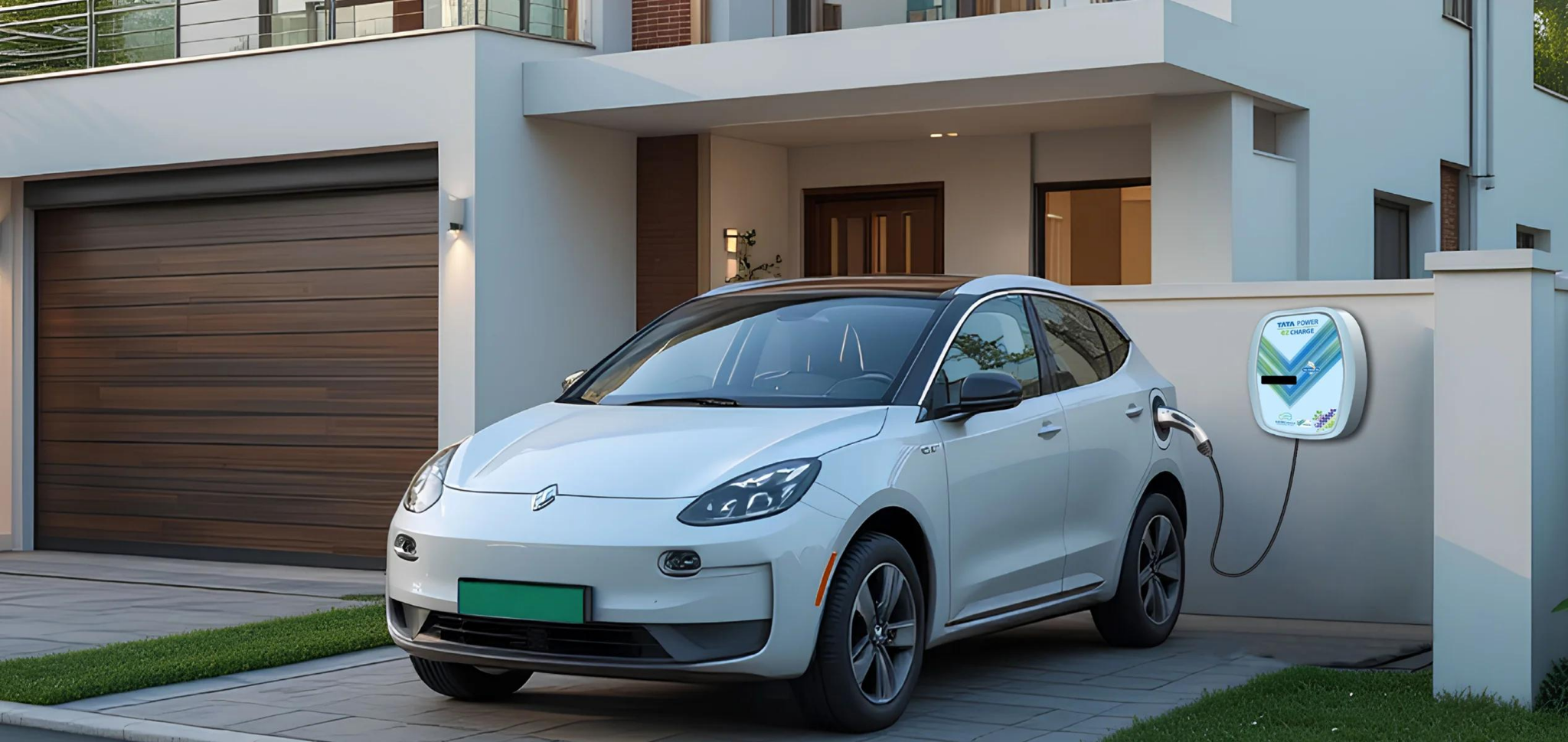
Introduction
Five friends are kicking the ball around outside St. Joseph’s College when they begin discussing electric cars.
They wished that they had the money to buy one but they simply can’t tolerate the four-hour charging.
That flash of rage on the football pitch outside St. Joseph’s College would result in one of India’s most audacious electric vehicle schemes, Flextron.
That single issue, slow charging is not just frustrating. It is holding back India’s clean mobility revolution.
That wall is beginning to break up now.
A Brief Overview of What This Blog Is About
“Spoiler alert: it’s not hugging trees, it’s charging them wheels quick.”
This blog illustrates how new battery technologies are transforming the way electric cars (EVs) are charged.
- It’s not about recycling or carbon credits.
- It highlights fresh thinking from CATL (a global leader) and Flextron (an Indian upstart).
- It explains why charging time is becoming shorter, to 5–10 minutes.
- Adds additional features such as increased range and cold weather performance.
- Demonstrates how technology is transforming the way people behave and making EVs mainstream.
- Connects clean transportation with jobs, infrastructure, and economy.
So, are EVs ready to finally become the savior of Indian highways or will they continue to wait at the pit stop?
The Problem: Charging Is Slow and Not Very Convenient
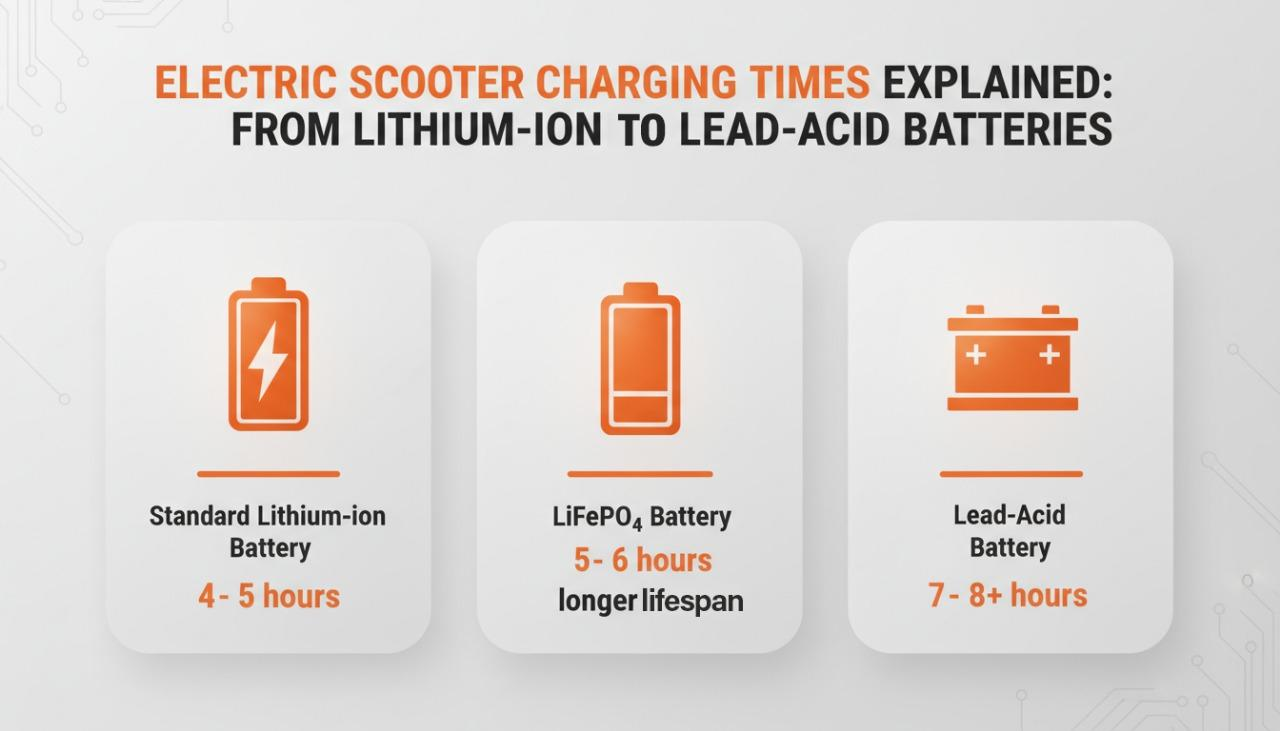
Imagine waiting for your car to charge and watching an entire Netflix show before the battery reaches 100%. Ouch, right?
For years, there was an issue with EVs: they took hours to charge.
- It was difficult to schedule trips or errands based on charging points.
- It got worse when it was cold.
- The infrastructure lagged.
India loved sustainable transportation, but the everyday issues convinced most people to fall back on gasoline.
If charging takes longer than a family wedding, how many individuals will actually stick around for the entire EV celebration?
The Big News: Batteries That Operate as Quickly as You Live
“Now your car charges faster than you can quibble about who pays the tea stall bill.”
Come in CATL, the Chinese battery firm that supplies batteries to Tesla, Ford, and GM. Their latest feat allows 520 km of range in just 5 minutes of charging, which could be a game-changer.
Bonus: They charge fast even in sub-freezing temperatures, making them function better in cold climates.
Their technology roadmap also includes:
- A double-cell battery that can travel 1,500 km.
- A sodium-ion alternative that is more eco-friendly and can tolerate higher temperatures.
In India, however, Flextron, a Bengaluru-based company founded by five engineers in 2025, is targeting the two-wheeler segment.
Their standout products:
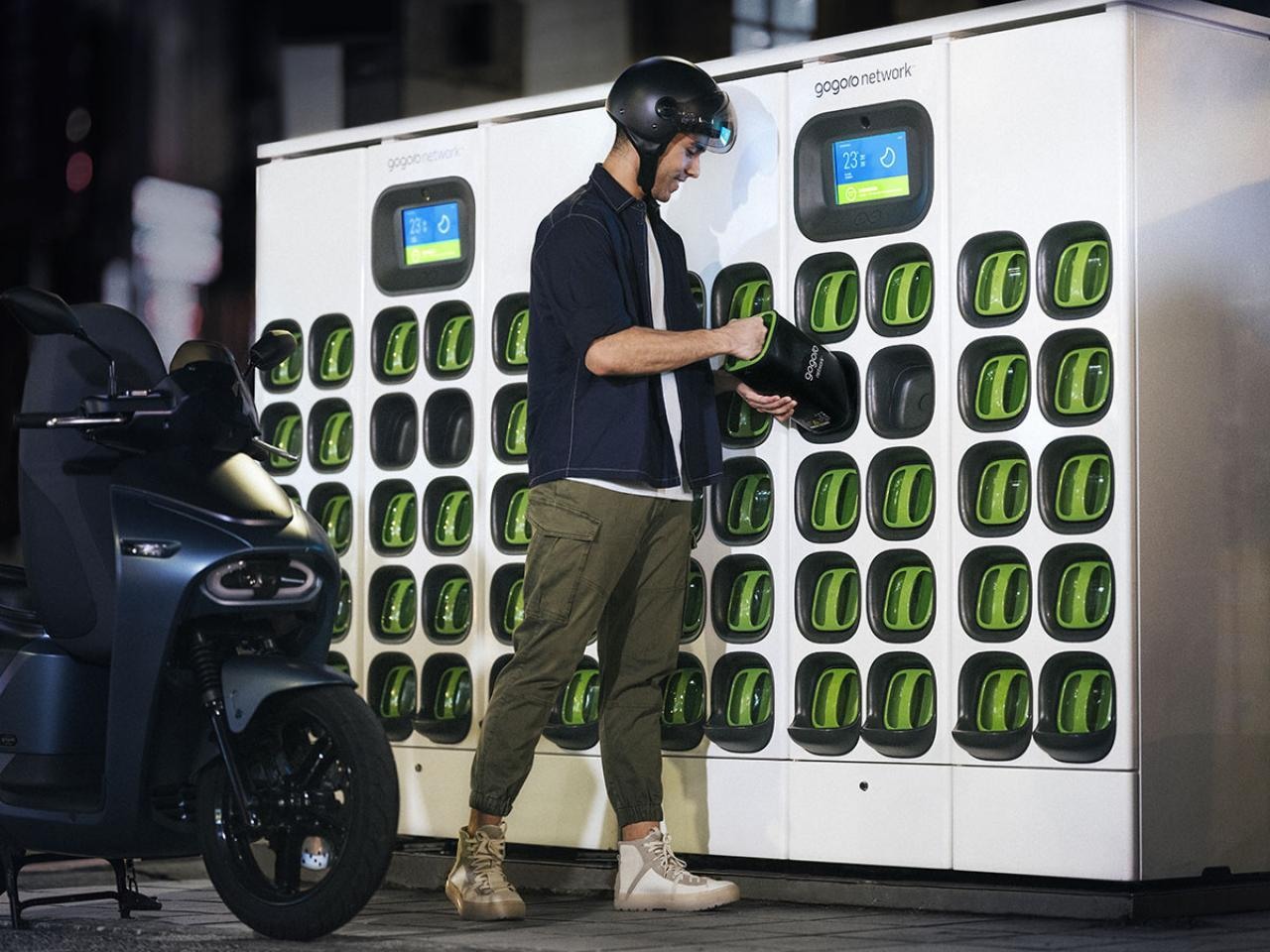
- FlexStack: Charges scooters completely in approximately 10 minutes.
- FlexGrid: A DC fast charger that does not require costly transformers.
The firm has employed over 1,000 batteries and hopes to generate Rs 5 crore this year.
Would you complain about charging if your EV comes earlier than your dosa turns golden brown?
Real Impact: The Ease of Charging Changes Everything
Because nobody wants to grow old waiting at a charging station.
Charging speed isn’t just a statistic; it alters the way folks perceive EVs.
- Less Waiting, More Driving: Quicker than ordering a dosa.
- Scalable launch: Chargers that don’t require complex grids.
- Ready for anything: They perform, come what may.
Increasing numbers are making the switch because it’s convenient.
India’s electric vehicle two-wheeler industry is now valued at $2 billion, and Flextron aims to capture 12% of it within seven years.
If comfort sells chai at each corner, won’t comfort sell EVs on each street?
The Bigger Picture: An Evolution in How the Economy Operates
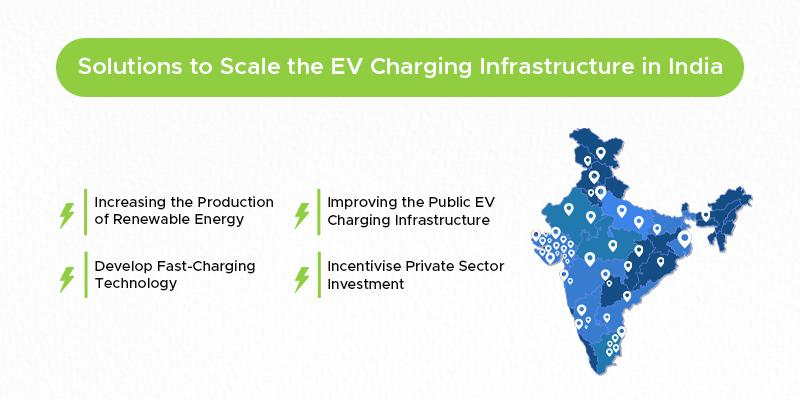
Fast-charging isn’t just about wheels, it’s about wallet power too.
Fast-charging battery innovation doesn’t occur in isolation; it creates economy changes:
- Jobs and new companies: Engineers, battery manufacturers, and electric vehicle service technicians.
- Urban Planning: Cities might transform depending on where the fast-charging stations are.
- Energy Infra: More environmentally friendly batteries place less pressure on existing networks.
- Consumer Spending: Increased savings and reduced expenditure on gasoline.
Electric car growth is good for the planet and the economy. Faster charging will be used by more people, which will result in more innovation and policy reform.
Will EV charging points become as ubiquitous as India’s chai stalls?
What’s Next?
Future is quick but the rules could be slow.
Flextron and CATL are paving the way. But will this catch on?
There are going to be issues, such as too many cars charging fast at the same time, unclear rules, and making charging stations standard.
For supporting a lot of rapid charging simultaneously, India’s power grid requires coordinated changes.
Flextron is beginning small and clever, expanding from Bengaluru to Mumbai, Pune, and Delhi. Meanwhile, CATL’s technology will likely make the largest automobile manufacturers in the world modify their models.
The future of quick-charging electric cars is near. But to create that future, technology, regulation, and infrastructure will all have to get into synch.
And if quick charging is the future, who is going to hit the gas pedal first, tech, government, or us?
Will the rise of fast-charging batteries push India to become a global hub for clean mobility innovation?