What’s Behind India’s Obsession with All Things Korean?
How K-Beauty, K-Food, K-Culture took over everyday life
Introduction
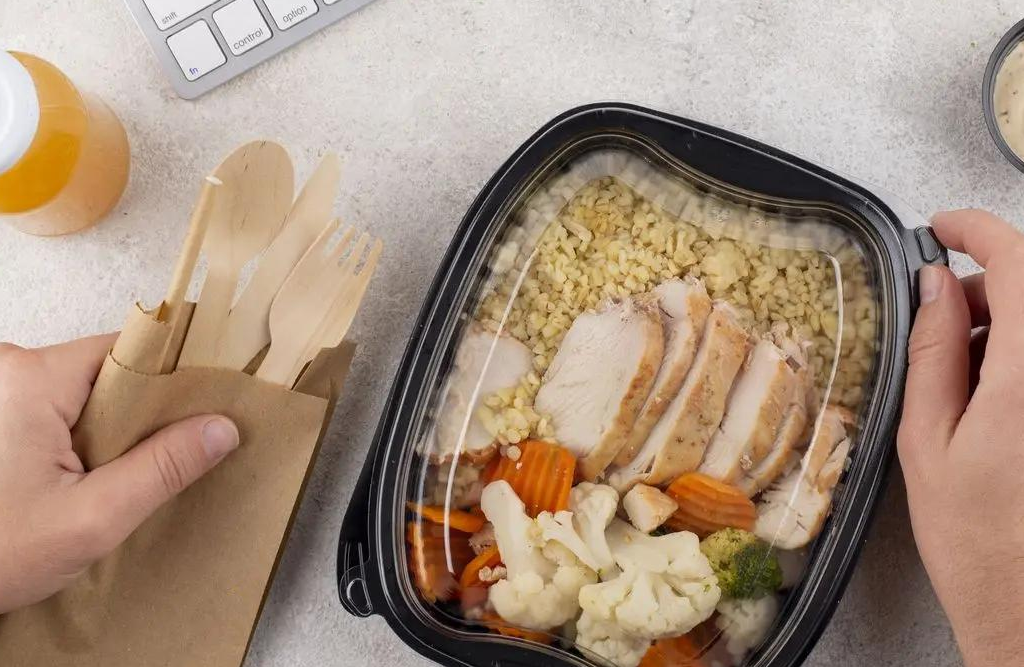
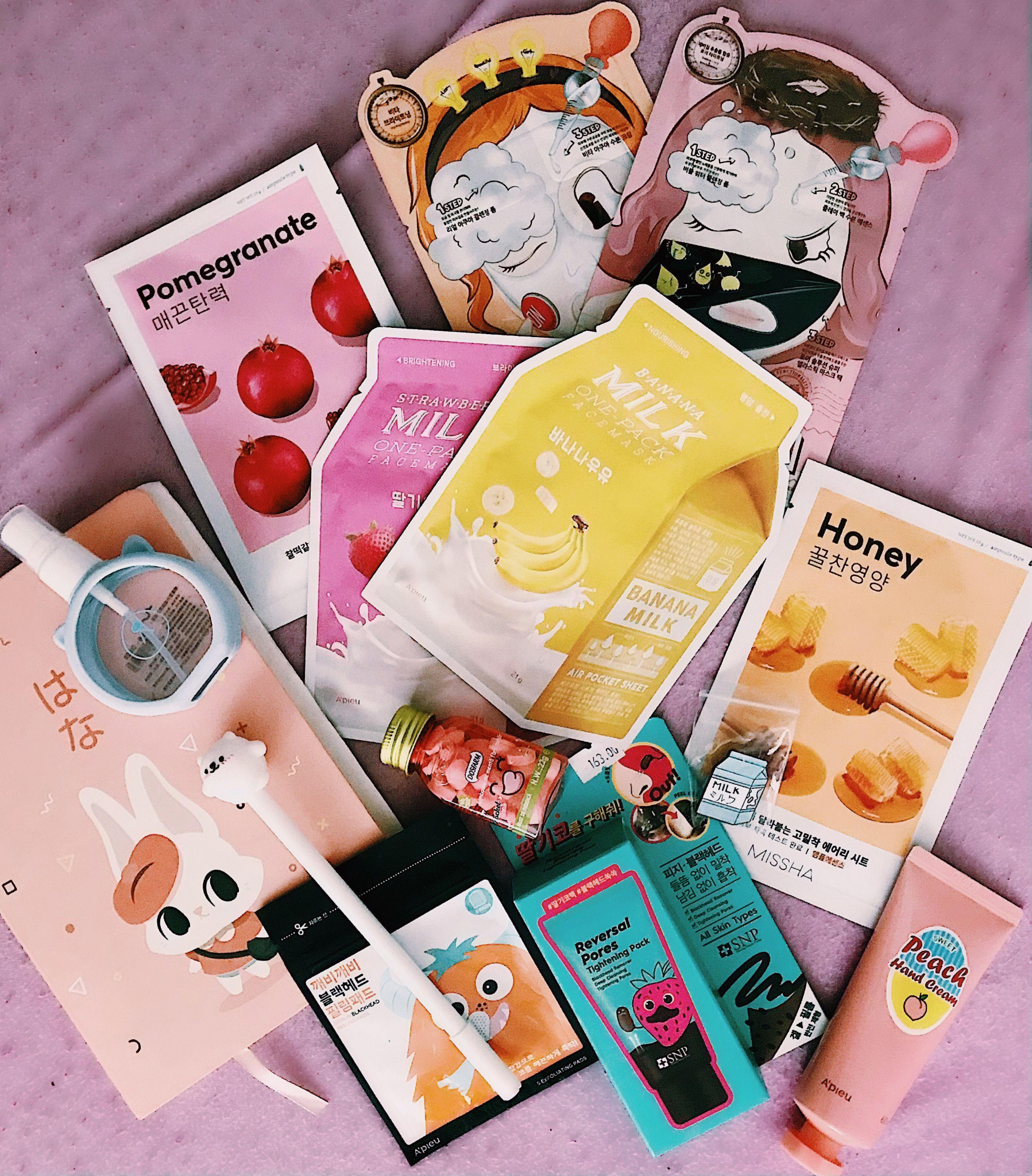
It’s 9:30 PM on a rainy night. You just got home from a long day. You are curled up with a face mask that smells like ginseng and green tea while the storm rumbles in the distance. A steamy cup of kimchi ramen warms your hands while you watch your favorite K-drama. You didn’t intend your night to go this way, but Korean food and skin care have become regular parts of your life that you didn’t plan for but are delighted to have.
Does this sound familiar?
If so, you’re part of a quiet but strong transformation that is happening all over India. This shift isn’t only about how you look or what you eat at night. It’s about who you are, finding out new things, and the increasing connection between two lively countries from different cultures.
Let’s speak about how Korean products, especially food and cosmetics, have gotten Indians’ attention, changed the way they shop, and become one of the most exciting business stories in the area right now.
This blog will teach you:
- Why Korean goods, including hot ramen and skin care, are becoming very popular in India.
- How Korean culture, such as K-pop, K-drama, and K-beauty, is influencing what people in India seek.
- Seo Young-doo, the man behind Korikart, shares the story of how he spent 11 years building a K-commerce bridge between India and Korea.
- How Indian clients are moving from being interested in Korean products to being loyal to them.
- What this rising demand means for Indian firms, imports, and the future of shopping throughout the world.
A Quick Look at How the K-Wave Has Grown in Indian Homes
First it was BTS, now it’s BTS (Biryani, Tteokbokki, Serums) filling up our lives.
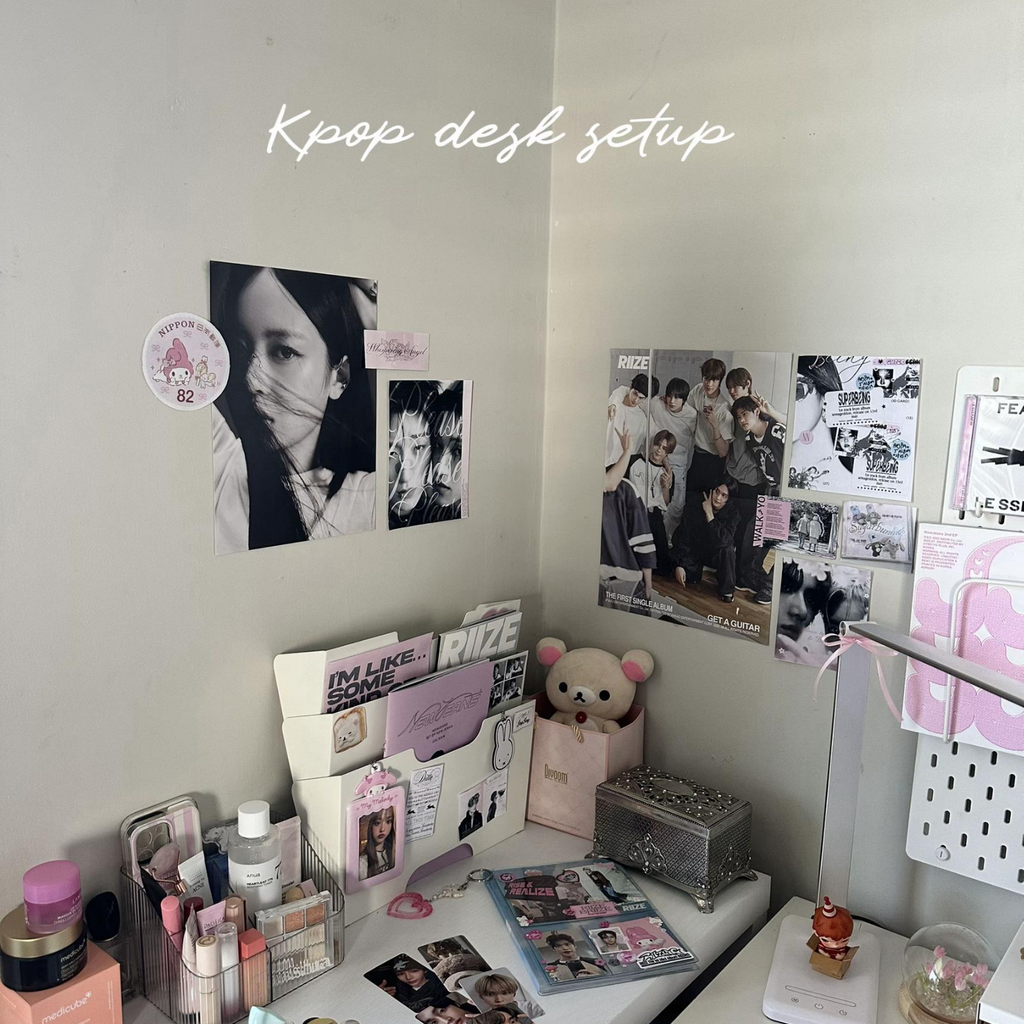
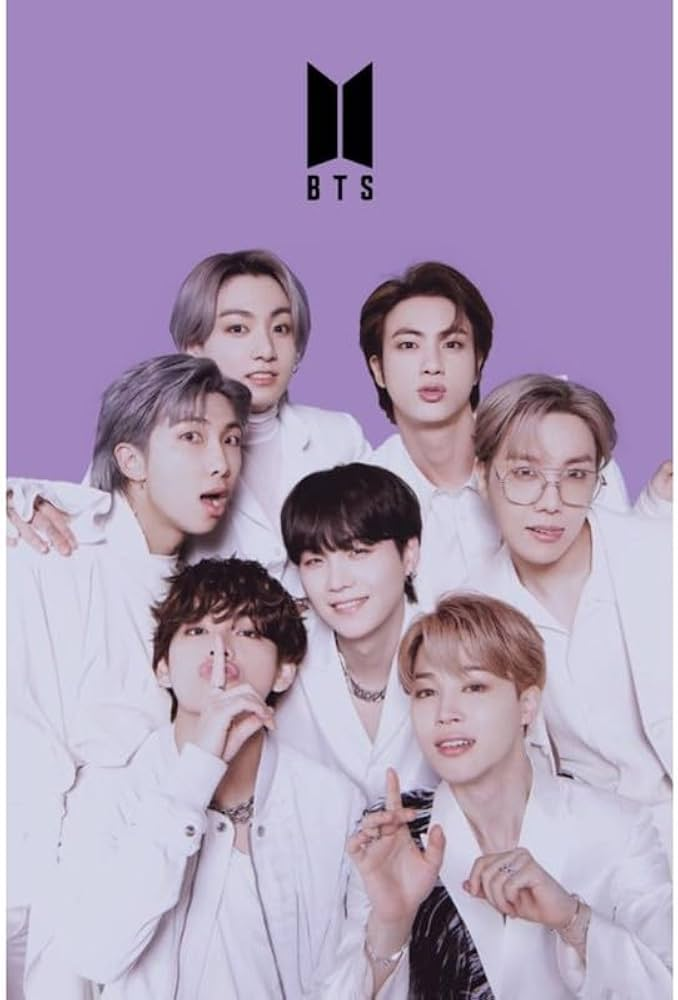
What began as fans of BTS and a lot of Netflix dramas has developed into a full-blown revolution in India.
Now, it’s not hard to locate Korean products anymore:
- Spicy instant noodles.
- Cosmetic serums that make your skin look dewy.
- Pantry must-haves, shopping cart staples, and more and more in our hearts.
The important point is this:
- In 2023, the Indian skincare market was worth $2,933.7 million. It should grow by 14.6% a year, reaching about $13 billion by 2034.
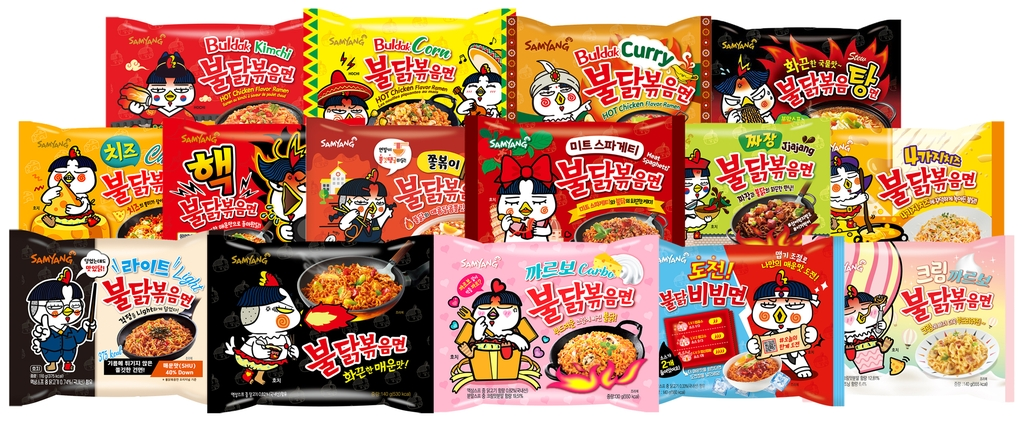
- Korean cuisine saw a 162% rise in noodle imports in 2020 compared to 2019. Nongshim and Samyang were two of the most popular brands.
- Food sales on sites like Korikart have gone up by more than 200% since 2017, and they aren’t going to stop there.
- According to Rakuten Insight, 39% of Indian women use Korean skin care products as part of their skin care routine.
But why now? Why Korea? And what is making this wave bigger?
Is it just hype, or is India finally ready to make kimchi and sheet masks as common as chai and Fair & Lovely?
How K-Drama Started a Trend Among Consumers: From Interest to Desire
Think about it:
- A character uses a serum.
- Her skin shines, like water and light had joined together.
- That one clip has been seen millions of times on Indian screens and has sold a million copies.
Korean culture has always had:
- An emotional side.
- Clean design.
- An emphasis on health.
- Real, relatable stories.
What makes it unusual? Its ease of understanding. You can enjoy Korean food, cosmetic care, and a lifestyle you want.
This deep emotional connection has turned fans into loyal customers and viewers into buyers.
If a fictional character can convince millions to moisturize, what more can real-life K-beauty and K-food do?
A Whole New Pantry Full of Ramen, Rice Cakes, and Other Things
From Maggi in 2 minutes to ramen in 5, India just upgraded its midnight snack game.
Why Indians love Korean food:
- It tastes good.
- The Indian palate already loves spicy, sour, and umami-rich flavors.
And the numbers back it up:
- Noodle imports are up 162%, and keep rising.
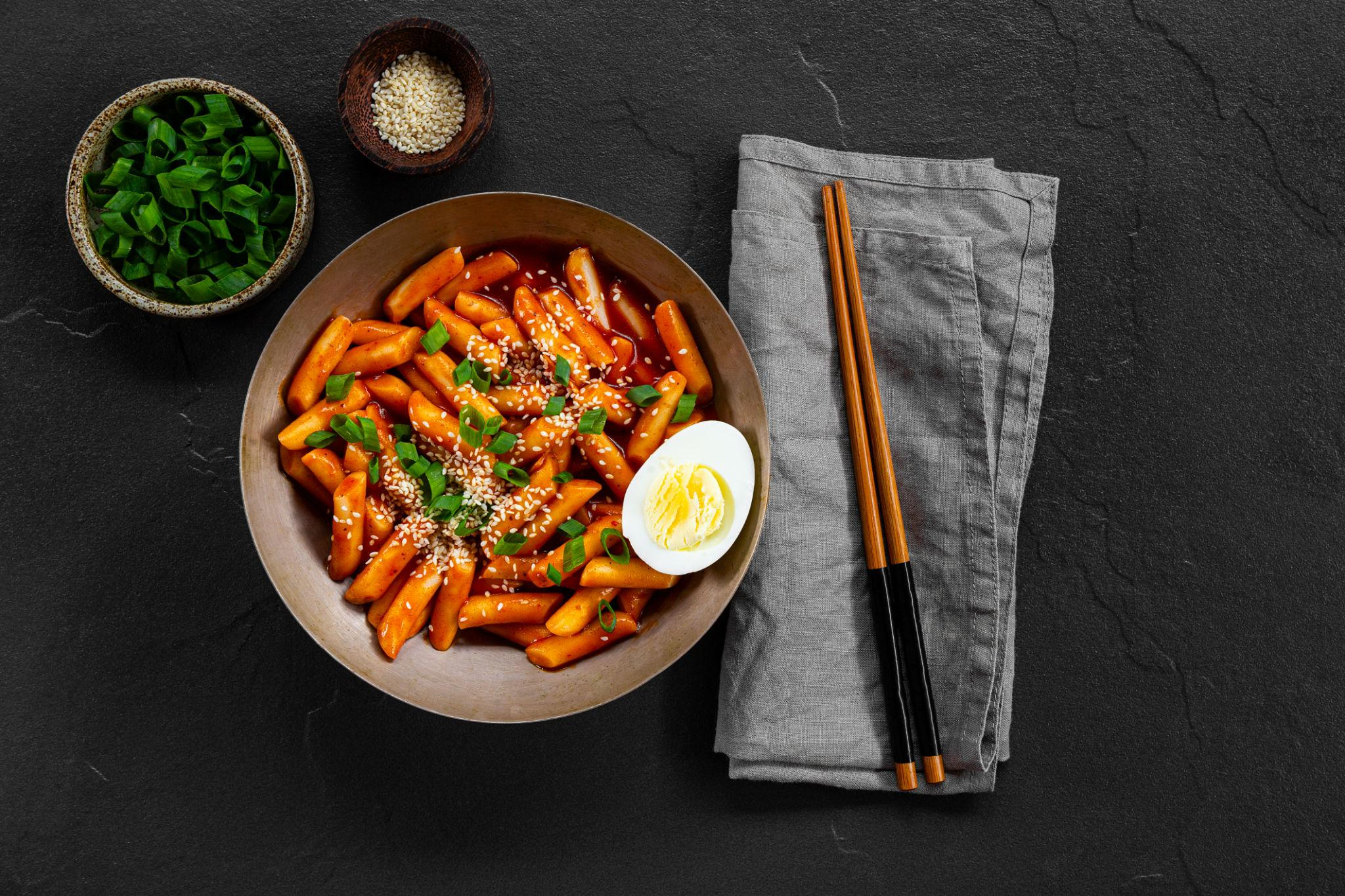
- KS Foods in Rajasthan has started creating Korean classics like tteokbokki, tofu, and rice cakes, using 80% Indian ingredients.
- People in Northeast India, Mumbai, and Pune are embracing Korean food more than ever.
Korean food feels like:
- Something new.
- Yet something familiar, like home.
Could Korean ramen one day sit right next to Maggi on every Indian kitchen shelf?
You Didn’t See It Coming: The Skincare Revolution: Sheet Masks and Serums
“Maggi may fix hunger in 2 minutes, but K-beauty fixes skin in 10.”
India’s skincare industry is changing fast:
- Himalaya and Biotique once ruled.
- But consumers are now more conscious of ingredients, health, and sustainability.
K-beauty is driving this revolution:
- Natural, cruelty-free, and very effective products.
- Focus on prevention, not just treatment.
- Sleek, minimal packaging, perfect for young, ambitious buyers.
And you’ve probably tried:
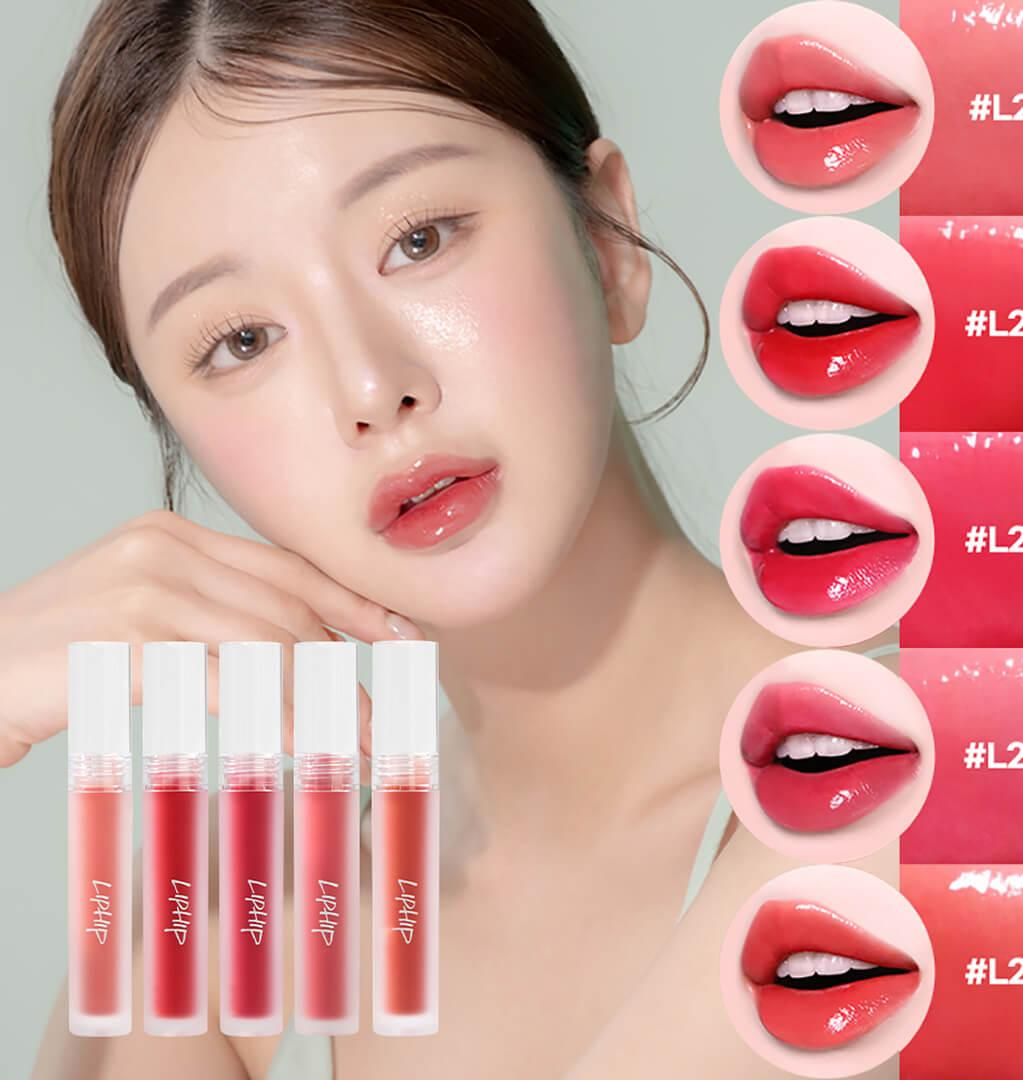
- A snail mucin essence.
- A brightening rice mask.
- A lip tint that hydrates while looking fabulous.
If sheet masks are the new yoga mats, is K-beauty India’s next wellness obsession?
Behind the Scenes: Business Models, Imports, and New Ideas
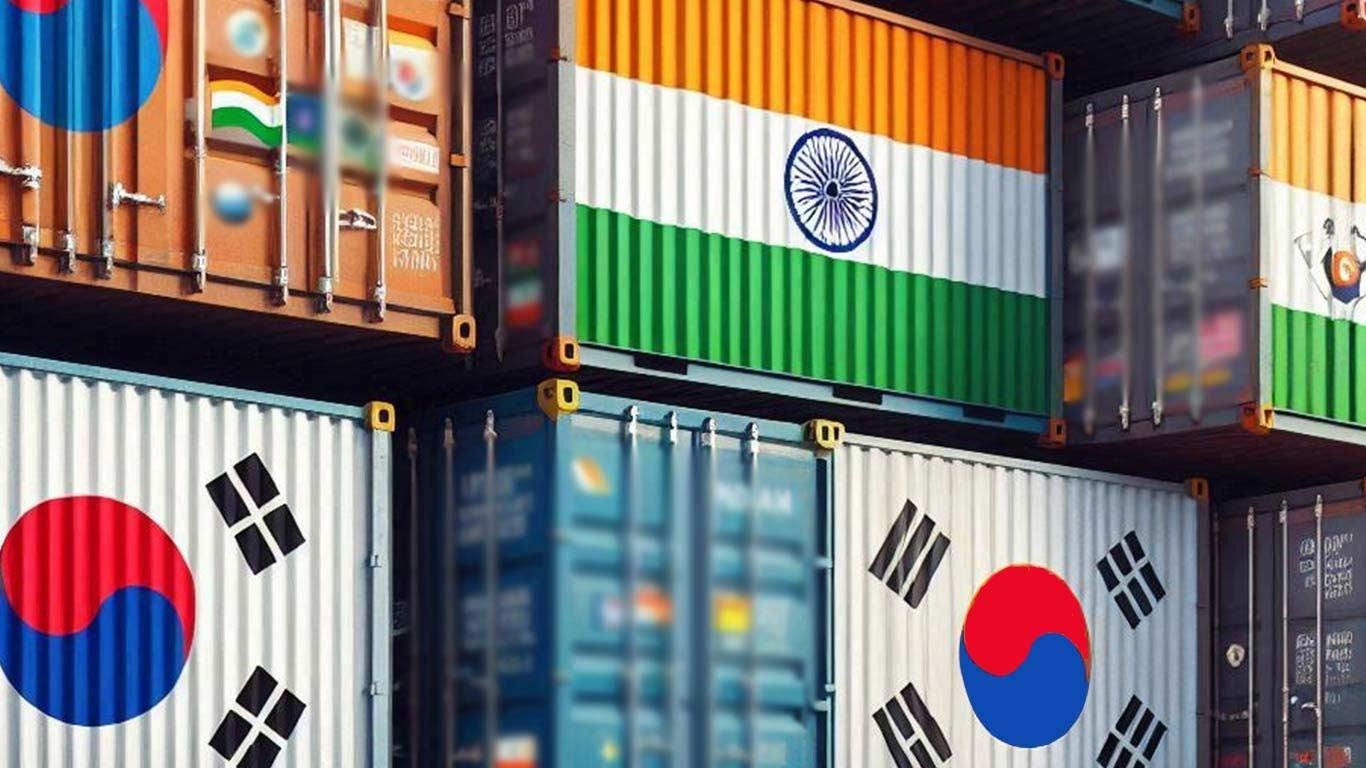
“Behind every glowing selfie is a well-oiled supply chain.”
This wave isn’t just fandom, it’s smart business:
- Korikart already has 70+ brands and 380 SKUs.
- It’s expanded beyond cosmetics into home care, hygiene, and lifestyle.
- KS Foods and Indian enterprises are producing Korean-style products locally.
- Restaurants like Iya’s Korean Kitchen in Pune still import ~30% of ingredients despite high costs.
If supply chains are this important, will the future of K-wave in India depend more on logistics than lip tints?
How did Seo Young-doo Spend 11 Years Bringing Indian and Korean Cultures together?
“Rome wasn’t built in a day. Neither was Korikart.”
The backstory:
- In 2009, most Indians knew little about Korea outside of dramas and music.
- Seo Young-doo saw similarities between Indian and Korean cultures — language, morals, values.
- His idea: a platform to bring Korea to Indian homes through products + experiences.
His journey:
- Launched Korikart, an e-store for authentic Korean food, cosmetics, and lifestyle.
- Focused on education + storytelling (like how to use a sheet mask, why gochujang matters).
- Spent 11 years building supply chains, trust with Korean brands, and understanding Indian consumers.
The results:
- Korikart helped set the stage for the K-wave, not just ride it.
- Now even ships Indian goods to Korea, deepening cross-cultural ties.
- From a quiet idea in 2009 to one of Asia’s busiest cross-cultural platforms today.
If one man can bridge two cultures with ramen and sheet masks, what bigger bridges could India and Korea build together?
Not a fad, but a way of life
Trends fade, but ramen and serums stay.
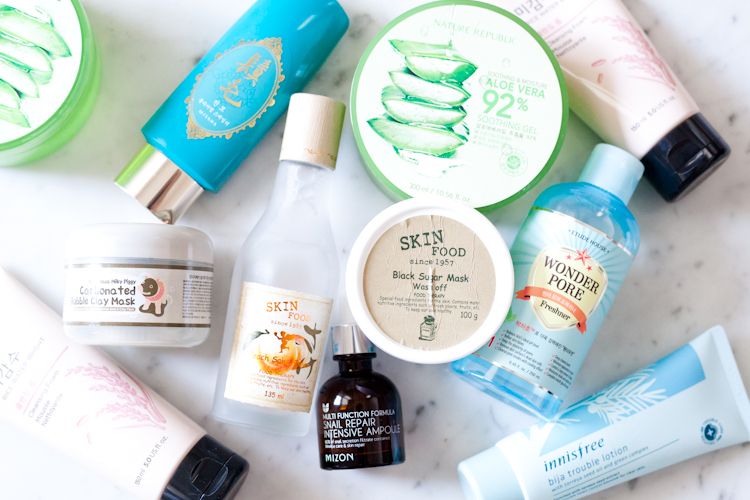
The K-wave isn’t hype, it’s lifestyle. Why?
- Power in the digital world: influencers showcasing Korean beauty and food.
- Transcending boundaries: young Indians open to mixing cultures, cuisines, and self-care.
- Value-driven shopping: Korean brands win trust with research-backed, honest practices.
Today, it’s personal:
- Not just about “going with the flow.”
- It’s about choices that make you feel good inside and out.
If K-wave is a lifestyle now, what other cultures could sneak into India’s daily routines next?
What comes next?
The big questions:
- Will Korean noodles ever be as popular in Indian homes as Maggi?
- Are K-beauty brands going to sit next to Lakmé and Lotus at drugstores?
The truth:
- We’ll have to wait and see.
- But Korean products aren’t just passing through India, they’re staying.
- The K-wave isn’t just fan clubs anymore; it’s in our pantries and bathroom shelves.
- For consumers, it’s about quality, storytelling, and self-expression.
Before you leave, ask yourself:
Are you also riding the K-wave?
And if not, what’s stopping you from trying a glass-skin gloss or a spicy ramen twist?
Let us know in the comments below!