How Tata Dresses a Billion Dreams: Inside India’s Fashion Empire
“Quick fashion isn’t just about speed. It’s about keeping up with the times.”
Introduction
And if there is one company that is quietly changing what India wears without needing viral videos or fashion week highlights, it is the Tata Group.
Are you surprised? Don’t be.
Zudio, Zara (India), and Westside are three very diverse fashion brands, but they all have the same powerful name behind them.
Yes, the same Tata that makes trucks, gives you breakfast tea, and books your flights.
But the real puzzle is how one company can run three fashion brands, each with its own price point, attitude, and customer base, without tripping over itself.
And perhaps more importantly, why would they do it?
Let’s go into this beautifully organised closet and look at some of the tactics that TATA is using!
The Big Change: Fashion Isn’t About Wanting to Be Like Others Anymore. It’s Right Away
People used to wait for Diwali or payday to get the newest outfits. Now they don’t wait for anything at all. Not even the times of delivery.
Indian fashion culture is going crazy. Thanks to:
- A growing number of young people
- Instagram trends
- The idea that “photo or it didn’t happen”
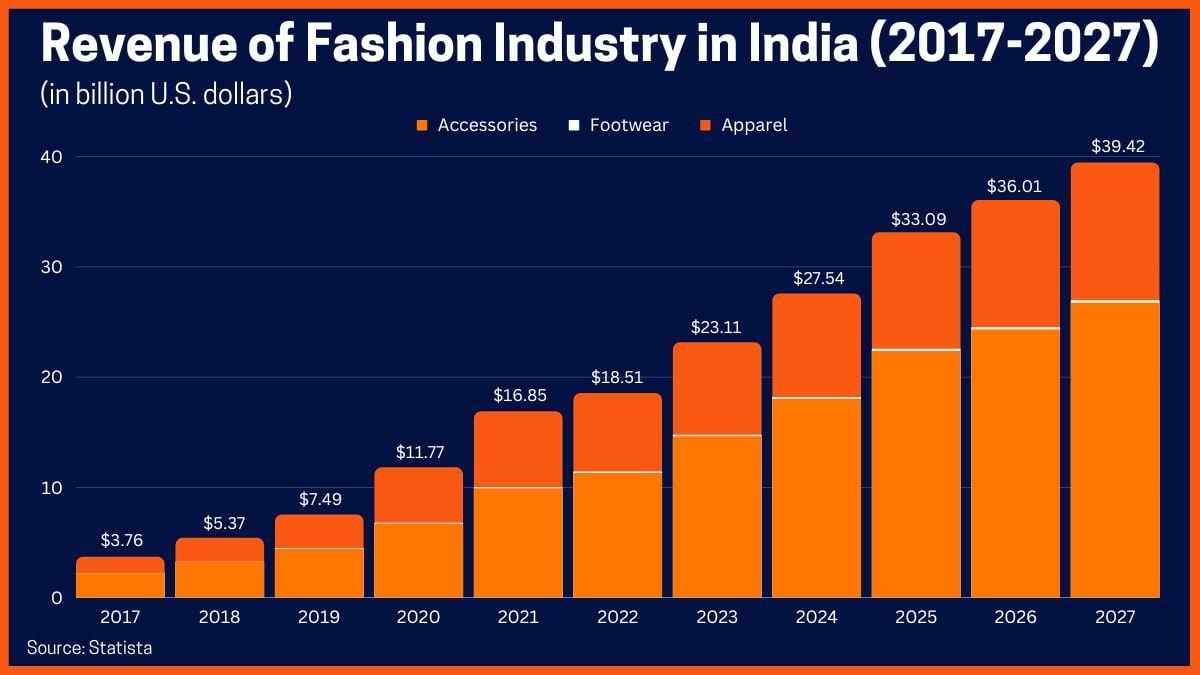
The clothing market is anticipated to reach $146.4 billion by 2032.
The trend of fast fashion is over. It’s a revolution.
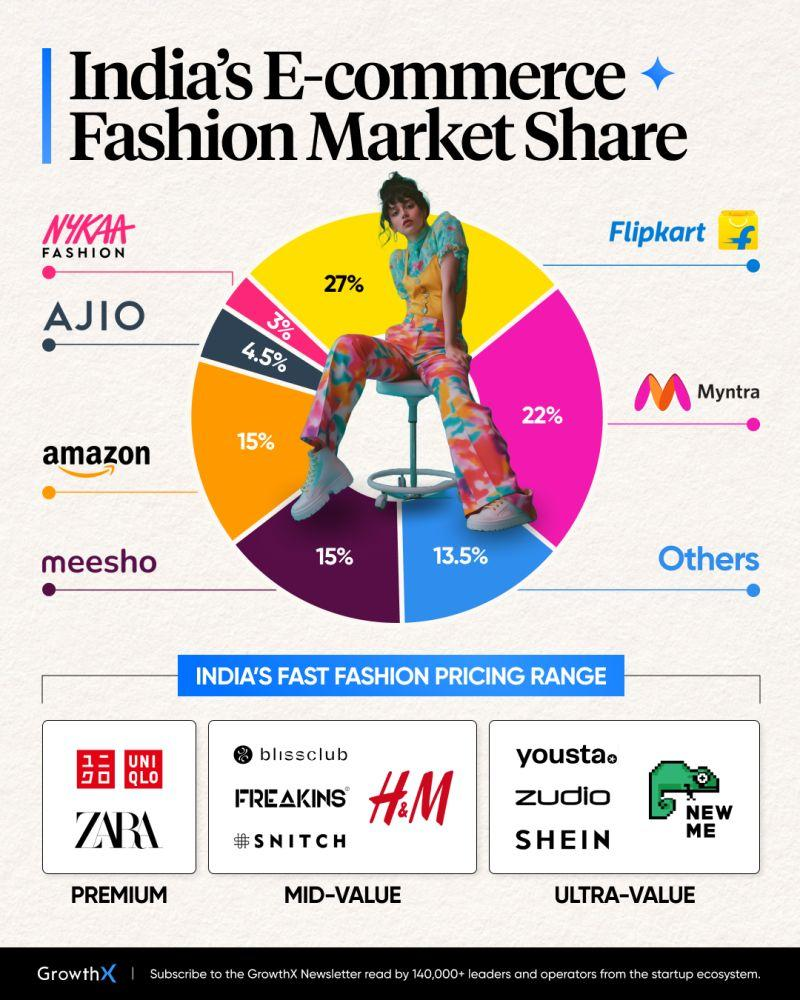
International brands like H&M and Zara earned a name for themselves in big cities, but they missed out on a big part of India’s pulse: the dreamers in the suburbs and small towns.
Tata’s Fashion Trinity: Zudio, Westside, and Zara India
A family. Three labels that are very different from each other. Let’s test them out, one at a time.
Zudio: The Fashion Disruptor That Made It Accessible to Everyone
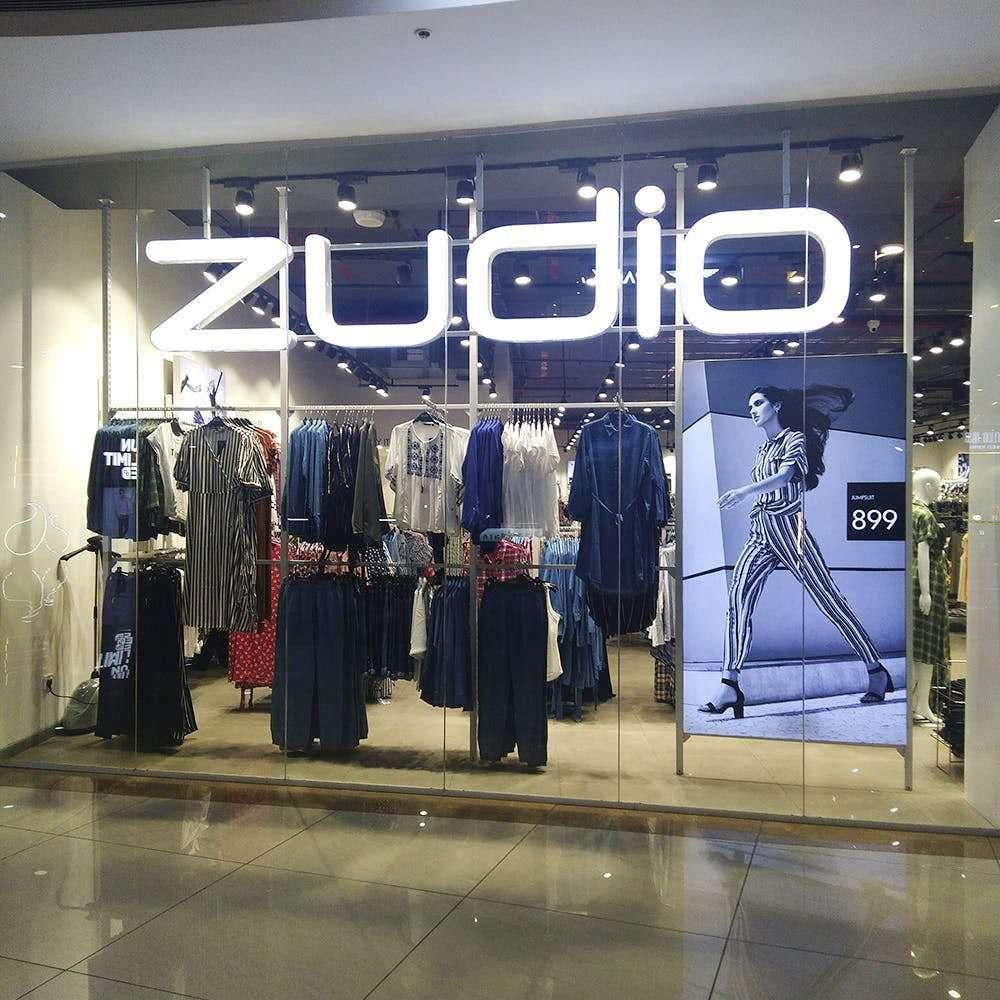
Zudio is not just a brand. It’s a revolution in itself.
It changed the game by offering tops, kids’ clothes, and necessities at costs that made people gasp. And here’s the best part:
It doesn’t feel cheap. It feels smart.
How is this possible?
- Production scale that the factory manager approves
- Zudio doesn’t spend money on ads; word of mouth and walk-ins do the talking.
- Tata’s strong backend and distribution power.
- A concentration on tier 2 and tier 3 cities, where demand was hard to find before.
Zudio didn’t go after luxury. It wanted to include everyone. And it worked.
Zudio has developed quickly by selling fashionable, inexpensive clothes to middle-class and small-town people in India.
As people’s disposable incomes rise and fashion awareness spreads on social media, Zudio is reaching a new group of customers who care about both affordability and style.
Zudio’s edge:
- Focus on middle-class shoppers and small towns
- Fashion designs that don’t cost too much
- Supported by Tata’s well-known brand name
- Quickly selling out of stock to get repeat customers
- Starts fresh boom in Indian retail
Why do so many young people wear Zudio on a whim these days?
Is it just the price? Or pride, being seen, styled, and smart on a tight budget? Fashion statement?
What if a girl from a tiny town, who never thought she’d be in fashion magazines, finds a store that gets her?
Zudio is not answering a need. It’s making a dream come true.
Zara India: The Style Icon for the First Generation to Swipe
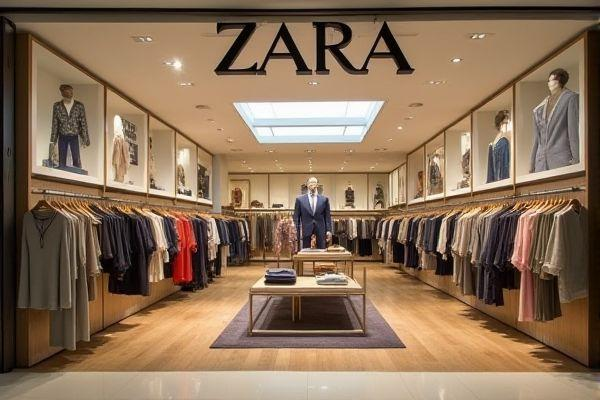
Zara doesn’t follow trends. It puts them up.
It’s like the release of an iPhone in the fashion world. Stylish, seasonal, and hard to find. And sure, a little bit too much.
Prices for dresses start at ₹ 2,000-₹ 2,500 and increase from there.
But Zara isn’t here to fight over pricing. It fights on cool.
What makes Zara so appealing?
- Micro-collections that get new items every two to three weeks
- Global design, picked out for India’s city dwellers
- Limited stock that makes people talk and want it
- There aren’t many discounts, because “sold out” is better than “50% off”
The price doesn’t matter. It’s a matter of desire.
Why do people choose one Zara top over five mid-range tops?
Is it the way it fits? What is the brand? The way of life it shows?
How does Zara stay fast and high-end without losing either quality?
Zara India knows its clients well:
- Urban professionals
- College students who set fashion trends
- Digital natives who shop with a purpose and gut feeling
Westside: The Indian Wardrobe Guru
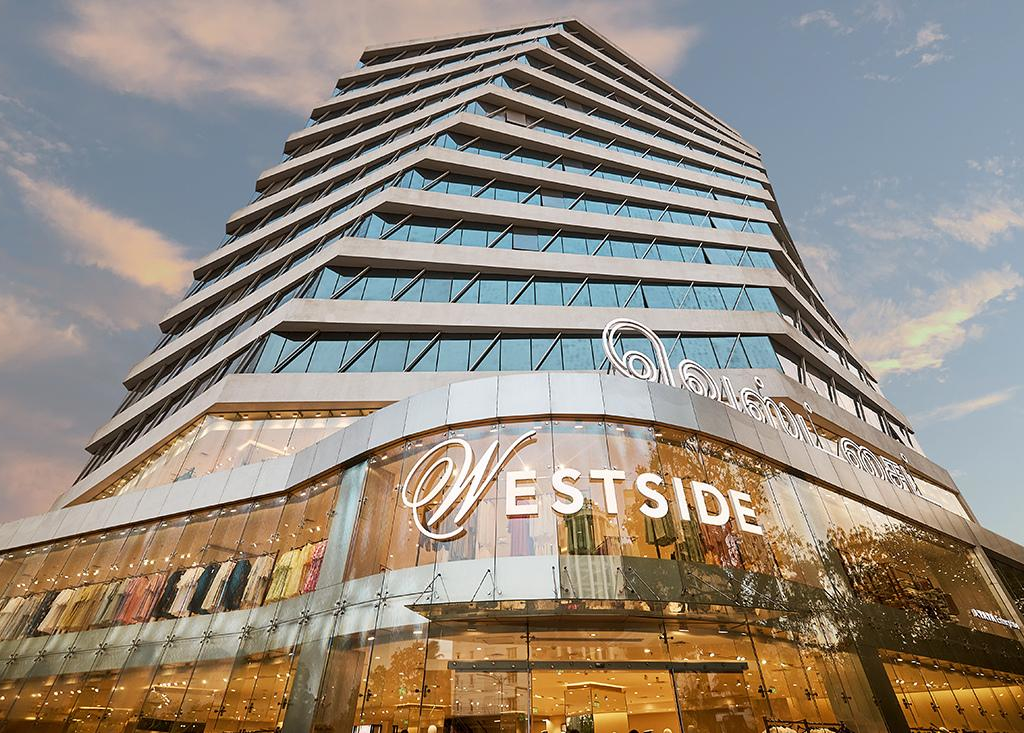
Westside never goes along with the crowd. It changes.
The older brother is cool, calm, and collected. He knows what’s good and plays with it with style.
Westside is the best place in India to find a balance between Zudio’s price-intellectuals and Zara’s high-end savvy.
Westside’s offerings:
- Kurtas, skirts, and casual clothes that cost between ₹699 and ₹2,999.
- The majority of the merchandise, 97%, are in-house brands.
- Regularly, the Fast N Fab collection drops new styles (Ref4)
- Psychological pricing that works: ₹999 sounds better than ₹1,000.
Westside isn’t loud, but it stays around.
It’s the most popular choice for:
- Working people
- Family shopping
- People who want to look good every day and get good deals
Is Westside India’s greatest overlooked fashion success story?
How many brands can combine the attitudes of tier 1 cities with the sensibility of tier 3 cities and yet make money?
Why does a customer trust Westside for both wedding kurtas and work clothes?
Westside may not get a lot of press, but it does get a lot of loyalty.
Linking Strategy Across a Nation
Take a second to look at the stitching here.
Tata hasn’t made three brands that compete with each other.
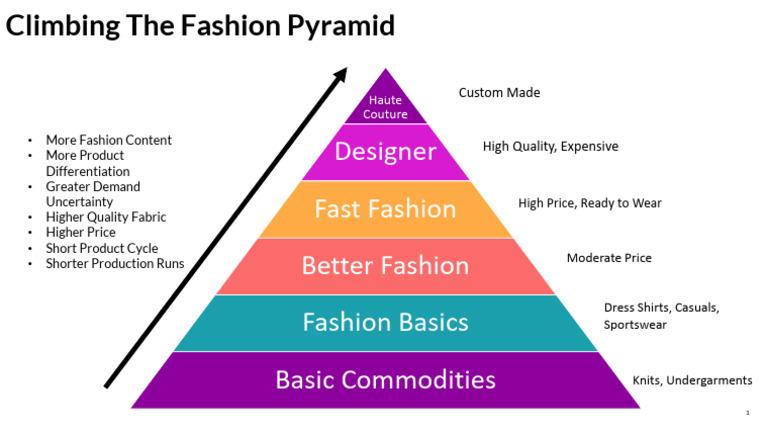
It has constructed a fashion pyramid, with each level made for a distinct group of people.
- Zudio is for young people on a budget who live in towns and developing cities.
- Zara is supposed to appeal to the wealthy urban elite with its trend radar and checkbook power.
- Westside is for the reliable mid-market explorer who wants everyday style.
This isn’t eating up other things. It’s planned design.
Every company understands exactly who they’re outfitting, what they want, and how much they’ll pay.
That’s segmentation with heart.
What the Numbers Look Like
Let’s talk about results, not fashion shows.
- In three years, Zudio’s sales went up by 3.5 times. By 2026, it will bring in 66% of Trent’s money.
- In FY23, Zara India made 77% more money with only 20 stores.
- In 2024, Westside made ₹40 crore in sales online.
What makes a fashion brand grow like a tech startup without utilizing influencers or billboards?
Are we seeing the rise of India’s first fashion industry that started in India?
Kavya Iyer, a fashion expert, says it best:
Tata didn’t make brands to dress India.
They made them to show off one part of India, one style at a time.
The Tata Way: Smart Fashion, Quiet Revolution
Tata doesn’t want to be famous on the internet.
There won’t be any fashion Twitter trends or runway shows where it shows off.
The plan is simple:
- Stay focused on the data
- Stay demand-driven
- Design with thought, not impulse
- Let actions speak louder than campaigns
While others march, Tata ships. Trustworthy.
More Stores, More Segments, and More Styles Are Coming Up
- By 2026, Zudio will have more than 1,000 locations and is getting ready for a big bang deployment.
- Zara India is focused on being environmentally friendly and growing slowly.
- Westside is growing its lifestyle verticals, which include e-commerce and home decor.
Tata isn’t simply in the apparel business.
It is making the board.
Final Stitch: So, Who Are You Getting Dressed For?
Fashion is never just fabric in a country this complicated.
It’s who you are. It’s want. It’s about access. It belongs.
Tata didn’t strive to put India in one uniform.
It made clothes that show India’s layers, lives, and places.
How do you think Tata’s strategy of having many brands has changed the way Indians buy clothes today?
So the next time you wear a Zudio shirt, a Zara coat, or a Westside kurta, think about this:
What problems can Tata run into as it tries to keep Zudio, Westside, and Zara India independent while also growing?
Please let us know in the comments below!