Could AI Be the Customer Support Superpower Every SMB Needs?
From reactive support to predictive intelligence : How small businesses are embracing AI to outperform their competitors
Introduction
AI is developed to assist small and medium-sized enterprises (SMBs) even before their customers are aware that they require help.
When a customer complains, it’s often too late to address the issue. In this day and age everything is interconnected. People no longer trust you; they’ve left negative reviews, and their carts are empty. The damage is already done. Ouch. But what if your business had a “fortune teller” that spotted problems before they blew up?
This is how to think about it : There are a lot of abandoned carts at a modest online retailer. Instead of getting angry emails, AI finds a broken payment connection, tells the team, and delivers an apology and a discount to the clients who were affected, all before the customers even know something went wrong.
That’s what AI that works ahead of time can do. It won’t just be for the big folks in 2025. Small and medium-sized businesses (SMBs) are entering the age of AI, when AI becomes a strategy.
What This Blog Will Teach You
This blog discusses the way AI is transforming the manner in which small and medium-sized enterprises (SMBs) manage customer care. From being a cost centre that responds to issues, it is presently a revenue engine that strives to resolve them. Here’s what we’ll discuss:
- What is proactive AI customer service?
- How AI is the best option for SMBs
- Aspects that make human beings use AI more effortlessly
- The optimal ways to make the implementation function effectively
- Success stories in social commerce, retail, and telemedicine in real life
This is your opportunity if you have a small business or own one.
From a Crisis Hotline to a Way to Make People Happy
Customer service previously resembled calling the fire department, too late, the house burns already.
Customer service was once all about problem-solving. Customers now prefer that companies know what they need before they tell them. They want things done to solve the problem before they complain, or better still, before they realize there is an issue.
The biggest strength of AI is to correct issues, make things better for everyone, and to do things right away.
Isn’t it preferable to be the firefighter who keeps the fire from happening rather than the one with a half-full bucket?
In what way does AI make small businesses appear large?
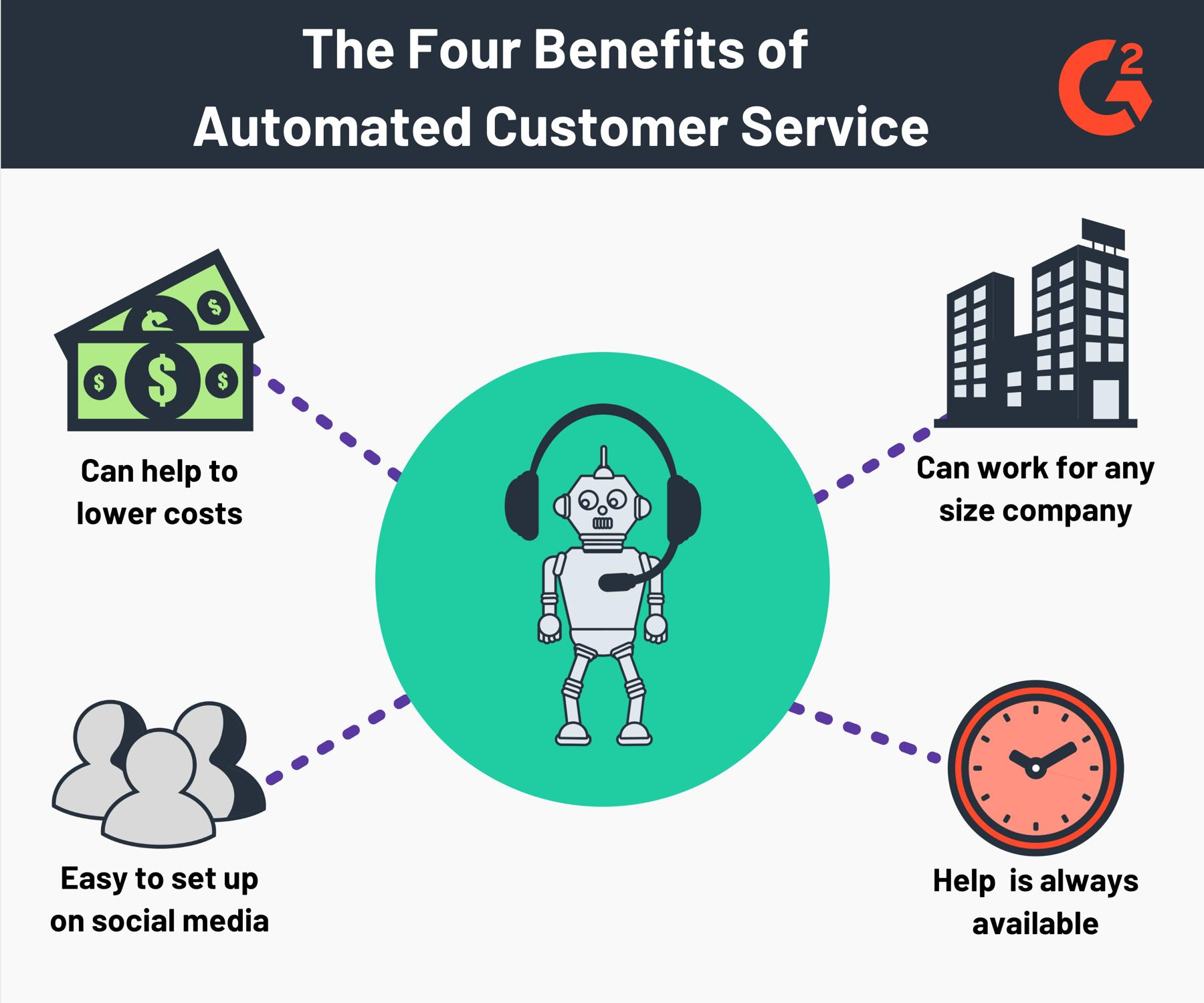
Consider AI as the business attire that makes each SMB Fortune-500-capable.
Small and medium enterprises once had trouble applying AI technology or viewed it as too costly. However, times are rapidly changing.
A 2024 DigitalOcean Survey reported that :
- 43% of small and medium-sized enterprises (SMBs) are already using AI.
- 78% plan on increasing their usage in the following year.
- The primary applications of AI usage up until now have been in software development and data analytics. However, recent studies now indicate that customer service and engagement have taken the forefront with 80% adoption rates in some sectors.
Why? AI enables small and medium-sized enterprises to get what they desire most : smart, efficient work.
Let’s break it down :
Predictive Analytics
AI examines information on customers to determine what they could need.
For example, an online store discovers that those customers purchasing printer ink return every six weeks. AI sends messages and makes deals automatically, which drives sales and causes customers to return.
Considering how you feel
AI can sense how individuals are feeling through their reviews, interactions, and calls.
For instance, a salon picks up on a negative review when the customer is present and offers them a complimentary touch-up upon their departure before they post an ugly review.
Observing others’ behavior
AI notices odd behaviors as they occur.
For instance, a SaaS company notices consumers struggling to log in. AI initiates a tutorial within the app, which prevents the AI from reaching out for help.
If AI can predict when you’ll need new printer ink, can it also predict when you’ll need a coffee refill?
A Real-World Success : Leo Coffee’s Digital Transformation
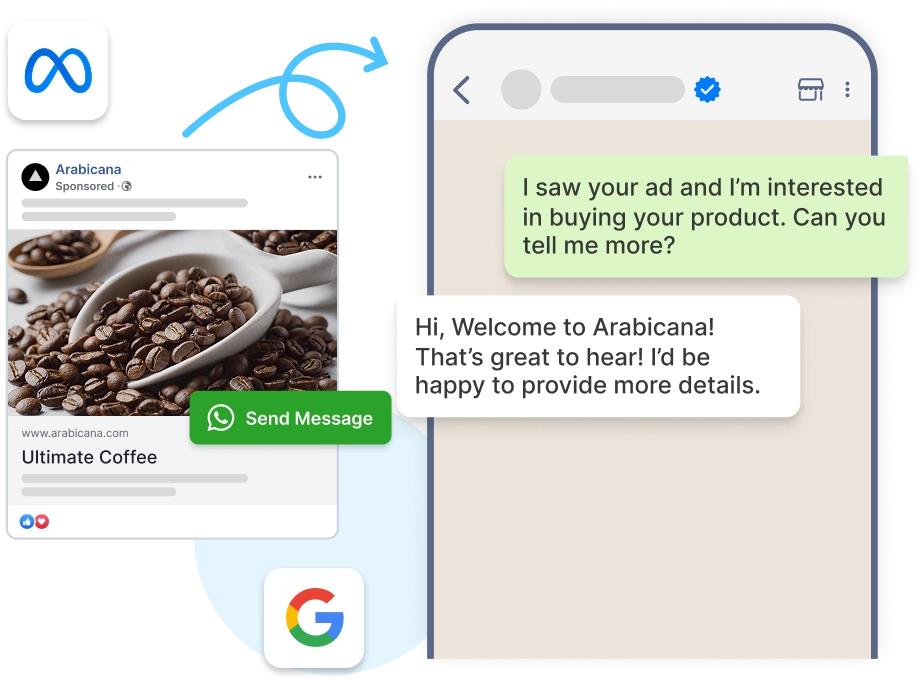
A 100-year-old coffee brand met a 21st-century problem, and AI was the extra shot of espresso it needed.
When COVID-19 struck, 100-year-old South Indian brand Leo Coffee, which was so popular, had to struggle. When the stores were shut down, customers inquired more on the internet.
Leo did not succumb to the pressure. On the contrary, he collaborated with Yellow.ai to implement AI-driven chat and voice assistance on their website, WhatsApp, and Facebook.
Key Outcomes :
- Sales reached ₹1.5 lakh in a matter of days.
- Responding with 100% accuracy
- Help that happens automatically all the time, with interaction that feels like a real person.
People used to think of Leo Coffee as a legacy brand that was good with technology, but their swift switch to AI during the lockdown changed that.
Who needs baristas when your chatbot can brew up answers 24/7?
Voice Bots for Indian Small Business Owners : The AI Makeover of Meesho

Too many customers? That’s the “good problem” Meesho had. AI rode to the rescue like a multilingual call center superhero.
Meesho, one of the leading players in social commerce, had a different issue: they had become too successful. Numerous small businesses scrambled to make use of the platform, which meant that it was hard to access support.
Meesho launched an English and Hindi AI voice bot late in 2024, which sellers could use to respond to queries over the phone.
Key Outcomes :
- Over 60,000 calls are answered daily.
- All but a few inquiries were handled without assistance from an individual.
- Wait times and costs are reduced.
- Levels 2 and 3 entrepreneurs could do more because they were able to access support in their own language.
It wasn’t merely about the tech; it was also about engaging everybody. Meesho’s AI phoned up sellers and spoke to them in their own language and at their own pace.
Isn’t it crazy when robots speak your language better than your relatives at family weddings?
How to Start Without Getting Overwhelmed
Adding AI isn’t about replacing your entire business in a single night, think “training wheels,” not rocket launch.
Even the best instruments can be dangerous if you’re not careful. Here’s how to add AI to your customer service stack without using up all of your team’s bandwidth.
- Start with a little bit.
Test AI on one task, like answering frequently asked questions, before you use it for more than one. - Use What You Have.
Inject AI into your existing support desk or CRM. You don’t have to dismantle and rebuild. - Train your staff.
AI and support staff shouldn’t be at war with each other; they should complement each other. Train individuals to better equip them in AI. - Watch it intensely and tweak accordingly.
AI improves the more you use it. Regularly check performance, get feedback, and make small tweaks as necessary.
Isn’t “baby steps with AI” preferable to “AI devoured my entire business strategy in one night”?
Bonus: Telehealth AI assists many people in recovering quickly
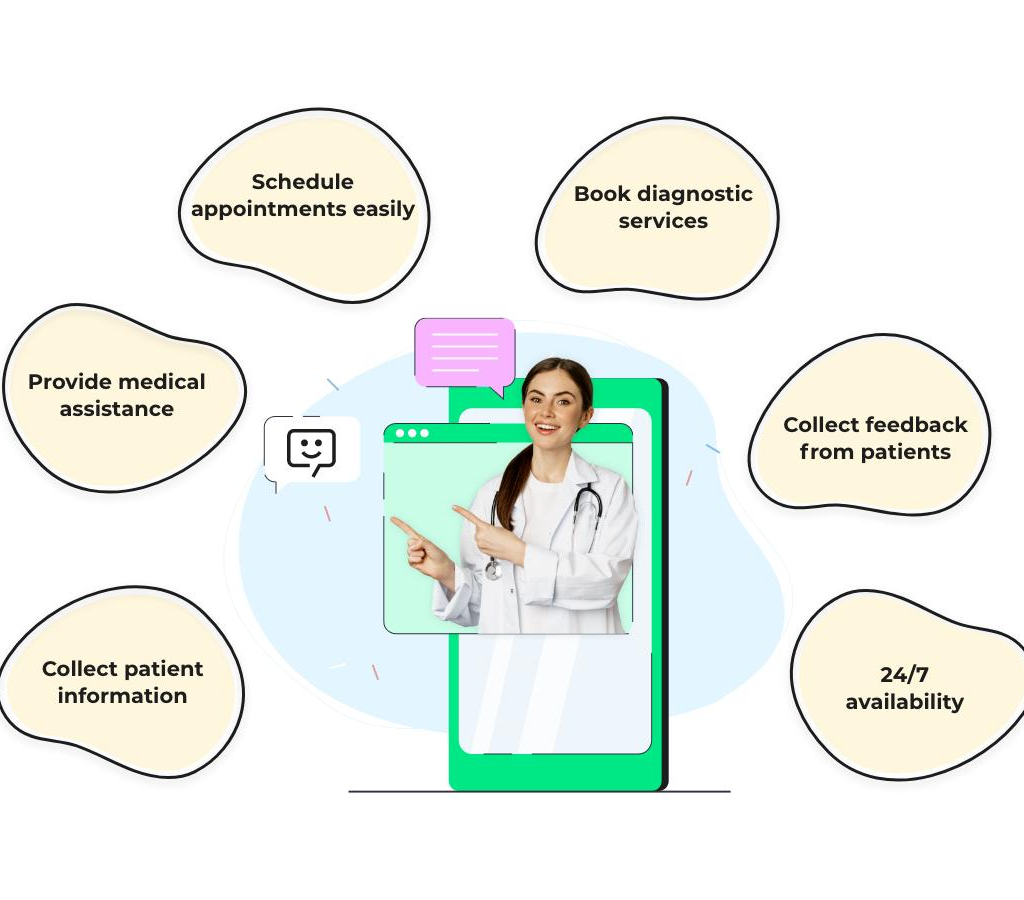
When physicians are swamped with patients, AI is the sleepless stethoscope.
During flu season, a telemedicine firm was so busy. Patients were displeased because they waited a long time and missed follow-ups.
They included AI in their Salesforce Health Cloud as a remedy for the same. It screened for symptoms, scheduled follow-up appointments, and sent them home with their prescription.
Key Results :
- Response times were 30% faster.
- Better care that doesn’t change
- More satisfied people
- Sharing data between systems is easy.
A layer as thin as that of AI turned what was once a yearly mess into a constant stream of assistance.
Isn’t it nice when your “doctor’s assistant” doesn’t need coffee breaks or lunch hours?
In short, AI is not the future; it is here now.
Small and medium-sized businesses (SMBs) form the backbone of India’s economy, contributing around 30% to GDP and employing over 60% of the workforce.
It is the second-largest job creator sector after agriculture, with more than 7 crore enterprises.
They can’t afford to lag behind when it comes to using AI.
Do it right now!
Don’t wait until your customer service is too busy or your name is on the line. AI isn’t just a new tool; it’s a whole new approach to running a business.
Now it’s your turn : Do Something Before They Ask.
How can you use AI in your business to save time, understand the pain points of your customers better, and make every decision better?
Let us know what you think in the comments below!