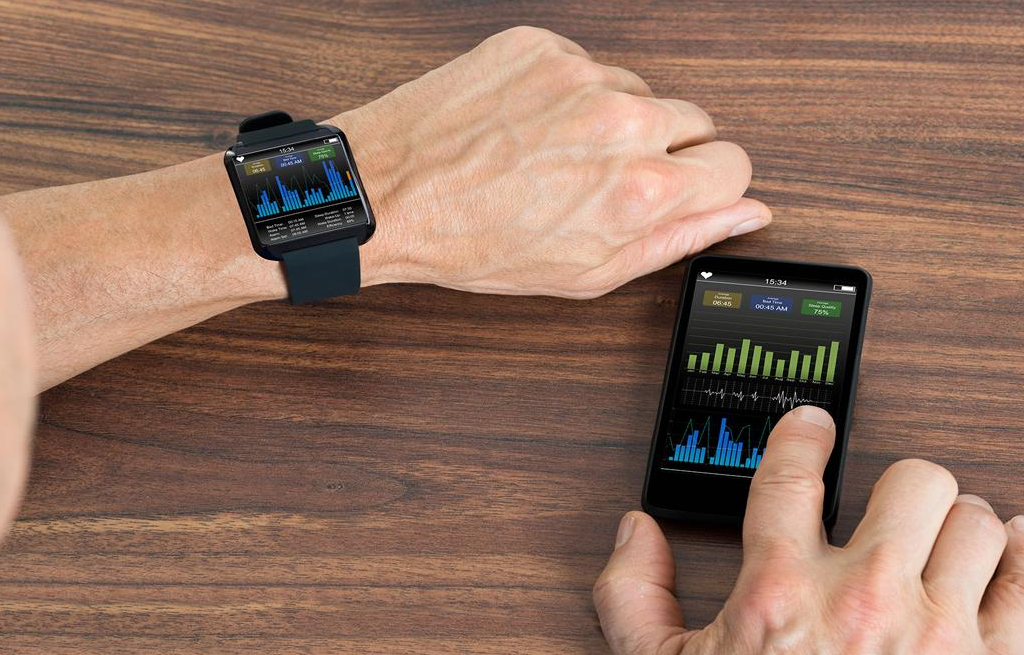
How has UPI powered the Personal Payment Puzzle for Every Indian?
The invisible revolution powering everyday payments
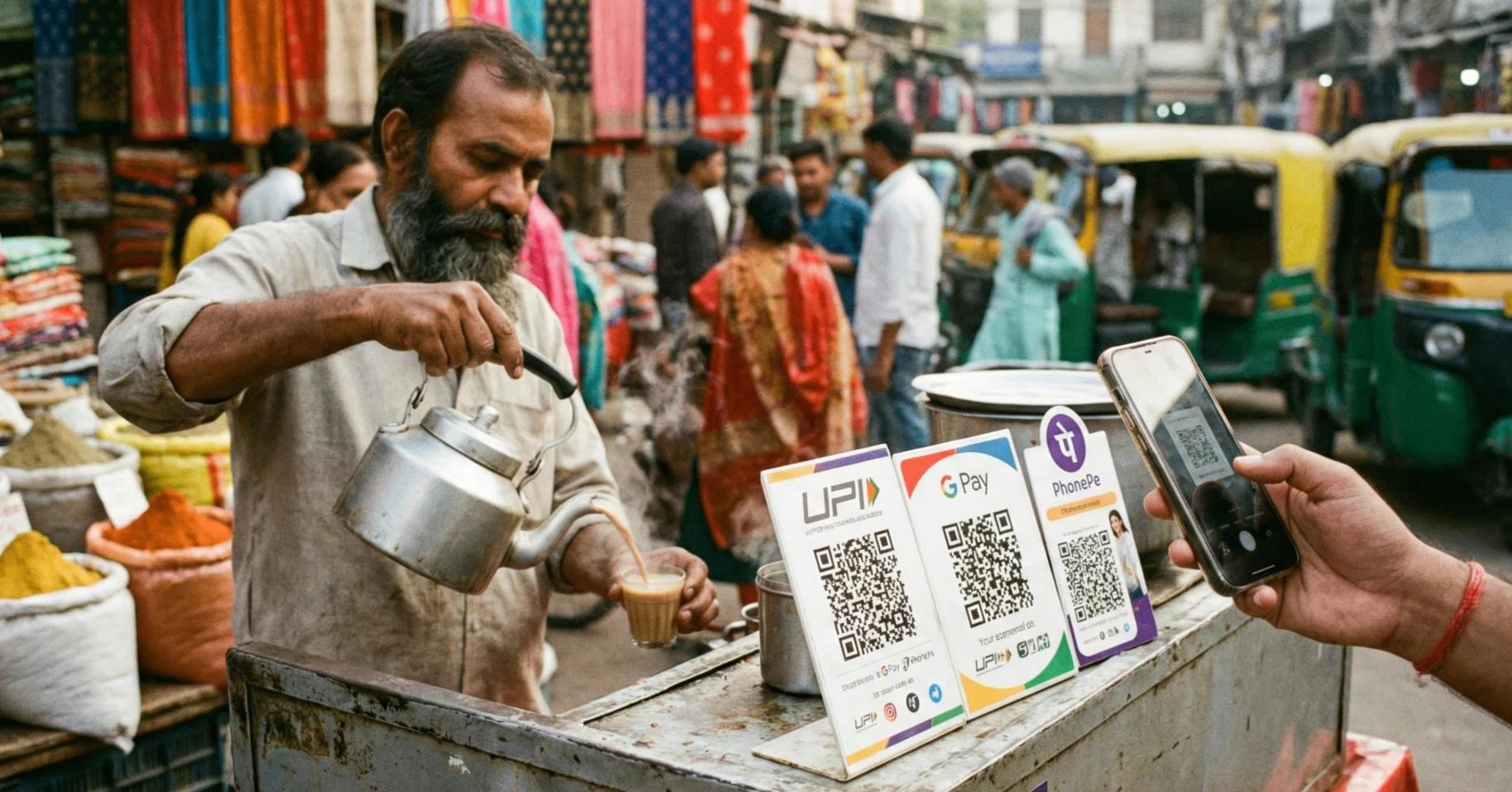
Ten years ago, chai payments were a test of patience.
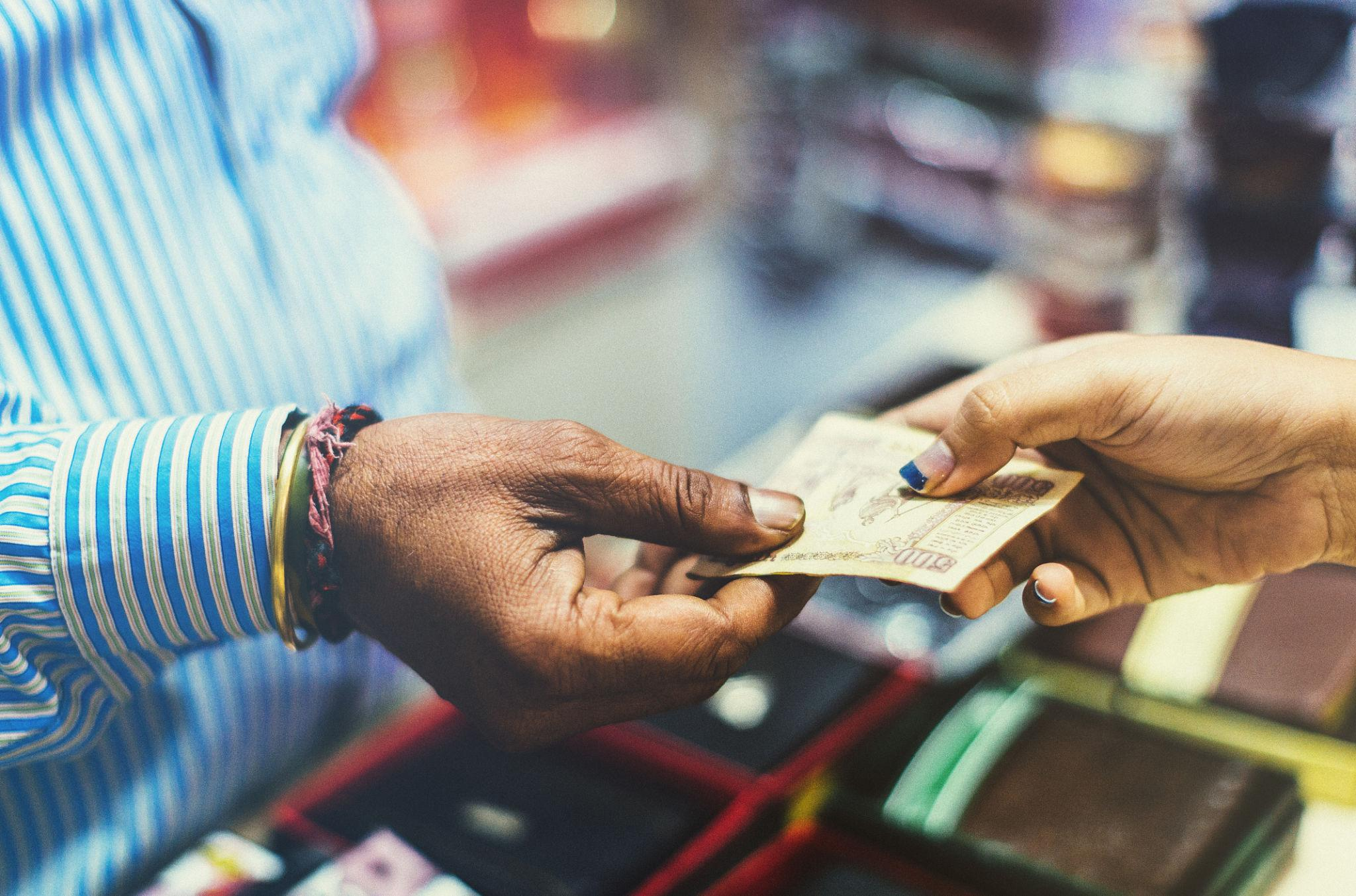
You’d dig for a ten-rupee note, the chaiwallah would hunt for coins, and both of you sighed at the inconvenience.
Fast forward to today:
You walk up, see a grimy plastic rod with a QR code, scan, tap, sip, done.
What feels like a tiny, mundane moment is actually a giant leap: India going cashless, one cutting chai at a time.
We didn’t notice the fireworks because there were none. Instead, this revolution hid in phones in our pockets, QR codes on street corners, and a generation open to change.
So, here’s the kicker, when was the last time you fumbled for change at a chai stall?
From Loose Change to Lightning Payments: India’s Digital Love Story
It didn’t start with a bang. It began with small, invisible shifts:
- A student buying coffee.
- A trader waving a QR code.
- A parent receiving subsidies directly into their phone.
For decades, cash was king. But convenience came with big restraints:
- Banking meant long distances.
- Off-peak timings killed flexibility.
- Endless paperwork drained patience.
Then came the perfect storm of progress:
- Cheap mobile phones flooded both rural and urban India.
- World’s lowest mobile data prices made internet accessible.
- Aadhaar gave citizens a secure digital ID.
- Jan Dhan Yojana brought millions into banking.
- UPI launched: free, instant, seamless.
- Demonetisation (2016) forced millions to try digital payments out of necessity.
This wasn’t just digitisation. This was speed meeting trust. Money wasn’t just “owned and saved” anymore, it became handled, tracked, and lightning fast.

The Numbers Don’t Lie: UPI’s Mega Growth
According to RBI’s FY2024–25 Annual Report:
- Digital payment volumes grew 34.8%.
- UPI alone handled 84% of retail digital payments.
- In one year, UPI powered 11,761 crore transactions worth ₹180.24 lakh crore.
- That’s a 44.8% increase in value and a 59.2% jump in volume.
Imagine this: In the time you read this paragraph, crores of payments just zipped across India’s UPI rails.
So, is UPI the new ATM in your pocket?
Why Cash Feels Awkward Now: The Gen Z Wallet Makeover
Gen Z doesn’t “carry” money. They live money.
No more purses, no more notes, no more “do you have change?” moments.
Instead:
- Canteen bills? Paid.
- Event tickets? Scanned.
- Dinner splits? Done in two taps.
- Even tips? Just swipe and send.
Cash has become the Plan B.
But this shift isn’t only about habits, it’s cultural.
Money is now:
- Interactive (with gamification & social payments).
- Rewarding (cashbacks, offers, splits).
- Relaxed (no awkward “you owe me” convos).
Stats back it up:
- Online retail transactions in FY25 grew 34.9% in volume and 16.1% in value.
- UPI alone clocked a 41.7% jump in value and 30.3% rise in volume in retail.
So here’s the fun question: When Gen Z says “broke,” do they mean “low balance” or just “no Paytm KYC”?
How India’s Smallest Kirana Stores Went Big on Fintech
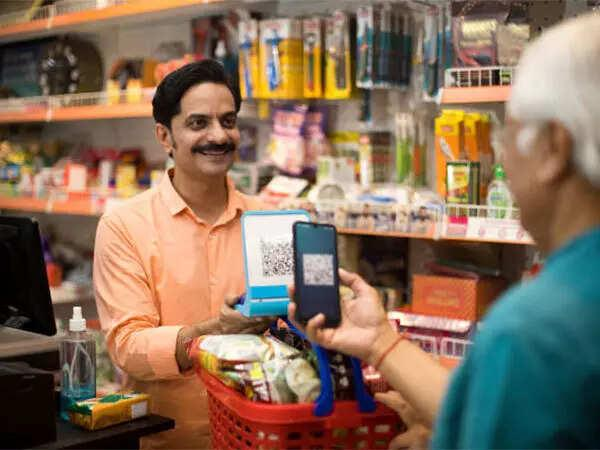
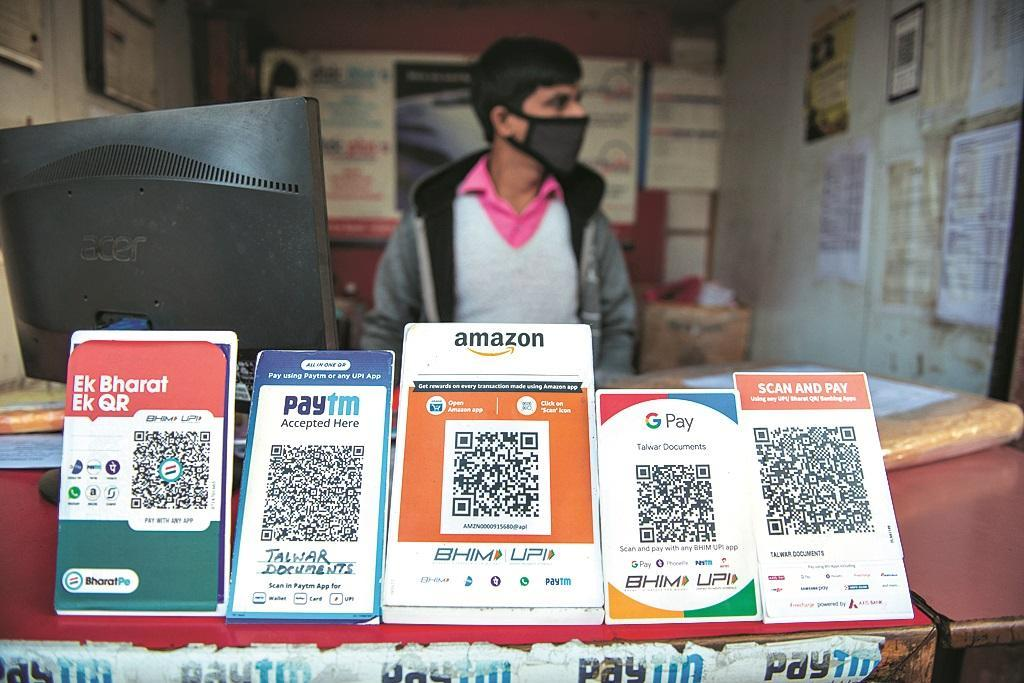
Walk into your local kirana today and what do you see?
A QR code, proudly pasted next to the counter.
The shopkeeper may not use Gmail or Excel, but he’s a pro at digital payments:
- Real-time transactions, every day.
- Mobile apps doubling as ledgers.
- Credit now possible thanks to transaction histories.
UPI isn’t just replacing cash, it’s blurring the gap between casual commerce and formal banking.
The numbers tell the grassroots story:
- India handles 48.5% of the world’s real-time payments.
- 99.9% of retail non-cash transactions are now digital.
- Currency-deposit ratio fell from 15.9% to 15.4% in a year, proof even conservative retailers are going digital.
Kirana stores are no longer “small shops.” They’re micro-enterprises with fintech DNA.
But here’s a thought: If your neighbourhood kirana has UPI, is it more “digital” than some government offices?
Meet the Key Players: India’s Digital Payment Heroes
- PhonePe: The Small-Town Lifeline
QR codes everywhere, from paan shops to tailors. For semi-urban India, PhonePe is banking. - Paytm: The Demonetisation Hero
When cash vanished in 2016, Paytm stepped up. For millions, it was survival, not just convenience. - Google Pay: The Campus Crush
Light, playful, and loved by students. Scratch cards and cashbacks made UPI cool. - Razorpay: The Startup Whisperer
Beyond consumers, Razorpay fuels startups, payrolls, vendor payments, and growth.
Each isn’t just a payment app. They’re architects of a financial revolution.
But here’s the cheeky one: Who’s cooler, the app you use for chai, or the one you use for salary?
UPI in Rural India: Not Catching Up, Leapfrogging
In India’s hinterland, where banks are scarce and ATMs are miles away, UPI is rewriting life:
- A farmer gets his subsidy instantly, no middlemen.
- A daily-wage worker’s phone pings with his wage, no waiting in queues.
- A vegetable seller builds a digital payment history, tomorrow, that gets her a loan.
Case in point: Akhilesh Sharma, a small-town medical store owner.
Earlier, he juggled loose cash, notebooks, and stress. Today? PhonePe is his new account book:
- Every UPI payment is auto-recorded.
- End-of-day tallies are instant.
- Tax prep? Easier than ever.
This isn’t convenience. This is financial dignity.
Question worth asking: Did rural India just skip a chapter and leap straight to the fintech future?
When Money Goes Digital: Real Stories, Real Impact
When money becomes pixels, it transforms lives:
- A shop owner plans better with daily UPI dashboards.
- A student sends money home in seconds , no post office stress.
- A mother pays school fees while cooking dinner.
- A dressmaker gets a loan, not with collateral, but her payment history.
Digital money = control + confidence + dreams.
So, is money still “just money”, or is it now a tool for aspiration?
Behind the Scenes: What’s Really Changing?
Fintech isn’t just about payments, it’s power redistribution.
- Inclusion: Rural communities now have financial identity.
- Transparency: Subsidies reach individuals directly.
- Empowerment: Women & workers are financially independent.
- Access to Credit: UPI transactions = your financial voice.
Each scan is a silent revolution.
So the question becomes: If every rupee now leaves a trail, is trust itself being redefined?
The Bumps on the Digital Highway
Not everything’s smooth. Challenges remain:
- Digital literacy gaps.
- Connectivity issues in some regions.
- Trust barriers, many still prefer cash.
But innovation is catching up:
- Offline UPI.
- Local-language apps.
- User-friendly interfaces.
Every problem spawns a solution.
Here’s the cliffhanger: Will the “last mile” of digital money be the hardest or the easiest?
Future of the UPI Universe: Where Next?
From fruit vendors to startups, digital currency is now India’s bloodstream.
The future possibilities are endless:
- Credit scores built on UPI history.
- Cross-border UPI transfers.
- AI-driven money management.
- Rural entrepreneurs scaling up with fintech tools.
The big picture: The future of money in India isn’t just digital. It’s democratic.
So, next time you scan that QR code for chai, ask yourself, is this just a payment, or the future of India rising in your palm?
Until then, keep scanning, tapping, sipping, and dreaming.