From Decor to Detox: Can We Do it All Ourselves?
How do-it-yourself kits are turning passive consumers into active creators
Introduction
A Different Type of Game
When did it become normal for kids to swipe before they write?
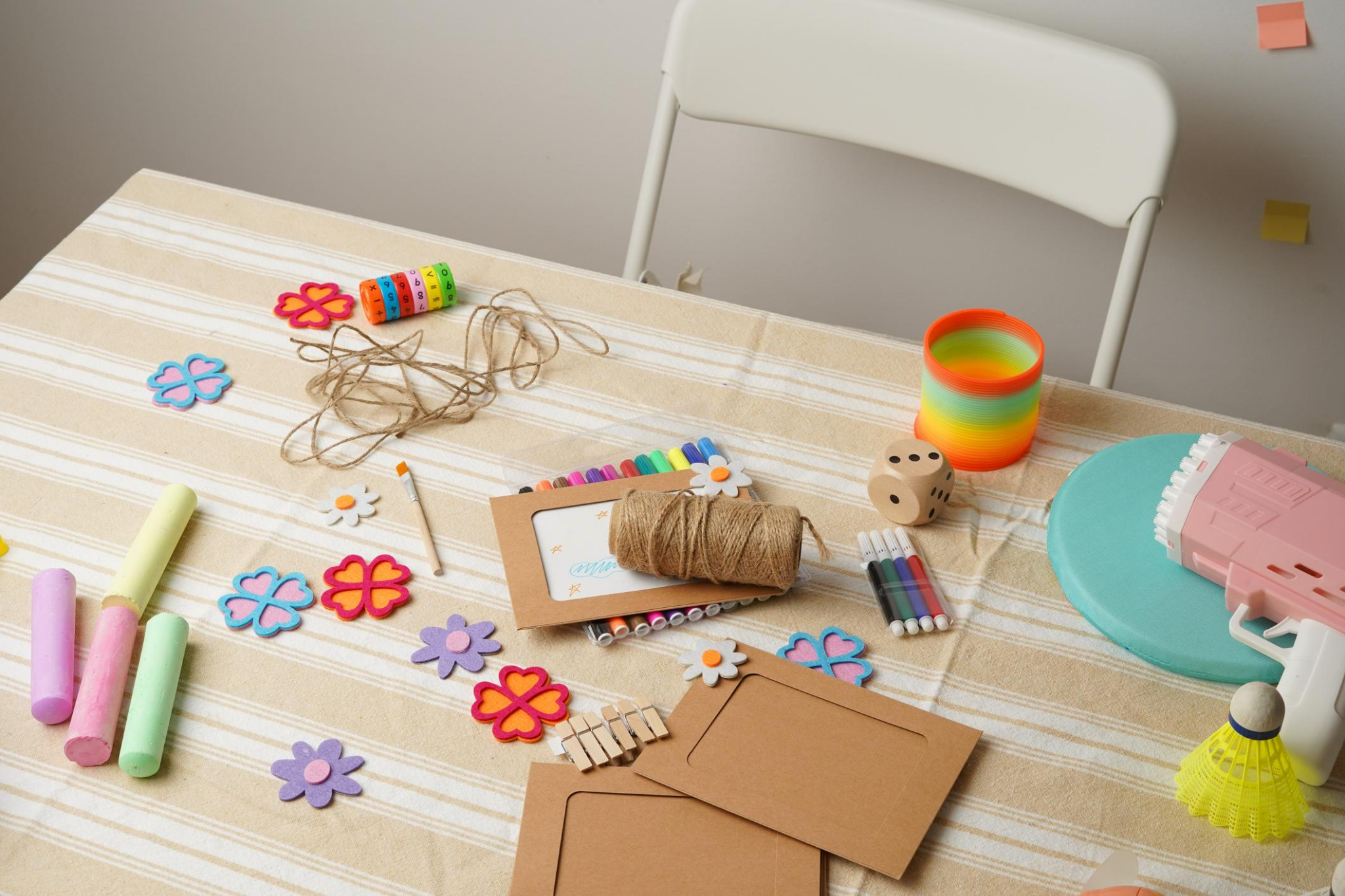
Most youngsters today learn how to swipe before they learn how to sketch. Nidhi Sethia didn’t think this was quite right. During the 2020 lockdown, she realized that kids were missing out on the fun of making something real by spending all day in front of a screen. To remedy this gap, she started Creste, a firm that helps youngsters play without screens and with their hands.
- Started with simple craft kits that you can do yourself.
- Developed a business that makes it fun and easy to be creative.
- Each kit brings back the magic of making things and sparks creativity and skill growth.
Creste is more than simply a business now; it’s a purpose to help people become curious, confident artists in a world full of screens.
What used to be a niche business in India is now a thriving one. “Do It Yourself” kits have become so popular that they have fundamentally revolutionized how people of all ages learn, create, and even stay healthy.
The global Do-It-Yourself home improvement industry is predicted to expand from USD 0.98 trillion in 2025 to USD 1.57 trillion by 2030, with a compound annual growth rate (CAGR) of 9.94%.
Now is the best moment ever to do house repairs yourself.
In India’s do-it-yourself industry, you can now buy more than just art supplies for kids. People, families, and gift-givers have made it a popular way of life because they are tired of digital things and want real, physical experiences.
DIY isn’t just glue and glitter anymore; it’s a whole new way of life.
If your Wi-Fi went out right now, would you be able to find something to do without a screen?
What You Will Learn From This Blog
- Why do-it-yourself kits are popular in India and how they are changing from a hobby to something more.
- How the Creste and VedaOils brands are using health, sustainability, and creativity.
- Do-it-yourself kits can help your mental health and encourage you to live in a way that is good for the environment.
- The Plantable Ganesha and Seed Bomb Gardening Kit from Creste and the Lip Balm and Soap Kits from VedaOils are two examples of real items.
- How the DIY movement, which is great for kids, adults, small business owners, and people who give gifts, is mixing play with work.
- New trends in plant-based living, clean cosmetics, self-care, and home decor that you can accomplish yourself.
The Pandemic Shift: Turning Fun into Money
People unlocked their creativity while being stuck inside.
A lot of people started new hobbies to deal with their loneliness during the COVID-19 lockdowns. DIY skincare, baking, crafting, and home decor all became quite popular. This led to a generation of Indian businesses that saw a potential to push the limits of creativity.
These kits were not simply toys. They were:
- healing
- helpful
- giving power
People started manufacturing their own eco-friendly things like candles, lip balms, and dreamcatchers. Sometimes they even learned a new skill while doing so.
Who would have guessed that being bored could be so good for business? “Timepass” has changed into “business class.”
Indian DIY Stars: Setting the Bar for Other Businesses
“India has talent, and it comes in a box.”
Isty Bitsy: It is the greatest brand of Indian art and crafts. Their macramé home decor sets and Plantable Ganesha kits are both creative and good for the environment. Through their 26 Indian boutiques, they are bringing handmade items to the broader public.
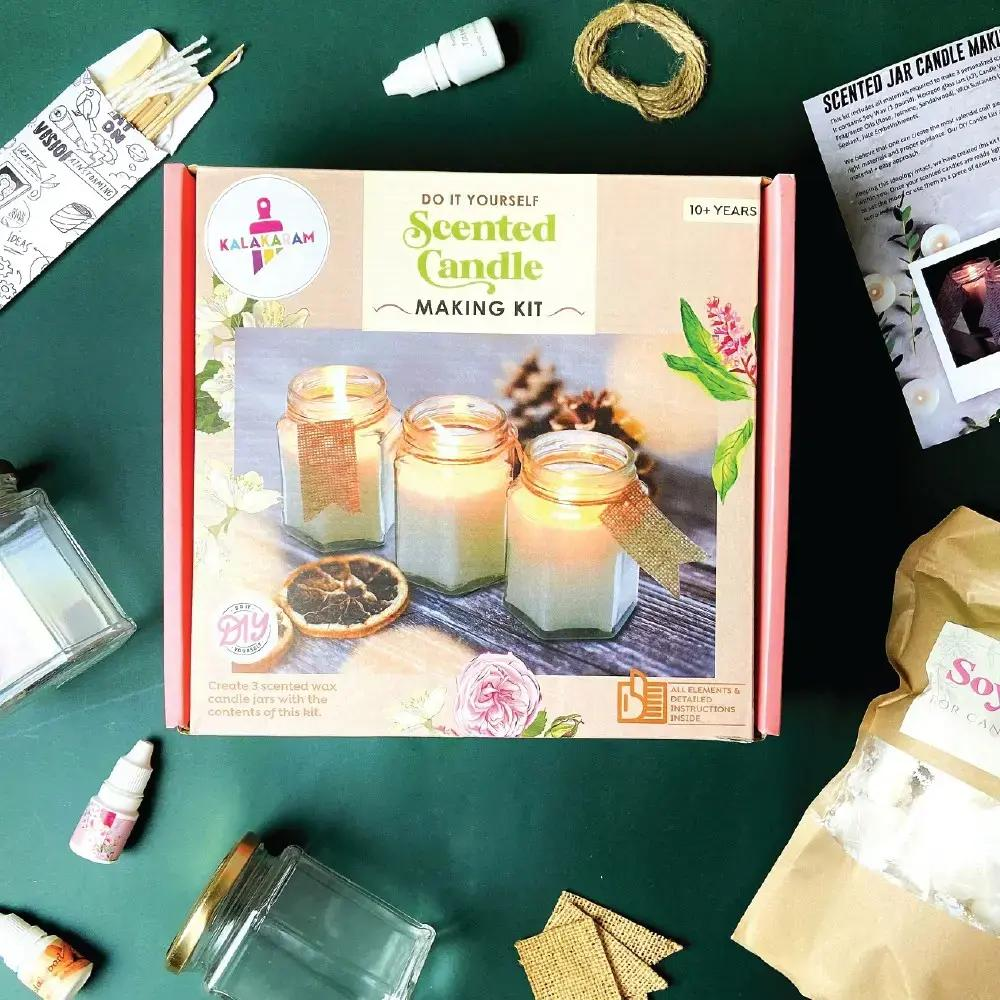
Kalakaram: It is a firm that offers do-it-yourself kits for kids ages 4 to 14. Chaitanya Malhotra started it. Every box encourages people to be themselves and be sure of themselves. Their task got even more important when they appeared on Shark Tank.
VedaOils: Where nature and craft come together. Their DIY kits for making soaps, candles, lip balm, and gloss all contain natural, vegan, and cruelty-free ingredients. Small producers and health enthusiasts like it.
Nappa Dori: They are known for their high-end leather goods, and they have made do-it-yourself leather belt kits that let clients make better belts by hand. Great gifts for people who like design.
Earthy Good: Where do-it-yourself and sustainability meet. Their packages, which include eco-friendly cleaners and beeswax wraps, encourage people to live in a way that is kind and doesn’t waste anything.
Can You Learn How to do Things Yourself Overnight With Social Media?
Why go to workshops when Instagram can teach you in 30 seconds?
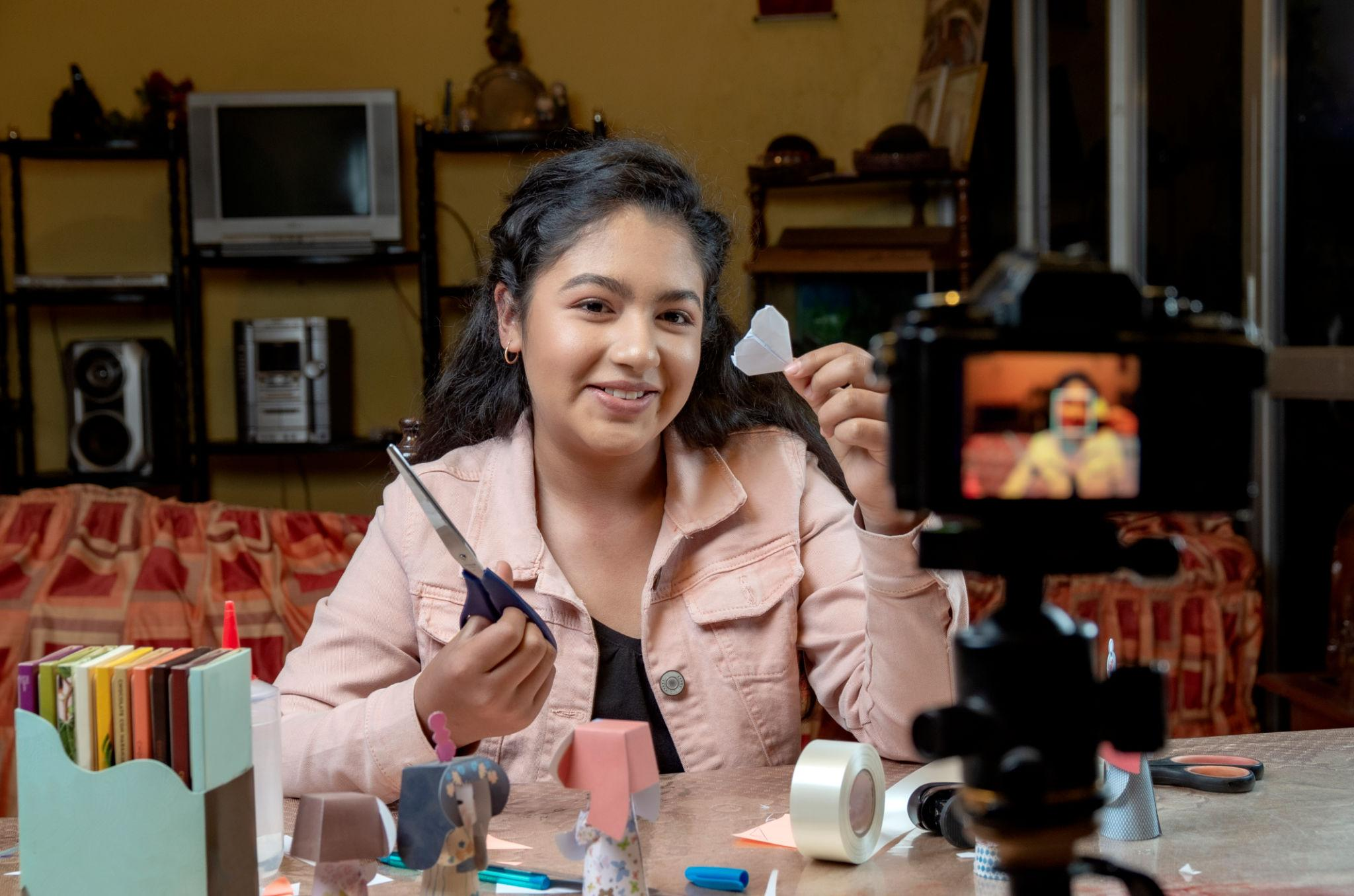
The do-it-yourself trend is back thanks to social media, with everything from Instagram hacks to Pinterest-style makeovers.
- Instagram and YouTube set trends with their short, visual clues.
- Influencers turn fans into creators by promoting tools, materials, and methods.
- People are very interested in DIY “before and after” makeovers.
- Brands work with creators to sell their kits.
Let’s be honest: does your project ever look like the picture on Pinterest, or is it just a bunch of random stuff?
Is Doing Things Yourself the Next Big Thing in Living Sustainably?
DIY today is about making pretty things with a purpose.
People who care about the environment want more than just good looks these days.
- More and more people are interested in upcycling old clothes and furnishings.
- Brands sell kit materials that can be composted, reused, or broken down by nature.
- More and more people are doing eco-decor, composting, and gardening on their own.
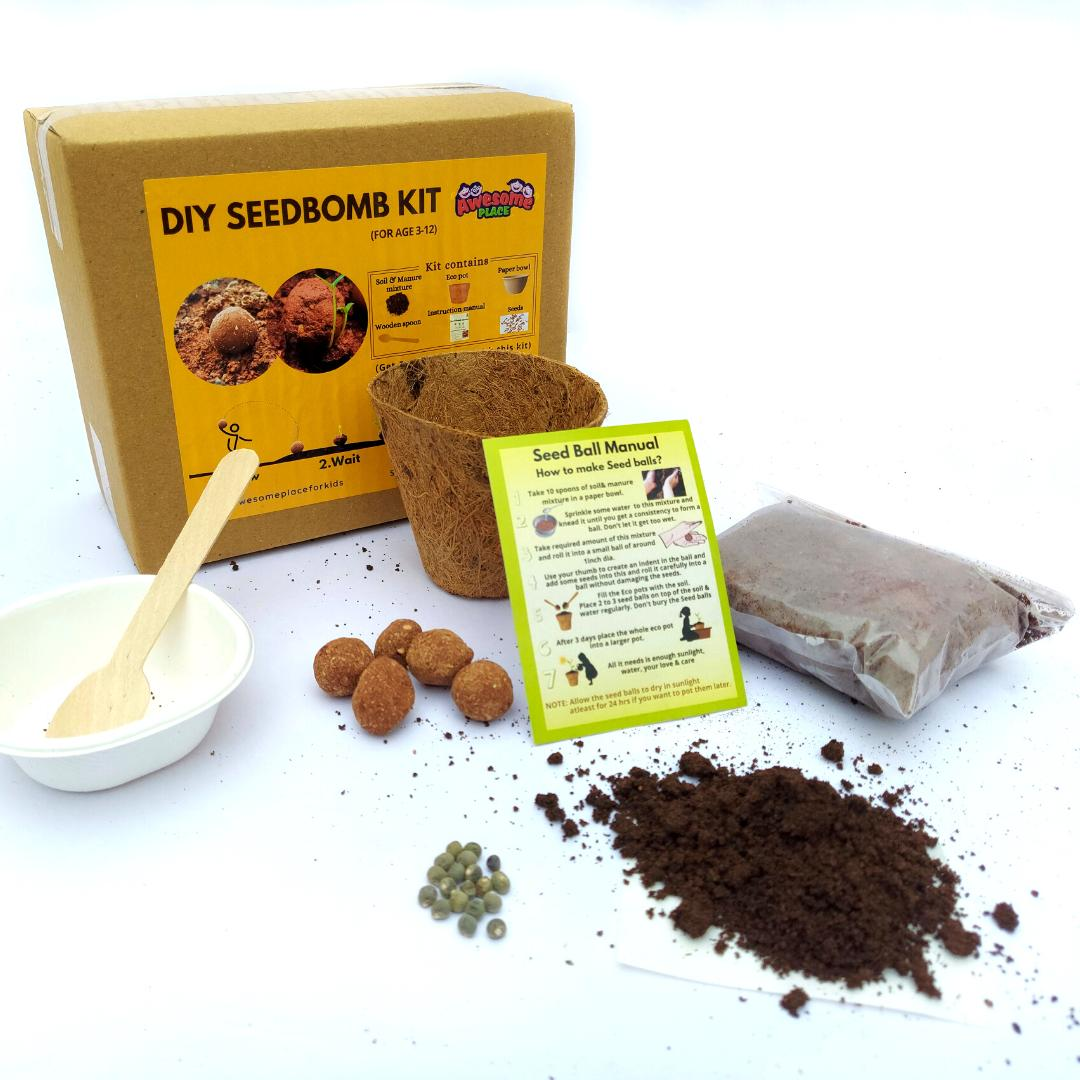
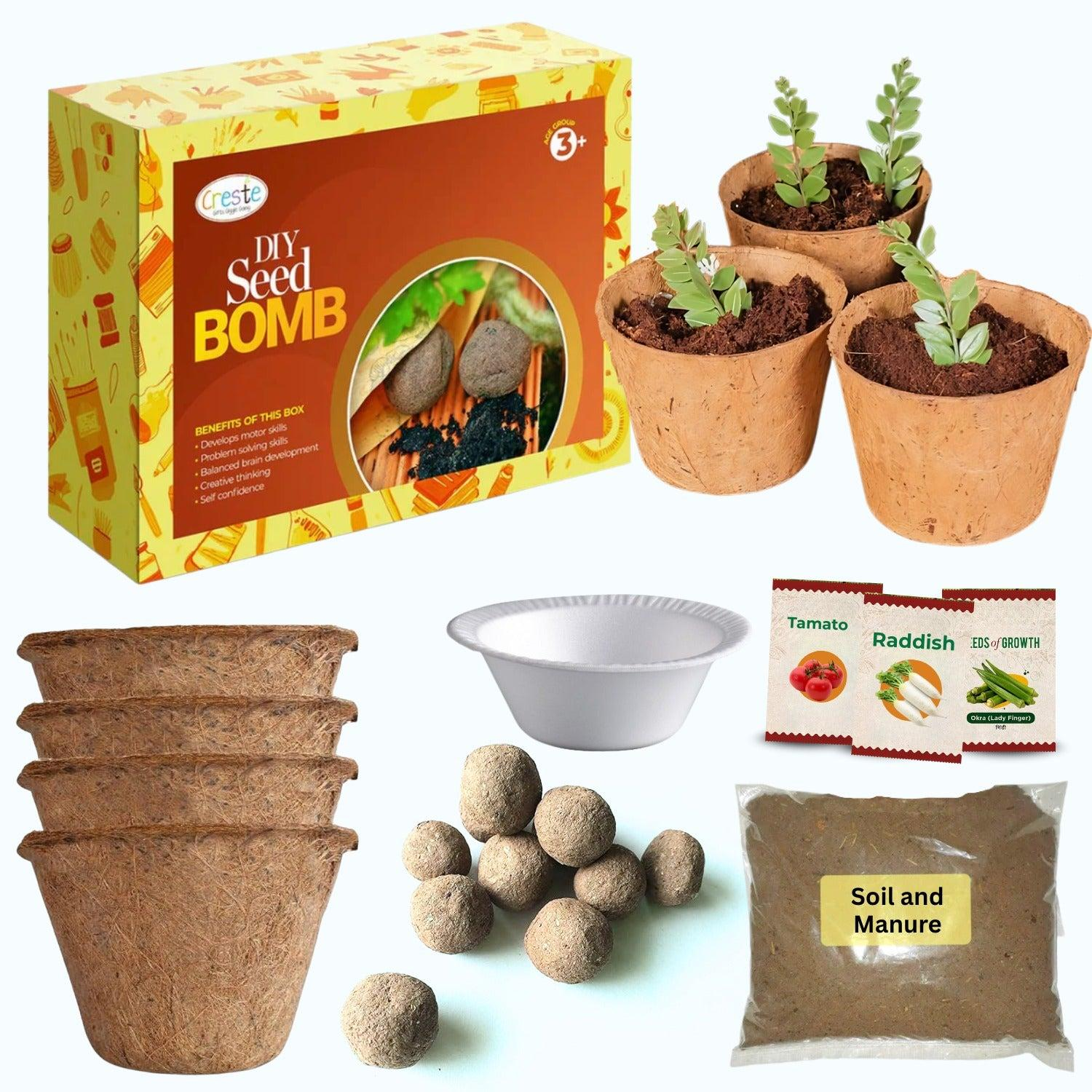
One example is Creste’s DIY Seed Bomb Gardening Activity Kit.
- Lets you make seed bombs out of compost, clay, and organic seeds.
- Helps with pollination, biodiversity, and green cover.
- Great for planting herbs or wildflowers with kids and adults.
Which is more satisfying: spending hours surfing through content or watching a seed you planted grow into a living thing?
Could you add making crafts to your self-care routine?
When in doubt, glue it out.
In a time when screen time is king, crafting has become a healthy habit.
Macrame, painting, and making soap are all do-it-yourself crafts that can help you be more conscious. Kits can also be used for writing, aromatherapy, health, and other things.
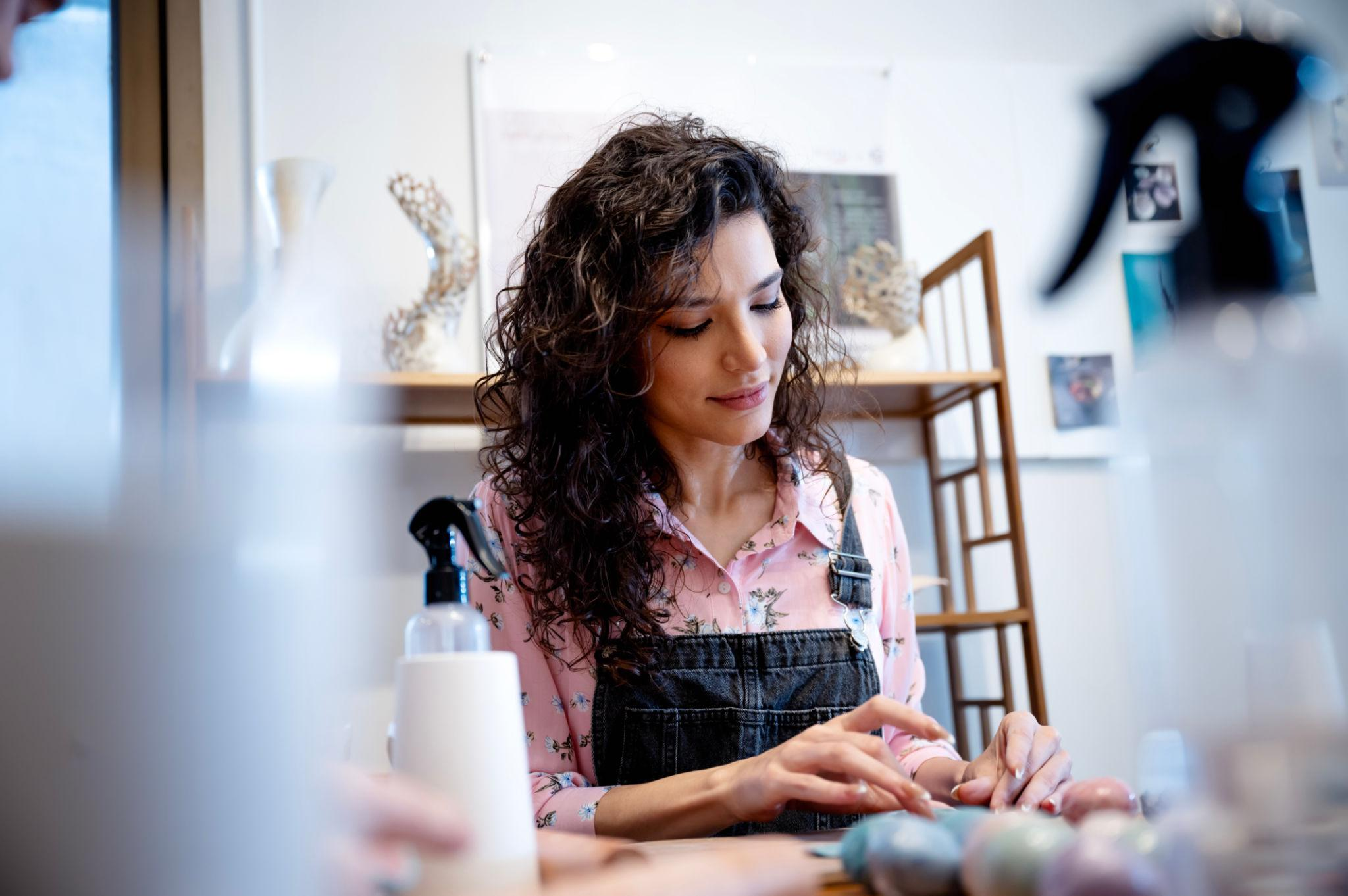
Making things by hand is good for your health, helps you be more mindful, and lowers your anxiety.
You might find self-care in the glue gun you’ve been dreading instead of at a spa.
More Than Just a Passing Interest: The Bigger Effect
Making things yourself makes people better, not just things.
For kids: helps them focus, solve problems, and enhance their motor abilities.
For Adults: helps with stress and tiredness from screens.
For families: makes memories and gives them chances to bond.
The DIY movement is promoting eco-friendly living, bringing back old skills, and sparking people’s creativity.
In schools, therapy offices, workshops, and even businesses, DIY kits are becoming instruments for learning, being creative, and healing.
A Box of Joy, A World of Possibilities
Each kit is a story that needs to be stamped by hand.
The comeback of do-it-yourself kits in India represents a strong push toward living mindfully and enjoying simple pleasures.
Your youngster will love their handcrafted wall hanging, lighting a candle you made, or growing tulsi from a biodegradable idol. It’s all about the thrill of saying, “I made this.”
The trend is far from done. Companies like Earthy Good, VedaOils, Itsy Bitsy, Kalakaram, Creste, and Nappa Dori are pushing the frontiers of what you can do with do-it-yourself kits. They are a group that brings enchantment, happiness, and mindfulness into everyday life.
So, the next time you buy a bookshelf, think about whether you can construct it yourself.
But here is the bigger question: If DIY continues merging creativity, wellness, and sustainability, will it redefine industries, shifting consumers from passive buyers to empowered makers? How will brands adapt?