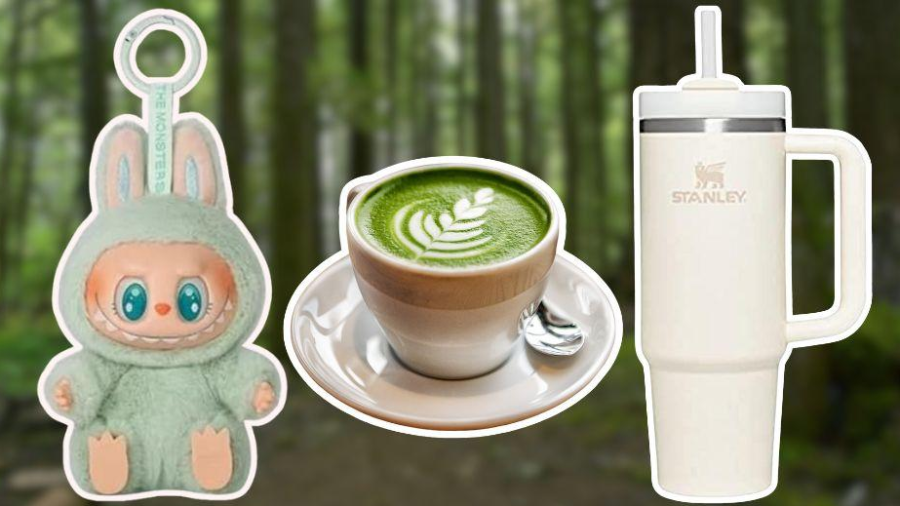
India’s Viral Obsession : How Labubu, Stanley Cups and Matcha Are Redefining What We Buy
From products to personalities : Why India’s new consumer economy is driven by identity, aesthetics, and algorithms
Introduction
India’s trendometer is always full of unexpected surprises, such creepy-looking trinkets, huge mugs, and health injections in a pretty shade of green.
But the question is, what really makes people buy goods differently?
What You’ll Learn From This Blog
- Why India’s biggest trends today are toys, cups, and green lattes
- How Instagram Reels are turning into the new supply chain
- Why Gen Z & millennials are buying identities, not just products
- The rise of micro-luxuries, when mugs, plushies, and matcha become status symbols
- How brands can ride virality with collectibility, aesthetics, and smart pricing
- The deeper shift: from consumption to curating vibes and self-expression
The New Rules for Becoming Popular in India
Did it even happen if it didn’t go viral on Instagram?
If you look at Instagram or Threads for a second, you’ll find that India is not just catching up with trends throughout the world, but also changing how they get there. In 2025, “going viral” will signify something different in India because of three things that used to be strange, expensive, or foreign :
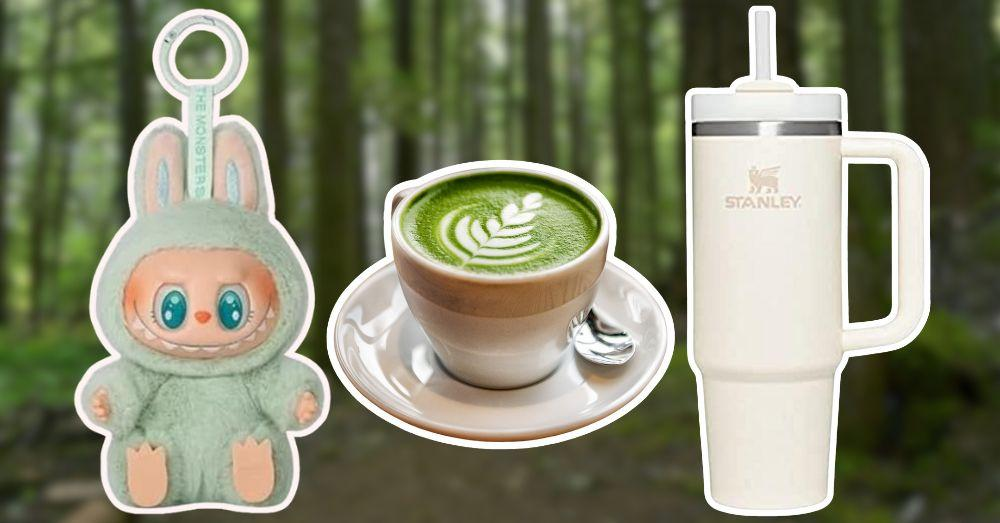
- The Labubu toy that looks “ugly-cute”
- The Stanley Cup for hydration
- The hero of green energy Matcha
Putting them all together shows us something deep: India’s young consumers care about more than simply price; they also care about stories, social issues, and brands.
If the price tag is becoming a story, are we really buying the object or the identity it provides us?
From Reels to Cash
Instagram isn’t just for scrolling anymore; it’s a way to shop without anyone knowing.
Instagram isn’t just an app in India these days; it’s also a place to shop and meet new people. The biggest trends don’t just spread through posts and articles; they originate there too, like green lattes and stuffed animals.
Trend Maker
People will want to buy a tote bag with a Labubu reel on it or a Matcha latte in a cup that matches the color of the bag. The platform gives awards to posts that have the proper blend of appearance, newness, and passion.
Is Instagram the next place to buy and sell trends? A 15-second Reel can establish a million-dollar business.
Labubu : Scary or Expandable?
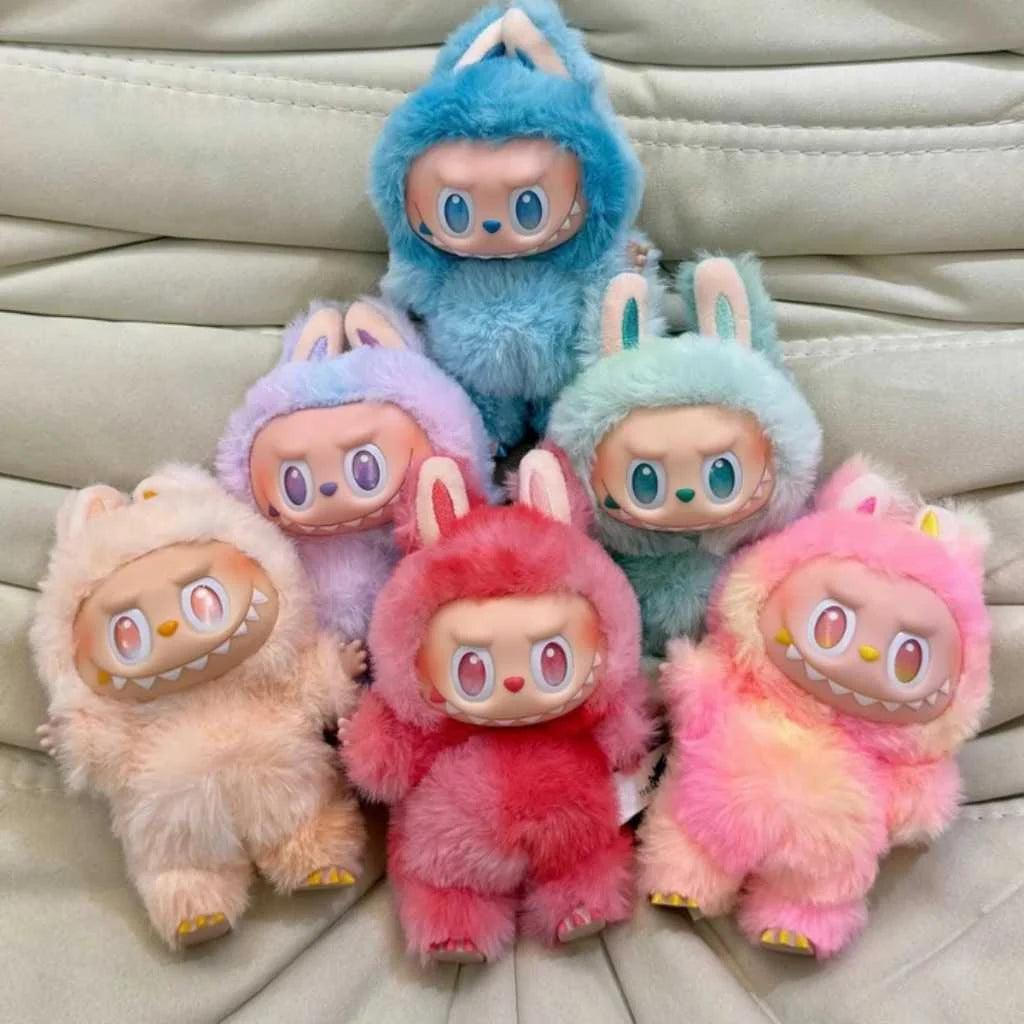
Adorable? Creepy? Who cares? It’s a collectible!
It’s not a toy; it’s a person in your pocket.
Labubu is the name of a cheeky plush figure with a toothy smile that hangs over the handle of a bag in your town. Kasing Lung, an artist from Hong Kong, came up with the idea for Labubu, but Pop Mart’s blind box sets made it a smash almost away.
Today? It’s all throughout India.
The Data doesn’t change :
- Pop Mart sold 100 million + Labubu units globally in 2025.
- The “Monsters” series generated ~$670 million revenue in early 2025 alone.
- Rare collectibles can reach Rs. 20,000 + in resale markets.
What’s all the buzz about?
Celebrities wear their Labubus like they wear expensive bags. The ones that are very, extremely hard to get? As a collector’s item, it might be worth more than ₹20,000, however it was sold in weird boxes for ₹3,500.
What if plushies became India’s next great thing? Would they be a sign of wealth?
Stanley Cups : How Drinking Enough Water Became a Habit
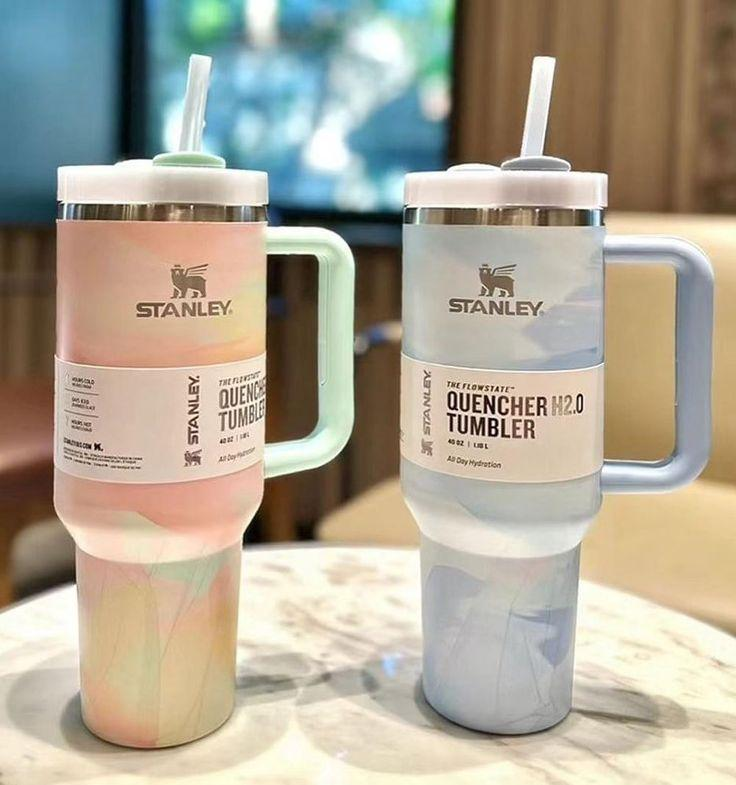
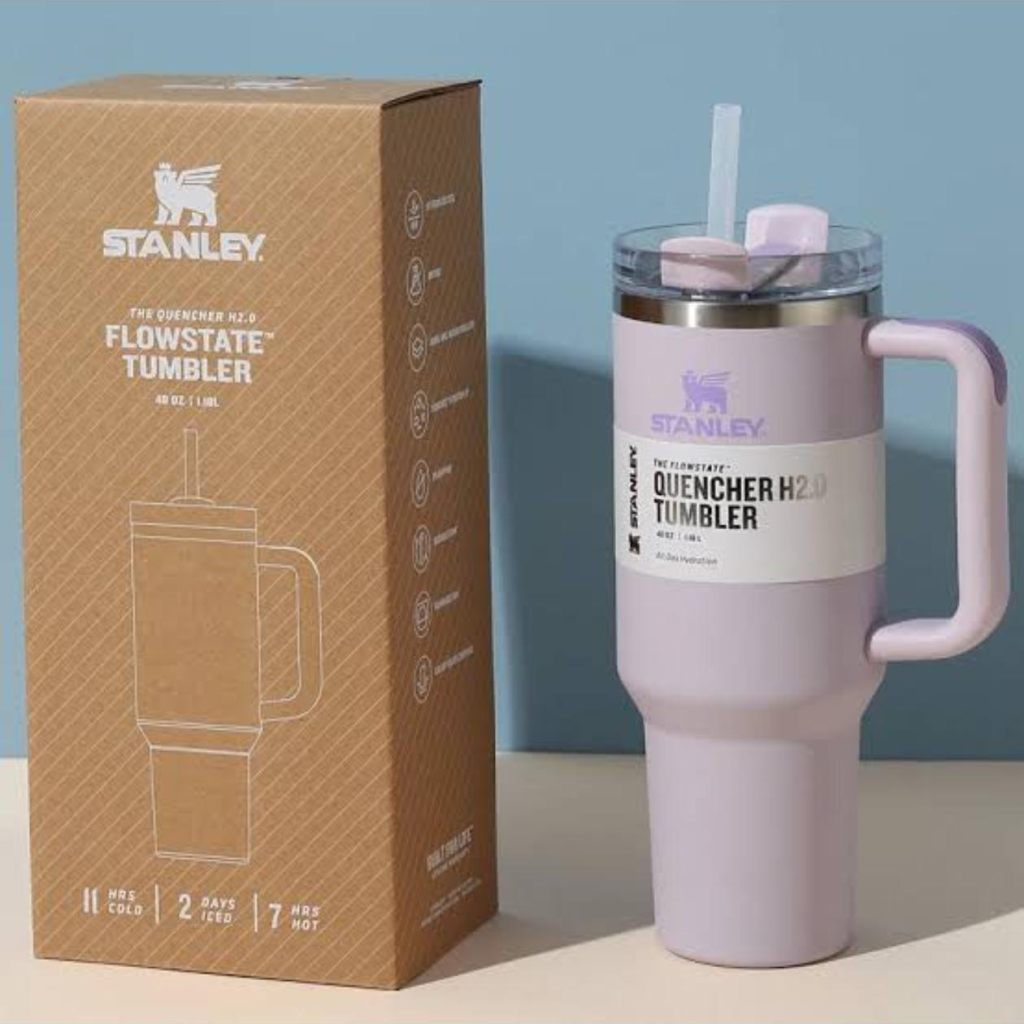
It’s not just water; it’s a part of you.
Do you think water bottles won’t ever be a thing? Think about it again.
The Stanley Cup is a 40-ounce insulated cup that costs $45 (approximately ₹3,700). It’s the newest drink fad in India.
It became highly popular after going viral on TikTok, where the flaming automobile didn’t hurt the cup at all. This trend spread across the whole country.
This is what is happening :
- The Stanley Quencher went viral through influencer marketing and TikTok, highly transforming its status as a lifestyle product.
- The sales increased rapidly, with the brand’s annual revenue jumping from $70 million in 2019 to $750 million by 2023.
- From 2020, the Quencher has been Stanley’s bestselling item, which shows that one viral product can effectively change a business’s overall operations.
And it won’t stop there. College students are wearing dupes, and even stores like Good Earth and The Wishing Chair are getting more customers who desire similar fashions.
Are we really thirsty? Or just trying to be noticed?
Matcha Vibes That Go Together
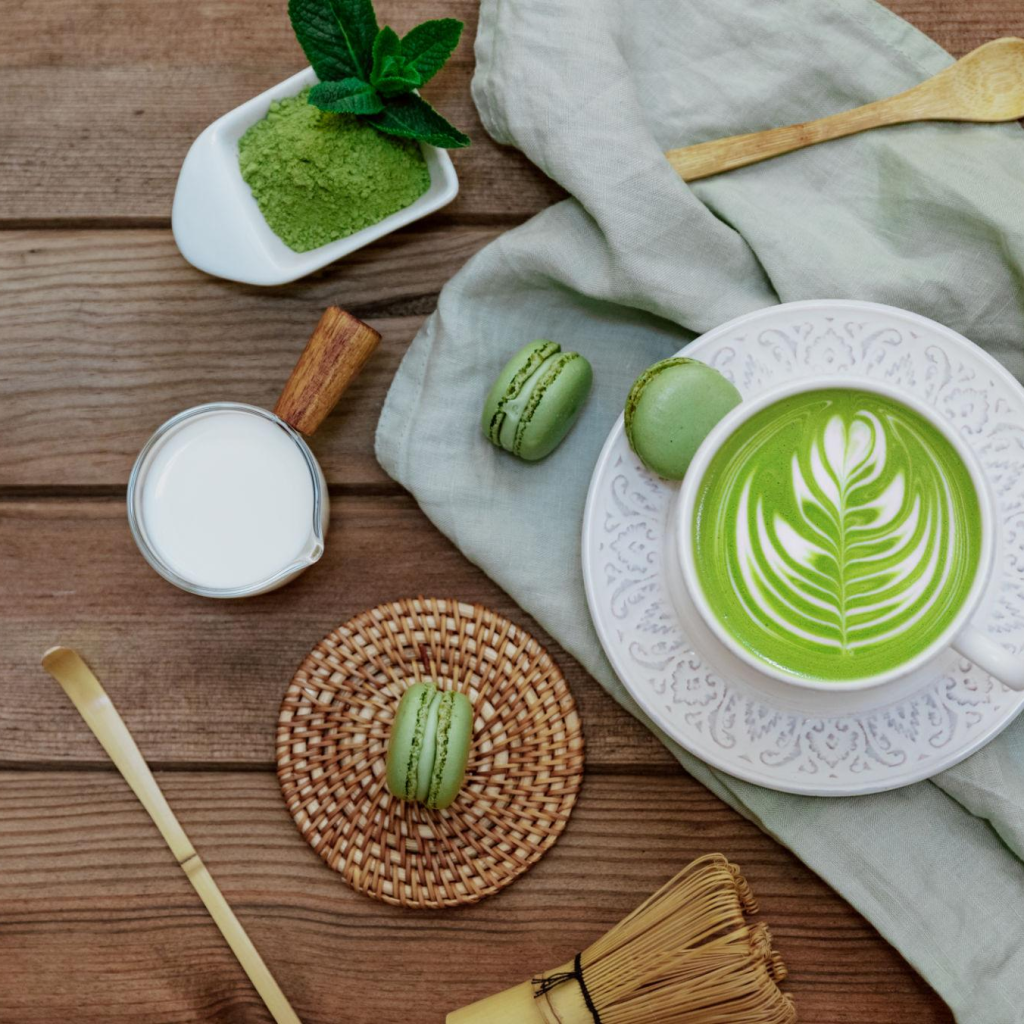
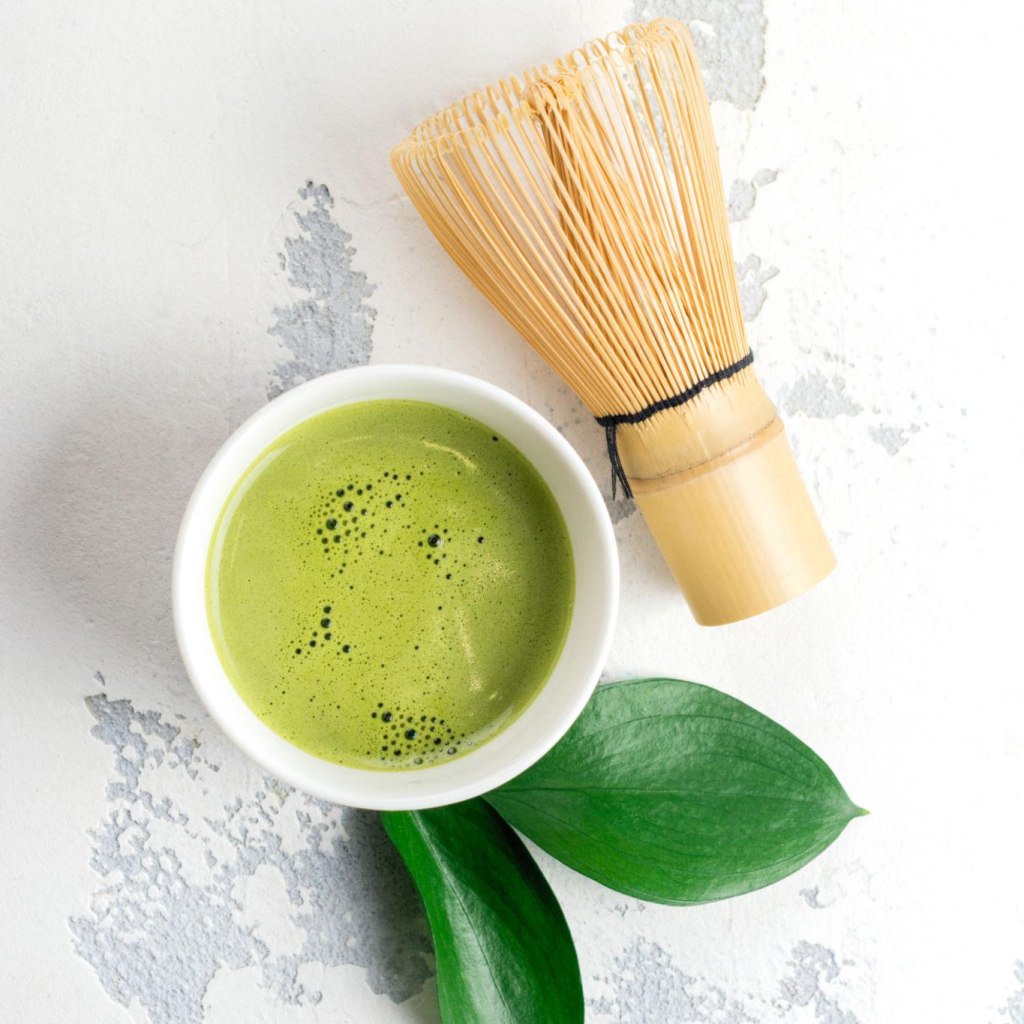
Who would have thought that something bitter could look so sweet on Instagram?
Green isn’t terrifying anymore. It’s fashionable.
Let’s talk about Matcha, the drink that used to be popular with health freaks but is now everywhere, from cafes to yoga studios to Reels.
The Japanese green tea powder used to be renowned for being bitter and weird, but it has evolved totally and is now a sign of a healthy lifestyle for young people in India.
The Quick Growth of Matcha :
- India’ matcha market was valued at approximately $41.9 million in 2024, and is projected to reach $96.4 million by 2033, growing nearly at a CAGR of 9.8%.
- Globally, matcha is already a multi-billion-dollar category, projected to grow from $4.28 billion in 2024 to $7.59 billion by 2030.
- Consumer interest in matcha has grown dramatically, with a 200% increase in worldwide searches for matcha-related drinks.
Busy coffee shops are selling a lot of lavender lattes and matcha-coconut floats. Nasi and Mee play with panna cottas and French toast.
What’s next if green tea beats coffee at its own game? A coup by turmeric lattes?
Viral vs. Vanity : Are These Better Than Beauty and Makeup?
Why buy lipstick when you can flex a latte?
Beauty and cosmetics have been a big part of who we are and what we seek for a long time. But now, things like mugs, souvenirs, and drinks that go viral are starting to fill the same cultural niche.
Instagram is the new place to buy cosmetic products. People are sharing photographs of mugs, lattes, and toys to cuddle with instead of lipsticks on their profiles.
- Makeup isn’t the only thing that makes someone beautiful anymore.
- Lifestyle products are the new status symbols.
- Viral looks are equally as popular as makeup companies that cost a lot of money.
Could cups, toys, and green lattes be the next big thing in beauty in India?
What do these developments have in common?
Different things, same addiction: getting likes on Instagram.
These three patterns show a big and very important change in how people in India acquire products, even though they are being used in quite different ways.
The Strings That Tie Together :
- Emotional Utility is more significant than Functional Utility.
- Social virality is what makes people use it.
- Pretty package = instant happiness
- “Little luxuries” are becoming more common in everyday life.
Is this the time of micro-luxuries, when a cup is worth more than a car?
How a Post Turns into a Trend
From one post to one crore sales, welcome to the new supply chain.
- It starts with a scroll : For fun, someone presents you a lovely mug, a green drink, or a weird plush animal.
- Hearts, Shares, and Hype : Friends double-tap, followers share, and comments come in asking, “Where did you get this?”
- Shops Get It: Brands and online stores go berserk. Restocks, dupes, and clones show up soon after.
- FOMO Begins : Everyone has to get in. Are you trending if you can’t see it on your feed or in your pocket?
- Boom. It’s going around : A simple post has become very popular. From coffee shops to college campuses, everywhere.
Are algorithms the new trendsetters, and are brands merely trying to catch up?
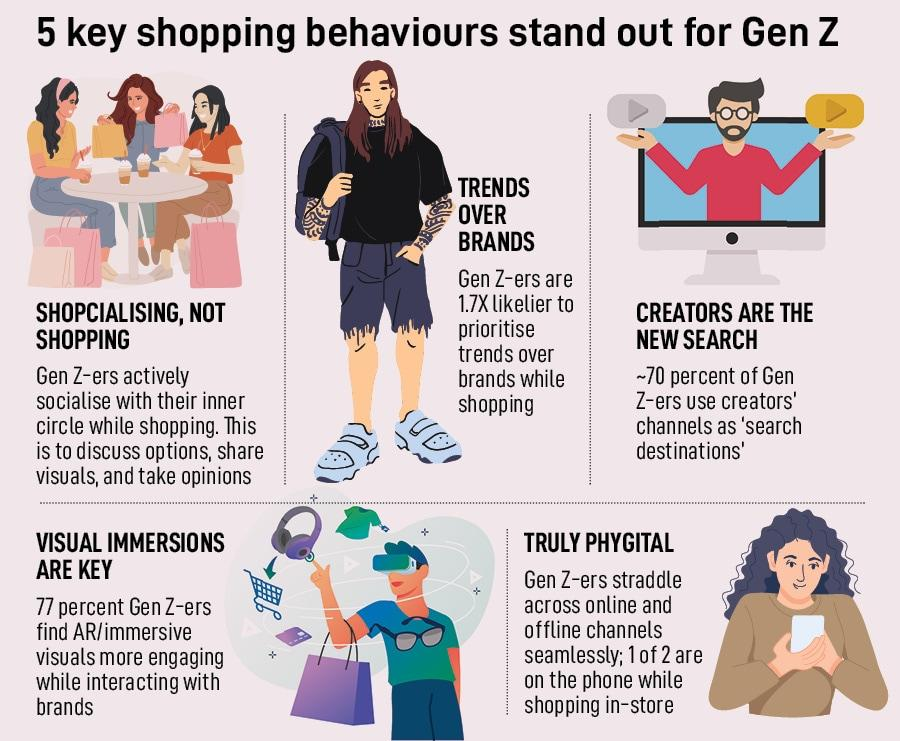
So, what does this mean for Indian brands?
A viral Reel is the best ad; don’t worry about billboards.
Listen up if you own a D2C business, work in marketing, or just like to keep up with trends :
- Design for Collectibility : like with Labubu, a mystery, a lack of something, and an emotion might make someone want to collect it.
- Position Utility as Aesthetic : Stanley shows that even a bottle can be a fashion statement.
- Ride the line between health and beauty : Matcha is a great example of both in real life and in movies.
- Price Smartly : Customers want high-end experiences but low-cost means to achieve them, just like the previous three trends.
Is the marketer really the new influencer if content is what drives consumerism?
What Are We Really Buying?
It’s not toys, cups, or tea. It’s all about the vibes.
We are buying parts of ourselves, including feelings and attitudes.
- People who buy Labubu don’t just acquire a toy.
- The individual drinking from the Stanley Cup isn’t just drinking water.
- The Matcha drinker isn’t only getting antioxidants.
They are paying for a version of themselves that is beautiful, innovative, and looks to the future.
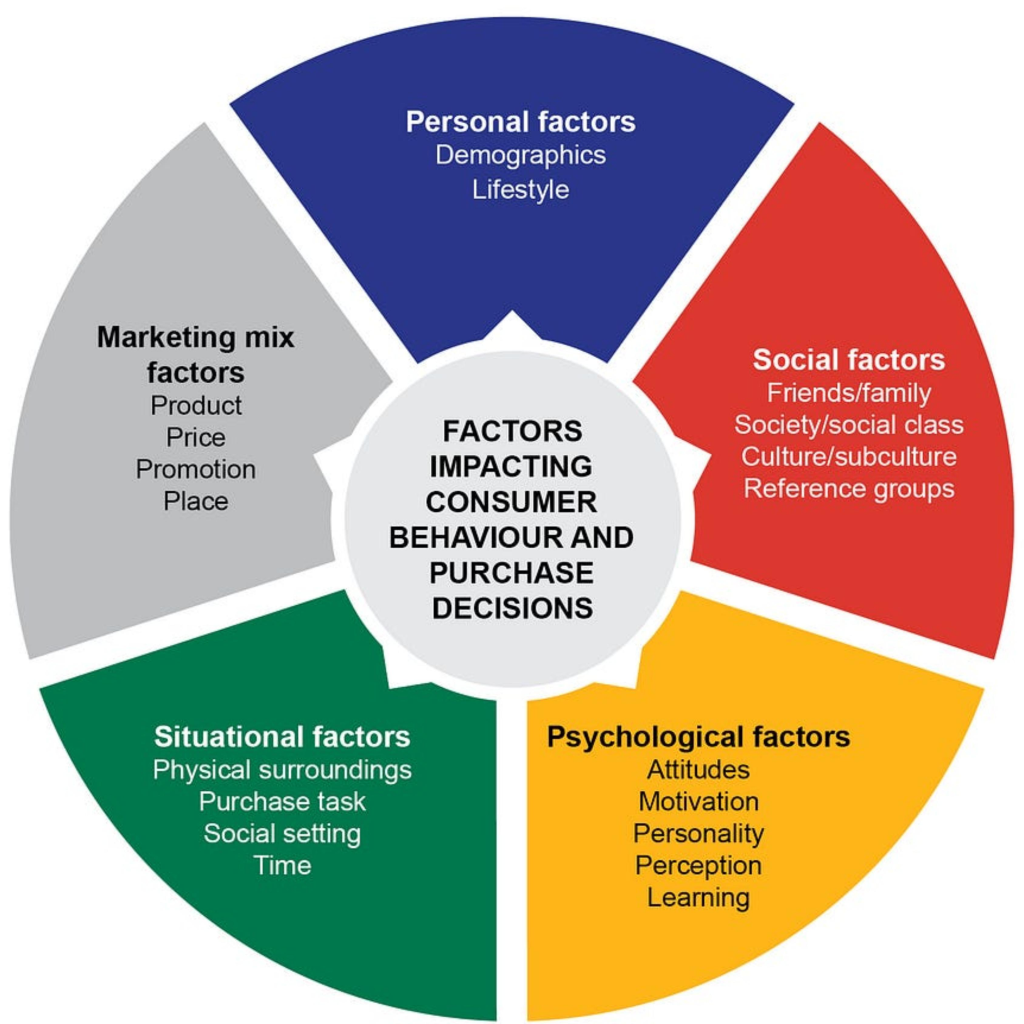
Are we renting identities or buying goods till the next big viral moment?
Let us know what you think in the comments below!