image

AR and VR in Edtech

Can Startups Turn Classrooms into Virtual Wonderlands?

How AR and VR are transforming education in India

Introduction

Gaurav and Vijay Purbia, two B. Tech graduates, saw kids in a small town in Rajasthan’s Rajsamand area having trouble learning difficult ideas via textbooks and blackboards alone. 

That’s when they attempted the unthinkable : they used a basic Google Cardboard device to take kids from their classroom to a 3D model of the solar system.

What began as a desire to make science interesting quickly grew into Altie Reality, a firm from Jaipur that is now leading India’s AR/VR education revolution. 

Their best software, LearnXR, lets K-12 students go on interactive school field excursions to the Taj Mahal, dissect the human body digitally, and even go through space, all from their smartphones.

But that’s not just the story of one startup. It’s a story about how 3D models, interactive learning, and the magic of extended reality are about to take over chalk and talk in Indian schools.

 AR and VR are no longer just sci-fi fantasies. The government is supporting them, hardware prices are going down, and the digital ecosystem is growing. Its time is here, and its era is experiential learning in India.

What You’ll Learn from This Blog

  1. How wearable technology has evolved from step counters to holistic health companions.
  2. The growing demand for fitness, mental wellness, and preventive healthcare solutions in India.
  3. Key innovations and features driving adoption of wearables.
  4. The rise of Indian startups like Ultrahuman, boAt, and Sputnik Brain in this industry.
  5. Challenges the sector faces, from affordability to data privacy.
  6. How global trends are influencing the Indian wearable ecosystem.
  7. What the future of lifestyle and health could be with wearables fully integrated into everyday living.

Why EdTech Had to Change : From Boring Textbooks to 

Living Lessons

Come on, copying equations off a blackboard is as boring as watching paint dry.

India has had an imbalanced number of teachers to students for a long time. There are too many students. Too few teachers. 

That means that classes are too often just lectures that are boring, mechanical, and easy to forget. In a time when screens and swipes are everywhere, old ways of teaching are having a hard time keeping up with the best way for young minds to learn.

Step into Augmented Reality (AR), which adds digital information to the actual environment. There are now a lot of Indian and global edtech businesses, so learning has never been more engaging, interactive, and visual.

EdTech is more than simply a business; it’s a movement.

Who knew that algebra needed a makeover more than your photos on Instagram?

Startup Stories: Where Imagination and Innovation Meet
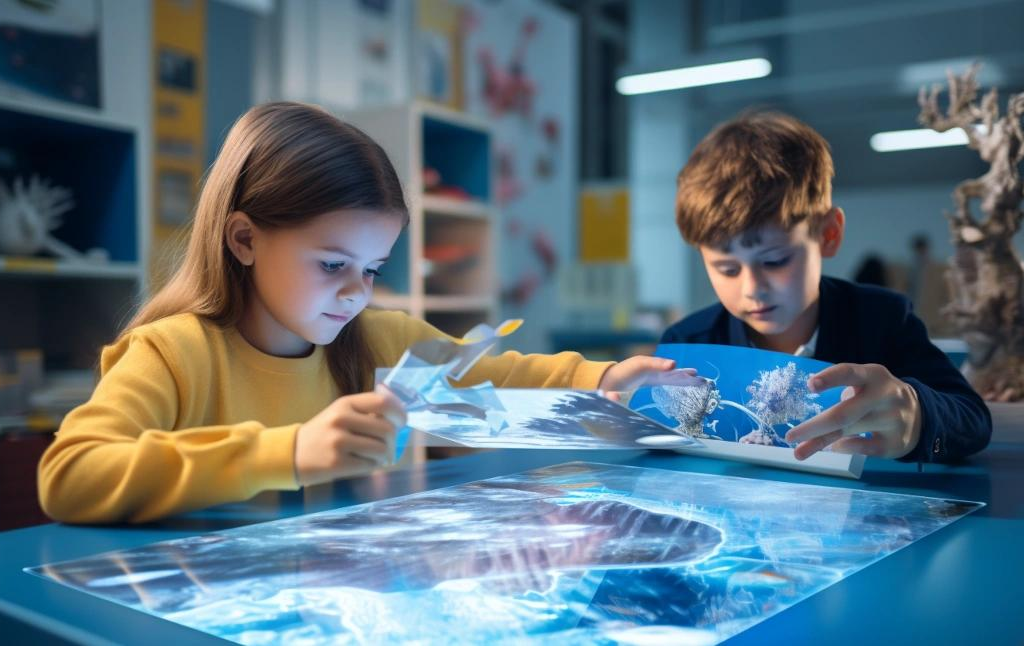
Let’s look at four of these kinds of startups that are helping India become the leader in the AR education revolution.

1. Veative Labs: Getting to the Heart of Science

Do you remember when studying biology meant looking at badly drawn figures on the blackboard? Those days are over, yes!

  1. Place : Central Delhi, India
  2. Founder : Ankur Aggarwal (2016)

Features :

  1. Walk through a plant cell or float inside a beating heart
  2. First XR Chip-powered VR headset (a personal time machine + research lab)
  3. 670+ VR modules (biology, physics, chemistry)
  4. Walk through the bloodstream
  5. Practice English in virtual conversations
  6. Create VR projects
  7. Real-time pronunciation feedback via voice recognition

Teachers can control student sessions, making learning more focused and personalised. Even special needs students can learn at their own pace in a calm, judgment-free environment.

Why do you need magic school buses when you have Veative headsets?

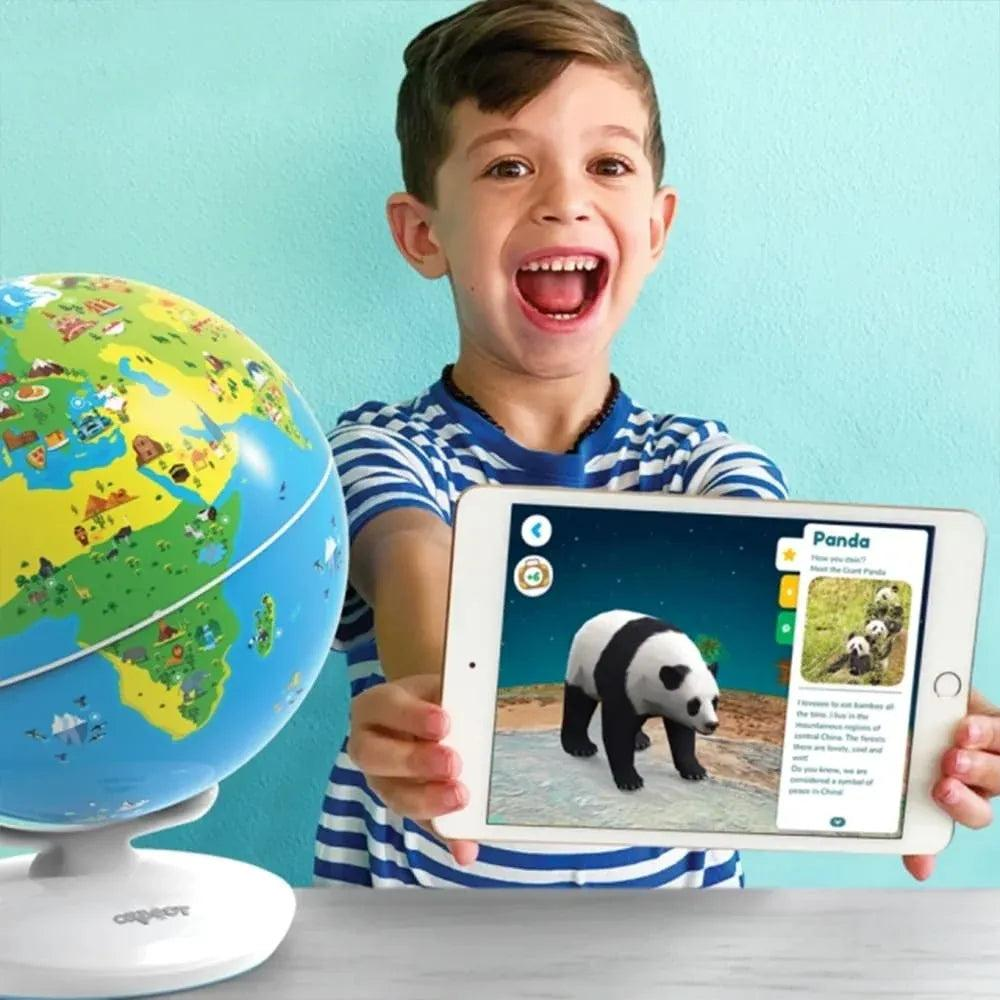
2. PlayShifu: Making Smart Use of Screen Time

Parents complain that their kids are glued to screens… But what if that “addiction to the screen” turned into an addiction to learning?
  1. Place : Bangalore, India
  2. Founder: Vivek Goyal and Dinesh Advani (2016)

Products :

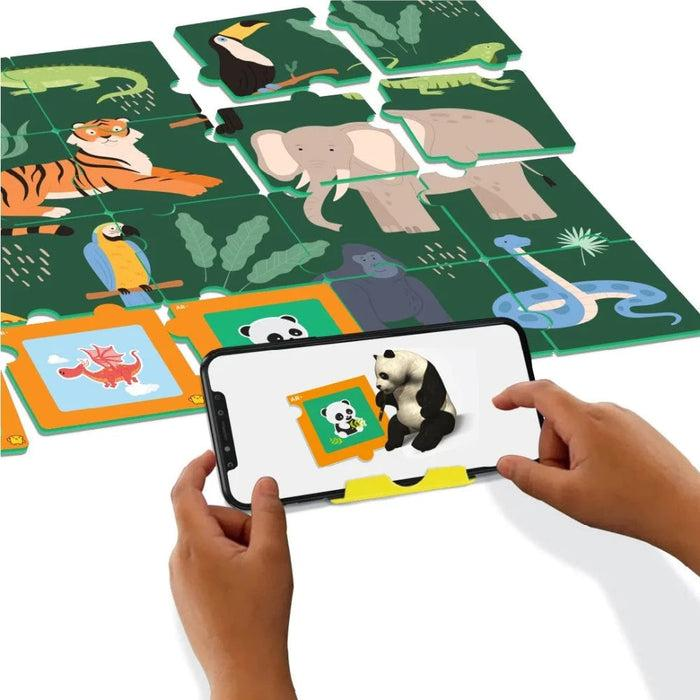
  1. Orboot Earth, Dinos, Mars: scan globes to explore history, geography, and space
  2. Tacto Doctor: tablet becomes an interactive clinic
  3. Tacto Chess:  strategy made fun
  4. Tacto Coding – learn logic through play

PlayShifu is used by 1M+ teachers and parents in 35 countries, proving that play and learning are best friends.

Who would have thought that coding and chess would compete with video games for attention?

3. TutAR: Giving Teachers a Magic Wand to Help Them

Teachers don’t need any extra chalk. What do they want? 

A wand that makes holograms.

  1. Place : Thrissur, Kerala
  2. Founder : Infusory (2020)

TutAR lets teachers bring science lessons to life with AR via simple mobile apps.

  1. Show, scale, rotate, and annotate 3D models (muscles, potentiometers, etc.)
  2. Used in 100+ institutions across 19 states
  3. Vision: building the “Tutarverse”, an AR/VR environment for students & teachers to interact anywhere

If your physics teacher had a hologram, would they have been able to make thermodynamics fun?

4. zSpace: Touching the Future of Learning
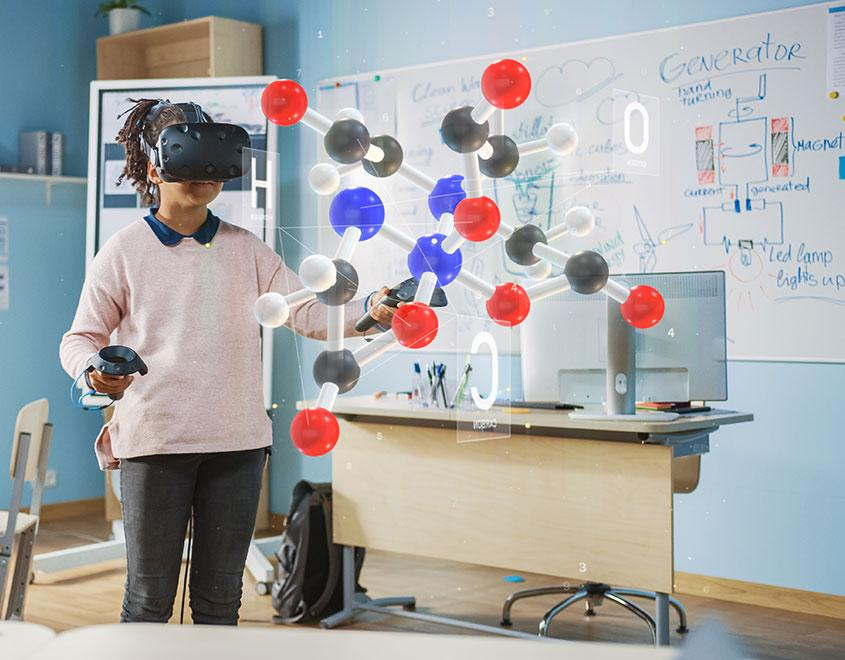
“Look, don’t touch” is no longer a thing. With zSpace, it’s all about “look AND touch.”

  1. Place : San Jose, California
  2. Founder : Paul Kellenberger (2007)

Features :

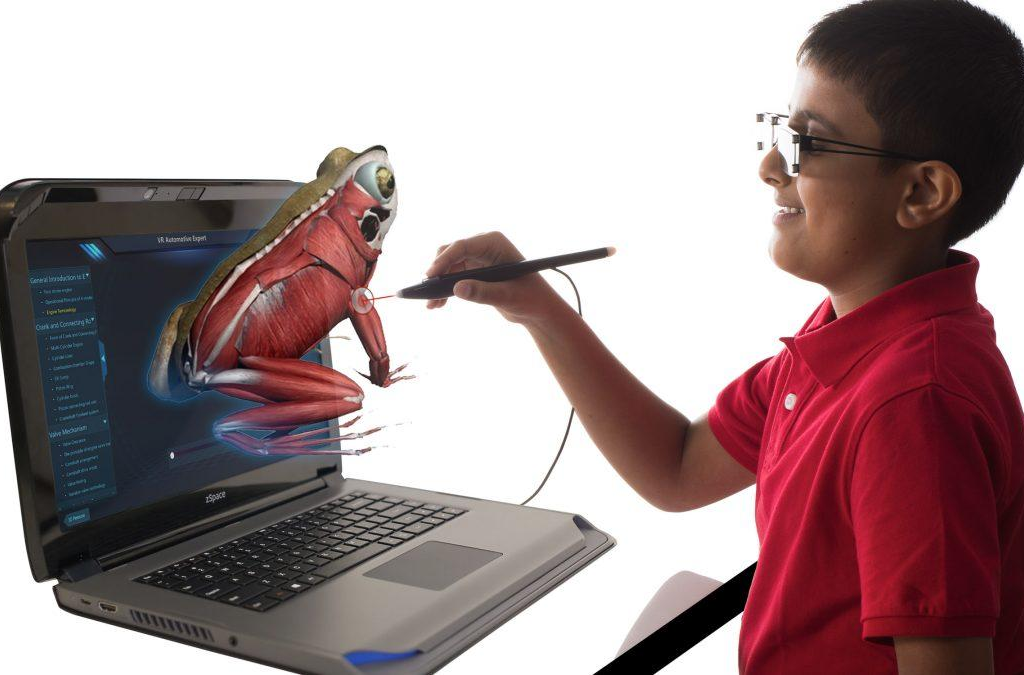
  1. AR/VR laptop with glasses + stylus
  2. Spin a DNA strand
  3. Dissect a frog virtually
  4. Look inside engines

zSpace serves learners from elementary to medical schools, with a strong focus on CTE (Career & Technical Education), ensuring job readiness.

Why just doodle in your notebook when you could cut up a frog in 3D?

There is a New Kind of Classroom
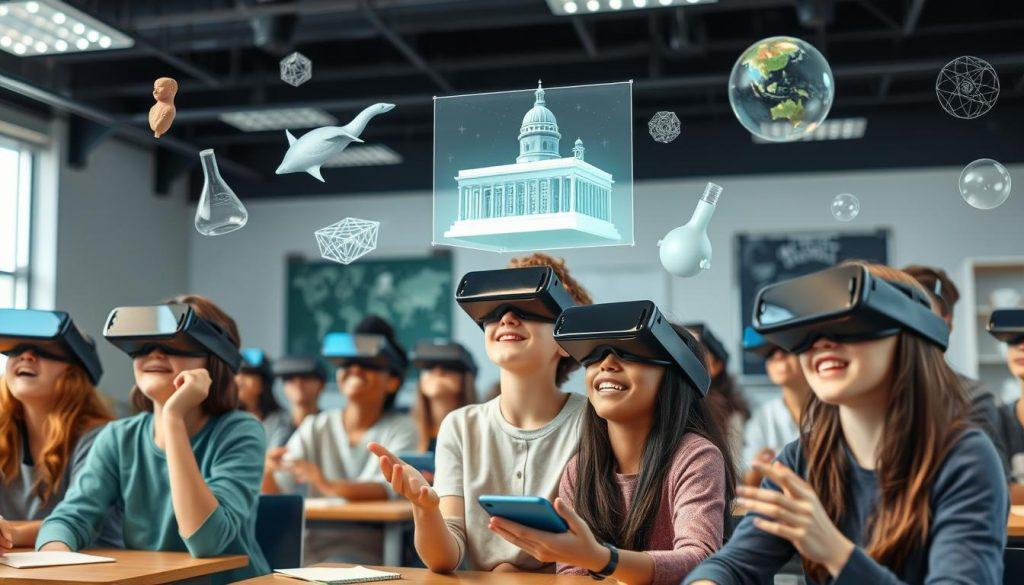
Textbooks, chalk, and projectors were once used. 

Now : heartbeats, astronauts, and sharks in your classroom.

Thanks to Veative, PlayShifu, TutAR, and zSpace, students can :

  1. Talk to astronauts
  2. Explore a shark without cutting it open
  3. Step inside a beating heart

And this is just the beginning!

Are we transporting them to school or to a parallel universe?

The Strength and Difficulty of AR in School

Here’s the truth : AR isn’t just a cool trick.

 It does what it says it will do. But it also costs money.

Why AR Works :

  1. Engagement : Keeps students interested and on task
  2. Visualisation : Turns abstract into concrete
  3. Accessibility : Lets distance & differently-abled learners learn at their pace
  4. Application : Connects theory with real-life uses

Challenges :

  1. Cost : Schools can’t provide AR tools to all students
  2. Training : Teachers need tech upskilling
  3. Inequality : Rural/ underprivileged students risk lagging behind

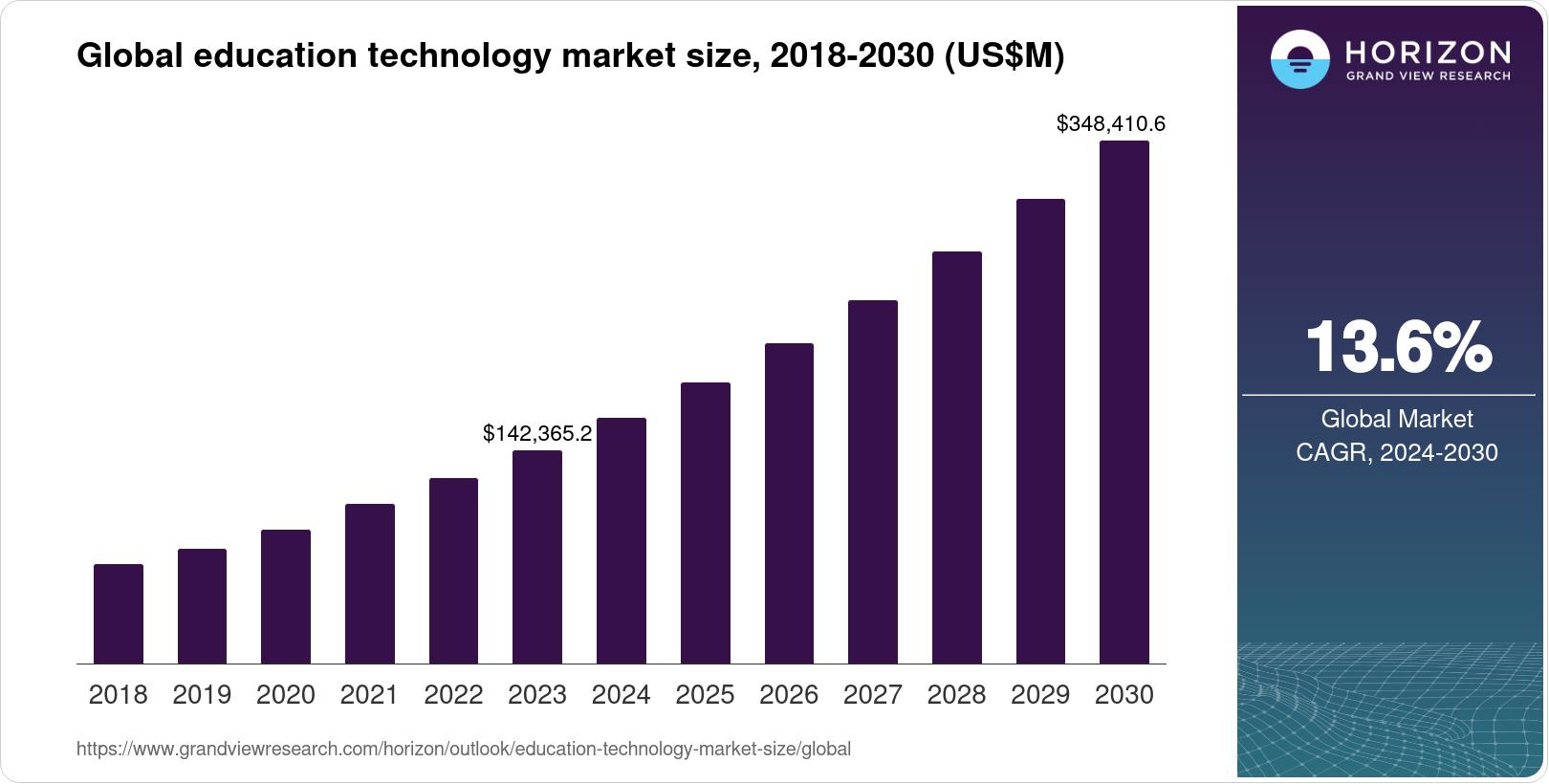
The AR education market is growing rapidly :

  1. $680.1B by 2027
  2. $24.7B metaverse education market by 2030 (43.76% CAGR)

Is AR the new chalk or just the coolest cheat sheet in the world?
Now it’s your turn to think

  1. What if your kid could go back in time to Egypt or learn math on Mars?
  2. What if the classroom of the future wasn’t limited to four walls, but instead spread across the universe?

AR is not just transforming how we learn, but also what we can do.

Stay inquisitive until we meet again.

What was something you always thought was boring, and how would AR make it fun for you?

With Indian startups entering the global stage, could the wearable industry become the country’s next big export story like IT and pharma once were?

Let us know what you think in the comments below! 
image

Green Economy

From Waste to Wealth : How Indian Startups Are Turning Trash into Treasure

How India’s green economy is transforming waste into opportunity, innovation, and impact 

Introduction

From fragrant incense sticks to financial success, prayers are being turned into profit (as well as compost) by this new startup called Phool. 

While India is experiencing an ever-increasing amount of waste that is being generated, there exists an opportunity to create an entirely new economy built on the waste we produce, via innovative companies like Phool, Cancrie, and Taruwar Agro.

More than just an environment-friendly story, these companies are creating a new economy while utilizing the principles of eco-design (design for the environment), technology and community-based engagement to reform how we define sustainability.

In this story, you’ll explore :

  1. India’s growing waste crisis and the hidden potential inside it.
  2. Startups like Phool, Cancrie, and Taruwar Agro are redefining waste through innovation.
  3. How eco-design, tech and grassroots engagement are changing the sustainability game.
  4. The human impact on rural jobs, urban futures, and environmental dignity.
  5. Challenges ahead and the collaborative power needed to fuel this green revolution.
  6. The emergence of waste as India’s next economic success story.

Dumpyards to Dreams

Not only are India’s trash heaps becoming bigger, but they are also trying out for the role of the century : economic goldmines.

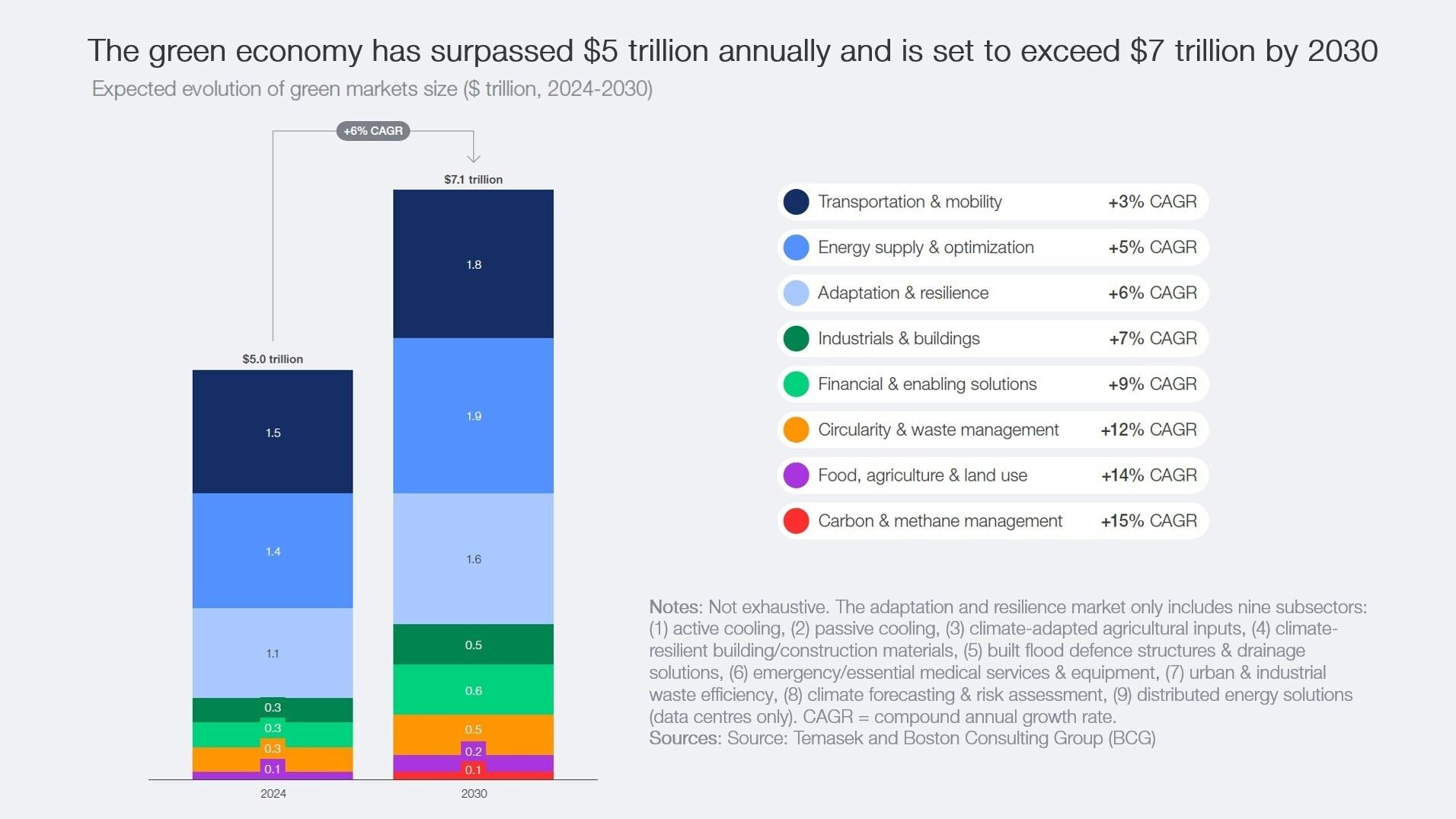
India produces 62 million tonnes of waste annually, with an expected increase to well past 165 million tonnes by 2030.

Although the collection processes have greatly improved with the collection of approximately 90% of disposed waste, actual processing of collected waste remains the biggest challenge.

Only 50-55% of total waste generated is treated in a scientifically based manner, with large quantities of waste either going to landfills or being left unprocessed and creating pollution of the air, water, and land.

However, while others view garbage, entrepreneurs view gold and create businesses from it.

 This is where garbage and innovation meet.

Where Temple Offerings Become Earth-Friendly Incense

Sacred flowers can light up your living room and cover someone’s income, so why let them rot in rivers? Spiritual recycling is not merely a trend; it is a profitable economic strategy.

 Imagine this: The pungent smell of marigolds, flowers strewn on a temple altar, a minute of prayer and then discarded in rivers and drains.

 Imagine those same flowers being brought back to life as pungent-odour-smelling incense sticks, organic manure, or even biodegradable packaging foam.

That’s the miracle Phool is working in Kanpur. By saving flower waste from temples and transforming it into new life, they’ve not only created green products but sustainable incomes for dozens of poor women.

If flowers can be reincarnated as incense, can we reimagine every ritual waste as a blessing for the planet?

This is not recycling, it’s spiritual renewal.

Can We Turn Scraps into Solutions?

 Yes, we definitely can, as one man’s trash is another man’s startup pitch!

Let’s put the spotlight on some of India’s brightest minds changing the way India manages its waste :

1. Coconuts, Carbon, and Clean Energy : The Cancrie Breakthrough

When life gives you coconut shells, make EV batteries that outrun yesterday’s tech. Lets see how Cancrie is actually doing this.

Cancrie converts rejected coconut shells into cutting-edge nanocarbon materials, boosting electric vehicle batteries by 125%.
Waste is no longer waste; it’s driving the future of clean mobility.


This is a waste-driven future.

If discarded coconut shells can supercharge electric cars, what other ‘kitchen waste’ is secretly waiting to run the future?

2. Banana Waste : a New Source of Livelihood

 Bananas nourish the nation, but the huge stems and trunks after harvest? Typically incinerated or wasted.

Taruwar Agro seized the chance. They make the most of banana waste by making handicrafts, sanitary napkins, and plant-based leather out of it.

The ripple effect? Farmers earn more, rural women are employed, and supply chains remain environmentally friendly.

This is farm-to-textile innovation in action.

3. Plastic Waste Transformed into Beautiful Urban Furniture

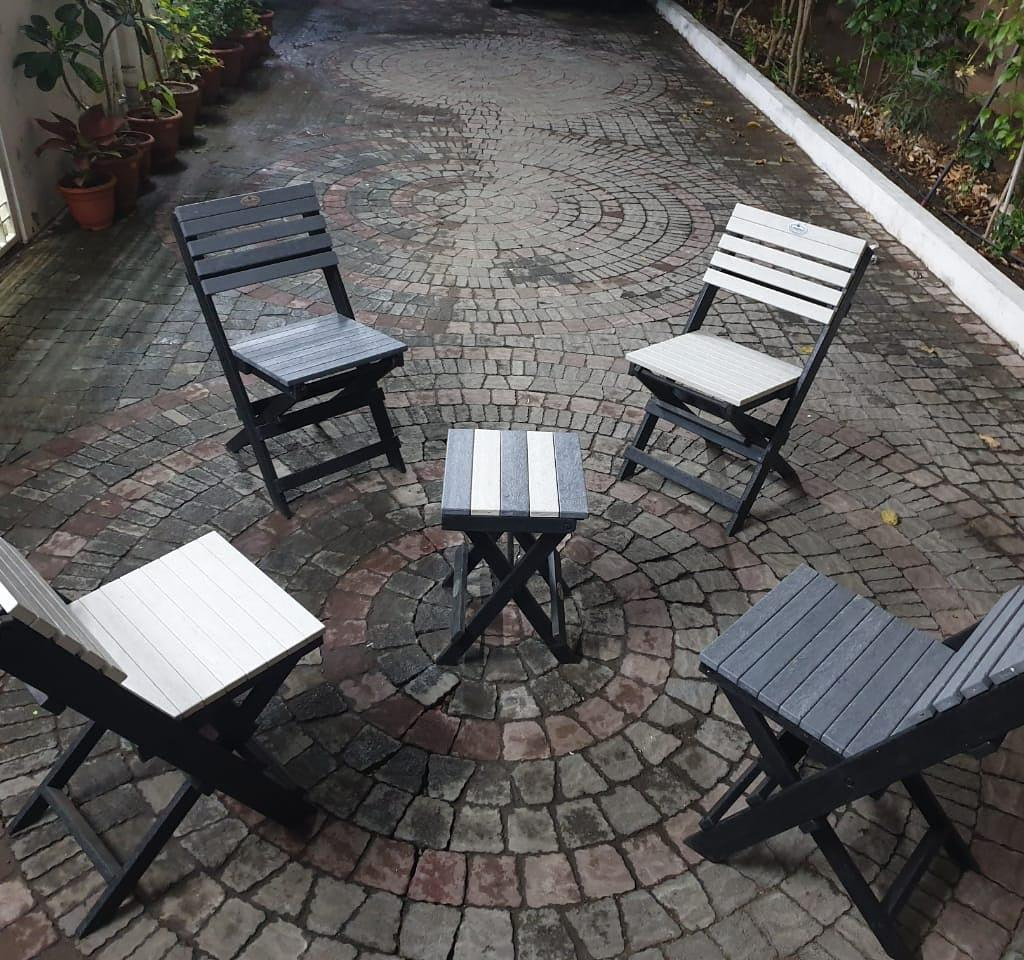
At econscious, years-old plastic bottles don’t vanish; they reappear as chic garden chairs, city planters, and outdoor sculptures.

Their shape isn’t only saving waste but also training green manufacturing unit workers, particularly women.

Where sustainability meets beauty.

4. Ritual to Revenue : The Phool Model

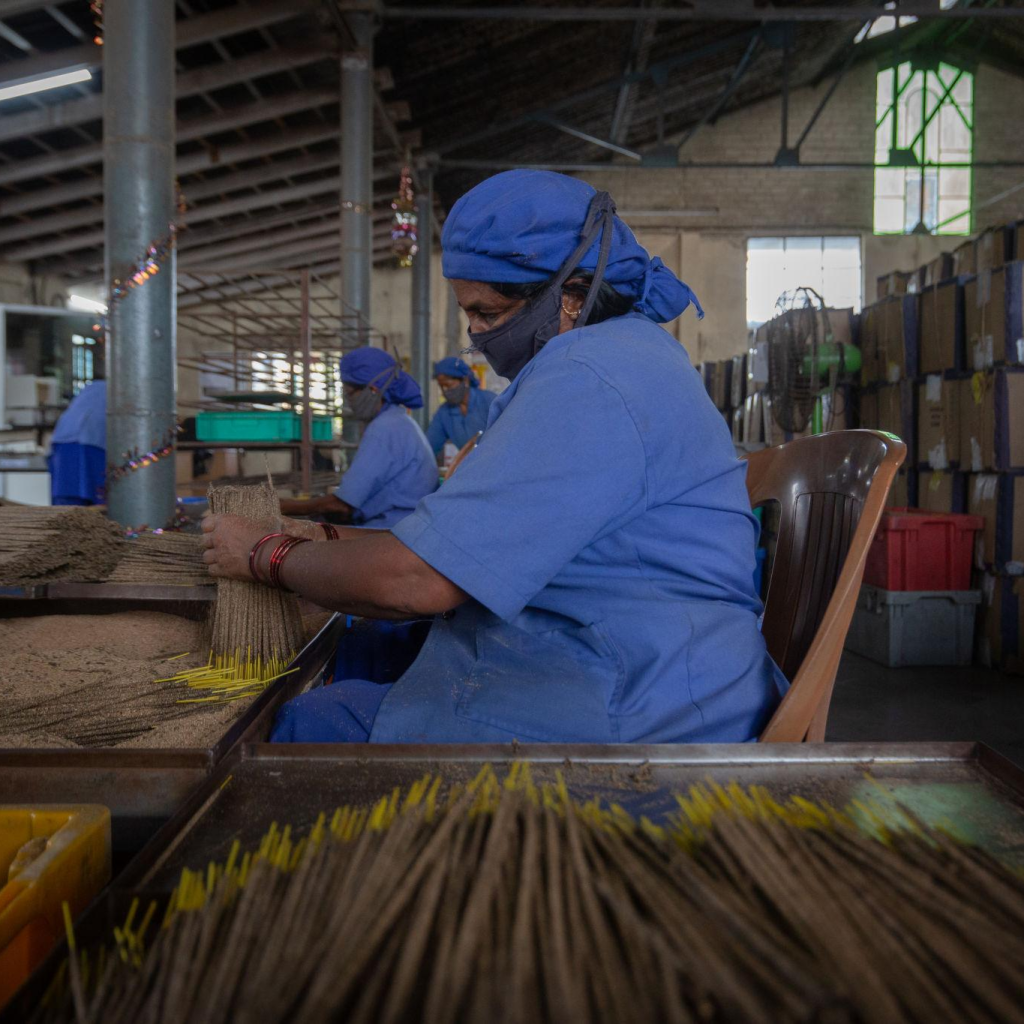
 Phool recovers almost 4 tons of temple flowers daily, upcycling them into eco incense, organic manure, and biodegradable Styrofoam substitutes.

 They’ve even patented a process called “flowercycling.”

 What’s unique about them? Their workforce is comprised of Dalit women, providing the marginalized groups with economic clout and dignity.

 This is culture-led impact innovation.

5. A Technology Firm That Runs on Windpower And Produces   Its Food

 Sasken Technologies greened its Bengaluru campus from solar panels on top to organic farms on campus plots. Even the cafeteria is zero-waste.

In an era of carbon-intensive IT parks, Sasken demonstrates what a sustainable workplace looks like.

6. Schools That Teach Climate Action By Design

 EuroSchool Bengaluru was constructed from recycled materials, features mechanisms for waste management, and is driven by green processes that engage students in the process.


This is not a school, but it’s a living sustainability laboratory.

If children grow up learning in buildings made of recycled waste, will ‘throwaway culture’ just become ancient history for them?

Why Is Innovation the True Hero in This Story?

Being creative in this economy means not only thinking beyond the box, but also creating the box out of banana fibre.

From banana stems to coconut shells, each solution here is informed by inventive imagination, scientific innovation, and circular thinking.

These startups are not recycling, rewiring supply chains, maximizing resources, and minimizing the environmental price of daily life.

This is not waste management, it’s waste renaissance.

People Behind the Progress


Behind each pathbreaking startup is a larger goal : people.

  1.  Phool is bringing dignity to Dalit women through safe livelihoods.
  2.  Taruwar Agro is generating secondary income for farmers in remote villages.
  3.  econscious is empowering women with sustainable production lines.

People of Phool

People of Phool Akhilesh comes from a small village in the countryside outside of Uttar Pradesh. She relocated to Kanpur because she thought she could have a good life and take care of her family there. 

She had worked hard on a lot of things before and knew she deserved respect, good working conditions, and a stable career. After years of looking, she found all of this at Phool.

Akhilesh had never rolled incense until she started working for Phool three years ago. But over the years, she learned how to roll incense and did it quite effectively. She is now really good at rolling incense. She even shows new employees how to do it and is glad to work with a group of women who appreciate her work.

Akhilesh is a severe but kind woman at home. She is a loving mother of three and likes to spoil her kid by purchasing her little things. The best part of her day is the evening when she plays with her two grandsons. She is happy that her family is growing.

Trash isn’t just a problem for the environment. 

It’s also a moment for social justice. 

Not Without Hurdles : What’s Holding Things Back?

 Though the momentum is there, the path of waste-to-wealth is hindered by real barriers:

  1. Inadequate segregation of waste at the source
  2. Insufficient municipal support
  3. Low consumer awareness
  4. Scaling technology in rural and informal environments

But momentum for public-private partnerships, green politics, and people-power campaigns is gaining momentum.

 The next step will be collaboration.

The Green Economy Is Coming Into View and Waste Is Paving The Way

From 2021 to 2024, the Special Campaign drives have created more than Rs. 2364 crore in total revenue from scrap disposal, with approximately Rs.650 crore generated from the Special Campaign 4.0.

India’s transition to the green economy is expected to create millions of jobs, with long-term projections estimating over 50 million jobs as the country moves towards net-zero goals.

 Waste is increasingly being utilized as a primary driver in India’s green economic powerhouse as startups scale and grow :

  1. Decreasing raw material dependence
  2. Spinning Rural Jobs
  3. Attracting ESG Investments
  4. Ramping up local production

The circular economy is no longer a theory. It’s in action.

Where Do We Fit In?

 You don’t have to start a startup to be a part of it.

  1. Shop at sustainable brands.
  2. Practice simple waste segregation at home.
  3. Support green local initiatives.
  4. Spark debate on sustainability in your social circles.

Your wallet, your shopping bag, your Instagram feed, all are weapons in this green war. Choose wisely, spend smartly, post loudly.

If one household can spark change, how big could the movement get if your entire neighbourhood got on board?

If our trash could talk, would it brag about becoming tomorrow’s hottest business opportunity?

No action is too small. No voice is too small.

From the Margins to the Mainstream : Trash to Treasure

The good news? The revolution has only begun.

 With more founders entering the industry, more capital pouring in, and more citizens participating, the transformation is gathering speed.

 Waste from yesterday is becoming tomorrow’s prosperity; financially, socially, and environmentally.

 Let’s keep this momentum going.

What waste-to-wealth concepts do you think can shape India’s future?

Let us know what you think in the comments below! 
image

Influencer Brands

Unboxing the Power of Influencer Product Drops : How Creators Are Turning Followers into Customers

Do you remember when influencers used to open boxes of things, review them, and praise brands from the sidelines? 

The times have changed. 

From filters to fortunes , influencers are now swapping hashtags for hashtags of cash.

The  thin line between “watching content” and “purchasing something” is no longer as clear as the filters influencers apply to their own selfies.

What You’ll Learn From This Blog

  1. How influencers are transforming from brand endorsers to successful entrepreneurs
  2. The unique advantages influencers have when launching their brands
  3. The rise of India’s creator economy and its impact on the business landscape
  4. Real-life examples like Parul Gulati’s journey with Nish Hair
  5. Important developments that are changing businesses run by influencers and what they signify for brands and customers

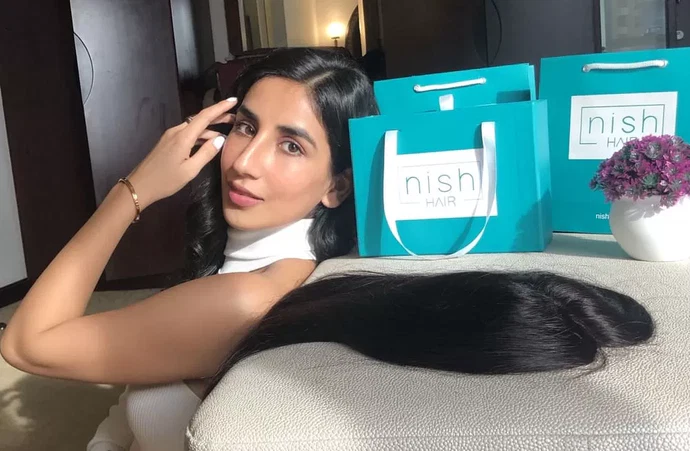
Today, creators like Bollywood actress-turned-businesswoman Parul Gulati are changing the rules by turning their own stories and dedicated fans into successful enterprises. Take Parul, for example. Having survived a low in her acting career, so low that she even shaved her head out of desperation, she realised that there was a massive gap in the market for good-quality, cheap hair extensions.

This shows us that:

  1. Creators can turn life’s lowest points into marketing products.
  2. A loyal fan base has real sales and drives brand growth.
  3. Authentic narratives that resonate with customers are the new business models.

That was the idea behind Nish Hair, a brand that has become a well-known name in India’s Direct-to-Consumer (D2C) market, fueled by creator entrepreneurship. Founded on storytelling and real problem-solving, the brand grew through content-first distribution, especially transformation videos and tutorials.

Parul’s story is not only a sole success saga but a bigger revolution wherein influencers are becoming entrepreneurs and creating brands that resonate with people at an emotional level.

Nish Hair by Parul Gulati

Drawing on her experience with hair extensions, Parul started a genuine brand with genuine issues in mind. Her transformation series and tutorials propel word-of-mouth growth, making Nish Hair relatable and authentic. 

In 2022, Nish Hair raised Rs.1 crore in funding from Shark Tank India by Amit Jain for 2% equity, which played a key role in accelerating its growth.

Recently, when interviewed, Parul replied, “I’ve always said this—I’m married to my acting career, and my brand is my child. Women are naturally great at multitasking. If we can be a wife and a mother, why can’t I be an actress and a businesswoman too?

A Wig, A Wish, A New Start

When she was only 24 years of age, Priya, a dynamic young girl from Mumbai, had her life turned around when she was diagnosed with cancer. Volunteering extensively for the charity “Karo Home,” Priya was always the strong pillar for everyone else. However, chemotherapy weakened her body and also destroyed her self-perception.

Help arrived most unexpectedly when actor and Nish Hair owner Parul Gulati discovered Priya’s story. Inspired by her bravery, Parul convinced Priya to obtain one of Nish Hair’s best wigs.

It was so much more than a makeup over for Priya, a coming back to self. After makeup, she smiled again, stepped out with confidence, guided other children at Karo Home, and took selfies that exuded hope.

 Her wig represented a new lease of life, a rebirth, and she became the assertive, understanding self-nature had meant for her.

Parul Gulati didn’t just sell hair extensions; she sold a story people could wear on their heads.

Hence, 

  1. Creator brands drive real change by going beyond just selling products.
  2. These brands are not just about commerce and profitability but prioritise connection and community building first.
  3. They uplift and support their customers. 

Creator Economy’s Rapid Rise

Can an influencer turn digital trust into real-world transactions? Let’s see.

The creator century is right here. And content creation is now a career and not just a hobby.

The D2C boom is just influencer marketing with a checkout button.

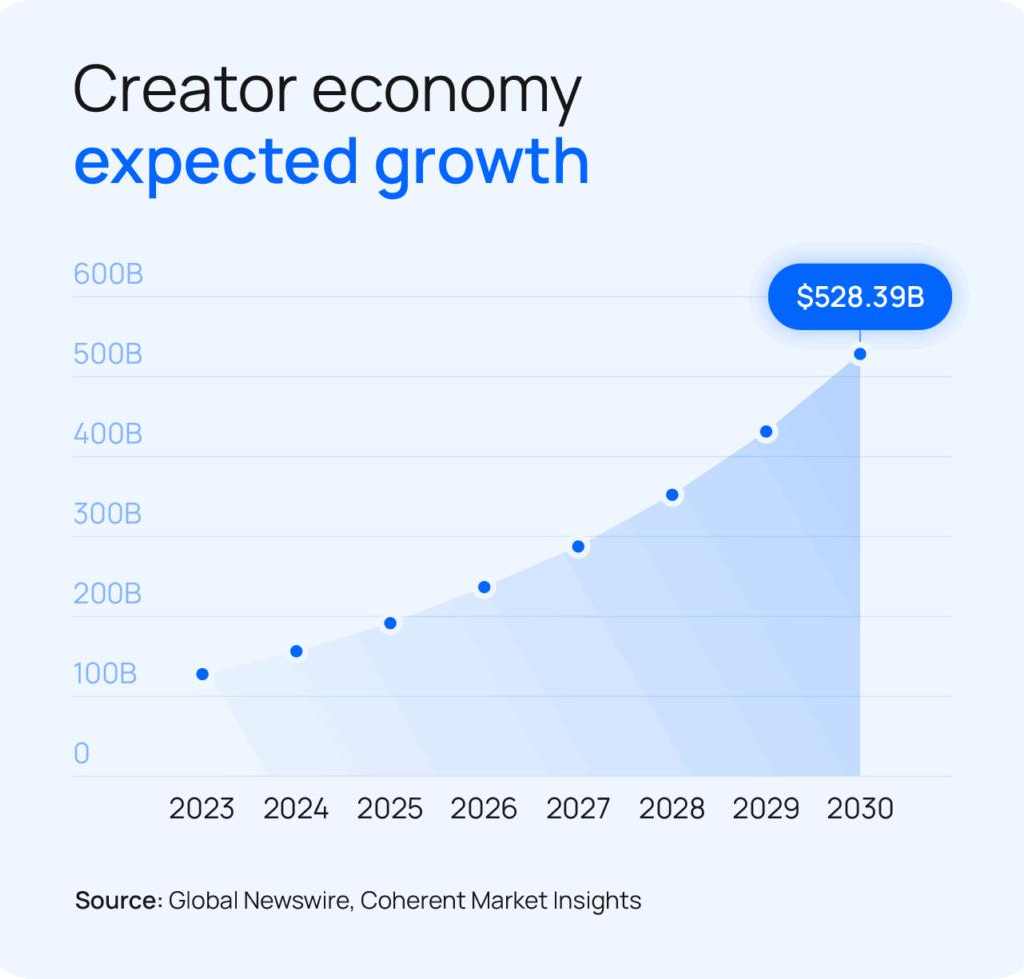
India’s influencer economy has experienced explosive growth. In the early 2020s, there were fewer than a million creators. 

  1. Now, India has around 3.5 to 4.5 million content creators. 
  2. India’s influencer marketing industry is projected to reach ~$15 billion (Rs. 3,375 crore) by 2026, growing at ~18-25% CAGR.

 And it’s not just numbers; it’s a massive mind shift. 

As Aditya Gurwara, Co-Founder of Qoruz, an influencer marketing platform that allows brands to work with influencers, explains: “Influencers have transformed from mere product promotion to being strategic partners to brands; This is not the future of marketing. It’s already reshaping the present.

From Followers to Founders: Influencer-Led Brands Redefining D2C

In this economy, your Instagram feed is basically a shopping mall.

Social media influencers and content creators are highly influential now.  Influencer marketing and the creator economy have had a significant impact in India over the past few years.

More and more young people are spending time online, and with increasing exposure to technology, today’s influencers have it relatively easy to reach out to millions of individuals.

The catalysts of this creator revolution :

  1. The quick rise of social media sites.
  2.  People’s growing grasp of how to use these sites.
  3. Companies use influencers not only to sell things but also to connect with customers.
  4. Trust and influence due to personalisation.
  5. Affordability of smartphones
  6. Affordability of mobile data

In the influencer economy, your FOMO is their ROI.

Social media is no longer a stage , it’s a marketplace with better lighting.
Likes Are Now Livelihoods.

During this revolution, the producers started making money from not just their work but also their skills and personal brands. They aren’t blogging for attention anymore; they’re launching businesses.

As we progress through 2026, India’s creator and influencer economy is growing rapidly. This brings both enormous potential and complex problems for everyone in the ecosystem for monetization, visibility, and brand partnerships.

India’s creator and influencer economy is expanding at unprecedented scales, and with it, both great opportunities and multiple challenges for all in the ecosystem.

Is the future of eCommerce really being scripted on Instagram?

Peach by Vishnu

Bollywood fashionista turned retail face, Vishnu, showcased Peach as part of the MotherCountry brand family. From everyday wear to quirky notebooks, Peach converts casual fans into an intimate lifestyle clique.

Dee Clothing by Deeksha Khurana

Deeksha’s Instagram account was naturally a fashion brand. She had a coherent aesthetic and sense of style, and everyone desired what she was wearing. Dee Clothing effortlessly combines product promotion and self-expression and turns her posts into both a lookbook and a campaign.

MotherCountry by Malvika Sitlani

As a beauty influencer herself, Malvika started MotherCountry as a high-end but affordable beauty brand. Her mompreneur achievement and authentic storytelling made the brand popular among young urban women.

#debasree by Debasree Banerjee

Unapologetic and fearless in its approach, gender-neutral, and green, Debasree’s clean beauty brand is a reflection of her fearless nature. #debasree differentiates itself on the basis of its mindful formulation and message of empowerment through individuality.

Label MN by Mumbiker Nikhil

What started as bike vlogs later inspired Nikhil to start Label MN, an unassuming streetwear brand. Banking on his loyal YouTube following, the brand organically grew, with no investment in paid ads, to demonstrate that authenticity and trust can drive business.

The Power of Platforms

You could be just a click away from building a brand.

Also, it has never been simpler to build a brand. Shopify, Instagram Shops, and Amazon are merely some of the numerous platforms making it possible for influencers to build online stores with little capital and easy logistics. That makes it possible for them to turn ideas into reality quickly, test products easily, and scale businesses with little risk.

  1. Influencers don’t need big ads; their regular content quietly does the marketing.
  2. Photos, reels, and stories are not just posts, but they drive sales.
  3. When creators speak directly to their followers, it is more personal.
  4. Instead of spending on ads, influencers grow brands through their active online presence.

Your shopping cart now has a personality, and it’s probably your favourite influencer’s.

Do you think content is the new capital in the digital business age?

Influencers have extraordinary benefits that normal brands can’t compete with :

  1. An inbuilt audience who confides in and engages with them actively.
  2. Low barriers to entry due to cheap e-commerce platforms.
  3. Content marketing natively, all reel and post being likewise brand marketing.
  4. They don’t buy reach, they own it.

What’s Next for India’s Creator Economy

Followers aren’t just fans anymore, they’re early investors who pay in pre-orders and hype. Fashion, beauty, arts and entertainment, and gaming will dominate influencer entrepreneurship in 2026, with health, fitness, finance and food universes following suit and catching up on post-pandemic wellness trends.

Live selling and selling products outright through social media is bringing a very strong new dynamic to the market. If it will remain a lasting trend is not known, but this much is certain, influencers have moved from the wings to center stage in contemporary business.

When likes turn into livelihoods, the algorithm becomes your accountant.

This is not a fad, it’s a cultural moment. 

Influencers are crafting real brands from personal tales and authentic community interactions driven by creativity and tenacity, not corporate-school of thought. Because their viewers continue to shift, so will these creator-driven brands. They’re not merely merchandising products, they’re actually creating culture, unboxing by unboxing.

Are brands ready for the creator-led conversation?

Which influencer-driven brand caught your attention in the past month? How is this creator-commerce trend affecting your shopping habits?

Do you think creators are reshaping consumer trust faster than traditional advertising ever could?

And think about this…If your favourite influencer launched toothpaste tomorrow, would you buy it just because their smile convinced you?

Let us know in the comments below.

Until then, keep scrolling until you discover your new favourite influencer brand!