Culture and Cravings: How India is Redefining Its Snacks Story
India’s nostalgic snack revolution
Introduction
Is India finally taking a break from its own story?
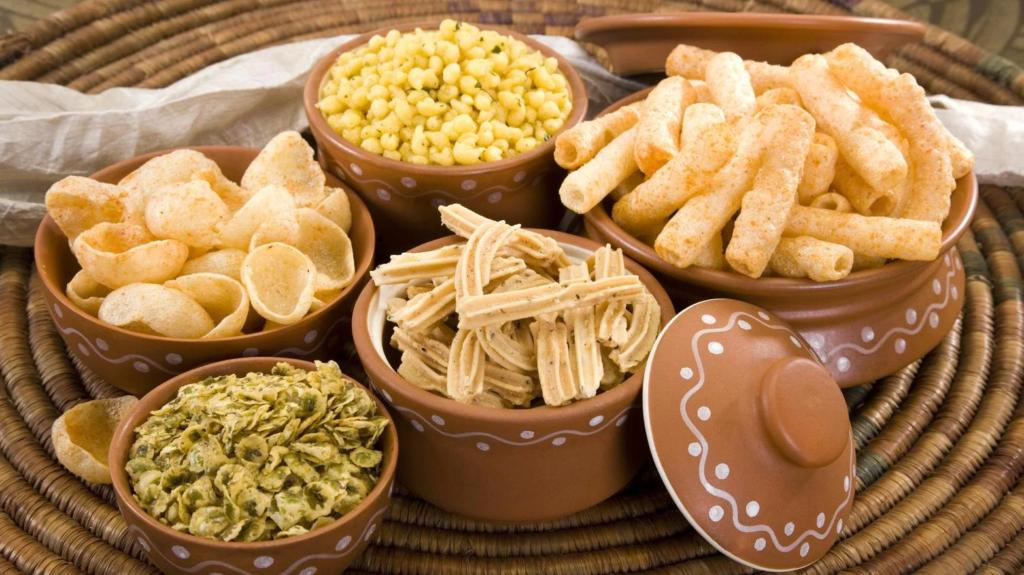
During tea time, any Indian home will give you something crunchy, spicy, or sweet, and often all three. India is a country that loves to snack. Kerala has banana chips, Maharashtra has bakarwadi, Tamil Nadu has murukku, and Rajasthan has bhujia. But for decades, huge multinational companies have run our snack aisles. But things are getting better.
It’s great that India is bringing back its snacking culture in a trendy way. Let’s look at how the Indian snack market is moving from snacks from other countries to regional, nostalgic, and homemade snacks.
Are you ready to savour this sweet and spicy story with us?
What This Blog Will Teach You:
- How the Indian market was originally dominated by legacy snack manufacturers
- Why local and regional treats are becoming more popular among Indian people
- The influence of cultural memory and nostalgia on eating preferences
- How local snack trends are being driven by companies like Daadi’s, Go Desi, Paper Boat, and Maganlal Chikki
- How India’s culinary tradition and diversity are reflected in regional snacks
- What the emergence of these companies portends for the snacking market in India
Big Brands on Every Aisle
Because of the many multinational brands that were available in India, such ITC (Bingo!) and PepsiCo (Lay’s, Kurkure), the snack scene there sounded extremely similar until recently. These companies were good at talking about things that would appeal to a lot of people and things that could be made in large quantities.
To make Indian people prefer them, Lay’s added indigenous tastes like Magic Masala and Chilli Chatka.
A U.S. company made Kurkure, a popular “desi” crunchy food, which is funny.
They gave them:
- distribution strength
- convenience
- a long shelf life
- innovative marketing
Bollywood stars endorsed these sweets, and they were easy to find at kirana shops, which made them famous.
But there was no spirit underneath the shiny packaging.
Do these snacks really show how diverse and varied our food traditions are?
Snacking with a Soul: The Return of Nostalgia
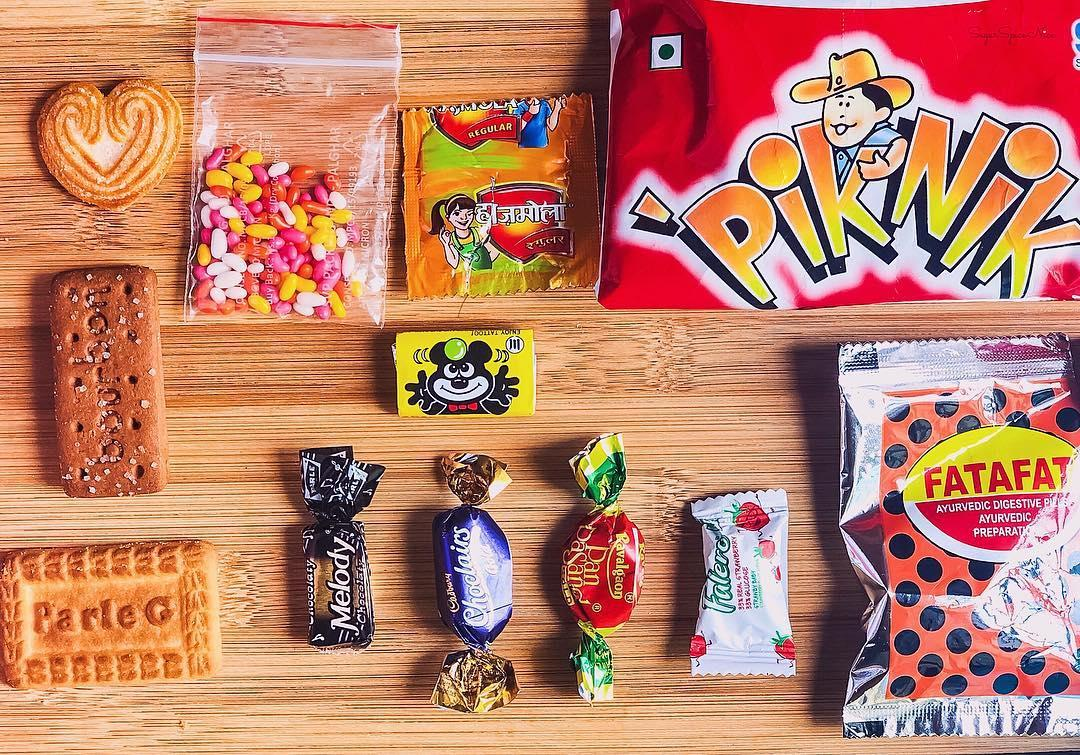
In the last ten years, there has been a quiet revolution: people are going back to snacks that remind them of their childhood, dadi ke haath ka khana, and home. The new generation of snack entrepreneurs cares more about making an emotional connection than about mass marketing.
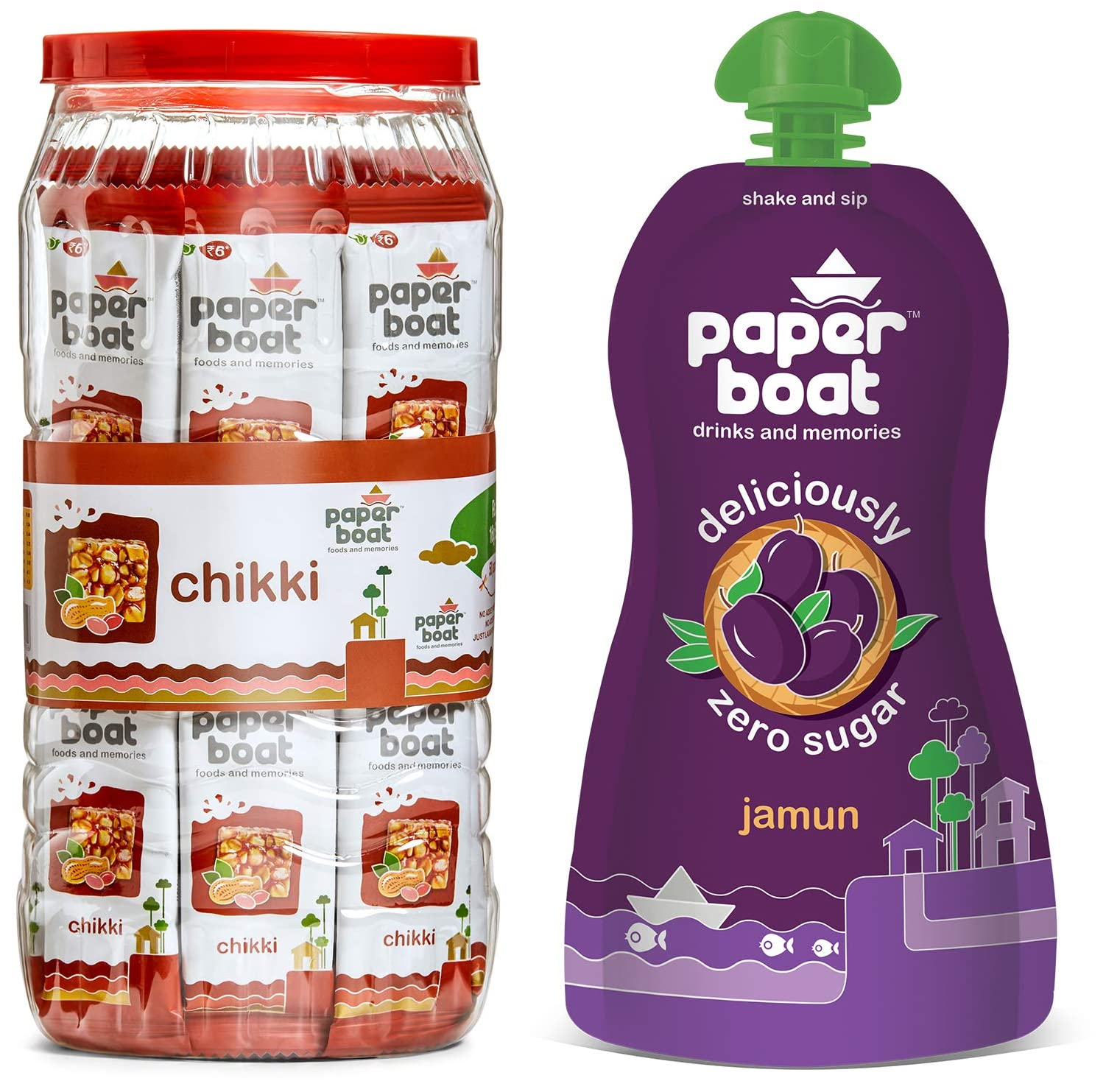
- For example, we love Paper Boat’s drinks like Chhaas, Jaljeera, and Aamras. But it didn’t stop there; it also had traditional snacks and delicacies like peanut chikki.
- Go Desi filled the gap with jackfruit bars, banana bites, peanut chikkis and imli pops, all wrapped in nostalgic packaging and earth tones.
- Haldiram’s, a well-known brand, smartly expanded their product line to include small samosas, mathri and bhujia variants to reconnect with regional identities.
It is not just about food.
These businesses sell comfort, culture, and memories.
Does a snack remind you of home and make you smile?
How India’s Snack Boom Is Being Driven by Regional Flavors
By adhering to traditional tastes, regional snack brands like Gopal Snacks, Bikaji, and Balaji Wafers are succeeding. These brands, which range from gathiya to bhujia, satisfy regional tastes that national brands frequently overlook.
Now, their strong local roots are becoming a major industry. Ethnic snacks are demonstrating that they can grow without sacrificing their Desi flavor, as evidenced by Balaji’s revenue of over ₹5,000 crore and other successful initial public offerings.
- From ₹2,300 Cr in 2021 to ₹5,000+ Cr in 2023, Balaji Wafers experienced growth.
- The stock of Bikaji increased from ₹300 to ₹700+ by 2024 after its IPO in 2022.
- Gathiya and namkeen account for 60% of Gopal Snacks’ revenue.
- Local taste knowledge helps regional brands succeed.
- Investor interest in ethnic snack manufacturers is high.
India’s Snack Market: A $17 Billion Craving and Growing
India’s snacking market, which offers a wide variety of tastes, textures, and customs that represent the nation’s rich culinary legacy, is firmly anchored in culture and daily life.
- 2025 Market Size: $17.11 billion
- CAGR projection for 2025–2030: 6.89%
- Market Volume Anticipated in 2030: 4.37 billion kg
- 2.5 kg is the average snack volume per person in 2025.
But is that it for the Indian snack market?
Are there any brands bringing a revolution with their flavours and feels?
Continue reading to know.
Daadi’s: Grandma’s Recipes with a Modern Twist
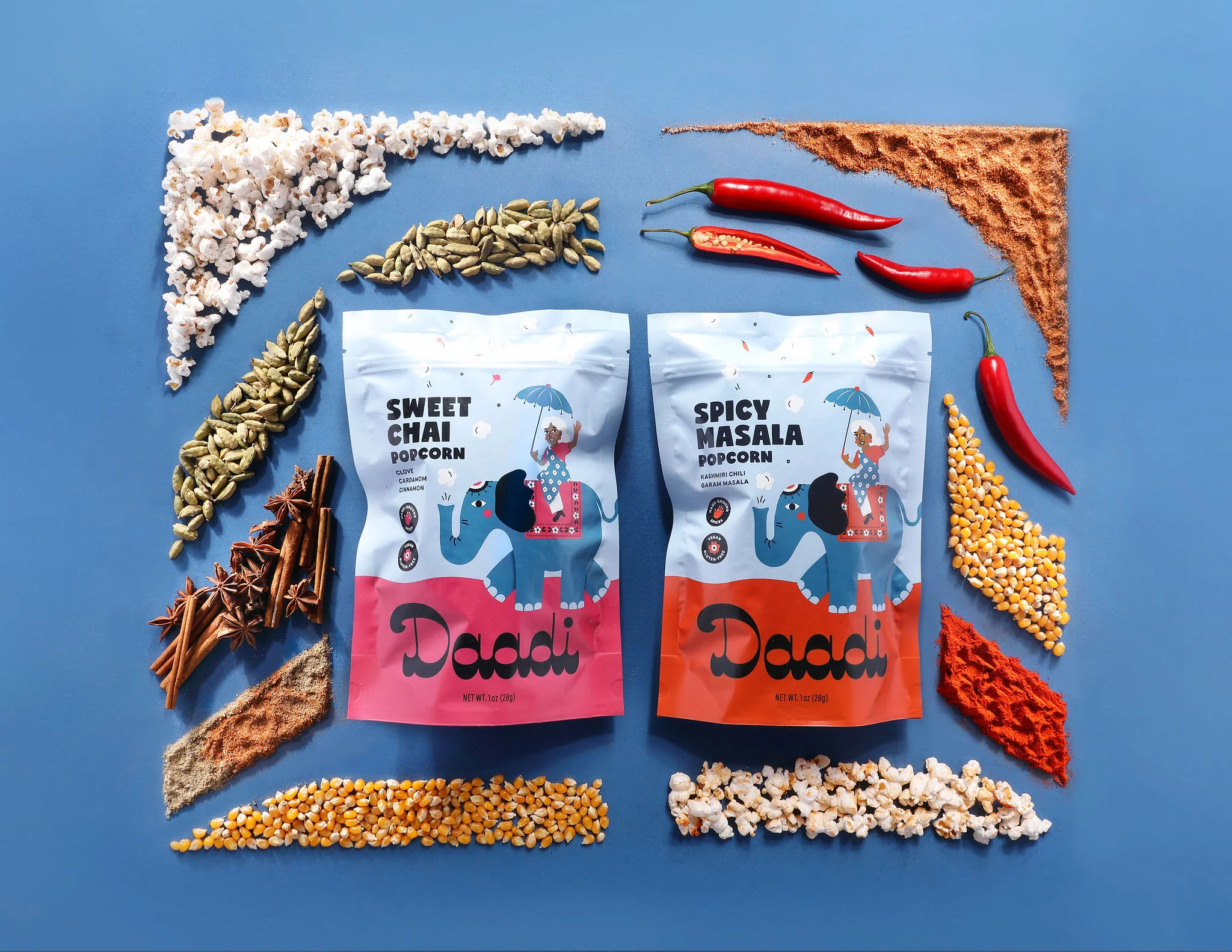
Daadi’s brings back the appeal of classic Indian munchies with a modern twist. The brand is known for its healthy, preservative-free khakhras and other ethnic snacks like besan laddoos and chutney powders. It appeals to nostalgia while also being convenient for today’s fast-paced world.
Their tiny packets and health-focused foods appeal to both health-conscious snackers and millennials who miss home. Daadi’s, which started in South India and wants to grow across the country, is a great example of how to mix new ideas with old ones.
- Grandma’s kitchen recipes: A taste of tradition in every bite
- No preservatives or shortcuts: just honest and wholesome.
- Smart Snacks: Products for health and mobile devices
- Pan-India Vision: Using regional flavours to reach more people Dadi Ke Nuskhe, Modern Packaging
What is causing this change?
It has a mix of cultural pride, health worries, and nostalgia.
The new consumer is asking questions, especially Gen Z and millennials:
Is there no preservative in this?
Could my grandma have done it?
Is it Indian?
And businesses are taking action.
Maganlal Chikki: The First Desi Superstar
Let’s talk about Maganlal Chikki, one of the oldest names in the game.
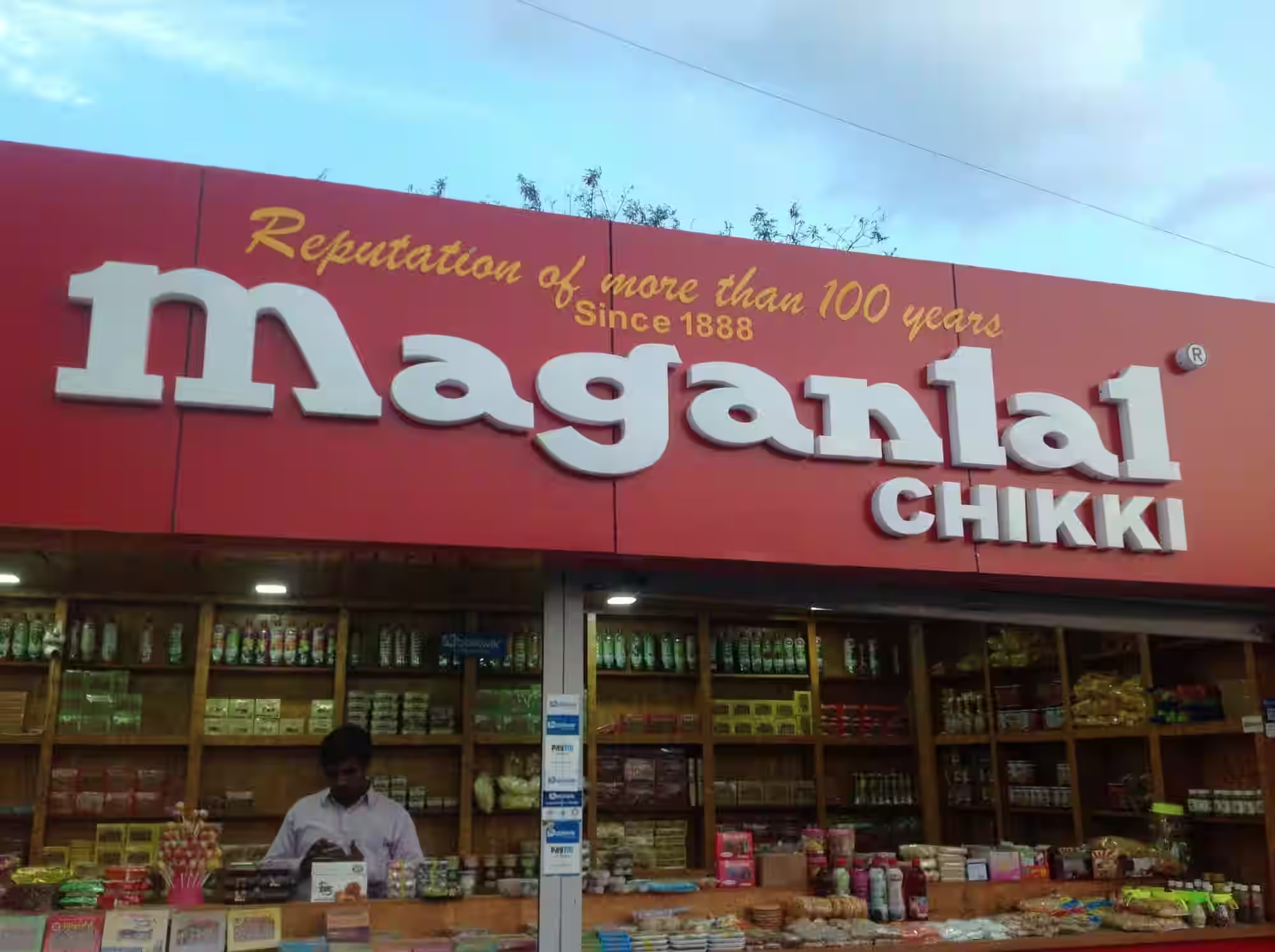
When railway workers needed energy on the run, they used to resort to this legendary brand, which was launched in Lonavala in 1880. Peanut chikkis made with nuts, jaggery, and no preservatives, wrapped in teak leaves.
What day?
Maganlal is winning hearts the old-fashioned way, by keeping to old recipes, hand-making every item, and not cutting shortcuts.
Why is a brand that has been around for 140 years still important in the age of protein bars? Think about Maganlal Chikki. Maganlal Chikki is more than simply a snack; it’s an experience that goes back to 1880 in Lonavala. The firm has stayed true to its roots by selling peanut brittle on teak leaves and now using the internet to ship all over the world.
Here are some of their highlights:
- Without preservatives, made by hand using old-fashioned recipes
- Sending goods to the US, France, and Dubai
- Using traditional methods of preparation over and over again
- Maganlal is a bridge between the past and the future since it is both scalable and real.
Are we finally starting to like our dadi’s dishes as much as fancy delicacies from other countries?
The Rise of “Village to Urban Shelf” Brands and Go Desi
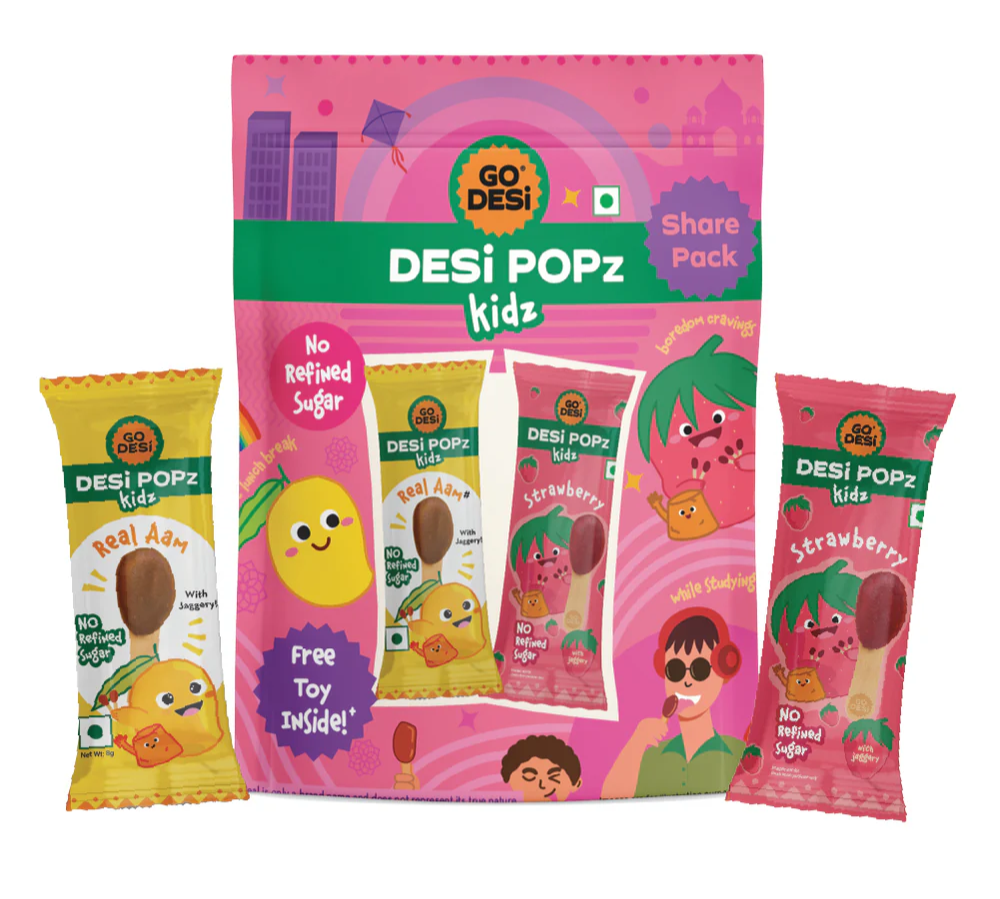
Go Desi is probably the clearest example of how indigenous delicacies can become ubiquitous without losing their particular flavour.
SHGs (Self Help Groups) and small company owners in rural South India are where it gets its information.
DESI POPZ is one of its best-selling goods, and it was inspired by the imli toffees we liked as kids.
Some of their unique products are:
- Kaccha Aam Popz
- Real Aam Popz
- Chatpata Aamla Bytes
Their genius lies in two things:
- Packaging nostalgia like a millennial trend
- Building a desi cool factor into rural-made goods
Startup incubators and venture finance have backed it, which is unusual for a “desi” snack brand.
Familiar & Affordable: Desi flavors like tamarind provide nostalgic appeal, and the ₹5 price tag fits daily budgets in small towns.
Retail-Friendly: Perfect for neighborhood vendors and kirana shops, it facilitates distribution and increases visibility in rural markets.
Local Love, National Scope: This strategy combines classic flavor with astute branding to help Go Desi cultivate a devoted following outside of major cities.
What do they do?
- Buying things that are good for the environment
- Actual recipes
- Smart branding mixed with pure nostalgia
Go Desi is more than simply a few snacks.
it’s also a way to show off India’s hidden kitchens and help the economy in those areas.
What if the next snack you love came from a rural kitchen instead of a factory?
A Paper Boat Full of Memories and Emotions
Nostalgia wrapped in chikkis and infused in drinks.
That is what Paper Boat is doing.
We can’t talk about this movement without mentioning Paper Boat. Instead of just bringing back drinks like Aam Panna and Jaljeera, they made it sound romantic.
Every item included:
- A soft story
- Pictures and themes about being a child
- Not many things
Later, they added delicacies like chikki and peanut brittle, but they always kept the message’s base in purity and memory.
- No preservatives
- Texture that is produced by hand
- Old recipes in new forms
Paper Boat taught Indian consumers that “local” might mean high-end, stylish, and something to strive for.
Is nostalgia becoming a better way to market things and a healthier alternative to flashy snacks?
A Packet of India’s Culinary Heritage: The Flavour of Tradition
A business may do more than simply generate money by selling til laddoo, peanut chikki, chakli, or murukku. It can also help keep culture alive.
New businesses are putting new spins on old tastes.
We are also seeing Ayurvedic infusions, millet-based snacks created in the area, and snack boxes that are chosen depending on the region and the festival.
These are not only better for you, but they also help you feel more like yourself.
Your next snack could be a cultural passport to a recipe or area that has been lost.
What is causing this snack revolution?
Several things have sped up this rise:
- Young folks that care about their health and stay away from artificial preservatives
- Social media story that encourages real, local content
- Help for local entrepreneurs from investors and incubators
- Thanks to online delivery services, stores don’t need to be as big anymore.
- Indians residing in places like Dubai or New York who miss the food from their home country
- Food influencers are also backing companies that are handcrafted, come from the area, and have a lot of history, especially those with interesting stories.
Is the Indian identity finally showing up in the snack business?
What will happen to snacking in India next?
Not only is the rise of regional munchies a trend.
It’s a cultural reset.
We’re going beyond chips and colas to jackfruit bars, ghee-roasted khakhras, nolen gur laddoos, and puffed millet bhel.
Brands of days compete not only on flavour but also on how real, open, and interesting their stories are.
Most importantly, people are once again proud of honouring Indian culture, one bite at a time.
The Indian snack sector should take charge of its own identity now that interest in Indian food is expanding around the world and young Indians want to reconnect with their roots.
What if we thought of our kitchens as cultural centres and Indian snacks as fine dining?
The Fight for a Reclaimed Culture
For years, we’ve been eating chips and crackers that have nothing to do with our soil, our history, or our senses. But soon, snacks will do more than simply fill you up; they will also make you feel good about yourself, honour your traditions, and make you feel nostalgic.
So, maybe skip the usual when you want a quick snack during your chai break. When you find that peanut chikki, jackfruit snack, or imli sweet on a teak leaf, you’re not just eating. You’re remembering.
You can also be putting together a culinary culture that has always been yours.
Will authenticity and regional origins determine the industry’s future as India rediscovers its love for traditional snacks, or will global influences change what we eat next?
Tell us what you think in the comments below!