Thread By Thread: The Story of Indian Handicraft and Heritage
How India’s handmade legacy is transformed into livelihood and global commerce
Introduction
Behind every piece of handmade work lies a soul, a narrative, and a heartbeat.
Did you ever catch a moment to think about the hands that made your favorite kurta or the soft brushstrokes in a block print saree?
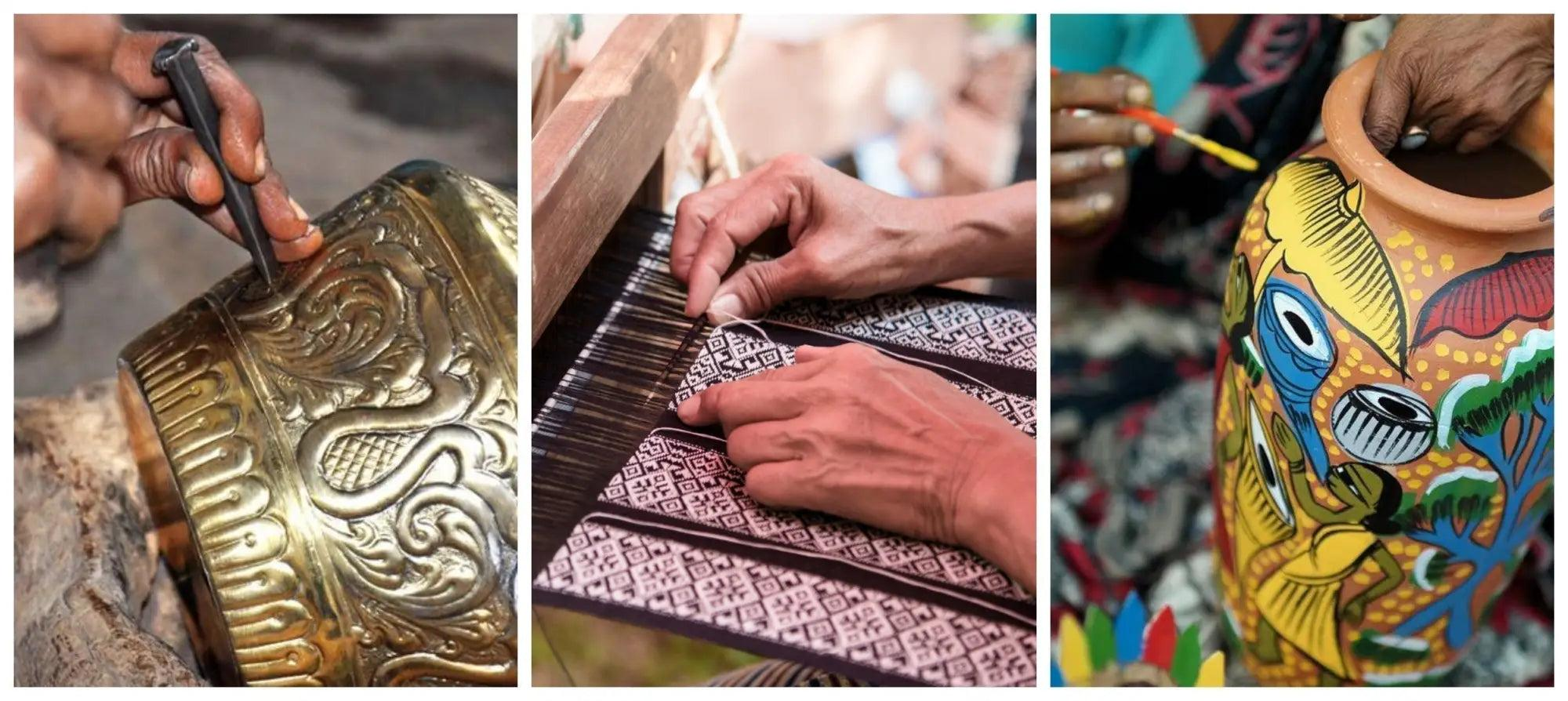
Indian handicrafts are not just gorgeous things to view or wear. They are living pieces of heritage, made by artisans who have passed on the skills generation by generation.
But here’s the real question:
Can ancient crafts power India’s growth story in a machine- and speed-driven world?
Are we doing enough to preserve them?
India’s handicrafts sector:
- Had a value of USD 4,565 million in 2024
- Can be expected to grow to USD 8,198.5 million by 2033
- With a CAGR of 6.39%
Such sustained growth is reflective of:
- Increasing global demand
- Increasing domestic demand for handmade goods
- The ability of the sector to create rural jobs
- Maintaining heritage
- Contributing meaningfully to India’s economic development
Handicrafts are not just culture, they’re commerce, jobs, and innovation.
In this blog, we’ll look at five remarkable Indian brands that are doing just that.
They’re not just selling products, they’re building movements.
Movements that blend tradition with innovation, art with commerce, and the past with the future.
What You’ll Learn From This Blog
By the end of this read, you’ll discover:
- How India’s handicraft sector is growing into a multi-billion-dollar industry.
- The inspiring journeys of five Indian brands reshaping heritage into modern business.
- How artisans are being empowered with dignity, jobs, and global reach.
- The challenges handicrafts face against machines and mass production.
- The role of technology and platforms in giving artisans digital wings.
- Why handicrafts are not only culture, but also commerce, sustainability, and social reform.
The Indian Ethnic Co: A Family’s Love of Fabric Became a Movement
Started with 50 meters. Now empowering thousands.
It all started with just a simple trip to the store.
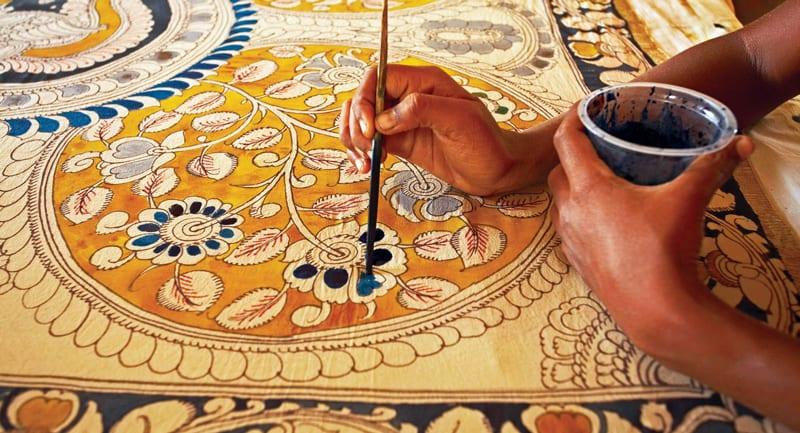
Mother-daughter duo Hetal and Lekhinee Desai went to a handloom exhibition and came back with 50 meters of Ajrakh fabric. No business plan. Just passion for Indian fabrics. They stitched kurtis with a local tailor and put the photos on the net. Orders began pouring in within days.
Today, The Indian Ethnic Co.:
- Empowers nearly 1,000 artisans
- Works with ancient handloom processes like Bandhani, Kalamkari, Dabu, and more
- Ensures every product is handmade, from natural dye to tailoring the entire outfit
“When we began The Indian Ethnic Co, we had only one goal – to make Indian fashion responsible, sustainable, and truly handcrafted.”
Their mandate is simple: make Indian fashion responsible, sustainable, and soulful. And based on appearances, consumers are taking note.
Would you wear clothes made with history, or wear clothes made by a machine?
What was the last handmade item you wore and ever pause to think about who made it?
Okhai: Empowering Women in Rural Communities to Start Businesses
From embroidery to empowerment.
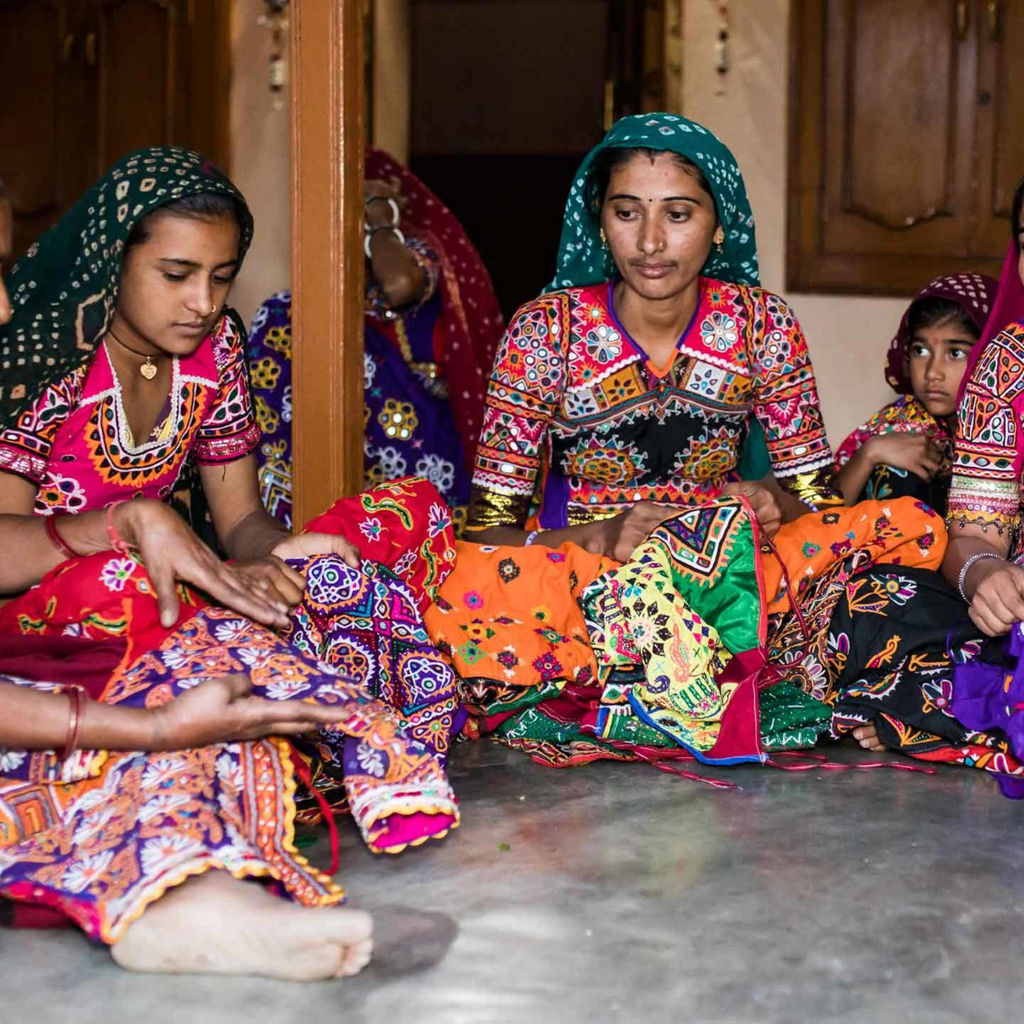
Imagine visiting a village and seeing women doing intricate embroidery and mirror work without deriving any benefit from it. That is what Kirti Poonia saw in Okhamandal, Gujarat.
She did something about it.
Okhai today:
- Started with just a small group of women
- Has grown into a network of over 24,000 rural artisans across India, mostly women
- Sells handmade clothing, accessories, and home furnishings through the Okhai platform
- Enables women to own their skills and instills a sense of dignity and pride within them
Do you think handicraft commodities will reign supreme over the fashion industry as intensely as the lifestyle brands?
In your selection, would you choose a product that transforms lives directly?
Anita Dongre’s House: Two Sewing Machines to a Fashion Empire
Where couture meets conscience.
In 1995, nobody believed Anita Dongre when she suggested affordable fashion for working Indian women.
- Malls turned her away
- Retailers didn’t believe
So she built her own brand.
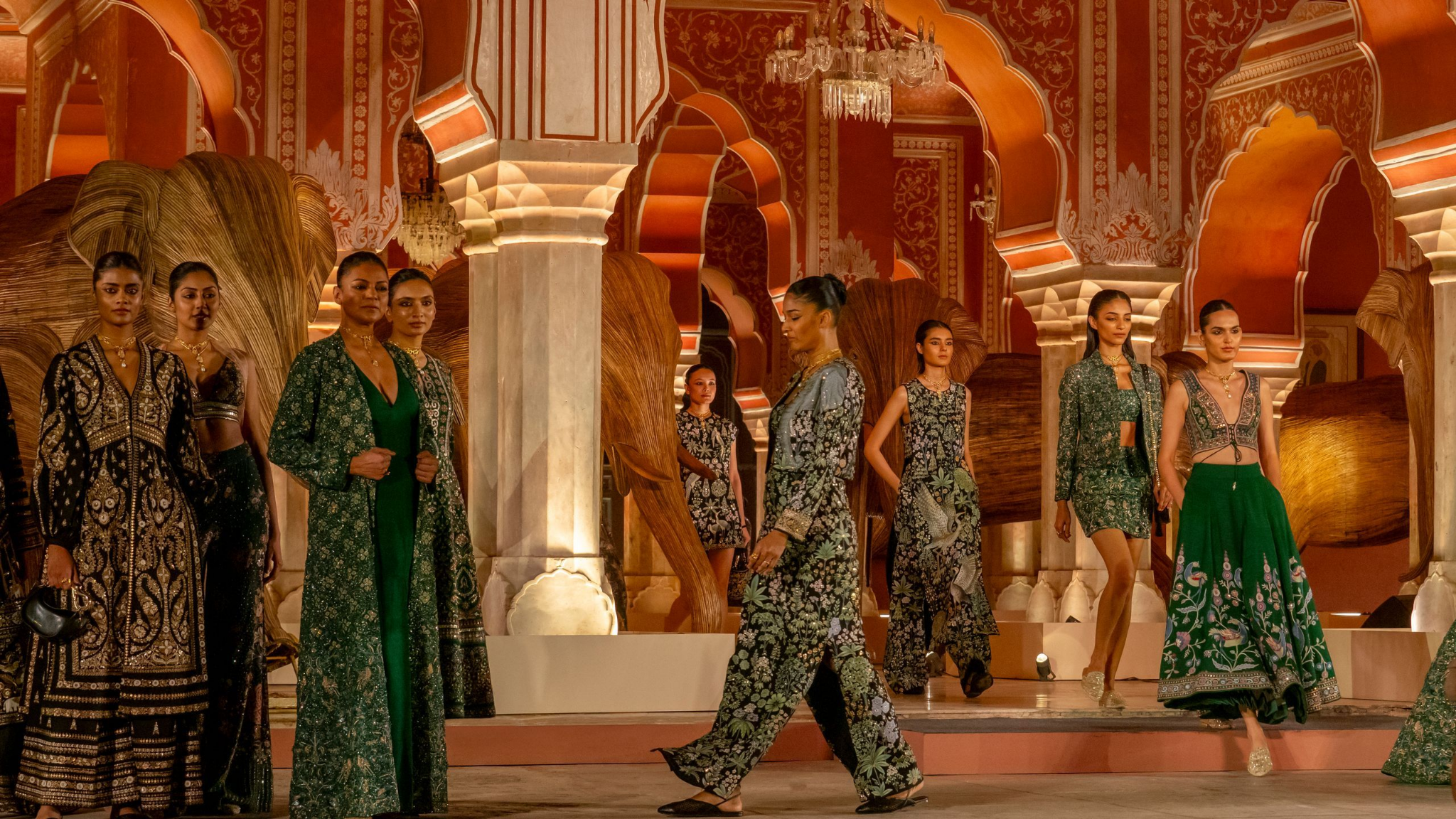
What started with two sewing machines is today one of India’s biggest fashion houses: The House of Anita Dongre.
It has:
- Brands like Grassroot and Pink City
- Directly employs thousands of rural artisans
- Revives Rajasthani and other Indian arts for global consumers
Anita Dongre’s tale shows that sustainability can also be profitable and fashionable.
Can fashion be sustainable and profitable? Evidently, yes.
Do you think big fashion brands have a responsibility to serve local artisans?
Tjori: Bringing Indian Crafts Global
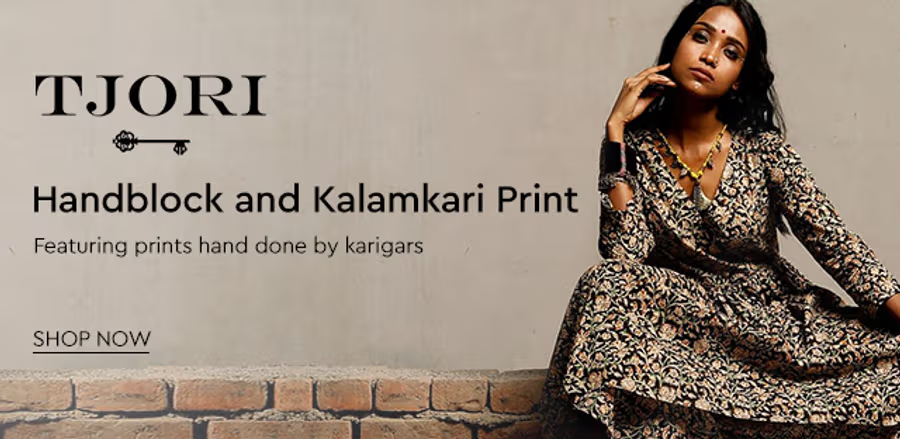
From Wharton to wardrobes worldwide.
Mansi Gupta noticed during her Wharton school days that while there was huge international demand for Indian crafts, there was no big Indian brand satisfying the demand.
So she started Tjori, which began on a little whiteboard and now:
- Works with over 700 artisans
- Offers hand-painted jackets, Ayurvedic cosmetics, and more
- Puts Indian crafts into living rooms and closets across the globe
Tjori offers more than products, it whispers. Of artisans, heritage, and design created from tradition but ready for modern lives.
Would you like to wear something that tells a story, or just sells a fashion?
Indian handicrafts can go beyond geographical boundaries. Do you think this will bring new identity for the Indian handicraft sector globally?
Eco Tasar: A Tool for Women to Become Powerful
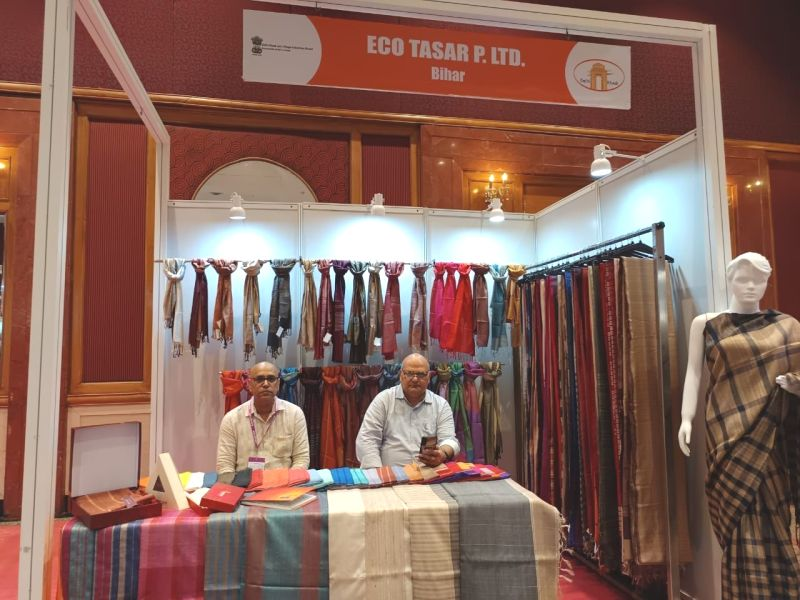
Empowerment-woven silk.
In Bhagalpur, Bihar, silk weaving has been a part of local culture for centuries. But women rarely ever had control over its commercial element.
Enter Khitish Pandya, who took charge of a moribund NGO-owned unit and began Eco Tasar in 2007. His idea was simple: hand over the reins to the women.
Today:
- Over 1,000 women are employed by Eco Tasar
- Products include tasar and eri silk sarees, cushion covers, and scarves
- Yarn is sourced from Jharkhand, woven in Bihar, stitched in Delhi
- A true grassroots-to-world tale
Khitish says it best:
“It’s not about products. It’s about respect, money, and the future.”
Would you pay more if you knew your purchase was changing somebody’s life?
Why These Stories Matter
Not only brands. They’re bridges.
These companies aren’t only building businesses, they’re rebuilding culture, empowering women, and getting India’s heritage seen in a global market.
They are:
- Building livelihoods for thousands of artisans
- Making traditional crafts modern in new markets
- Empowering rural communities towards self-sufficiency
- Showing that fashion and sustainability can exist together
What of these effects connects with you most?
How do consumers make these effects more mainstreamed?
But It’s Not All Easy
The beauty comes with battles.
Indian artisans continue to deal with some challenging issues:
- Low digital literacy and internet penetration
- Irregular sources of income
- Fierce competition from machine-made products
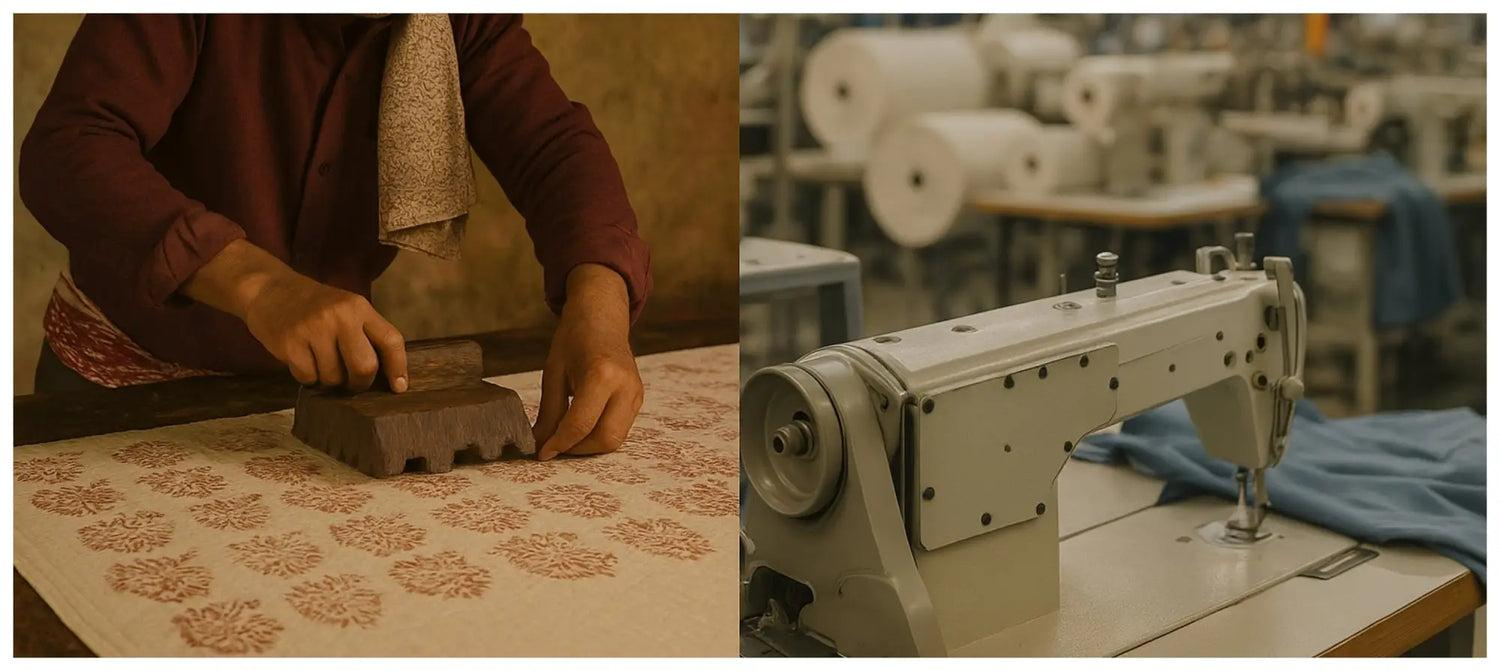
But something is happening:
- Government initiatives
- Platforms like Amazon Karigar
- Consumer demand for eco-friendly, handmade products
These increasingly are starting to change the equation.
What can be the role of technology platforms in enabling artisans in the new digital world?
What’s Next for Indian Handicrafts?
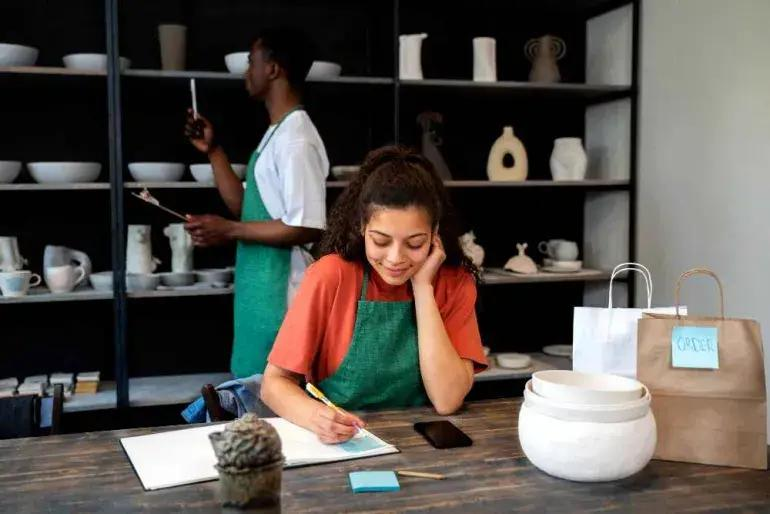
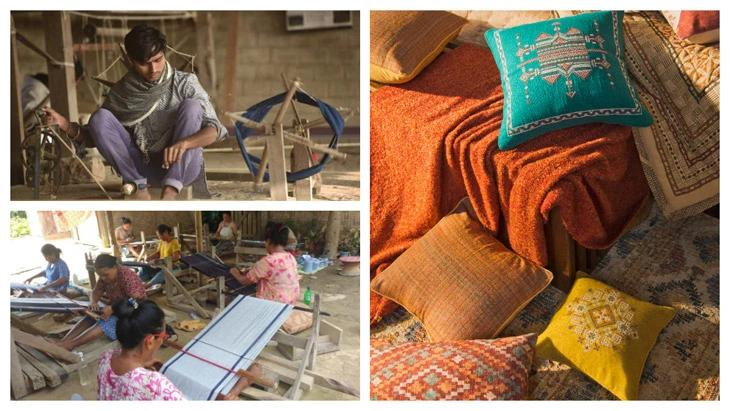
7 million artisans. Infinite possibilities.
India has over 7 million artisans, of which the majority are women. If provided with appropriate support in:
- Technology
- Training
- Market access
- Policy
This sector can become a major pillar for India’s economic renaissance and international reputation.
Public-private collaborations, attractive subsidies to small-scale enterprises, and nationwide campaigns like “Make in India” can contribute significantly towards strengthening the handicrafts sector, becoming one of India’s leading GDP contributors.
With the world moving towards authenticity, handmade, and sustainability, Indian handicrafts might just be the solution.
Are we doing enough to establish ‘handmade in India’ as an international badge of honour?
To Sum Up
Craft is culture. And culture is currency.
Indian craft is not merchandise. It’s a story. It’s old-fashioned skills learned over time. And now, it’s also a chance for social reform, economic development, and cultural renewal.
With these five visionary brands, we’re not preserving tradition; we’re reimagining it for a brighter, better world.
The next time you wear a handloom saree or sip chai from an adorned cup, remember:
You’re a part of someone’s story.
A tale of resilience, revival, and identity.
How can Indian handicraft brands scale globally without losing their cultural roots?
Let’s keep the threads alive. What is your favourite handicraft brand and why?
What role should government vs. private brands vs. tech platforms play in scaling this industry?
Share with us in comments below!