Unboxing the Power of Influencer Product Drops : How Creators Are Turning Followers into Customers
Do you remember when influencers used to open boxes of things, review them, and praise brands from the sidelines?
The times have changed.
From filters to fortunes , influencers are now swapping hashtags for hashtags of cash.
The thin line between “watching content” and “purchasing something” is no longer as clear as the filters influencers apply to their own selfies.
What You’ll Learn From This Blog
- How influencers are transforming from brand endorsers to successful entrepreneurs
- The unique advantages influencers have when launching their brands
- The rise of India’s creator economy and its impact on the business landscape
- Real-life examples like Parul Gulati’s journey with Nish Hair
- Important developments that are changing businesses run by influencers and what they signify for brands and customers
Today, creators like Bollywood actress-turned-businesswoman Parul Gulati are changing the rules by turning their own stories and dedicated fans into successful enterprises. Take Parul, for example. Having survived a low in her acting career, so low that she even shaved her head out of desperation, she realised that there was a massive gap in the market for good-quality, cheap hair extensions.
This shows us that:
- Creators can turn life’s lowest points into marketing products.
- A loyal fan base has real sales and drives brand growth.
- Authentic narratives that resonate with customers are the new business models.
That was the idea behind Nish Hair, a brand that has become a well-known name in India’s Direct-to-Consumer (D2C) market, fueled by creator entrepreneurship. Founded on storytelling and real problem-solving, the brand grew through content-first distribution, especially transformation videos and tutorials.
Parul’s story is not only a sole success saga but a bigger revolution wherein influencers are becoming entrepreneurs and creating brands that resonate with people at an emotional level.
Nish Hair by Parul Gulati
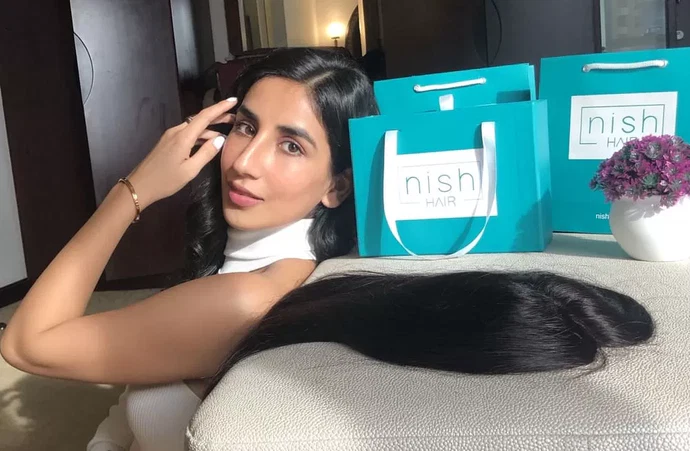
Drawing on her experience with hair extensions, Parul started a genuine brand with genuine issues in mind. Her transformation series and tutorials propel word-of-mouth growth, making Nish Hair relatable and authentic.
In 2022, Nish Hair raised Rs.1 crore in funding from Shark Tank India by Amit Jain for 2% equity, which played a key role in accelerating its growth.
Recently, when interviewed, Parul replied, “I’ve always said this—I’m married to my acting career, and my brand is my child. Women are naturally great at multitasking. If we can be a wife and a mother, why can’t I be an actress and a businesswoman too?”
A Wig, A Wish, A New Start
When she was only 24 years of age, Priya, a dynamic young girl from Mumbai, had her life turned around when she was diagnosed with cancer. Volunteering extensively for the charity “Karo Home,” Priya was always the strong pillar for everyone else. However, chemotherapy weakened her body and also destroyed her self-perception.
Help arrived most unexpectedly when actor and Nish Hair owner Parul Gulati discovered Priya’s story. Inspired by her bravery, Parul convinced Priya to obtain one of Nish Hair’s best wigs.
It was so much more than a makeup over for Priya, a coming back to self. After makeup, she smiled again, stepped out with confidence, guided other children at Karo Home, and took selfies that exuded hope.
Her wig represented a new lease of life, a rebirth, and she became the assertive, understanding self-nature had meant for her.
Parul Gulati didn’t just sell hair extensions; she sold a story people could wear on their heads.
Hence,
- Creator brands drive real change by going beyond just selling products.
- These brands are not just about commerce and profitability but prioritise connection and community building first.
- They uplift and support their customers.
Creator Economy’s Rapid Rise
Can an influencer turn digital trust into real-world transactions? Let’s see.
The creator century is right here. And content creation is now a career and not just a hobby.
The D2C boom is just influencer marketing with a checkout button.
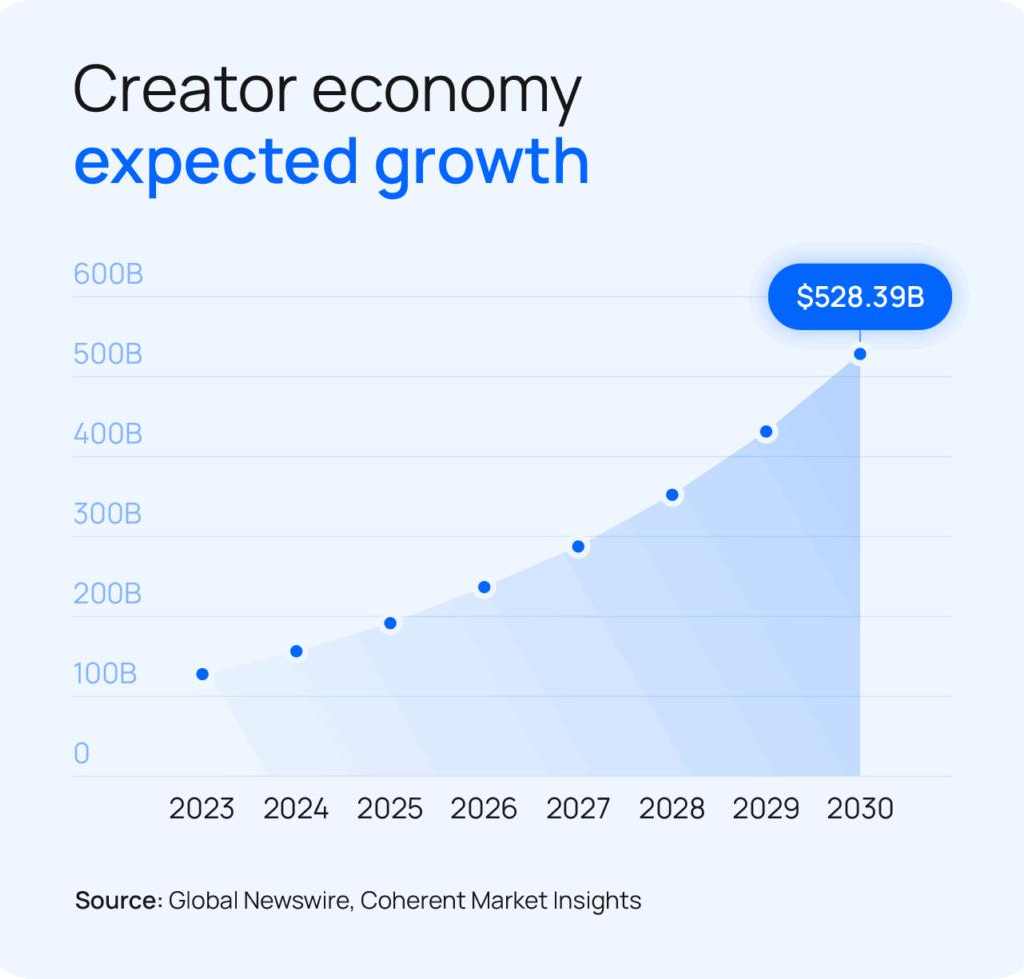
India’s influencer economy has experienced explosive growth. In the early 2020s, there were fewer than a million creators.
- Now, India has around 3.5 to 4.5 million content creators.
- India’s influencer marketing industry is projected to reach ~$15 billion (Rs. 3,375 crore) by 2026, growing at ~18-25% CAGR.
And it’s not just numbers; it’s a massive mind shift.
As Aditya Gurwara, Co-Founder of Qoruz, an influencer marketing platform that allows brands to work with influencers, explains: “Influencers have transformed from mere product promotion to being strategic partners to brands; This is not the future of marketing. It’s already reshaping the present.“
From Followers to Founders: Influencer-Led Brands Redefining D2C
In this economy, your Instagram feed is basically a shopping mall.
Social media influencers and content creators are highly influential now. Influencer marketing and the creator economy have had a significant impact in India over the past few years.
More and more young people are spending time online, and with increasing exposure to technology, today’s influencers have it relatively easy to reach out to millions of individuals.

The catalysts of this creator revolution :
- The quick rise of social media sites.
- People’s growing grasp of how to use these sites.
- Companies use influencers not only to sell things but also to connect with customers.
- Trust and influence due to personalisation.
- Affordability of smartphones
- Affordability of mobile data
In the influencer economy, your FOMO is their ROI.
Social media is no longer a stage , it’s a marketplace with better lighting.
Likes Are Now Livelihoods.
During this revolution, the producers started making money from not just their work but also their skills and personal brands. They aren’t blogging for attention anymore; they’re launching businesses.
As we progress through 2026, India’s creator and influencer economy is growing rapidly. This brings both enormous potential and complex problems for everyone in the ecosystem for monetization, visibility, and brand partnerships.
India’s creator and influencer economy is expanding at unprecedented scales, and with it, both great opportunities and multiple challenges for all in the ecosystem.
Is the future of eCommerce really being scripted on Instagram?
Peach by Vishnu
Bollywood fashionista turned retail face, Vishnu, showcased Peach as part of the MotherCountry brand family. From everyday wear to quirky notebooks, Peach converts casual fans into an intimate lifestyle clique.
Dee Clothing by Deeksha Khurana
Deeksha’s Instagram account was naturally a fashion brand. She had a coherent aesthetic and sense of style, and everyone desired what she was wearing. Dee Clothing effortlessly combines product promotion and self-expression and turns her posts into both a lookbook and a campaign.
MotherCountry by Malvika Sitlani
As a beauty influencer herself, Malvika started MotherCountry as a high-end but affordable beauty brand. Her mompreneur achievement and authentic storytelling made the brand popular among young urban women.
#debasree by Debasree Banerjee
Unapologetic and fearless in its approach, gender-neutral, and green, Debasree’s clean beauty brand is a reflection of her fearless nature. #debasree differentiates itself on the basis of its mindful formulation and message of empowerment through individuality.
Label MN by Mumbiker Nikhil
What started as bike vlogs later inspired Nikhil to start Label MN, an unassuming streetwear brand. Banking on his loyal YouTube following, the brand organically grew, with no investment in paid ads, to demonstrate that authenticity and trust can drive business.
The Power of Platforms
You could be just a click away from building a brand.
Also, it has never been simpler to build a brand. Shopify, Instagram Shops, and Amazon are merely some of the numerous platforms making it possible for influencers to build online stores with little capital and easy logistics. That makes it possible for them to turn ideas into reality quickly, test products easily, and scale businesses with little risk.
- Influencers don’t need big ads; their regular content quietly does the marketing.
- Photos, reels, and stories are not just posts, but they drive sales.
- When creators speak directly to their followers, it is more personal.
- Instead of spending on ads, influencers grow brands through their active online presence.
Your shopping cart now has a personality, and it’s probably your favourite influencer’s.
Do you think content is the new capital in the digital business age?
Influencers have extraordinary benefits that normal brands can’t compete with :
- An inbuilt audience who confides in and engages with them actively.
- Low barriers to entry due to cheap e-commerce platforms.
- Content marketing natively, all reel and post being likewise brand marketing.
- They don’t buy reach, they own it.

What’s Next for India’s Creator Economy
Followers aren’t just fans anymore, they’re early investors who pay in pre-orders and hype. Fashion, beauty, arts and entertainment, and gaming will dominate influencer entrepreneurship in 2026, with health, fitness, finance and food universes following suit and catching up on post-pandemic wellness trends.
Live selling and selling products outright through social media is bringing a very strong new dynamic to the market. If it will remain a lasting trend is not known, but this much is certain, influencers have moved from the wings to center stage in contemporary business.
When likes turn into livelihoods, the algorithm becomes your accountant.
This is not a fad, it’s a cultural moment.
Influencers are crafting real brands from personal tales and authentic community interactions driven by creativity and tenacity, not corporate-school of thought. Because their viewers continue to shift, so will these creator-driven brands. They’re not merely merchandising products, they’re actually creating culture, unboxing by unboxing.
Are brands ready for the creator-led conversation?
Which influencer-driven brand caught your attention in the past month? How is this creator-commerce trend affecting your shopping habits?
Do you think creators are reshaping consumer trust faster than traditional advertising ever could?
And think about this…If your favourite influencer launched toothpaste tomorrow, would you buy it just because their smile convinced you?
Let us know in the comments below.
Until then, keep scrolling until you discover your new favourite influencer brand!



One Response
Hi, this is a comment.
To get started with moderating, editing, and deleting comments, please visit the Comments screen in the dashboard.
Commenter avatars come from Gravatar.